Novara di Sicilia is a municipality in the province of Messina, located in a mountainous area approximately 900 meters above sea level, characterized by a varied natural landscape rich in vegetation.
The town's origins date back to Roman times, when it was known as Novaria. Over the centuries, Byzantine, Arab, and Norman rule have helped define the area's historical and cultural identity, leaving recognizable traces in the urban layout and architectural heritage.
The historic center features a traditional urban layout, with narrow streets, stone buildings, and a significant religious heritage. Among the main points of interest are the Mother Church dedicated to San Nicolò di Bari and the Ruffo Castle, a fortified structure of medieval origin that is a distinctive feature of the local landscape.
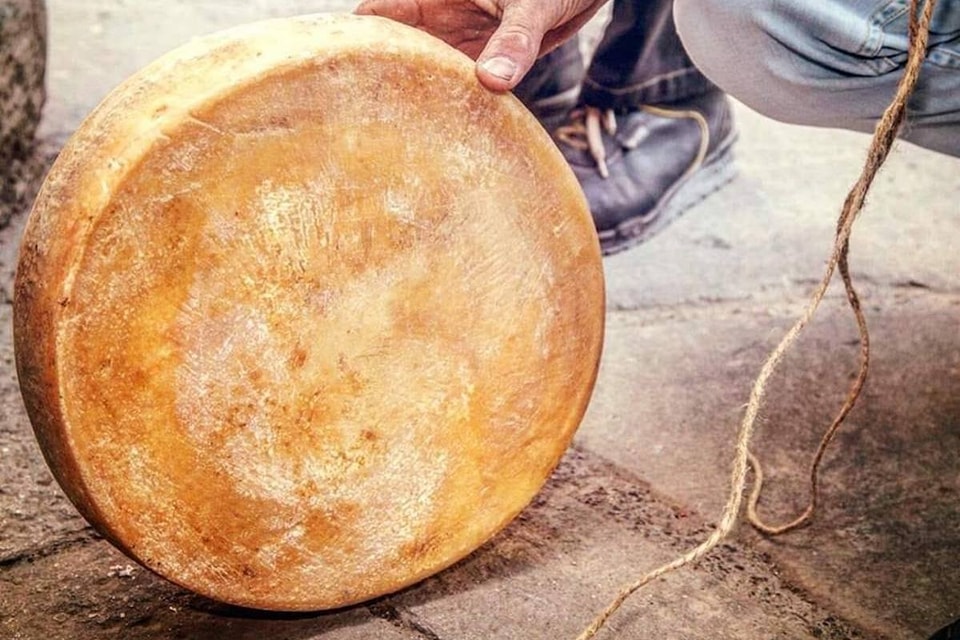
From a food and wine perspective, the area boasts a deep-rooted culinary tradition, based on typical preparations and the use of local ingredients. Among the most representative products are Sicilian dishes and traditional desserts.
Local traditions are punctuated by a calendar of religious and popular events, including celebrations dedicated to the patron saint, Saint Nicholas, which provide moments of community gathering and cultural continuity.
The combination of historical, landscape, and cultural elements contributes to a coherent and recognizable territorial context, with elements of interest for tourism linked to the local identity.
 Associazione: Anci Sicilia
→
Associazione: Anci Sicilia
→
 Associazione: Borghi più belli d'Italia
→
Associazione: Borghi più belli d'Italia
→
 Gruppo di Azione Locale: GAL Tirrenico Mare, Monti e Borghi
→
Gruppo di Azione Locale: GAL Tirrenico Mare, Monti e Borghi
→
Novara di Sicilia boasts a local economic system characterized by the widespread presence of small businesses and traditional activities, which significantly contribute to the vitality of the area.
The artisanal sector plays a significant role, with workshops producing traditionally inspired products, including ceramics, textiles, and woodwork. These activities are a distinctive element of the cultural identity and also attract tourism.
The commercial fabric is structured around a network of local businesses, including grocery stores, clothing stores, and household goods, which provide essential services to the local population and contribute to the functionality of the urban center.
The agricultural sector is of strategic importance, thanks to the presence of locally sourced produce, such as citrus fruits, olives, and wine grapes. Agricultural businesses operate in keeping with local traditions, leveraging environmental resources and established production techniques.
The restaurant sector also contributes to the local economic structure, with businesses offering traditional Sicilian dishes and using primarily local ingredients.
Overall, Novara di Sicilia's entrepreneurial system is an integrated network of economic and productive activities that supports the local socioeconomic balance and contributes to the preservation of traditions.
The territory of Novara di Sicilia, with a population of 1,131 inhabitants in 2023, represents a small-scale context covering an area of nearly 50 km². The demographic structure is balanced in terms of gender, while the presence of foreign residents remains limited, with a total of 66 individuals.
The housing stock shows a significant availability of properties: alongside 627 occupied dwellings, there are 1,921 unoccupied units, for a total of 2,548 housing units. This suggests potential opportunities for development in the residential and real estate rehabilitation sectors.
Regarding tourism, the accommodation supply is currently limited, with only two Bed & Breakfast facilities and no other types of lodging available. However, the presence of a museum institution, which recorded around 300 visitors in 2020, indicates some level of interest in the local cultural heritage.
From a morphological perspective, the area is mainly characterized by altitude ranges between 300 and 899 meters, accounting for over 75% of the total surface. This configuration supports the development of nature-based tourism and outdoor activities.
Overall, the territorial context highlights development potential linked to the enhancement of available resources, particularly in the recovery of the building stock and the strengthening of the tourism offer.
Novara di Sicilia is a municipality located on the slopes of the Nebrodi Mountains, in the province of Messina, in a territory characterized by its proximity to the Ionian Sea and a diverse natural landscape.
The historic center retains a medieval urban layout, with narrow streets, stone buildings, and an architectural heritage that reflects the area's historical stratifications. Among the most notable features is Ruffo Castle, a fortified structure dating back to the 14th century that dominates the village and represents a landmark.
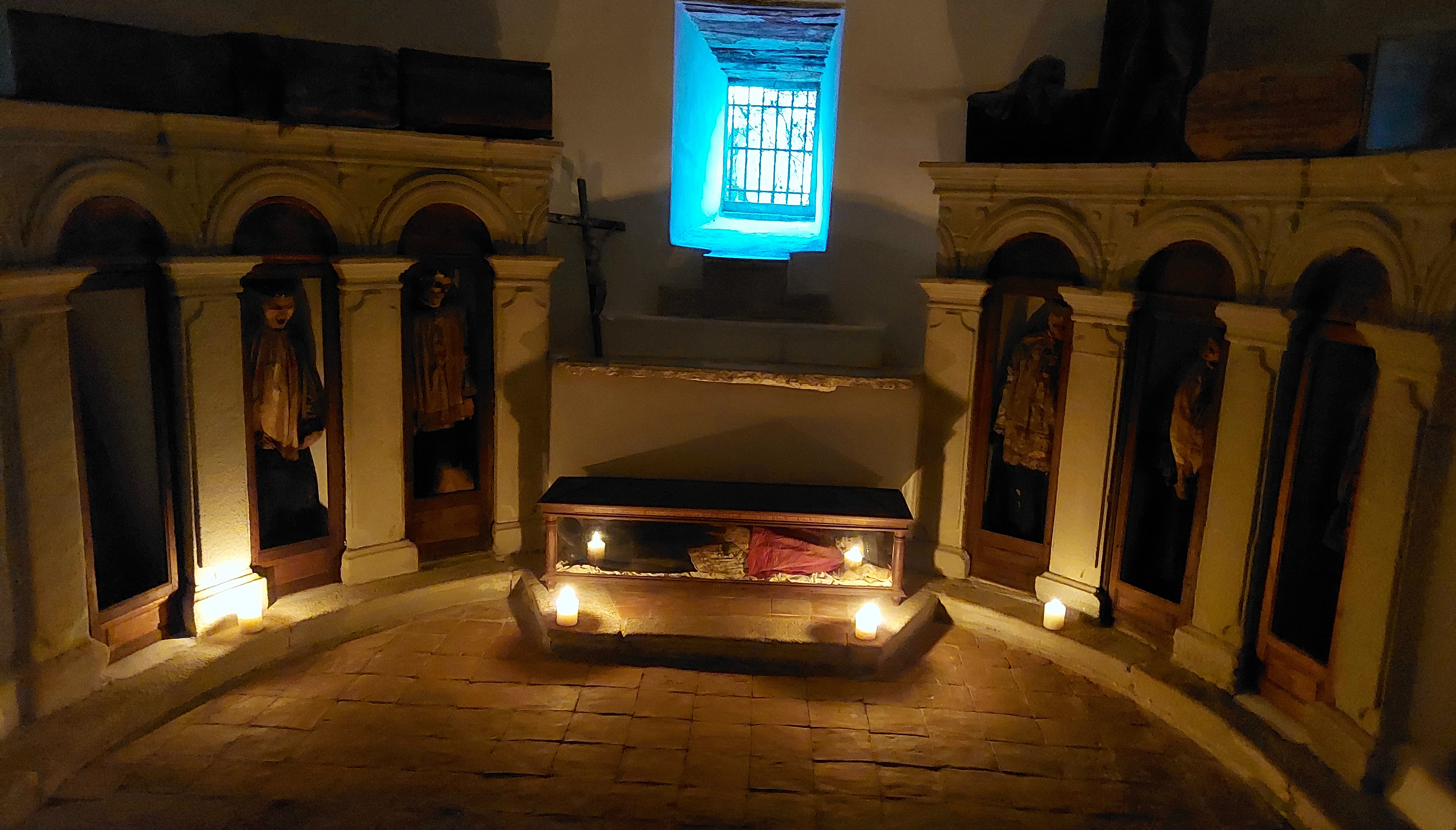
The religious heritage includes buildings of historical and artistic interest, including the Mother Church of San Nicolò, which houses works of art and testimonies of local tradition.
From a food and wine perspective, the area expresses a culinary tradition linked to Sicilian culture, with typical dishes and local products that enhance the local resources.
The Nebrodi Mountains area offers opportunities for outdoor activities, thanks to the presence of nature trails that pass through woodlands and landscapes of environmental interest.
Local traditions are marked by religious events and popular celebrations, including celebrations dedicated to the patron saint, Saint Nicholas, which represent significant moments of community participation.
The local context is distinguished by the integration of historical heritage, natural environment, and local traditions, making it an attractive area for a diverse range of tourism.