Canicattì is a municipality located in the province of Agrigento, Sicily. With a population of approximately 35,000, it is one of the most important centers in the Platani Valley. Its history dates back to antiquity, with traces of settlements dating back to prehistoric times. Over the centuries, Canicattì has been dominated by various civilizations, including the Greeks, Romans, Byzantines, and Arabs.
The historic center of Canicattì is characterized by narrow alleys and ancient churches, which bear witness to the city's rich history. Among the most significant buildings is the Mother Church, dedicated to Saint Pancras, the city's patron saint. Religious and secular architecture blend together, creating a fascinating mix of styles and eras.
Canicattì is also known for its culinary tradition, with typical dishes reflecting the influence of the various cultures that have dominated the region over the centuries. Among the most popular culinary specialties are pasta with sardines, Sicilian cannoli, and almond desserts.
The city is also an important agricultural center, with vast lands cultivated with olive trees, vineyards, and citrus groves. The olive oil and wine produced in Canicattì are renowned throughout Sicily and beyond.
In addition to its rich history and culinary tradition, Canicattì offers visitors the opportunity to immerse themselves in the pristine nature of the Platani Valley. Hiking or cycling along the trails through the surrounding woods and countryside allows you to discover breathtaking landscapes and unique animal species.
Furthermore, Canicattì's strategic location, a short distance from the beaches of Sicily's southern coast, makes it an ideal starting point for exploring the island's natural beauty, such as the Scala dei Turchi, the Valley of the Temples, and the Zingaro Nature Reserve.
In short, Canicattì is a city that combines history, tradition, nature, and gastronomy, offering visitors an authentic and unforgettable experience discovering the most authentic Sicily.
Canicattì is a Sicilian municipality rich in local businesses that actively contribute to the local economy. Among the most widespread activities are farms producing olive oil, wine, citrus fruits, and other typical regional products. These businesses take advantage of the favorable climate and fertile Sicilian soil to cultivate their high-quality products.
In addition to agriculture, Canicattì also boasts numerous commercial and artisanal businesses. Local shops offer a wide range of products, from foodstuffs to locally crafted goods. Artisans, meanwhile, create unique, high-quality objects, such as ceramics, textiles, and carved woodwork.
Service businesses are another important component of the local economy. Restaurants, bars, hotels, and B&Bs welcome tourists and visitors, offering them warm and authentic hospitality. Travel agencies and tour operators also help promote the area and raise awareness of the beauty of Canicattì and its surroundings.
Local businesses are often family-run and serve as a point of reference for the community. They contribute to job creation and economic growth in the area, keeping traditions alive and enhancing the area's cultural and gastronomic heritage.
Thanks to the passion, dedication, and professionalism of its entrepreneurs, Canicattì continues to thrive and stand out for its vibrant economic scene. Local businesses are a key element in the vitality and development of the municipality, helping to make it a dynamic and welcoming place for residents and visitors.
The territory of Canicattì, with a population of approximately 18,473 inhabitants in 2023, shows a predominance of males over females. The territorial area of 91.8597 sq km offers ample opportunities for development and investment. The dwellings in the municipality amount to 22,698, of which 14,039 are occupied and 8,659 are unoccupied, indicating a potential demand in the real estate sector. The presence of 2,713 foreigners in the territory could represent an opportunity for the development of services and commercial activities aimed at an international clientele. However, the lack of luxury accommodation facilities and high-category hotels could be a critical issue in attracting high-end tourists. The accommodation facilities in the territory mainly include 3-star hotels, agritourisms, bed & breakfasts, and other non-hotel establishments, totaling 11 facilities and 184 available beds. This sector could be an investment opportunity, considering the presence of tourists interested in discovering the beauty of the area. From a geographical point of view, the municipality of Canicattì mainly features altimetric bands between 300 and 599 meters, offering varied and attractive landscapes for nature and hiking enthusiasts. The presence of a museum institute in the territory could represent a point of cultural interest to enhance in order to attract visitors and promote the historical and artistic heritage of the area. In conclusion, the territory of Canicattì offers interesting investment opportunities in the tourism and real estate sectors, with the possibility of attracting an international clientele and enhancing the natural and cultural resources of the area. However, it is necessary to develop further high-quality accommodation facilities to meet the needs of a more demanding clientele and diversify the tourism offer.
Canicattì, a city offering a perfect blend of history, culture, nature, and gastronomy, is an ideal destination for those seeking a holiday of discovery and relaxation. With its unique attractions and authenticity, it will captivate the hearts of all who visit.
Among the city's main attractions is the Chiesa Madre, dedicated to San Pancrazio, an imposing religious building built starting in the mid-18th century. With its majestic staircase and elegant façade designed by renowned architect Ernesto Basile, it stands in the heart of the historic center. Inside, you can admire valuable works of art that recount the history and profound spirituality of the community.
Another must-see attraction is Bonanno Castle, an ancient manor overlooking the city from atop a rocky ridge. Its origins appear to date back to an Arab fortress, later expanded in the Norman era and becoming a symbol of feudal power under the Bonanno family in the 17th century. Although only ruins remain today, it represents an important historical landmark for the local community.
For nature and archaeology lovers, the Canicattì area offers the important archaeological site of Vito Soldano. This area, just a few kilometers from the city, preserves the remains of a settlement documenting continuous life from the 1st century BC to the 8th century AD, with the remains of a thermal bath and a necropolis. Although the famous Valley of the Temples is located in nearby Agrigento, Canicattì is an ideal base for exploring the archaeological wonders of the province.
For those interested in history, the artifacts that tell the story of the area's ancient civilizations are housed in the prestigious "Pietro Griffo" Regional Archaeological Museum in Agrigento, one of the most important in Sicily, which displays over 5,000 artifacts.
Finally, for those who love good food, Canicattì offers numerous trattorias and restaurants where you can savor typical traditional dishes. The local cuisine, prepared with authentic ingredients, will delight even the most discerning palates with specialties such as Falsomagro and traditional Pan di Spagna, as well as typical Sicilian dishes.
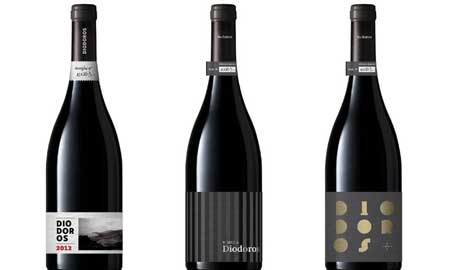 Anche nell’agrigentino una strada del vino?13 gennaio 2014
 Regalpetra Viaggi: una giornata alla scoperta di Canicattì09 novembre 2013