Caltanissetta è una città situata nel cuore della Sicilia, in una posizione geografica che le conferisce un ruolo centrale nell'isola sia dal punto di vista logistico che storico. Sorge su una serie di colline a circa 600 metri sul livello del mare, circondata da un paesaggio che alterna dolci rilievi e ampie distese coltivate. Questo territorio, ricco di storia e tradizioni, ha visto il susseguirsi di numerose civiltà che hanno lasciato un'impronta profonda sul tessuto urbano e culturale della città.
Le origini di Caltanissetta risalgono all’antichità, con tracce di insediamenti già in epoca preistorica. Tuttavia, è durante il periodo arabo, attorno al IX secolo, che la città inizia ad assumere una forma più definita. Il suo nome deriva probabilmente dall’arabo "Qal’at al-Nisā’", che si può tradurre come “Castello delle donne”. Durante il Medioevo, la città si sviluppa attorno al castello di Pietrarossa, un’imponente fortificazione che domina la valle del fiume Salso e che, nonostante oggi sia in gran parte in rovina, rappresenta ancora un simbolo della città.
Nel corso dei secoli, Caltanissetta ha attraversato periodi di espansione e decadenza. In epoca borbonica, con l’amministrazione del Regno delle Due Sicilie, divenne un importante centro amministrativo. Ma è tra il XIX e il XX secolo che la città conosce un significativo sviluppo economico grazie all’attività estrattiva delle miniere di zolfo, di cui l’area era particolarmente ricca. Questo settore trasformò radicalmente la vita economica e sociale di Caltanissetta, attirando lavoratori da varie parti dell’isola e contribuendo a una rapida urbanizzazione.
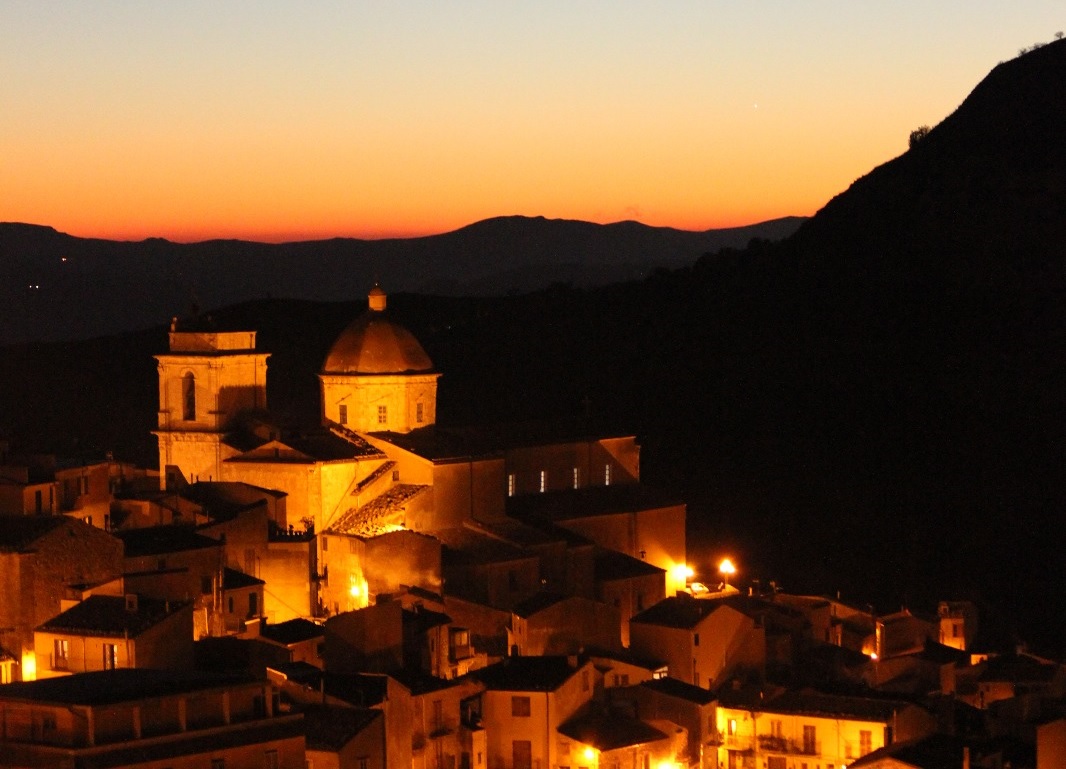
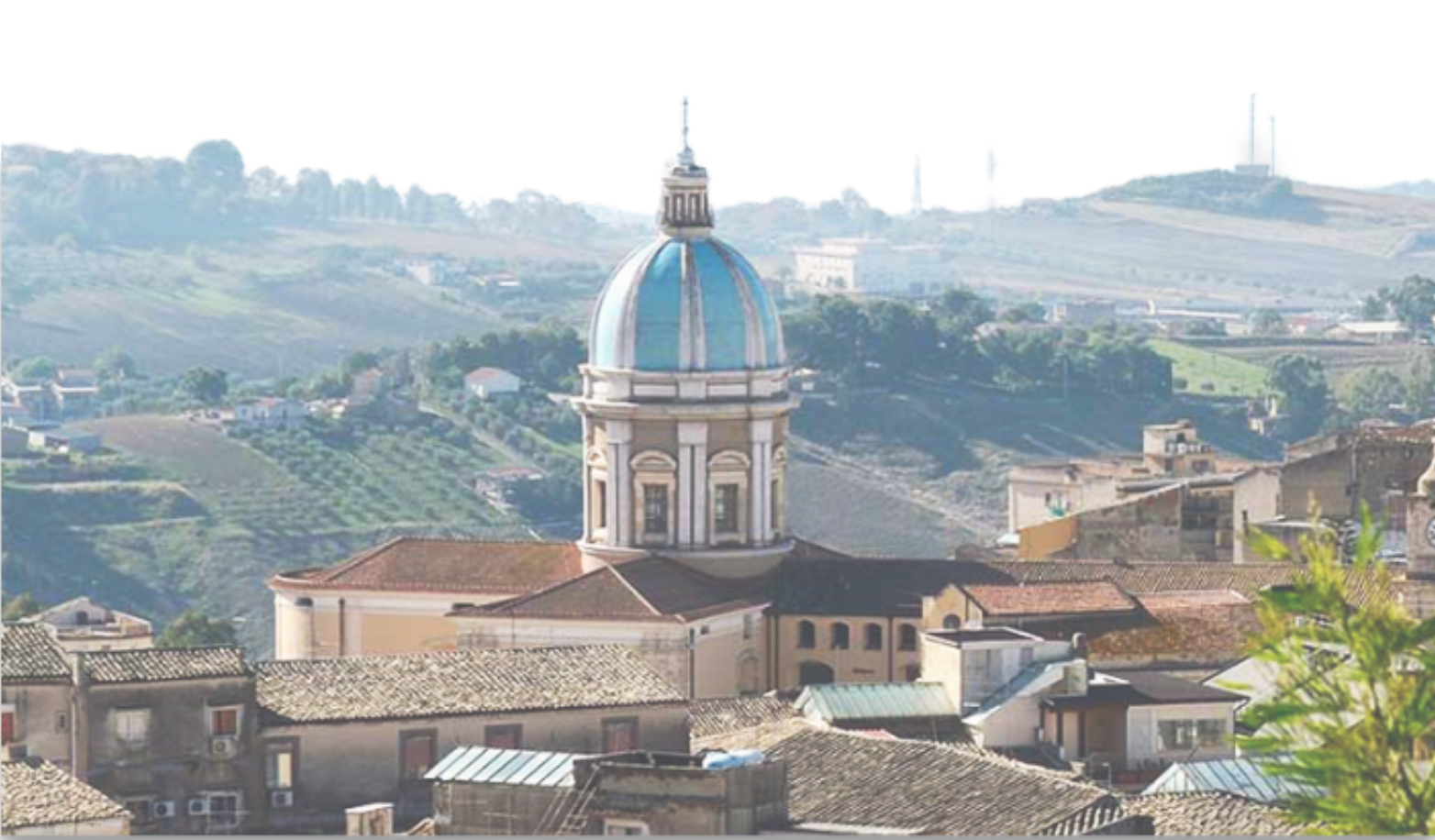
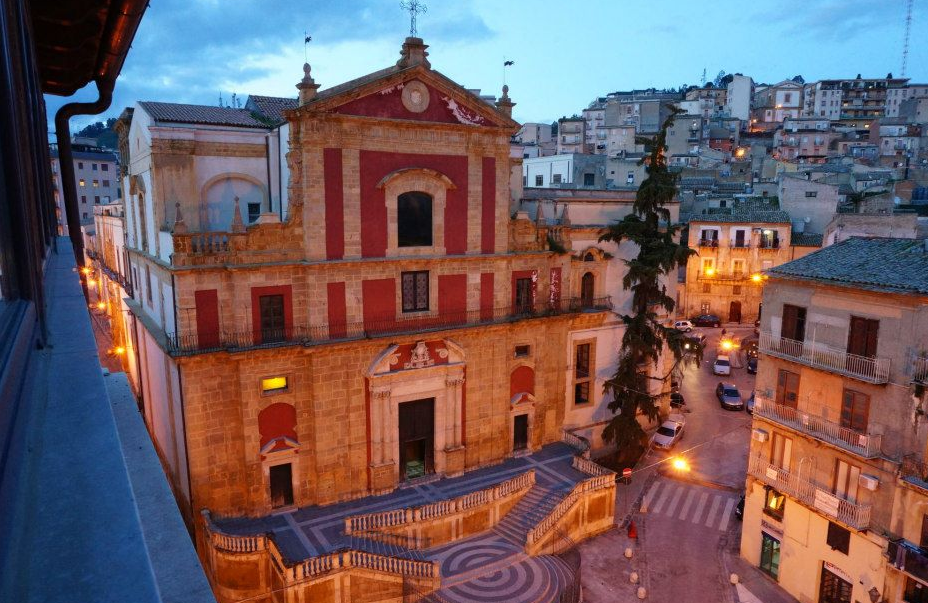
Dal punto di vista architettonico, la città è caratterizzata da un patrimonio che riflette le sue complesse vicende storiche. Spiccano edifici religiosi di grande pregio, come la Cattedrale di Santa Maria la Nova, costruita nel XVII secolo, e diverse chiese barocche, oltre a eleganti palazzi nobiliari che testimoniano il passato aristocratico di alcune famiglie locali. Il centro storico, pur avendo subito modifiche nel tempo, conserva ancora l’impianto originario e accoglie numerose manifestazioni culturali e religiose, tra cui la celebre Settimana Santa, che attira visitatori da tutta la regione.
Oggi Caltanissetta è un capoluogo di provincia che svolge un ruolo importante nell’ambito amministrativo e giudiziario della Sicilia centrale. La sua economia si è diversificata, abbandonando l’attività mineraria a favore di settori come l’agricoltura, il commercio e i servizi. Nonostante alcune sfide legate allo spopolamento e alla modernizzazione, la città conserva un’identità forte, ancorata alle tradizioni ma con uno sguardo rivolto al futuro.
Caltanissetta è anche un centro di cultura, con musei, biblioteche e istituti scolastici che contribuiscono alla vita intellettuale della comunità. Il suo paesaggio urbano, unito alla cordialità dei suoi abitanti e alla ricchezza del patrimonio gastronomico e folkloristico, la rende una realtà affascinante, ancora in parte da scoprire per molti visitatori.
Caltanissetta, cuore pulsante della Sicilia interna, vanta un tessuto imprenditoriale ricco, variegato e radicato nel territorio, che spazia da piccole realtà artigianali a imprese più strutturate nei settori dell’agroalimentare, dell’edilizia, dei servizi e del commercio. Chi passeggia per il centro storico può imbattersi in botteghe storiche specializzate nella lavorazione del cuoio, della ceramica e del ferro battuto: da queste nascono prodotti autentici, frutto di tradizione e di competenze manuali tramandate da generazioni. Al contempo, le piccole pasticcerie e panifici artigianali rappresentano un settore vivace e in continua evoluzione, con specialità locali come le “glossine” e i dolci di mandorla che richiamano residenti e visitatori in cerca di gusto e qualità.
Nel mondo agricolo e agroalimentare, numerose aziende strutturate – spesso a conduzione familiare – coltivano uliveti, agrumeti e vigneti nei dintorni, producendo olio extravergine, vino e conserve, combinando sapienza contadina con tecniche contemporanee. Questi prodotti vengono spesso valorizzati attraverso mercatini a km 0, dove gli abitanti locali trovano alimenti genuini e a filiera corta, rinsaldando legami tra produttori e consumatori. Accanto al settore primario, si colloca un’antica tradizione mineraria, oggi rinnovata da imprese impegnate in servizi di risanamento, valorizzazione e turismo industriale nelle ex-miniere di zolfo, trasformando un’eredità storica impegnativa in opportunità economica e culturale.
Il comparto dell’edilizia e delle costruzioni annovera aziende sia impegnate in opere pubbliche – ristrutturazioni di edifici storici, recupero urbano, infrastrutture – sia in interventi privati, dove competenze tecniche e conoscenza del territorio regioni consentono progetti accurati e rispettosi del contesto. Anche il settore dei servizi ha un peso di rilievo: imprese nei settori del turismo, dell’accoglienza, della ristorazione, dell’assistenza sanitaria e dell’informazione digitale riescono a innovarsi, offrendo soluzioni moderne e puntuali alle esigenze della comunità locale.
Inoltre, il commercio al dettaglio – tra empori, farmacie, negozi di abbigliamento e calzature – continua a svolgere un ruolo centrale, combinando tradizione e tendenze contemporanee per soddisfare un pubblico locale attento alla qualità e alla varietà. In sintesi, le imprese locali di Caltanissetta sono un motore economico variegato, capace di intrecciare storia e innovazione, offrendo lavoro, servizi e opportunità di sviluppo al territorio.
Il territorio di Caltanissetta si presenta come un'area di dimensioni contenute ma con una popolazione significativa, composta principalmente da residenti italiani, ma con una presenza non trascurabile di stranieri. La presenza di abitazioni occupate e non occupate indica una certa disponibilità di immobili sul mercato, che potrebbe rappresentare un'opportunità interessante per investimenti nel settore immobiliare.
Dal punto di vista turistico, il territorio offre una varietà di strutture ricettive, con un numero significativo di alberghi di diverse categorie e una presenza di agriturismi, bed & breakfast e altri esercizi extraalberghieri. Tuttavia, la mancanza di campeggi e villaggi turistici potrebbe rappresentare una criticità per l'attrattività turistica del territorio.
Dal punto di vista economico, la presenza di un numero limitato di musei e istituzioni culturali potrebbe rappresentare un'opportunità per investimenti nel settore culturale e turistico, valorizzando il patrimonio storico e artistico del territorio.
Le caratteristiche geografiche e morfologiche del territorio, con una prevalenza di fasce altimetriche comprese tra i 300 e i 599 metri, potrebbero favorire lo sviluppo di attività legate al turismo naturalistico e all'escursionismo.
In conclusione, il territorio di Caltanissetta offre interessanti opportunità di investimento nei settori immobiliare, turistico e culturale, ma potrebbe beneficiare di ulteriori sviluppi infrastrutturali e di promozione turistica per attrarre un numero maggiore di visitatori e investitori.
Caltanissetta, situata nel cuore della Sicilia, è una città ricca di storia, cultura e tradizioni che offre numerose attrazioni turistiche, ideali per chi desidera scoprire un volto autentico dell’isola. Tra le mete principali spicca il centro storico, con le sue eleganti piazze, i vicoli caratteristici e gli edifici in stile barocco e neoclassico. La Cattedrale di Santa Maria La Nova rappresenta uno dei monumenti più imponenti della città, con interni affrescati che testimoniano l’arte e la devozione religiosa locale. Non lontano si trova il Castello di Pietrarossa, le cui suggestive rovine dominano il paesaggio, offrendo una vista panoramica sulla valle del Salso.
Per gli appassionati di archeologia, il Museo Archeologico Regionale custodisce reperti che raccontano la storia millenaria del territorio, dalle civiltà preistoriche fino all’età romana. Di particolare interesse è anche l’Abbazia di Santo Spirito, risalente al XII secolo, un perfetto esempio di architettura normanna immerso in un’atmosfera di quiete e spiritualità.
Caltanissetta è famosa anche per le sue miniere di zolfo, un tempo fulcro dell’economia locale. Oggi, il Parco delle Solfare e il Museo della Miniera offrono un viaggio nel passato industriale della città, con percorsi guidati e testimonianze dell’epoca mineraria. Per chi ama la natura, i dintorni offrono paesaggi collinari, riserve naturali e percorsi di trekking immersi nella campagna siciliana.
Infine, le tradizioni popolari e religiose, come la suggestiva Settimana Santa, conferiscono alla città un’anima vibrante e profondamente legata al suo patrimonio culturale. Caltanissetta è quindi una destinazione da scoprire con lentezza, capace di offrire esperienze autentiche tra arte, natura e memoria storica.
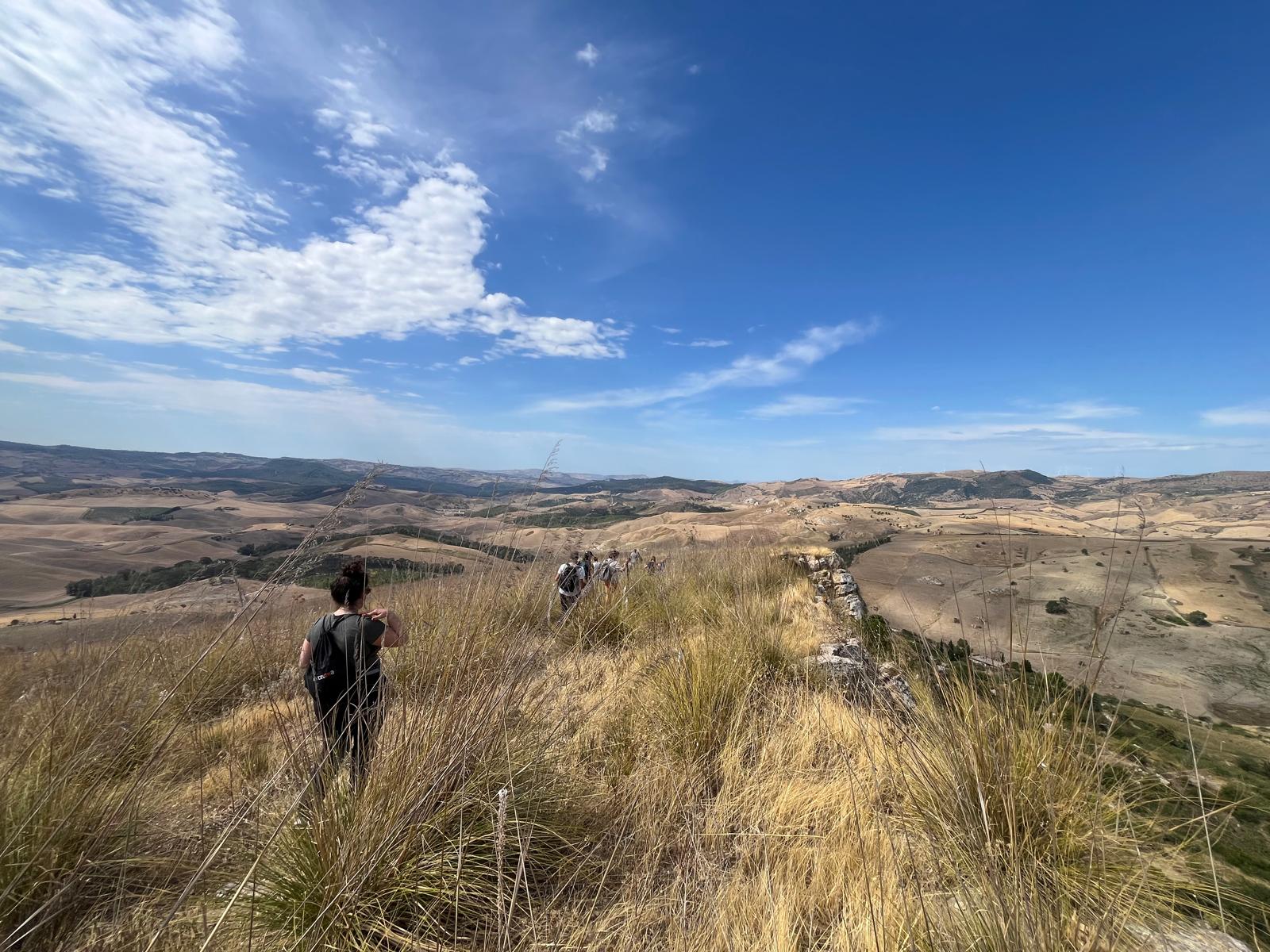 Tra le colline nissene escursione al sapore di pistacchio14 settembre 2026
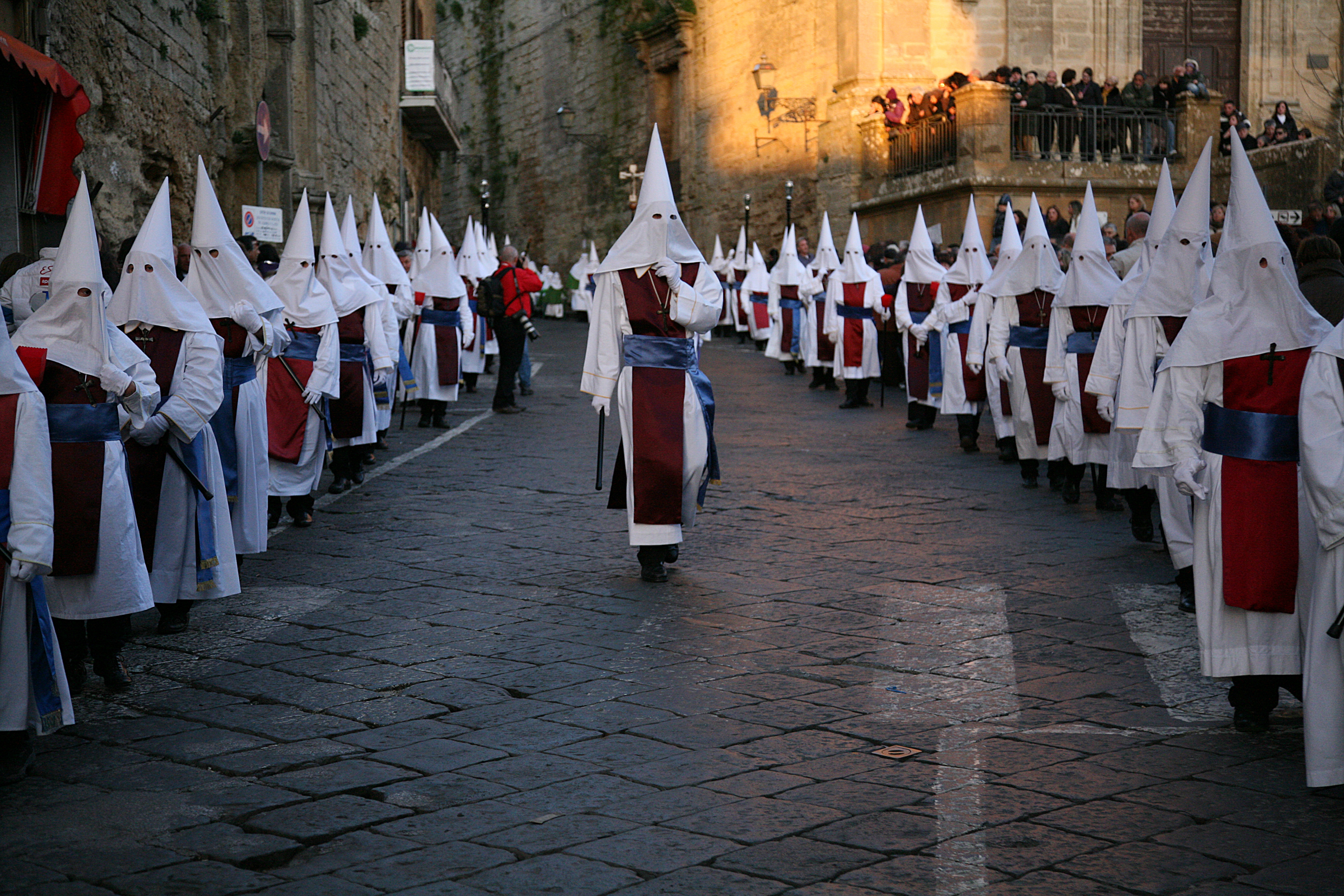 Settimana Santa, dove andare in Sicilia tra riti secolari, processioni e dolci13 marzo 2026
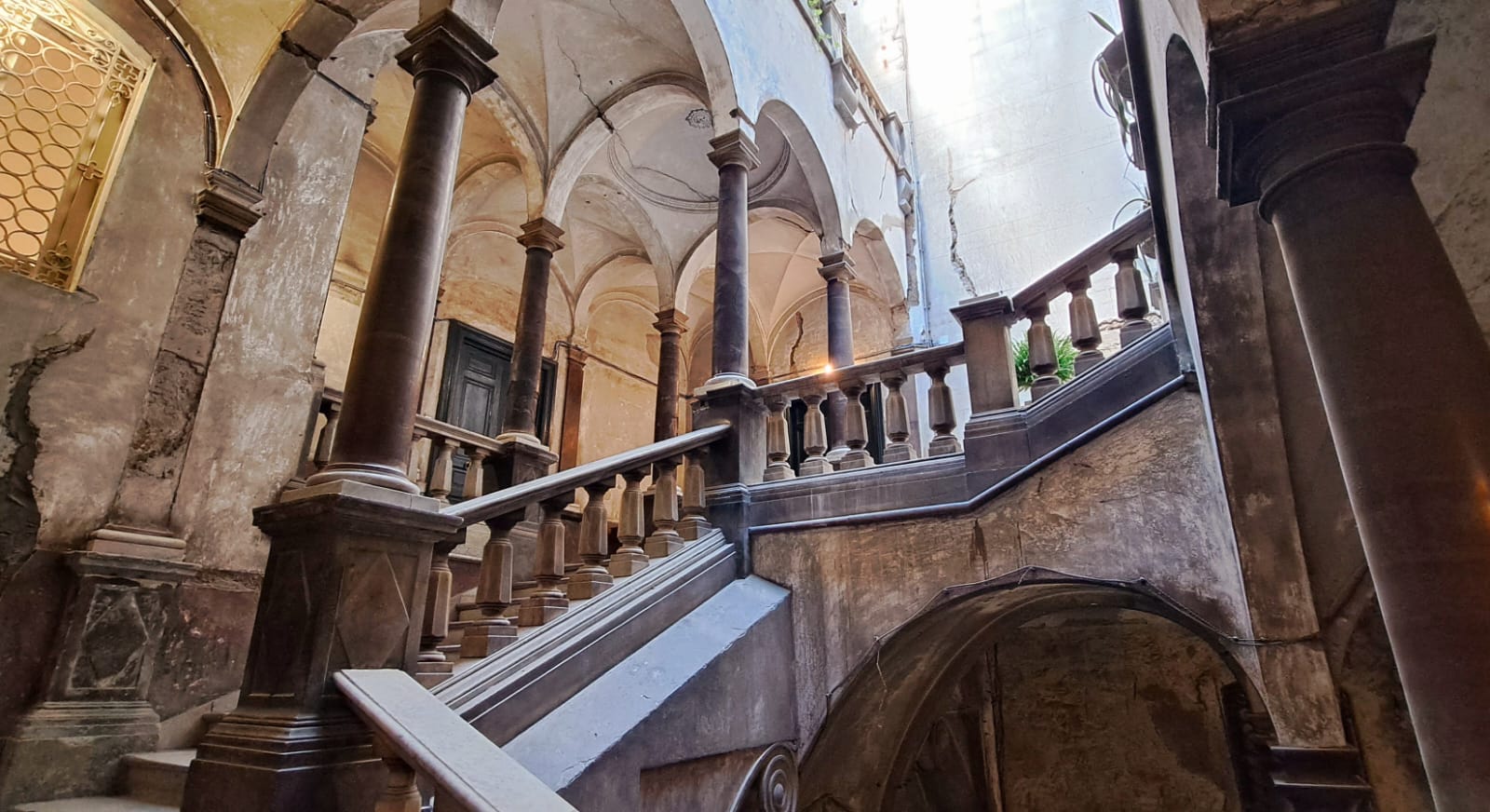 A Caltanissetta apre per la prima volta Palazzo Giordano15 ottobre 2025
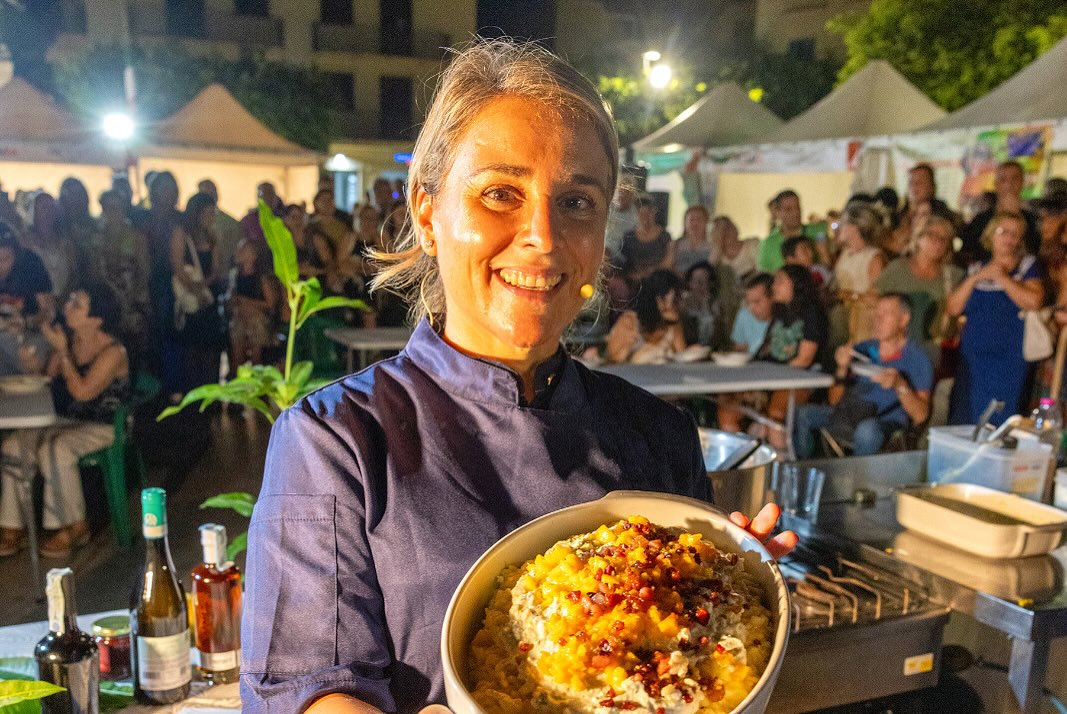 Non solo ricette: la guida per la Sicilia di ‘Giusina in cucina’10 settembre 2025
 Nasce la rete turistica Gemme di Sicilia: adesioni aperte28 agosto 2025
 Al via Le Notti di BCsicilia: 50 eventi per valorizzare il territorio22 luglio 2025
 Bando 135 mln, opportunità per la ricettività del centro Sicilia12 luglio 2025
 Caltanissetta, prossimo passo creazione di un City Branding23 giugno 2025
 Caltanissetta convoca adv e hotel per il 18 giugno16 giugno 2025
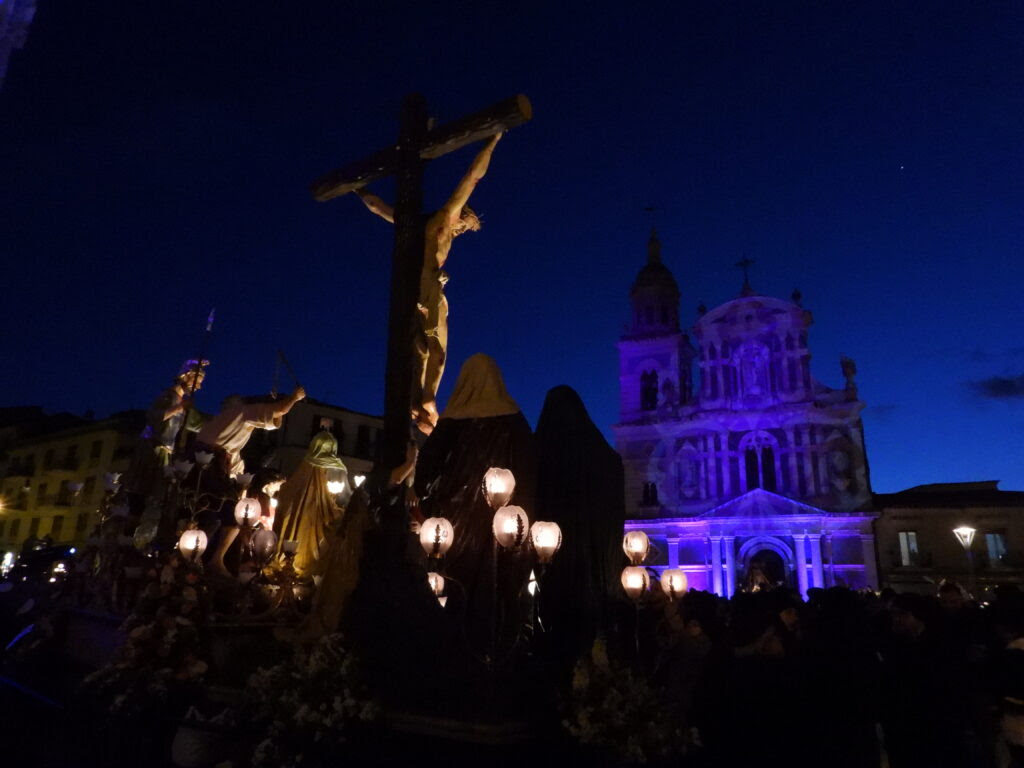 A Caltanissetta tutto pronto per la Settimana Santa08 aprile 2025