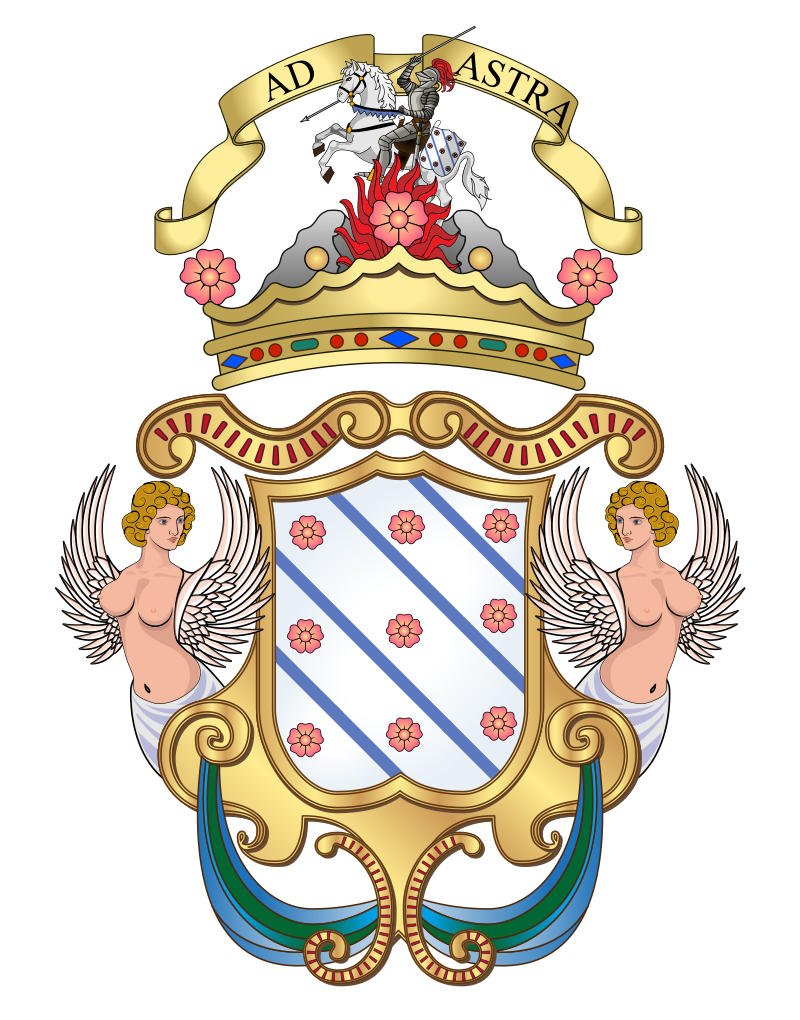
Raffadali is a municipality located in the province of Agrigento, Sicily. With a population of approximately 15,000, the town is strategically located between the Platani Valley and the Belice Valley. Its history dates back to Roman times, when it was known as "Raphadala." Over the centuries, the town has been dominated by various powers, including the Normans, the Aragonese, and the Bourbons.
The historic center of Raffadali is characterized by narrow streets and ancient churches, which bear witness to the town's rich history. Among the most significant buildings is the Mother Church, dedicated to St. John the Baptist, which dates back to the 18th century. Other places of interest include the Town Hall and the Clock Tower, which dominate the town's main square.
Raffadali is also known for its culinary tradition, featuring typical Sicilian dishes such as pasta with sardines and cassata. Local products, such as olive oil and cheeses, are appreciated both regionally and nationally.
Daily life in Raffadali is characterized by a strong community identity, with numerous events and festivals involving the entire population. Among the most important is the feast of St. John the Baptist, the town's patron saint, held every year on June 24th and attracting visitors from across the region.
Despite the economic and social challenges facing the town, Raffadali is a place rich in history and tradition, where the local community is committed to preserving its cultural heritage. With its hilly landscape and authenticity, Raffadali offers a unique experience for anyone wishing to discover the true Sicily.
Raffadali is a Sicilian municipality boasting a vibrant and diverse local business scene. Local businesses are an important economic driver for the community, offering a wide range of products and services that meet the needs of residents and visitors.
Businesses in Raffadali range from small neighborhood shops to more structured and specialized businesses. Among the most popular are clothing, grocery, and local specialty stores, which help keep the area's traditions and culture alive.
Artisanal businesses are another important resource for the municipality, with artisans working with wood, iron, ceramics, and other materials to create unique, high-quality products. These artisan workshops are often run by families who pass their skills down from generation to generation, helping to preserve ancient techniques and traditional knowledge. The agricultural sector also plays a significant role in the local economy, with numerous farms cultivating and producing olives, citrus fruits, grapes, and other typical regional products. Farms not only provide fresh, high-quality food to the community, but also help promote food and wine tourism by offering guided tours and tastings of their products.
Service businesses are equally important in Raffadali, with professionals such as lawyers, accountants, architects, and consultants offering support and advice to individuals and businesses. The tourism sector is also well represented, with hotels, bed and breakfasts, restaurants, and travel agencies welcoming visitors and promoting the area's beauty.
Furthermore, there is no shortage of innovative and technological businesses, dedicated to researching and developing new technologies and solutions to improve the quality of life and foster sustainable development.
In conclusion, Raffadali's local businesses represent an important economic and social fabric that contributes to the growth and well-being of the community. Thanks to the diversification of their activities and the passion and dedication of its entrepreneurs, the municipality continues to prosper and offer employment and development opportunities for all its residents.
The Municipality of Raffadali, with a population of approximately 11,877 in 2023, covers an area of 22.2993 square kilometers. The gender distribution shows a slight predominance of women over men, with 6,113 females and 5,764 males. There are 9,982 dwellings in the area, of which 5,013 are occupied and 4,969 are unoccupied as of December 31, 2021. The presence of foreigners is limited, with a total of 594 individuals.
From a tourism perspective, the Municipality of Raffadali does not have any hotel facilities of any category, but it does have four non-hotel establishments with a total of 28 beds, including three bed & breakfasts and one rental property managed as a business. The area's elevation ranges show a predominance of the 300-599 meter range, covering 64.73% of the area, followed by the 0299 meter range, which occupies 35.26%. Given the lack of hotel facilities and the limited tourist presence, the tourism sector could represent an attractive investment opportunity to develop new accommodations and attract a greater number of visitors. Furthermore, the presence of cultural and historical heritage could be enhanced through the creation of museums or other cultural institutions. However, it is important to consider that the limited presence of foreigners could pose a challenge to the area's tourist appeal. Therefore, targeted marketing strategies may be necessary to promote Raffadali as a tourist destination. In conclusion, despite the area's potential, it is necessary to carefully evaluate the critical issues and investment opportunities to maximize returns and contribute to the economic and social development of the Municipality of Raffadali.
Raffadali, a place rich in history, art, nature, and tradition, offers visitors an unforgettable experience discovering the beauty of Sicily. A journey through a fascinating land full of surprises, it will captivate the hearts of all who visit.
Among the main attractions is the Mother Church, dedicated to Saint Oliva. This imposing religious building, with its elegant façade and richly decorated interior, was rebuilt in the 18th century. Inside, visitors can admire valuable works of art, including paintings and sculptures of great value.
Another point of interest, dominating the landscape, is not a Norman castle, but the Palazzo del Principe di Montaperto, an ancient and noble residence that represents the historic heart of the village. Visiting the center means immersing yourself in the history and culture of a fiefdom with ancient origins, as evidenced by its name, of Arabic origin.
For nature lovers, Raffadali doesn't offer the opportunity to explore the distant Madonie Park, but it is nestled in a landscape of rolling hills, ideal for long walks among olive groves, almond trees, and vineyards.
You can't visit Raffadali without stopping by its Civic Museum. It houses artifacts and testimonies to the area's ancient history, including the famous Raffadali Sarcophagi, two extraordinary Roman-era marble sarcophagi, finely carved with scenes of the Rape of Proserpina, offering a first-hand insight into the culture and traditions of the people who once inhabited the area.
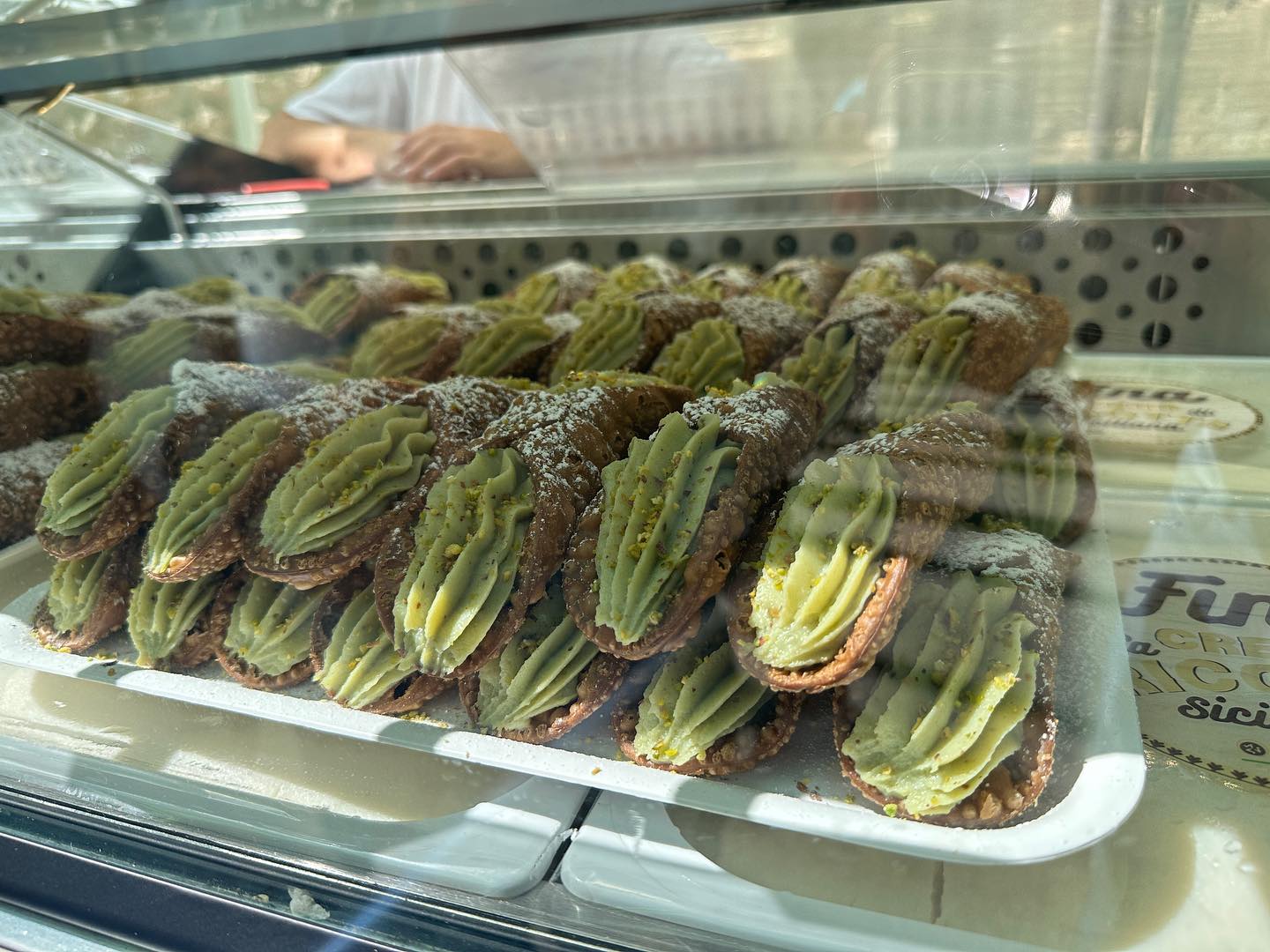
Finally, among Raffadali's attractions, its gastronomy holds pride of place. Although there are wineries, the area's true gold is the pistachio, or "fastuca," to which a famous festival is dedicated. An unmissable experience for lovers of authentic flavors and excellent products.