
Sambuca di Sicilia, located in the Agrigento hinterland, is characterized by a stunning landscape, defined by hills covered with vineyards, olive groves, and almond trees, with views that extend to the coast and the surrounding mountains. The town extends across natural terraces, creating a harmonious urban fabric composed of stone buildings, traditional architectural elements, and numerous panoramic viewpoints.
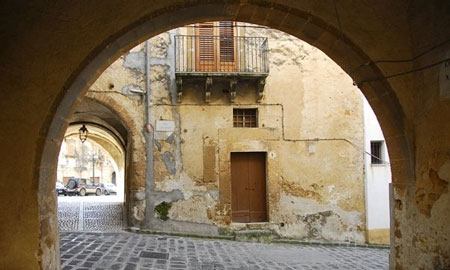
The historical origins of the village date back to ancient times and are significantly influenced by the Arab presence, still evident in the urban layout. The system of narrow, intricate alleys responds to climatic and morphological needs, contributing to thermal regulation and adaptation to the terrain. Elements such as medieval gates, historic fountains, and remains of fortifications testify to the strategic role played by the center in the past.
The historic center is organized around small public spaces, overlooked by important religious and civil buildings, including the Mother Church dedicated to Saint Francis of Assisi and the former Capuchin convent, now used for cultural activities. The architecture features a sober Baroque style, with essential decorative elements and local materials.
The surrounding area is characterized by a traditional agricultural system, with production linked to local supply chains and sustainable practices. Vineyards, olive groves, and almond orchards define the rural landscape and contribute to the local food and wine production, based on typical ingredients and a well-established culinary tradition.
In recent years, the municipality has initiated projects to recover and enhance its architectural and historical heritage, including the restoration of buildings, urban paths, and public spaces. Part of this heritage has been allocated to widespread accommodations, such as B&Bs and holiday homes, contributing to the development of tourism.
Cultural and social life is characterized by events and celebrations tied to local traditions, including religious celebrations, festivals, and cultural initiatives that strengthen community identity and encourage participation.
Sambuca di Sicilia is a destination geared toward authentic and sustainable tourism, where the valorization of its historical heritage, landscape, and local traditions is integrated with contemporary forms of hospitality.
 Associazione: Anci Sicilia
→
Associazione: Anci Sicilia
→
 Associazione: Borghi più belli d'Italia
→
Associazione: Borghi più belli d'Italia
→
 Gruppo di Azione Locale: GAL Valle del Belice
→
Gruppo di Azione Locale: GAL Valle del Belice
→
In the economic context of Sambuca di Sicilia, the local business system plays a key role in promoting the area and its resources. The productive fabric is characterized by the presence of small-scale businesses, often family-run, active in agriculture, artisanal crafts, commerce, and tourism.
The agricultural sector plays a key role, with companies engaged in the cultivation of olive groves, vineyards, and almond orchards. These produce high-quality typical products, such as extra virgin olive oil, local wines, and almonds, obtained through traditional practices and short supply chains, with distribution favoring direct sales and tastings.
Local crafts contribute significantly to the economic and cultural identity of the area. Workshops specializing in ceramics, iron, and wood create artifacts that reflect local traditions, while limestone processing allows for the production of decorative elements and functional objects tied to the architectural context of the village.
The food and wine sector is represented by restaurants, trattorias, and confectionery workshops offering traditional dishes based on local ingredients. These businesses, mostly family-run, emphasize the connection between agricultural production and culinary offerings, contributing to the promotion of the region.
The tourism and hospitality sector also plays a significant role, thanks to the presence of agritourisms, bed & breakfasts, and vacation homes located in restored historic buildings. These establishments offer forms of widespread hospitality, often integrated with experiences related to rural life, gastronomy, and outdoor activities.
The local economic system is complemented by a network of local services, including commercial establishments and basic artisanal businesses, which ensure the daily functioning of the area and strengthen social relations within the community.
The businesses of Sambuca di Sicilia form an integrated system that contributes to economic sustainability and the preservation of cultural and territorial identity, while also fostering forms of local development based on the quality and valorization of endogenous resources.
The territory of Sambuca has a population of 5,301 inhabitants in 2023 and covers a total area of 96.3716 square kilometers. The demographic structure is balanced between genders, while the presence of foreign residents remains limited, with 241 individuals.
The housing stock shows a significant availability of properties: as of December 31, 2021, there were 2,236 occupied dwellings and 2,989 unoccupied ones, for a total of 5,225 units. This indicates potential opportunities for redevelopment and investment in the real estate sector.
The hospitality sector is currently limited, with only one hotel providing 25 rooms and 50 beds. This is complemented by a small number of non-hotel accommodations, including 7 bed & breakfasts and 4 rental units managed on an entrepreneurial basis, which slightly expand the accommodation capacity.
From a tourism perspective, the area offers room for growth, particularly in the diversification of accommodation facilities. The absence of agritourism establishments, hostels or similar structures may represent a limitation, but also highlights opportunities for future investment.
Economically, the availability of unused housing, combined with local cultural resources, creates favorable conditions for initiatives aimed at redevelopment and the enhancement of existing assets.
The geographical and morphological features of the area, with elevations ranging from 300 to 899 meters, also support the development of nature-based tourism and hiking activities, increasing the overall attractiveness of the territory.
Overall, Sambuca presents a context with development potential, supported by targeted investments aimed at enhancing local resources and expanding both the tourism and housing offer.
Sambuca di Sicilia stands out for its ability to combine historical heritage, natural landscape, and local traditions, offering a varied and immersive experience. The historic center, built on a panoramic hill, is characterized by a dense network of cobbled alleys, stone arches, and small squares, creating a charming and intimate urban environment. Along the way, panoramic views open up, allowing visitors to observe the surrounding countryside, with expanses of agricultural land dotted with olive and almond groves that extend to the horizon.
Among the most interesting architectural features is the church dedicated to Saint Francis of Assisi, appreciated for its sober forms and the harmony of its interior spaces. Also noteworthy are the remains of the ancient fortifications, now undergoing restoration work. These can be explored via pedestrian paths along walls, towers, and historic walkways, from which visitors can observe the rural landscape and its dynamics.
The surrounding area offers opportunities for outdoor activities, thanks to trails that pass through vineyards, olive groves, and almond orchards, leading to scenic spots and areas of natural interest. In particular, during the spring, the blossoming of the almond trees contributes to the distinctive character of the landscape.
The annual calendar is enriched with events that showcase local products and artisanal traditions, including festivals, food and wine events, and cultural exhibitions. These activities promote the region and its excellence.
Sambuca di Sicilia is a destination where historical, environmental, and cultural elements are integrated, creating a tourism offering geared toward authenticity and the valorization of local resources.
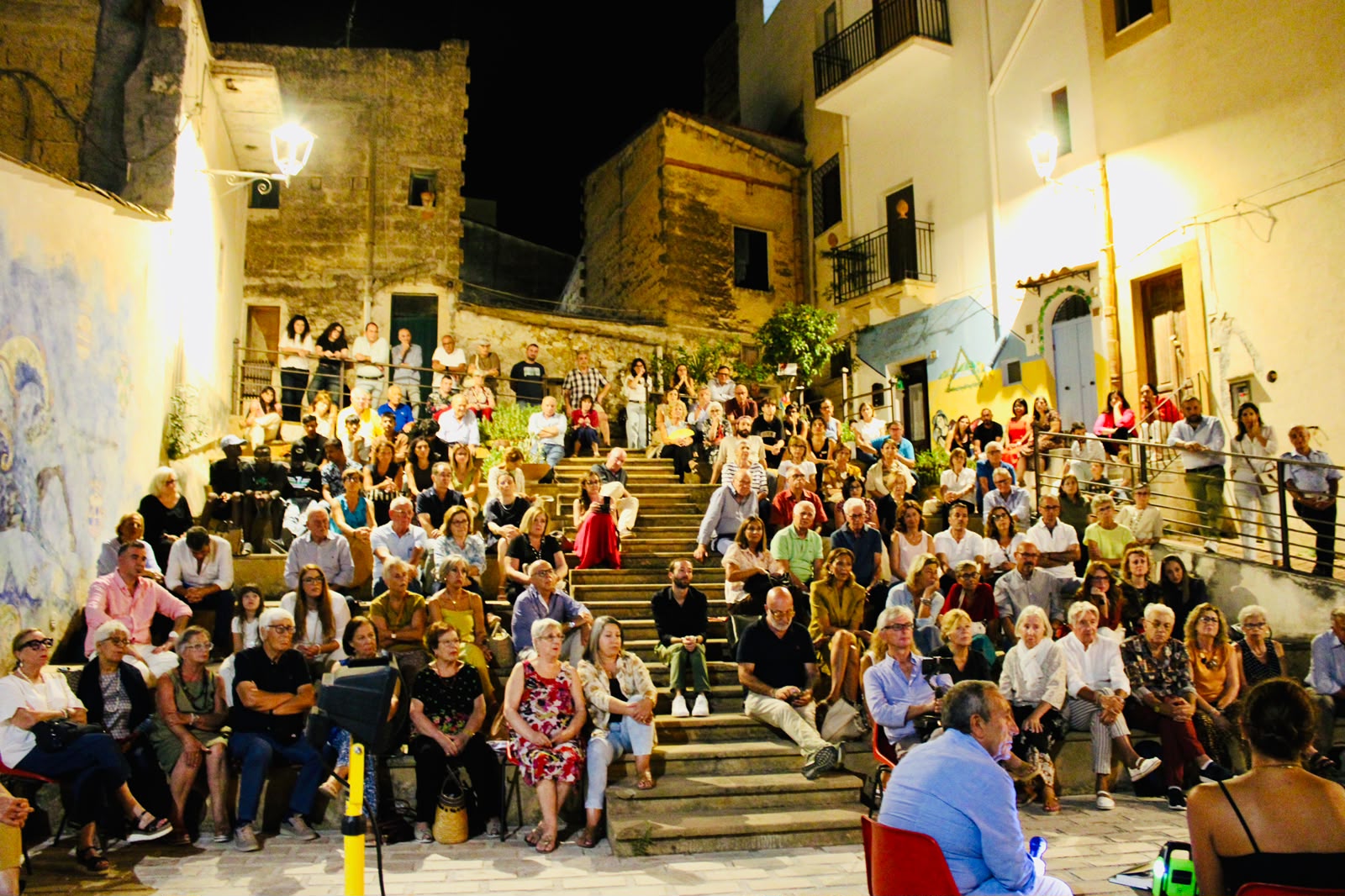 Sambuca di Sicilia diventa il Borgo che legge con Zabook14 settembre 2026
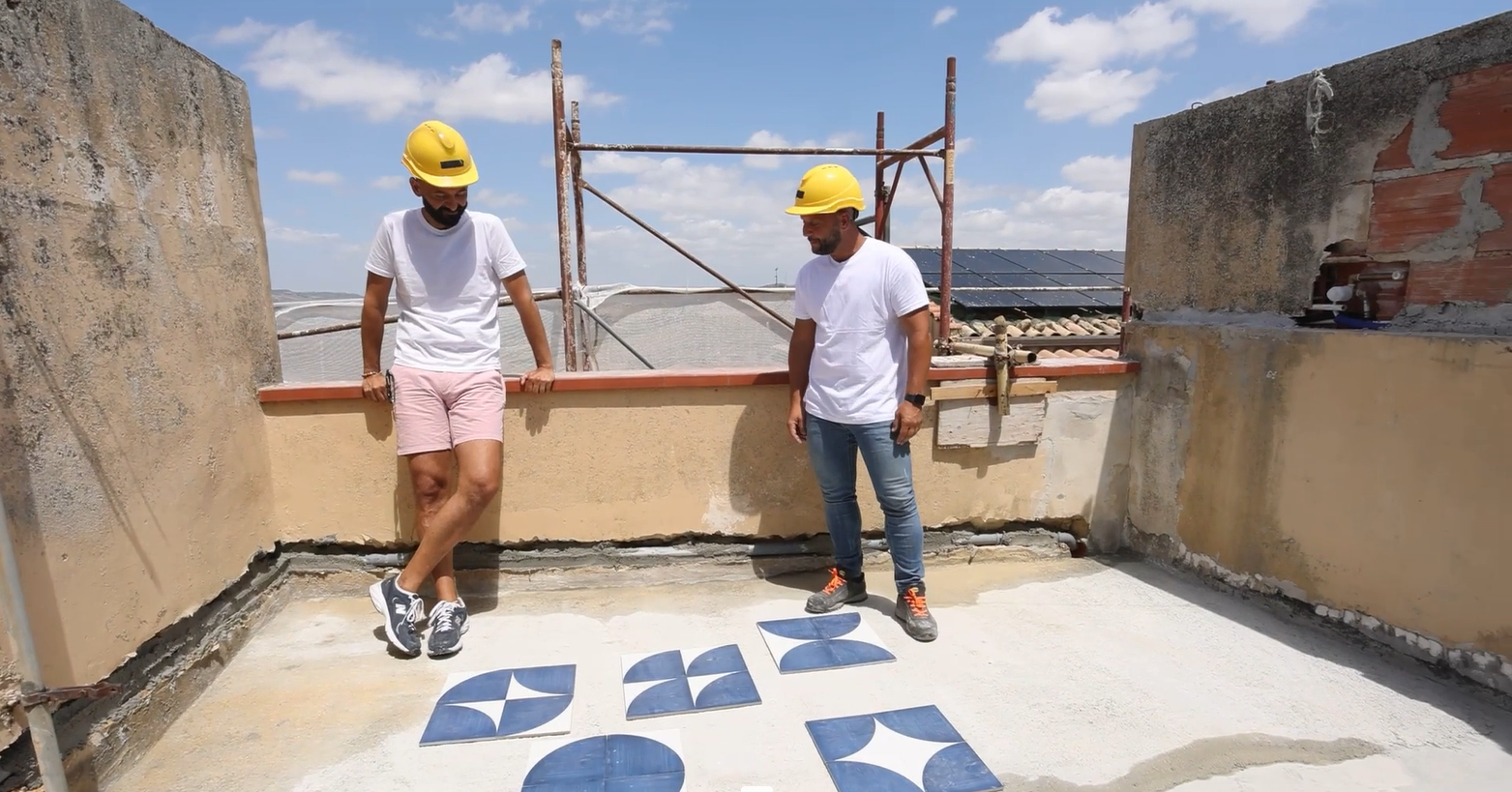 Case a 1 euro o poco più: tutte le trasformazioni made in Sicily su Real Time13 maggio 2026
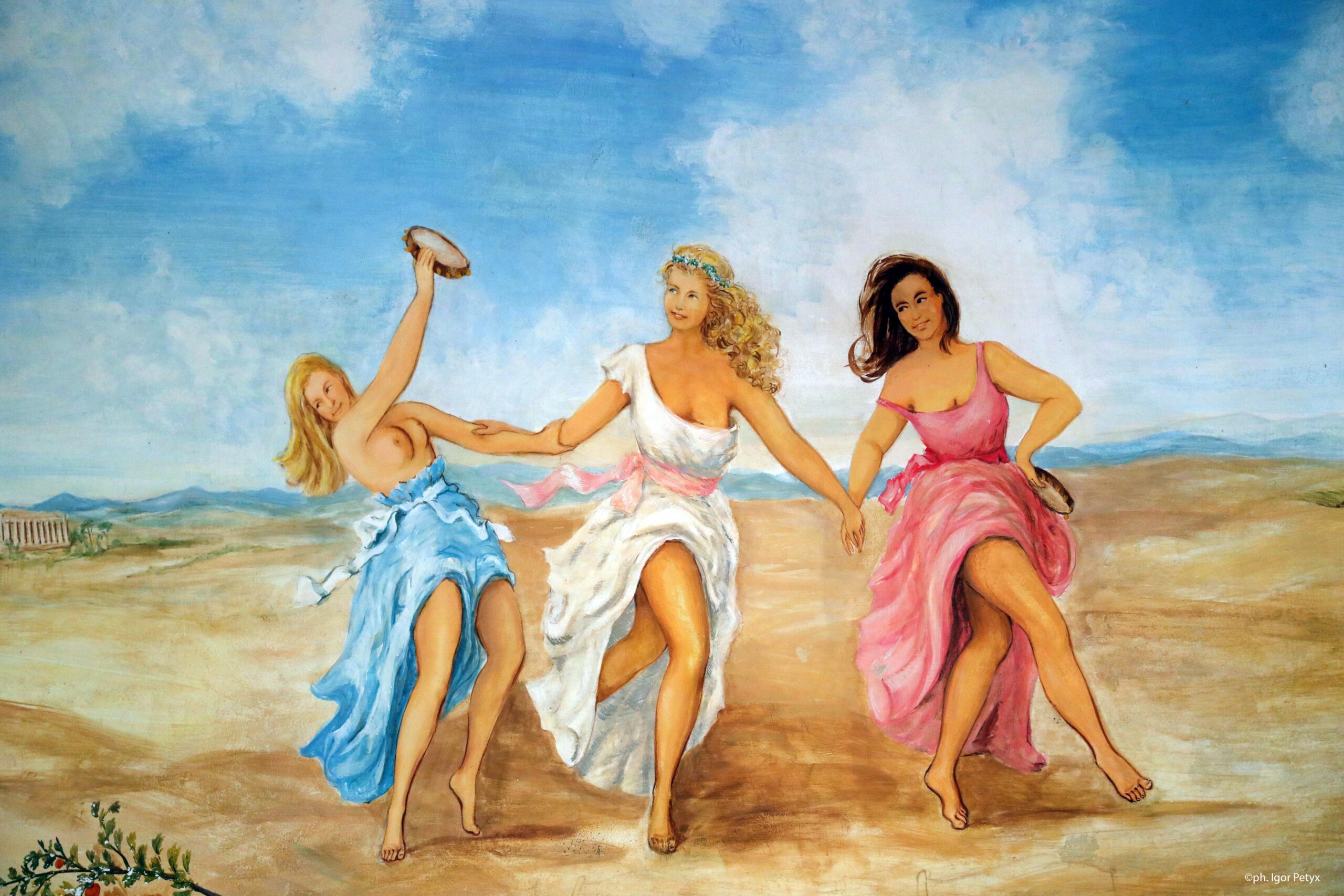 Il Festival Le Vie dei Tesori ritorna nei due borghi di Sambuca e Naro10 settembre 2020
 Le case a 1 euro di Sambuca di Sicilia arrivano sulle tv di Taiwan10 giugno 2019
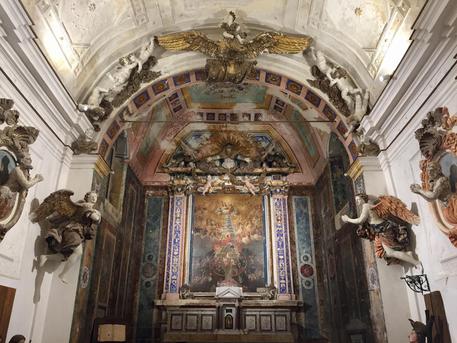 A Sambuca si inaugura il MuDiA, museo di Arte Sacra04 gennaio 2018
 Nelle Terre Sicane tutto pronto per Calici di Stelle09 agosto 2017Sambuca, ‘Borgo dei borghi’ illustra il suo progetto di albergo diffuso16 dicembre 2016