Located along the southwest coast of Sicily, in the province of Agrigento, Sciacca is a town enchanting with its historic charm, deep-rooted folk traditions, and natural beauty. Overlooking the Mediterranean Sea, between Agrigento and Mazara del Vallo, it boasts ancient origins, with traces of settlement dating back to pre-Hellenic times. Subsequently, it was influenced by the Greeks, Romans, Arabs, and Normans. During the Middle Ages, it assumed growing importance, both commercially and militarily, thanks to its strategic location and its port, which served as a hub for maritime trade in the Mediterranean.
The historic center is a maze of alleys and squares where a timeless atmosphere reigns, particularly in the Arab Kasbah, where the streets gradually become narrower and narrower, one of the Arab people's defense strategies against invaders.
Piazza Scandaliato is the starting point: the most beautiful streets wind from here, and from here you can enjoy one of the most beautiful views, with its sea viewpoint.
Among the most notable buildings are the ancient churches, such as the Mother Church dedicated to Maria Santissima del Soccorso, and the civil structures, such as the 14th-century Castello Luna and Palazzo Steripinto, a remarkable example of Renaissance architecture. The medieval walls and gateways, such as Porta Palermo and Porta San Salvatore, tell the story of the city's defensive history.
Sciacca is also known for its Carnival, one of the most celebrated events in Sicily. The parades of allegorical floats, accompanied by music, dance, and colorful masks, enliven the city every year, attracting tourists from all over the island and beyond.
The economy relies on multiple sectors: in addition to tourism, which has assumed an increasingly central role, fishing is also important—with one of the region's busiest ports—crafts, particularly ceramics, and agriculture. Not to be forgotten is the role of the thermal baths, renowned since ancient times for the San Calogero stoves and the sulfur waters with therapeutic properties. In the 1950s, the construction of the Grand Hotel delle Terme and the Monte Kronio spa gave Sciacca's economy a new spa-tourism focus. Today, despite the historic closure of the main complex (the historic spas and the Molinelli pools), the area still offers natural hot springs. A revival is underway with investments to renovate the facilities.
Among the most curious places to discover is the Enchanted Castle: a garden within which thousands of human faces have been carved into the rock. It is not clear why Filippo Bentivegna, the architect, created his works. Today, some of these sculptures are exhibited at the Musée de l’Art Brut in Lausanne. Also worth discovering are the five-senses tours offered by the Ecomuseo Diffuso dei 5 Senses and the
A must-try is the Tabisca saccense, a peasant pizza cooked in a wood-fired oven, with sardines, tomato, pecorino cheese, oregano, and onion.
Sciacca, with its maritime vocation and strong ties to artisanal and gastronomic traditions, is home to a diverse network of local businesses that reflect the authentic soul of the region. At the heart of the city's economic life are the fishermen and their cooperatives, the true protagonists of daily life: every day, near the old port, their boats tell stories of the sea and their nets, delivering fresh catches to fishmongers, restaurants, and city markets. Among the merchants, historic fruit and vegetable shops play a key role in the community, offering seasonal products from the surrounding countryside and keeping the "zero kilometer" tradition alive. Artisanal bakeries and pastry shops are renowned for their leavened products and traditional desserts: fragrant croissants baked at dawn, wood-fired black bread, and dry biscuits for breakfast or convivial tea.
Ceramics are a specialty: artisan workshops shape and decorate plates, vases, and souvenirs with classic and marine motifs, perpetuating ancient techniques in a perfect balance between functionality and aesthetics. Bespoke tailoring and local fashion ateliers perpetuate Sicilian style, reinterpreting traditional fabrics with a contemporary spirit, attracting a discerning and refined clientele. Small sustainable tourism businesses also thrive, offering boat trips, food and wine tours, farm visits, and tasting workshops, guiding visitors through vineyards, olive groves, and citrus fruits. Family-run restaurants and trattorias offer seasonal menus, focusing on the quality of local ingredients: bluefish, caponata, arancini, and cannoli are served with the warmth of Sicilian hospitality.
In the service sector, numerous construction and artisan companies masterfully renovate historic buildings or restore traditional roofs and facades. Local electricians, plumbers, and carpenters guarantee rapid, customized services for homes and businesses. Local startups, born around digital innovation and the circular economy, are also beginning to gain traction, offering consulting, courses, and services related to local marketing, digital craftsmanship, and online promotion. Sciacca's business landscape is thus a mosaic of intertwined activities: from the sea to cuisine, from manual arts to services, all driven by a deep sense of community and a sincere passion for their homeland, making the city's economic fabric rich, diverse, and constantly evolving.
The territory of Sciacca, with a population of approximately 38,749 inhabitants in 2023, shows a balanced distribution between males and females. The territorial area of 191.7163 sq km offers ample opportunities for development and investment. However, it should be noted that the number of unoccupied dwellings as of December 31, 2021 is significant, with 11,784 units, suggesting possible issues in the real estate sector. The presence of foreigners in the municipality is limited, with a total of 868 individuals. Accommodation facilities are mainly concentrated in the 4-star segment, with 625 beds and rooms available. However, the lack of 5-star and luxury facilities could represent an investment opportunity to develop the high-end tourism sector. Tourist accommodation residences have 2 establishments with 279 beds, while the total number of hotels in the municipality is 15, with 2,836 beds available. Other types of accommodation facilities, such as agritourism, bed & breakfasts, and commercially managed rental accommodations, offer further investment opportunities in the tourism sector. From a cultural perspective, Sciacca has 2 museum institutions with 500 visitors in 2020, suggesting potential for the development of cultural tourism. The geographical features of the territory, with altitude ranges from 0-299 to 300-599, also offer opportunities for the development of activities related to nature tourism and hiking. In conclusion, Sciacca presents itself as a territory with potential for development in the tourism and real estate sectors, with investment opportunities to explore especially in the luxury segment and high-end accommodation facilities. The presence of cultural and natural resources, combined with the size of the population and the availability of infrastructure, make the municipality attractive to investors interested in enhancing the local heritage and contributing to the economic and social growth of the area.
Sciacca, a charming coastal town located in the province of Agrigento, Sicily, is a tourist destination rich in charm, history, and tradition. Famous for its thermal baths since Roman times, Sciacca offers a perfect blend of wellness, culture, and natural beauty. The Sciacca Thermal Baths, fed by sulfur springs, attract visitors seeking relaxation and therapeutic treatments. The historic center is a charming maze of alleys, stairways, and ancient buildings, with the splendid Piazza Angelo Scandaliato overlooking a breathtaking view of the Mediterranean Sea.
Among the most interesting monuments is the Luna Castle, built in the 14th century, which recounts centuries of history and dominates the city from above. Equally fascinating is the Cathedral of Maria Santissima del Soccorso, with its imposing Baroque façade and interiors rich in sacred art. Sciacca is also famous for its Carnival, one of the oldest and most vibrant in Sicily, during which allegorical floats parade amidst music, dance, and color, offering visitors an unforgettable experience.
The city also boasts a long tradition of ceramics: artisan workshops display unique and colorful works that reflect the local identity. For sea lovers, Sciacca's beaches, such as those of San Marco, Sovareto, and Capo San Marco, offer crystal-clear waters and pristine landscapes. Nearby are also archaeological sites and nature reserves ideal for hiking and outdoor walks. Sciacca is a destination that enchants with its authenticity, a place where culture, nature, and tradition blend harmoniously, making it an unmissable stop for those wishing to discover the true essence of Sicily.
 Sciacca si candida a Luminous Destinations 202704 agosto 2026
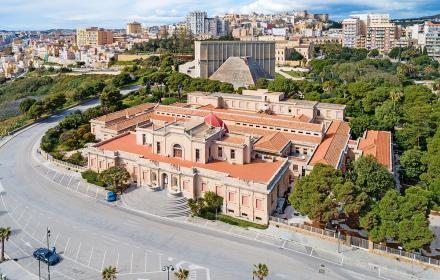 Terme di Sciacca, tutto da rifare? istanza di riesame dalla RTI Massinelli10 luglio 2026
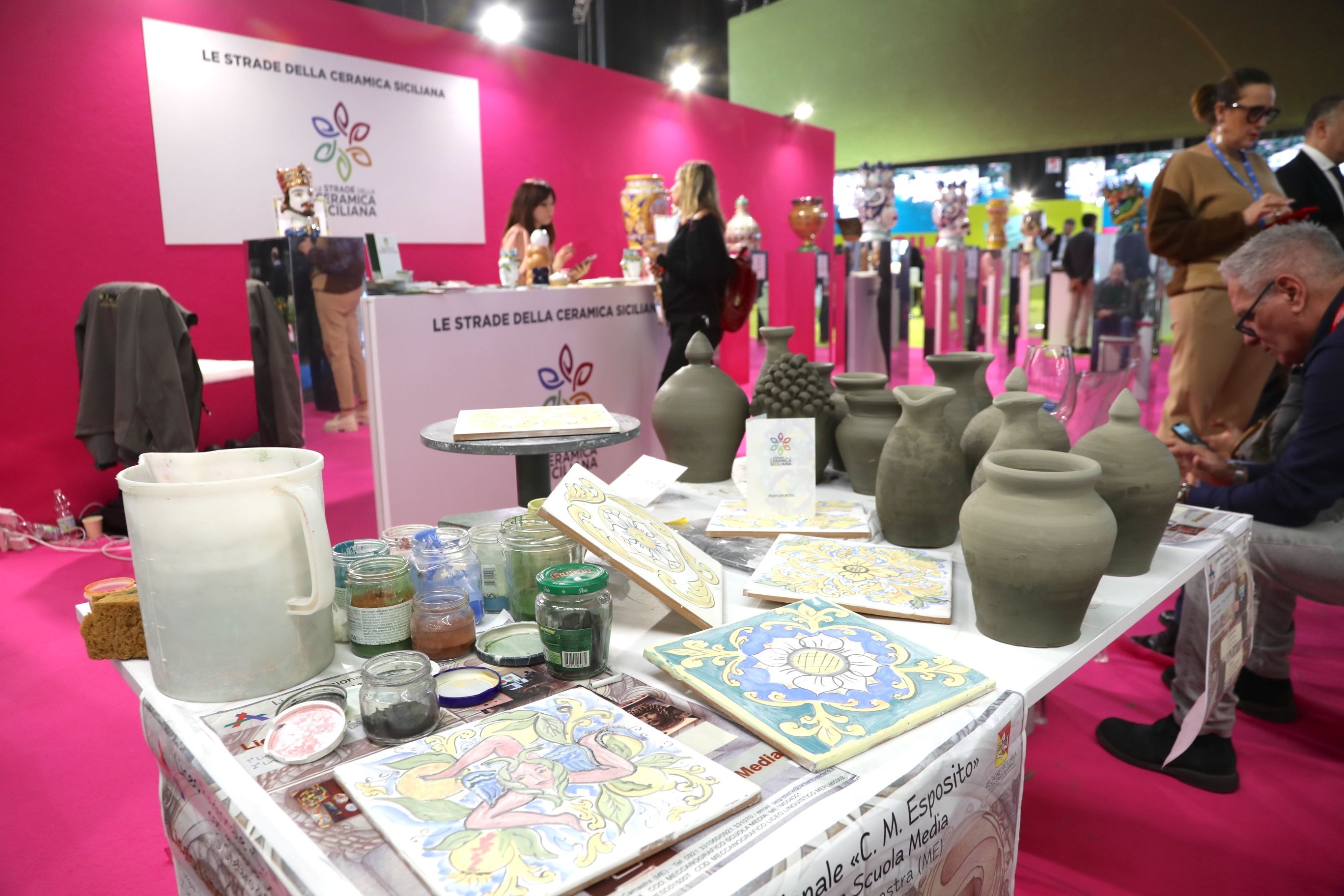 La ceramica siciliana debutta in Usa guardando al turismo esperienziale25 giugno 2026
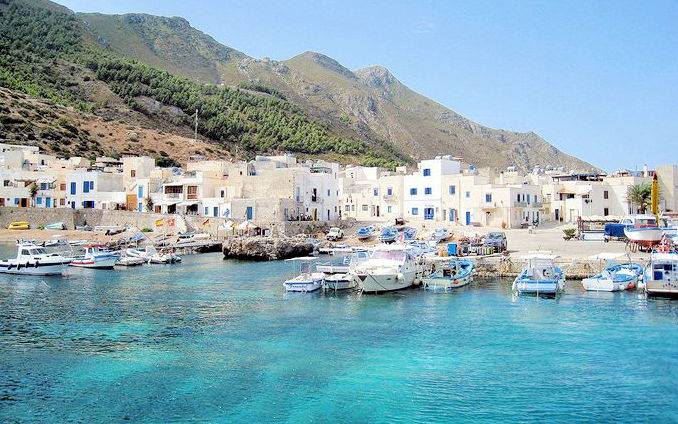 Fsc, oltre 45 milioni per porti e strade siciliane05 giugno 2026
 Incidente mortale per due turisti americani, erano in viaggio di nozze in Sicilia15 maggio 2026
 Sciacca, Castello Luna all’asta a 1.218 euro l’anno05 maggio 2026
 Vivere di Turismo: in Sicilia due tappe dell’AperiTour 202627 marzo 2026
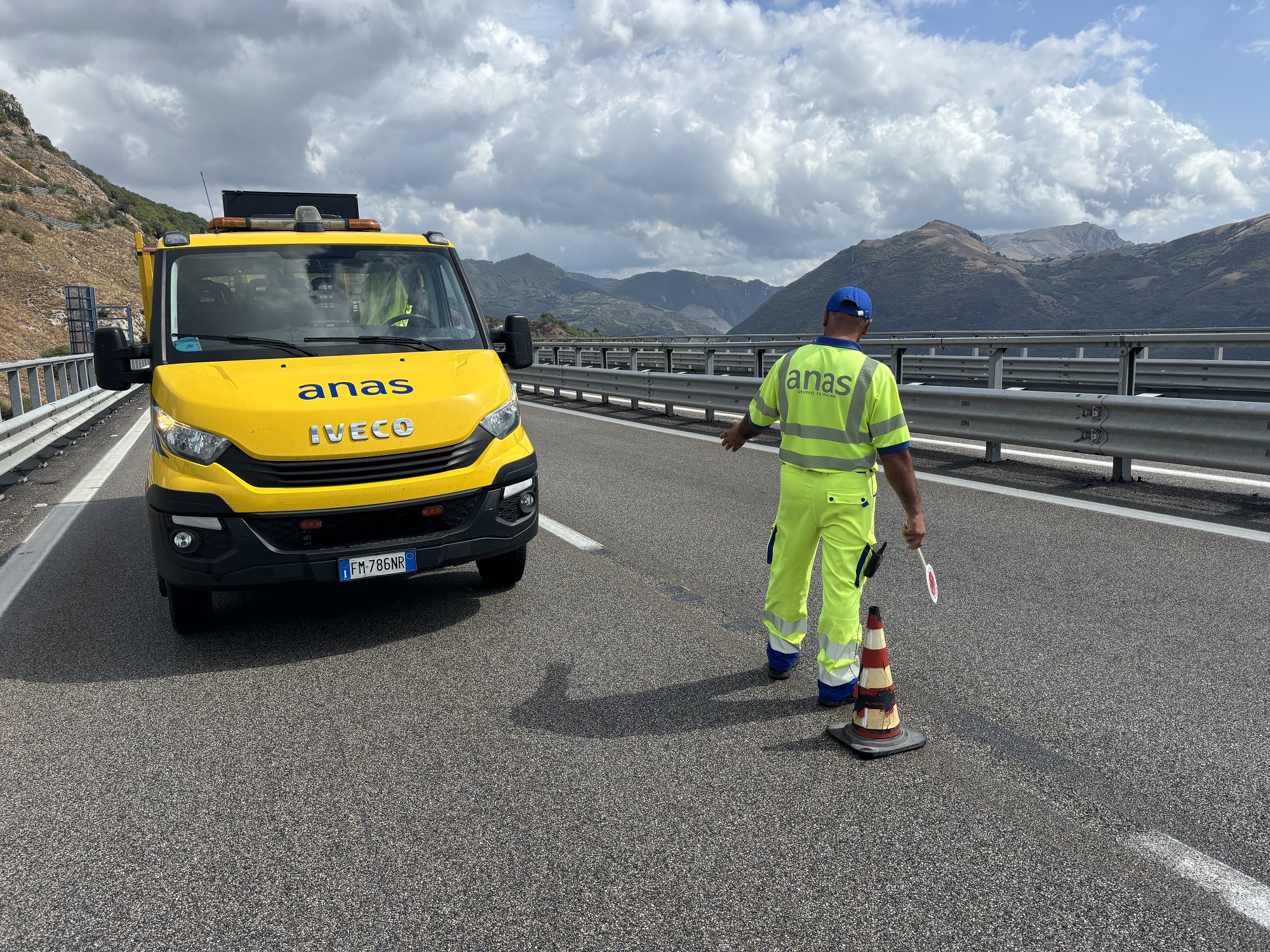 Anas demolirà galleria, traffico deviato a Sciacca per 4 anni27 marzo 2026
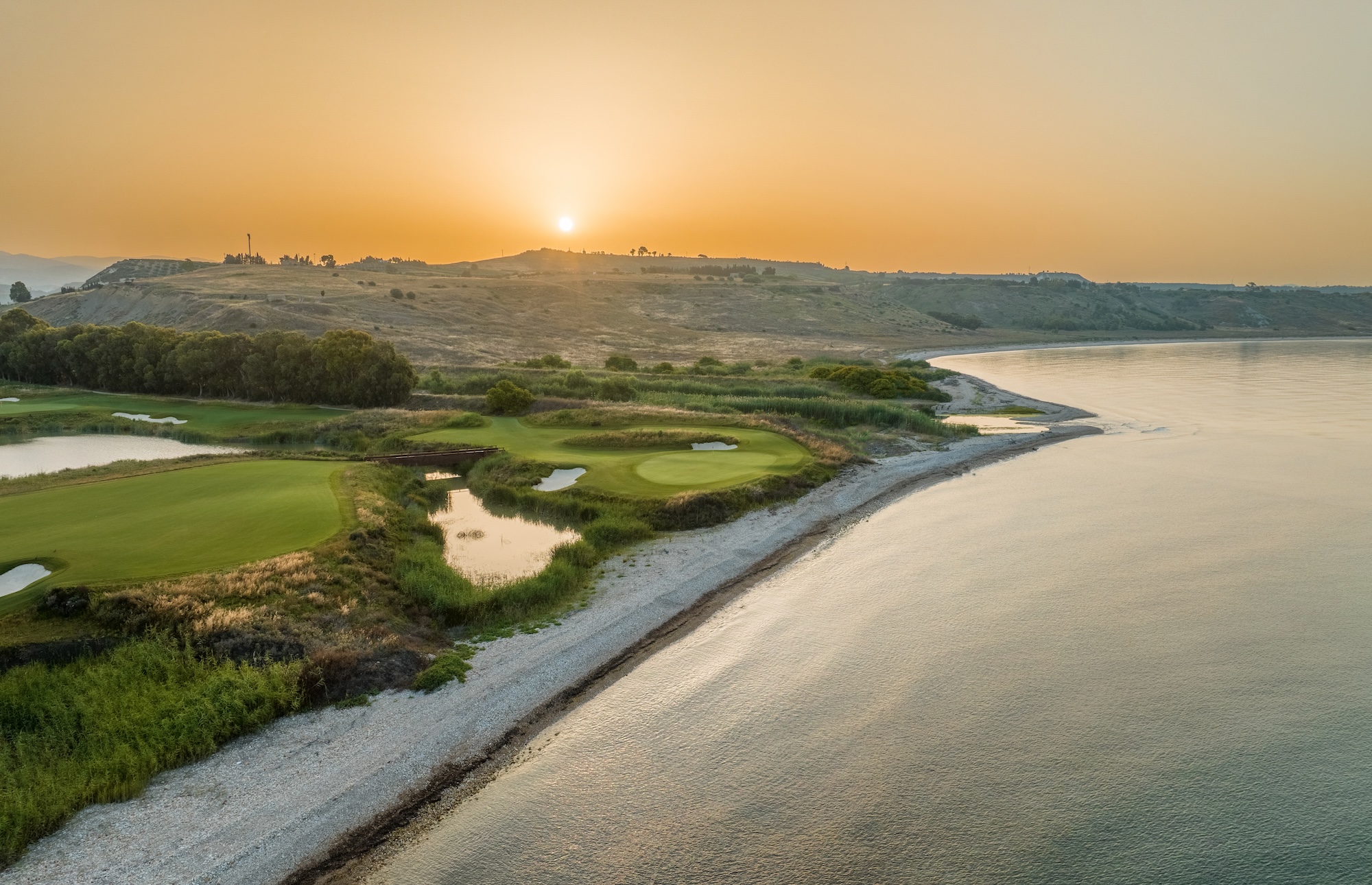 Il Verdura Resort riapre e punta su longevità, silenzio e sport12 marzo 2026
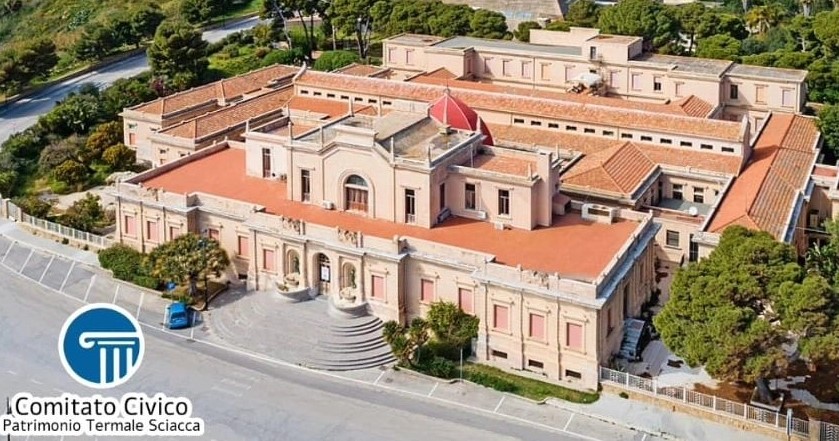 Terme di Sciacca, bando prorogato al 13 aprile25 febbraio 2026