
Butera is a municipality in central-southern Sicily, located in the province of Caltanissetta, with a population of approximately 4,000. The area is strategically located between the hilly hinterland and the coastal strip, offering a particularly beautiful landscape and a typically Mediterranean climate.
The town's origins date back to antiquity and are stratified over time: after the first settlements in the pre-Roman era, the area has been dominated by various civilizations, including the Byzantines, Arabs, and Normans, who have contributed to defining its cultural and architectural identity.
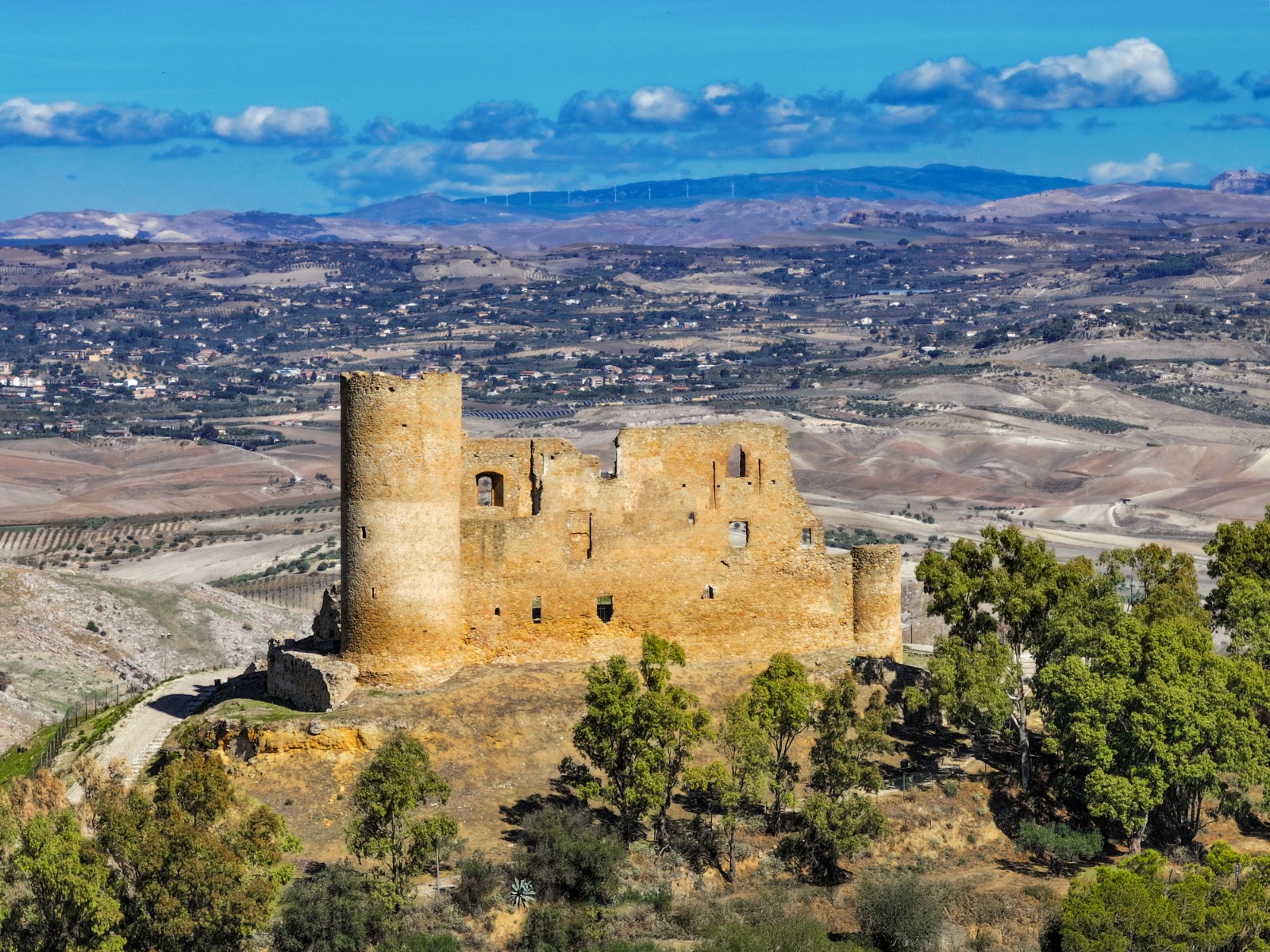
The historic center is characterized by a medieval urban layout, with a system of narrow, intricate alleys and a heritage of stone buildings that testify to the village's long evolution. Of particular note is Butera Castle, an imposing structure of Norman origin that dominates the town from above and represents one of the main historical and identity landmarks of the area.
Local life is closely tied to traditions and seasonal cycles, which are expressed in the numerous popular festivals and food and wine events held throughout the year. Traditional cuisine reflects the richness of Sicilian culture, with typical dishes based on local produce.
The social fabric is characterized by a strong sense of community and a long-standing tradition of hospitality, elements that contribute to a welcoming and authentic atmosphere.
From an economic standpoint, Butera is an important agricultural center, thanks to the fertile soils that allow for the cultivation of cereals, olive trees, vineyards, and citrus fruits. Alongside agriculture, livestock farming and, to a lesser extent, fishing are also important activities.
Butera is therefore a regional context of interest for its combination of historical, cultural, and productive values, offering an authentic image of inland and coastal Sicily.
 Associazione: Anci Sicilia
→
Associazione: Anci Sicilia
→
 Consorzio: Castelli di Sicilia
→
Consorzio: Castelli di Sicilia
→
 Gruppo di Azione Locale: GAL Terre del Nisseno
→
Gruppo di Azione Locale: GAL Terre del Nisseno
→
Butera is a Sicilian municipality where local businesses are the driving force of the economy and contribute to the development of the region. Among the most widespread activities are farms, which produce olive oil, wine, citrus fruits, and other typical products, perpetuating a long agricultural tradition supported by the favorable climate and fertile soil.
In addition to agriculture, the municipality's economic fabric includes numerous shops, artisan workshops, and small family businesses, which offer products and services to the community and visitors, keeping local traditions alive and promoting the local culture.
The tourism sector plays a central role: agritourism, bed and breakfasts, and other accommodations allow visitors to enjoy authentic experiences and savor the authenticity of local products. Manufacturing activities also contribute to economic growth, with the production of ceramics, fabrics, furniture, and other quality products, an expression of artisanal mastery and local know-how.
There's no shortage of service businesses, including restaurants, bars, real estate agencies, and mechanics' workshops, which cater to the needs of the community and tourists, becoming key points of reference thanks to the professionalism and dedication of their owners.
Butera's businesses are the beating heart of the local economy, supporting the development of the area, preserving traditions and culture, and making the town a dynamic and opportunity-rich environment for those who wish to invest or live in contact with nature and the local community.
The Butera area, with a population of 2,039 inhabitants in 2023, is characterized by its small population size but extensive land area of nearly 300 km². The presence of foreigners is limited, with only 122 residents. As of December 31, 2021, there were 6,332 housing units, but a significant portion—4,449 units—were unoccupied.
From a tourism perspective, the area offers a reasonable supply of accommodations. There are 5 hotels with 1,123 beds and 373 rooms, one tourist-residential facility with 253 beds and 60 rooms, and 3 bed & breakfasts with a total of 23 beds.
The territory's elevation is predominantly between 300 and 599 meters above sea level, covering 34.94% of the total area, while other altitude ranges are scarcely represented.
Economically, Butera presents interesting investment opportunities in the tourism sector, thanks to its accommodations and wealth of natural and cultural resources. However, the high number of unoccupied homes poses a potential challenge for real estate development.
Butera is a territory with growth potential in tourism and hospitality, requiring targeted interventions to enhance available resources and reduce vacant housing. Investors could find significant opportunities in the hotel and accommodation sector, fully leveraging the area’s scenic and cultural beauty.
Butera is a charming Sicilian town offering numerous historical, cultural, and natural attractions. Among its most iconic sites is Butera Castle, a majestic Norman fortress dominating the surrounding hillside, offering spectacular views of the sea and countryside.
The Mother Church is also of great historical and artistic interest, where you can admire valuable works of art and frescoes that tell the story of the town. For nature lovers, the Foce del Fiume Platani Nature Reserve is a protected oasis, ideal for hiking or cycling among the local flora and fauna.
The town's cultural heritage also includes the Archaeological Museum, which houses artifacts and testimonies of the ancient history of Butera and Sicily, allowing visitors to immerse themselves in the region's age-old traditions.
Finally, the local cuisine completes the visitor experience: fresh seafood dishes such as pasta with sardines and fried fish, accompanied by renowned local wines, particularly Nero d'Avola, make Butera an unmissable destination for those who want to experience authentic Sicily.
In short, Butera combines history, art, nature, and gastronomy, offering a complete and authentic experience to its visitors.
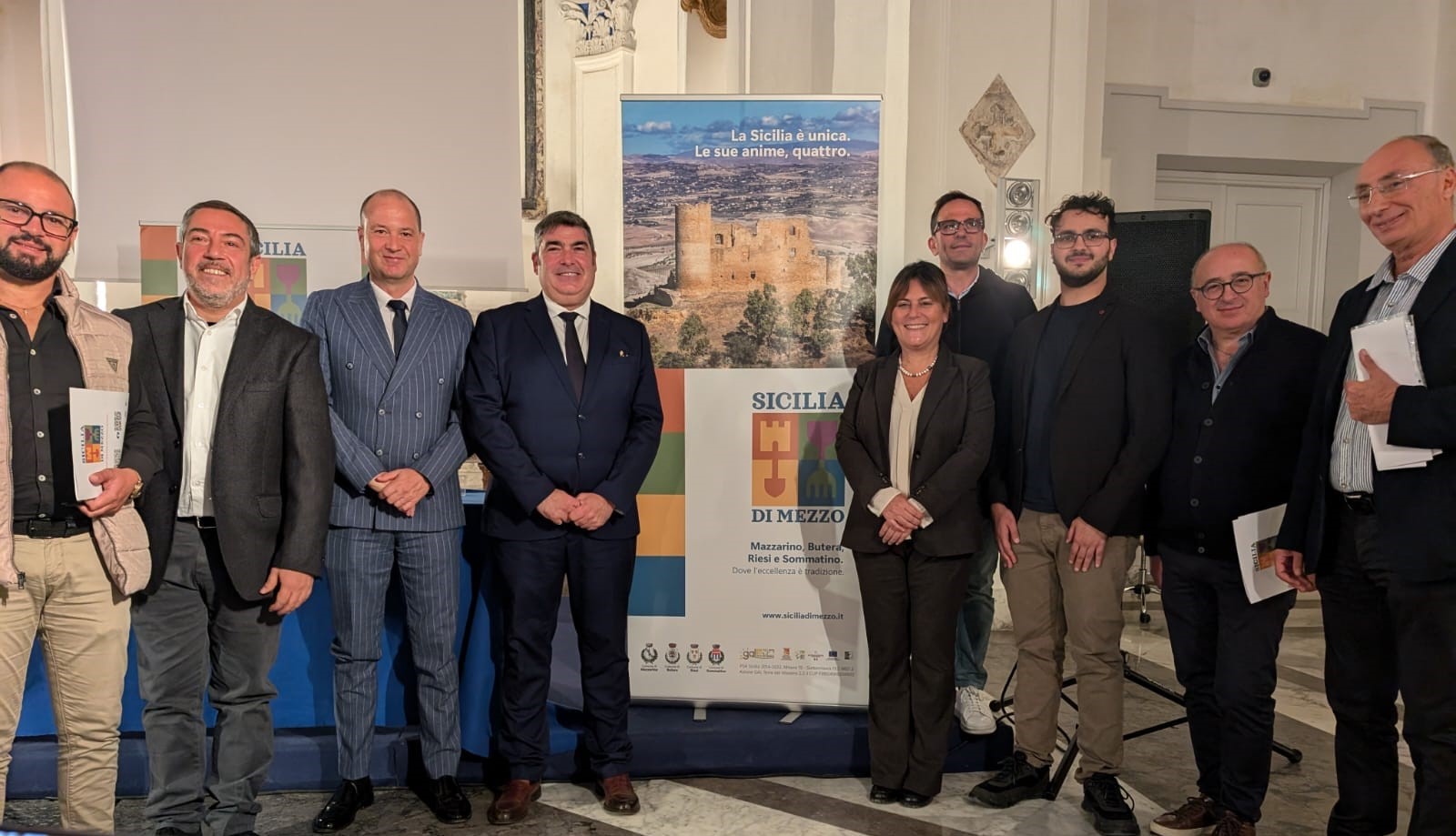 Dalla promozione turistica alla destinazione: l’esperimento di 4 Comuni nisseni29 ottobre 2025
 Tra castelli e zolfo 3 eventi per la nuova destinazione dell’entroterra16 ottobre 2025
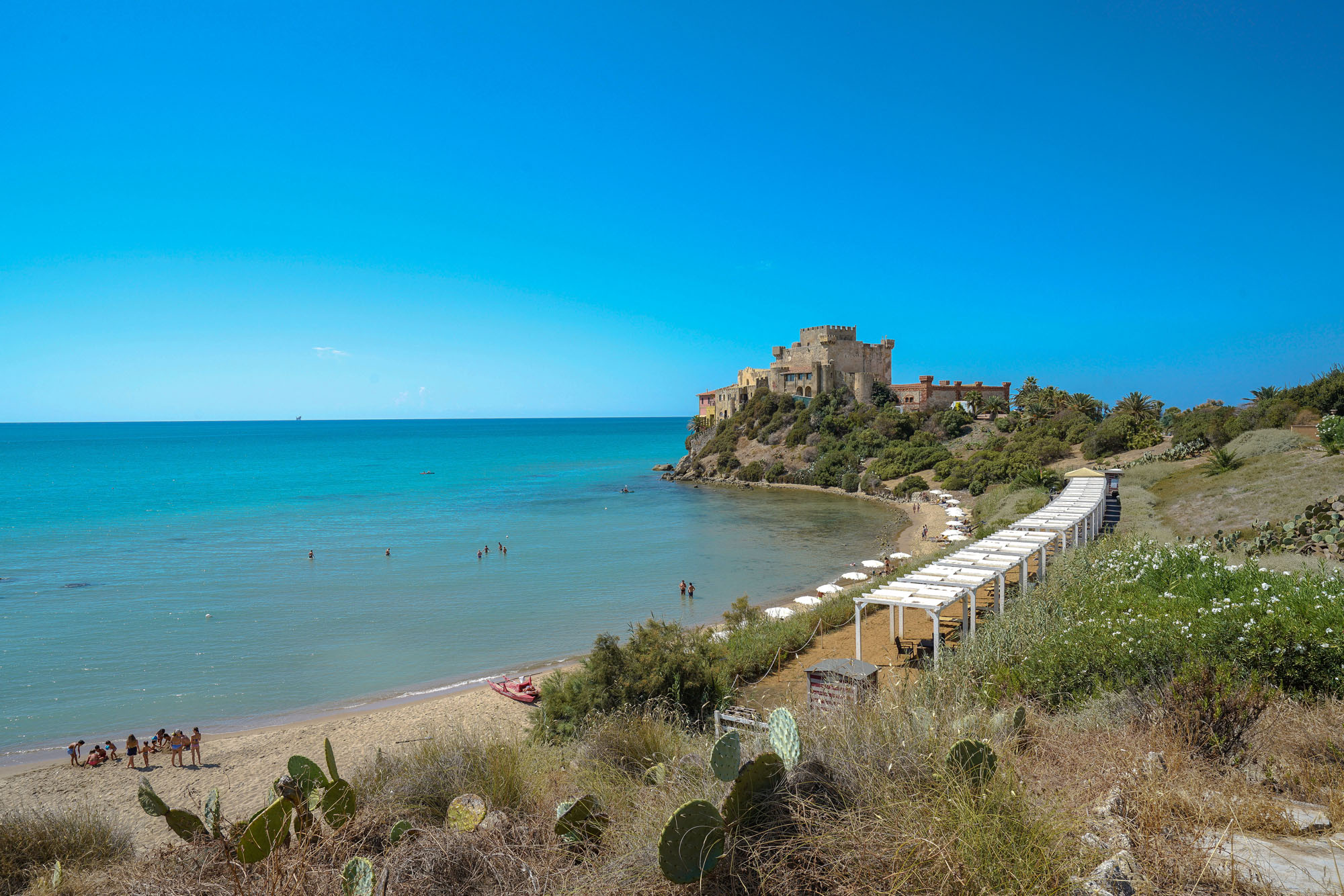 Sospesa l’attività del Falconara Resort di Butera03 novembre 2021
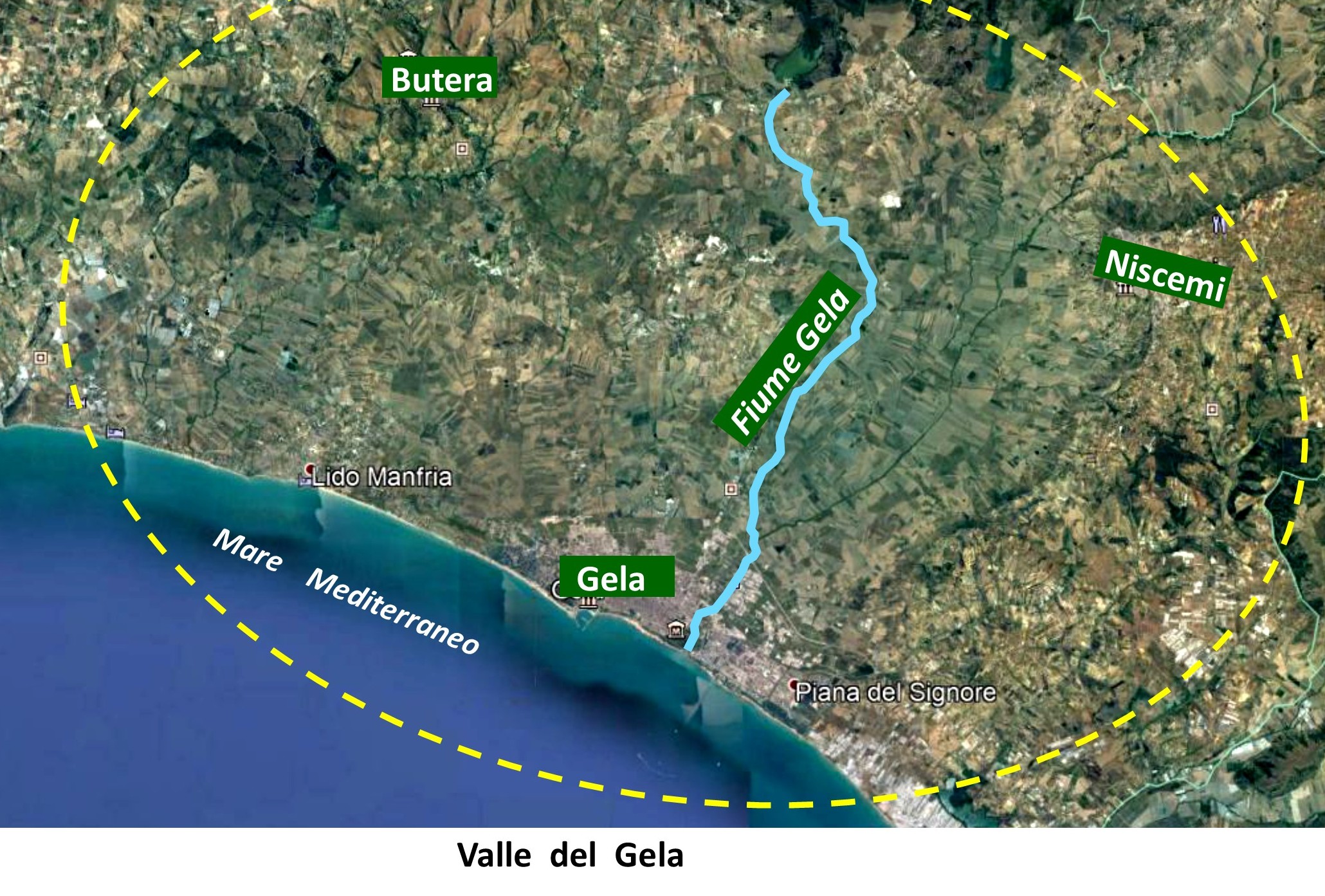 La Valle del Gela e la sfida della candidatura a patrimonio dell’Unesco 18 ottobre 2019La Valle del Gela si candida a sito Unesco09 luglio 2019
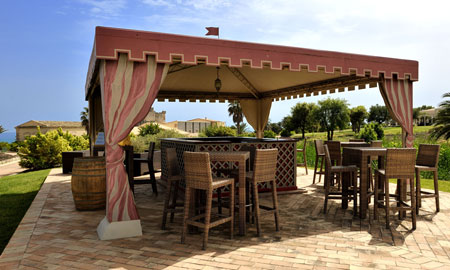 Al Falconara Resort un’immersione tra profumi e sapori16 luglio 2016