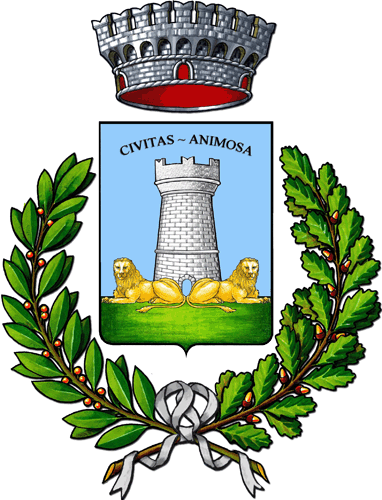
Castiglione di Sicilia is a municipality in the province of Catania, located on the slopes of Mount Etna. With approximately 3,000 inhabitants, the town is nestled among hills and vineyards that stretch to the horizon.
The historic center features narrow cobbled streets and ancient stone houses, testimony to the village's long history. Historic churches and buildings reflect the community's cultural and religious importance over the centuries.
Local cuisine includes traditional dishes prepared with fresh, quality ingredients. The wines produced in the area are renowned for their characteristics derived from the vineyards cultivated on fertile soil and a favorable climate.
The inhabitants of Castiglione di Sicilia are known for their hospitality, evident in the festivals and celebrations that enliven the town throughout the year. The community maintains its traditions, passed down from generation to generation.
The surrounding area offers opportunities for hiking and trekking, with expansive views and a variety of flora and fauna, making the town suitable for those seeking tranquility and contact with nature.
Castiglione di Sicilia is a municipality with a long history, renowned local cuisine, and a well-preserved natural environment, allowing visitors to fully experience the area.
 Associazione: Anci Sicilia
→
Associazione: Anci Sicilia
→
 Associazione: Borghi più belli d'Italia
→
Associazione: Borghi più belli d'Italia
→
 Gruppo di Azione Locale: GAL Terre dell'Etna e Alcantara
→
Gruppo di Azione Locale: GAL Terre dell'Etna e Alcantara
→
The municipality of Castiglione di Sicilia boasts a diverse business landscape, primarily composed of small and medium-sized businesses active in agriculture, crafts, and tourism. Many of these businesses are family-run, closely tied to local traditions and culture.
Agriculture is a central sector of the municipality's economy, supported by fertile soil and a favorable climate. Numerous farms cultivate typical Sicilian products, including citrus fruits, olives, grapes, and vegetables, while viticulture is particularly important, with vineyards producing quality local wines.
Local crafts are another important resource, with workshops and laboratories producing ceramics, textiles, woodwork, and wrought iron. Local artisans preserve ancient techniques passed down from generation to generation.
Tourism contributes significantly to the municipality's economy, thanks to its natural landscapes and historical and cultural heritage. Over the years, various tourism businesses have emerged, including accommodations, restaurants, guides, and recreational activities. Agritourism is one of the most popular experiences for visitors, who can experience rural life and taste typical local products.
Castiglione di Sicilia's businesses stand out for the quality of their products and services, their focus on sustainability, and their respect for tradition. The passion of its entrepreneurs contributes to the economic growth of the area, preserving its identity and promoting Sicilian culture.
The municipality of Castiglione di Sicilia is small, with a population of approximately 2,889 in 2023, evenly distributed between men and women. The municipal area covers approximately 118,902 km², with a good number of homes, approximately 71% of which are occupied and 29% unoccupied.
From a tourism perspective, the municipality offers a diverse range of accommodations: 18 establishments, including hotels, agritourisms, bed & breakfasts, and other non-hotel options, for a total of 610 beds. The lack of luxury accommodations and campsites, however, may limit its appeal to a more discerning segment of visitors.
The presence of foreign residents is limited, with only 138 individuals. The variety of altitudes, from 300 to 2,499 meters above sea level, offers potential for the development of activities related to nature tourism and hiking.
From an economic perspective, Castiglione di Sicilia can benefit from investments in the tourism sector, enhancing the area's natural and cultural resources. The presence of museums and cultural institutions offers further opportunities to attract visitors interested in local history and traditions.
Castiglione di Sicilia offers interesting opportunities for tourism development, with opportunities to build high-quality accommodations and enhance its natural and cultural resources, provided that services and infrastructure are enhanced to attract a more diverse and discerning clientele.
Situated at the foot of Mount Etna, the municipality of Castiglione di Sicilia boasts a significant historical and cultural heritage. Among its main attractions is Lauria Castle, a 13th-century fortress overlooking the Alcantara Valley and offering sweeping views of the surrounding landscape.
Also noteworthy are the Chiesa Madre, dedicated to San Nicola di Bari, with its sacred artworks, and the Chiesa di San Pietro, featuring a Baroque façade and a Norman-style bell tower.
For nature lovers, the area offers the opportunity to explore the Etna Park, with panoramic trails and local flora and fauna. From the park, excursions can be organized to the highest active volcano in Europe, admiring unique landscapes and natural scenery.
Those wishing to delve deeper into the food and wine tradition can visit local wineries, tasting Etna wines accompanied by typical products such as cheeses, cured meats, and traditional desserts.
The Alcantara Gorges are a natural attraction of great interest: this canyon, formed by ancient lava flows and shaped over time by the river, offers hiking, swimming in the river, and observation of the characteristic rock formations.
Castiglione di Sicilia combines historical, natural, and cultural elements, offering visitors diverse experiences and the opportunity to discover local traditions and natural scenery.
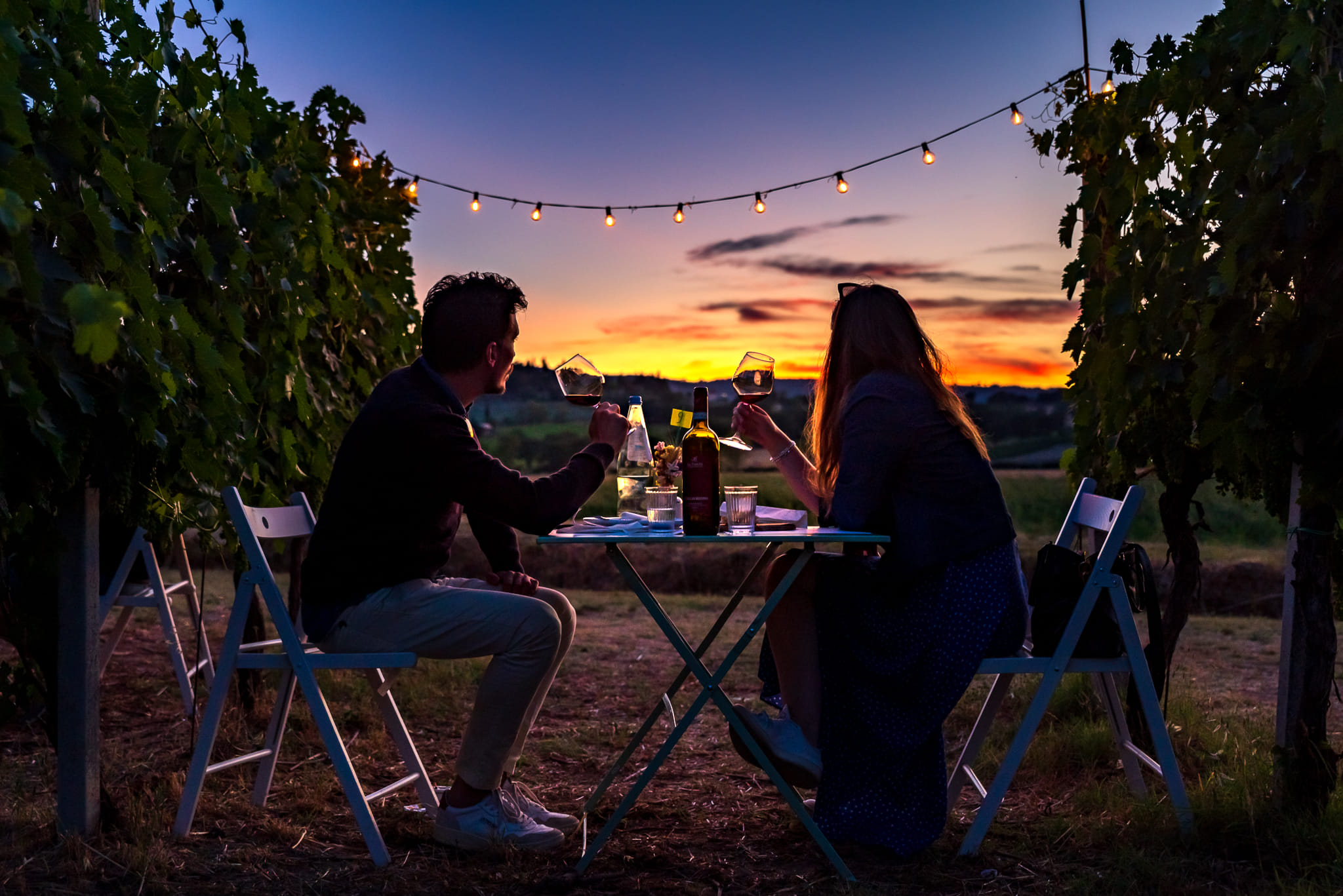 Torna Calici di stelle, la Sicilia del vino diventa un viaggio24 luglio 2026
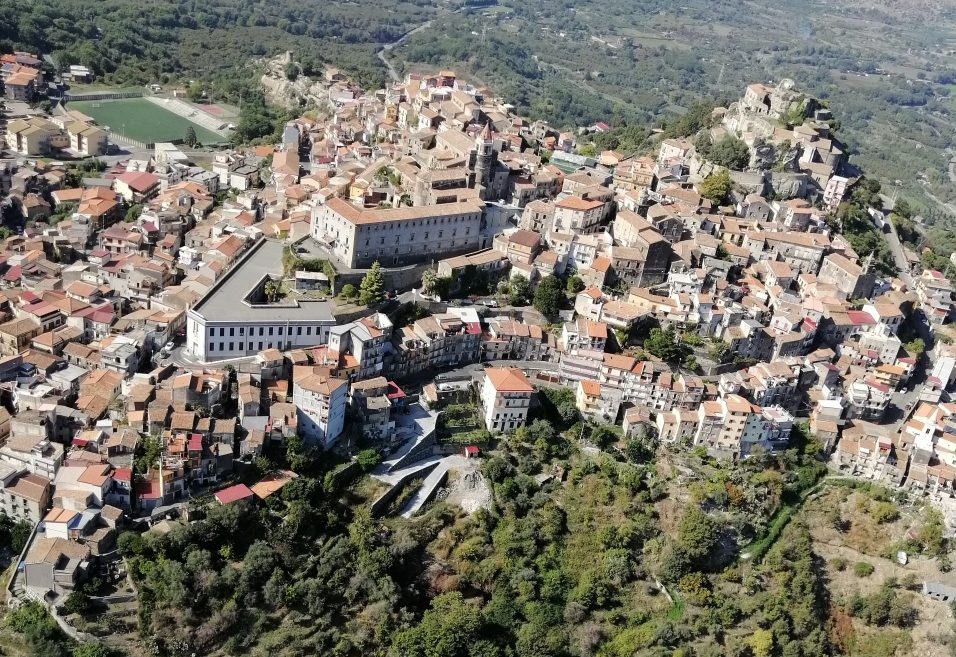 Castiglione di Sicilia celebra la Notte Romantica19 giugno 2026
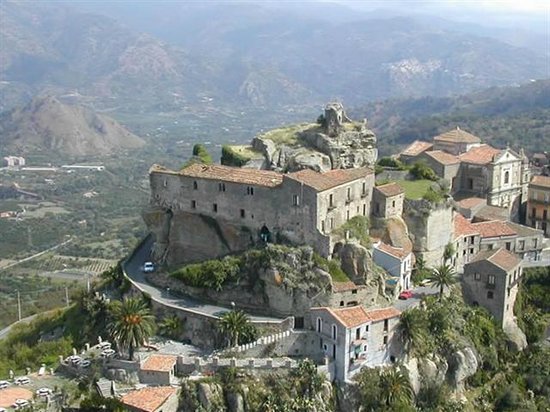 Castiglione, un workshop per dare vita al Museo virtuale del vino18 febbraio 2026
 Enoturismo in crescita sull’Etna: vola Castiglione10 novembre 2025
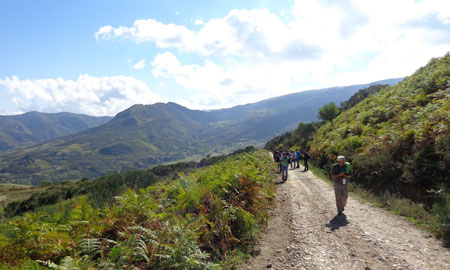 Cammina natura: un weekend di escursioni guidate in tutta la Sicilia16 ottobre 2025
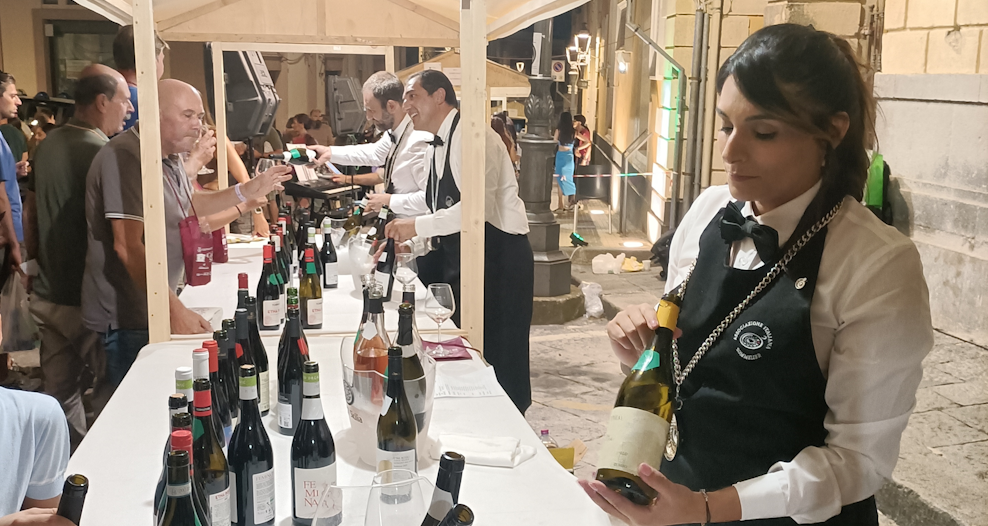 Calici di Stelle protagonista nel borgo di Castiglione di Sicilia07 agosto 2025
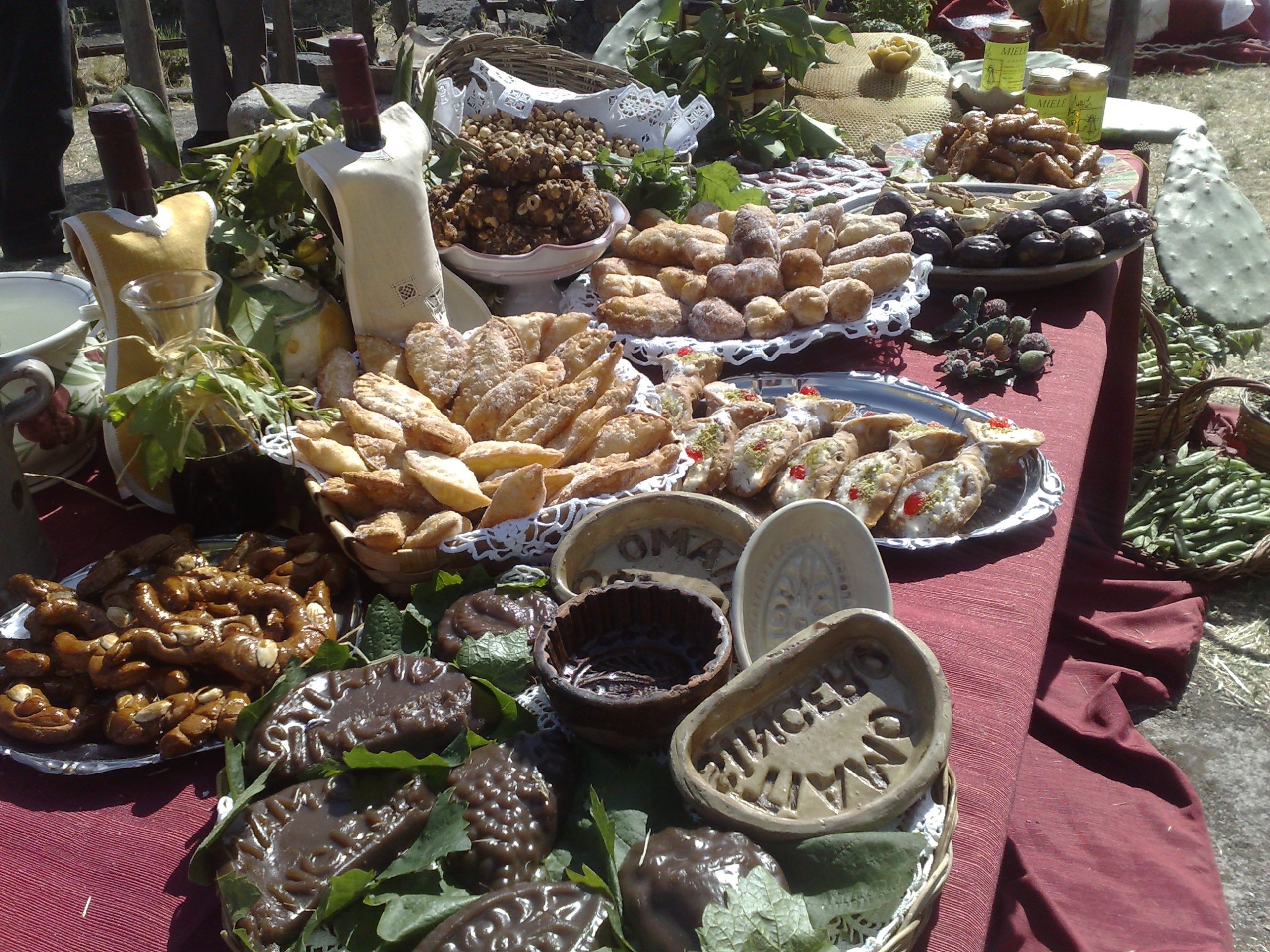 Un tour tra i sapori e le ricette di Castiglione di Sicilia06 dicembre 2024
 A Castiglione di Sicilia occhi puntati sul turismo delle radici25 novembre 2024
 Al via concorso fotografico sul binomio vino-vulcano23 novembre 2024
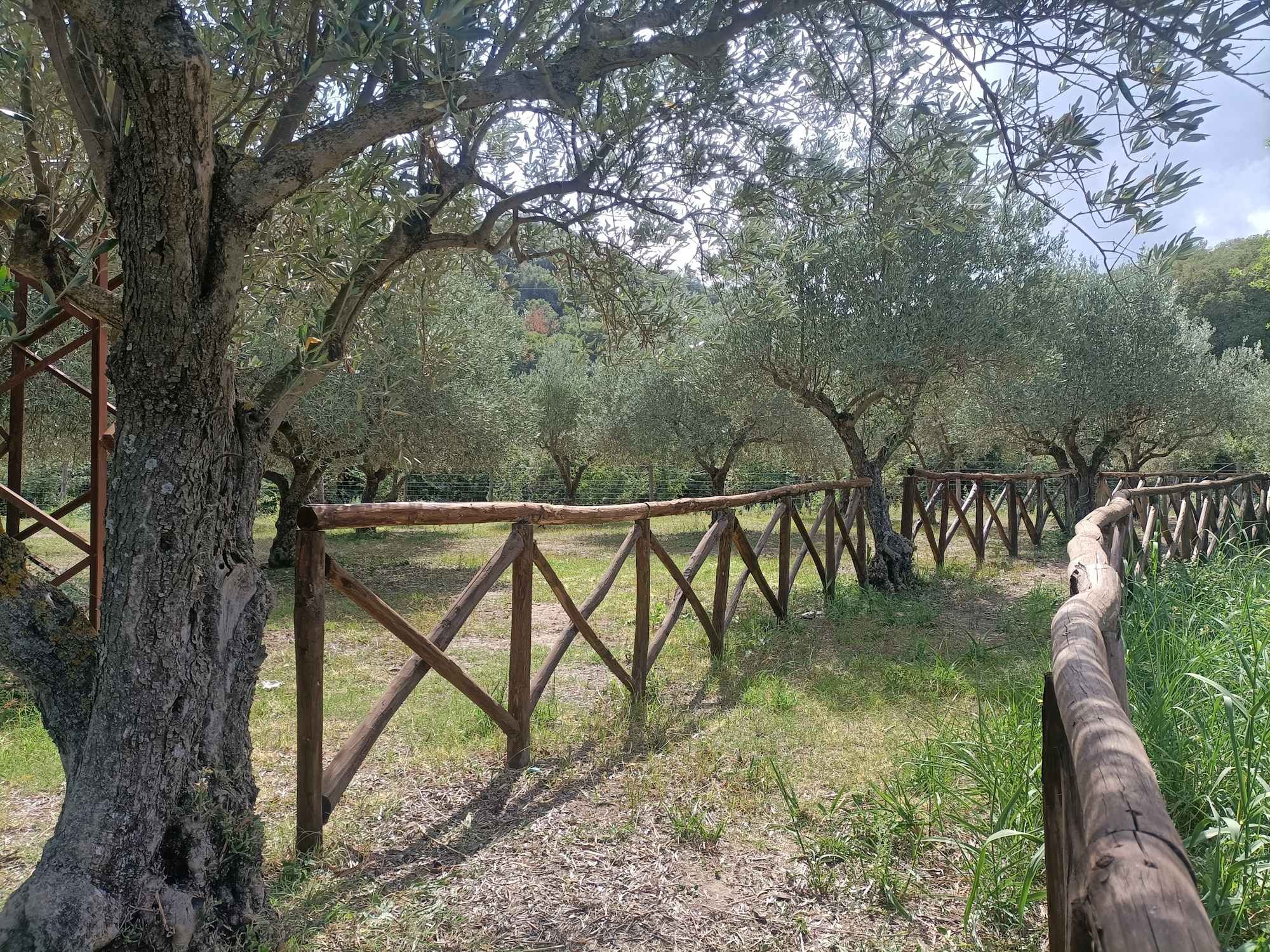 Camminata tra gli olivi nel Parco Fluviale dell’Alcantara24 ottobre 2024