Ispica is a municipality located in the province of Ragusa, Sicily. Its history dates back to antiquity, with traces of settlements dating back to prehistoric times. Over the centuries, the city has been dominated by various powers, including the Greeks, Romans, Arabs, and Normans, who have left an indelible mark on its architecture and culture.
The historic center of Ispica is characterized by an intricate maze of narrow, winding streets, typical of medieval Sicilian architecture. Houses are often decorated with wrought-iron balconies and dark wooden doors, lending the town a charming and romantic atmosphere. Numerous churches and historic buildings enrich Ispica's artistic and cultural heritage, testifying to the rich and varied influences that have shaped its identity.
Ispica is also famous for its pristine beaches and its wild, unspoiled nature. The coastline alternates between long stretches of golden sand and sheer cliffs, offering breathtaking landscapes and a wide variety of natural habitats. The Vendicari Nature Reserve, located near Ispica, is a true paradise for nature lovers, with its salt flats, sand dunes, and marshes that are home to a rich fauna and flora.
Ispica's cuisine reflects its multicultural history, with dishes that expertly combine ingredients and culinary techniques from diverse traditions. The intense and authentic flavors of Sicilian cuisine blend with Arab, Spanish, and French influences, creating a unique and unforgettable gastronomic experience.
Ispica is a city that enchants and surprises, captivating visitors with its evocative beauty and authenticity. A place where time seems to have stood still, allowing you to immerse yourself in a magical and timeless atmosphere, far from the hustle and bustle of modern life. A trip to Ispica is an experience that will leave a mark on the heart of anyone lucky enough to discover this hidden gem of Sicily.
Ispica is a Sicilian town rich in local businesses that actively contribute to the local economy. Among the most common are artisan workshops, specializing in woodworking, ceramics, and wrought iron. These workshops produce unique, high-quality objects that reflect local traditions and culture.
Farms are another important resource for Ispica's economy. The area is renowned for the production of high-quality olive oil, thanks to the numerous olive groves that extend across the surrounding hills. Farms also produce wine, citrus fruits, and other typical Sicilian products, which are exported worldwide.
Commercial activities are well represented in the town, with numerous shops offering a wide range of local and international products. Ispica is known for its weekly markets, where you can purchase fresh produce directly from local producers. Furthermore, the town hosts several fairs and events throughout the year, attracting visitors from across the region.
Tourism businesses play a key role in Ispica's economy, thanks to the presence of numerous accommodations, restaurants, and tourist services. The town is a destination for tourists wishing to discover the area's natural and cultural beauty, and local businesses are ready to welcome them with professionalism and hospitality.
Finally, service businesses are present throughout the town, offering a wide range of services, from cleaning and building maintenance to legal and tax advice. These businesses contribute to the well-being of the local community and meet the needs of residents and visitors.
In conclusion, Ispica's local businesses are a key element of the economy and community life, contributing to the valorization of the area's traditions and resources. Thanks to their dedication and passion, these businesses contribute to making Ispica a unique and welcoming place, where history and modernity blend in a fascinating mix.
The territory of Ispica, with a population of around 16,350 inhabitants in 2023, covers an area of 113.6602 sq km. The gender distribution shows a slight prevalence of males over females, with 8,405 men and 7,945 women. The presence of foreigners in the municipality is 2,038 individuals, with a majority of males over females. As of December 31, 2021, there were 6,854 occupied dwellings and 6,754 unoccupied, for a total of 13,594 housing units. The accommodation facilities in the area include hotels of various categories, farmhouses, bed & breakfasts, and other non-hotel establishments, totaling 50 accommodation facilities and 1,731 beds. From a tourism perspective, Ispica offers interesting opportunities for investors in the hotel and non-hotel sector, with a variety of structures already present in the area. However, the lack of luxury facilities could represent an investment opportunity for those looking to target a more exclusive market segment. The geographical and morphological characteristics of the territory, with a predominance of altitude bands between 0 and 299 meters, make it suitable for the development of activities related to nature tourism and agritourism. Furthermore, the presence of museums and cultural institutions offers additional opportunities to enhance the historical and artistic heritage of the municipality. In conclusion, Ispica presents itself as a territory with interesting potential for investors in the tourism and hospitality sector, with the possibility of developing new structures and services to accommodate an ever-increasing number of visitors. Diversification of the tourism offer, investment in healthcare infrastructure, and enhancement of the local cultural heritage are key elements to ensure the success of new development projects in the area.
Ispica, a charming Sicilian town, is a place rich in charm and history, where art, nature, and tradition blend in an irresistible mix that captures the hearts of anyone fortunate enough to visit.
Its most extraordinary and unique attraction is the immense Cava d'Ispica, a deep river valley that cuts across the Hyblaean plateau for thirteen kilometers. It is not a simple gorge, but a veritable city in the rock, a monumental archaeological site continuously inhabited for millennia, from prehistoric times until the 1693 earthquake. Exploring the Cava means taking a journey through time, discovering prehistoric necropolises, early Christian catacombs, rock-hewn oratories, and monastic hermitages carved into the rock.
Inside the Cava, you can visit incredibly evocative places, such as the Larderia catacombs, a vast underground cemetery, and ancient rock churches such as the Grotta di Santa Maria and the Grotta di San Nicola, the latter also known as the Grotta della Madonna, which preserves traces of Byzantine frescoes. Finally, the Forza Archaeological Park preserves the remains of the ancient settlement, destroyed by the earthquake.
The modern historic center, rebuilt after the earthquake, is a triumph of Sicilian Baroque. Here stands the magnificent Basilica of Santa Maria Maggiore, an architectural jewel housing an extraordinary cycle of frescoes and overlooking a scenic semicircular porticoed square, designed by architect Vincenzo Sinatra. This church is the heart of one of the most heartfelt celebrations of Sicilian Holy Week.
For nature lovers, Ispica offers a coastline of exceptional beauty. Its coast, with the beaches of Santa Maria del Focallo and Ciriga, is renowned for its fine sand dunes and crystal-clear waters, ideal for relaxing and soaking up the sun. The nearby Irminio River Mouth Nature Reserve, though splendid, belongs to a different area, while Ispica's true natural oasis is its quarry.
In short, Ispica is a destination that offers an unforgettable dual experience: on the one hand, the magnificence of Baroque art, on the other, the mystery of an ancient rock civilization, all framed by a spectacular sea.
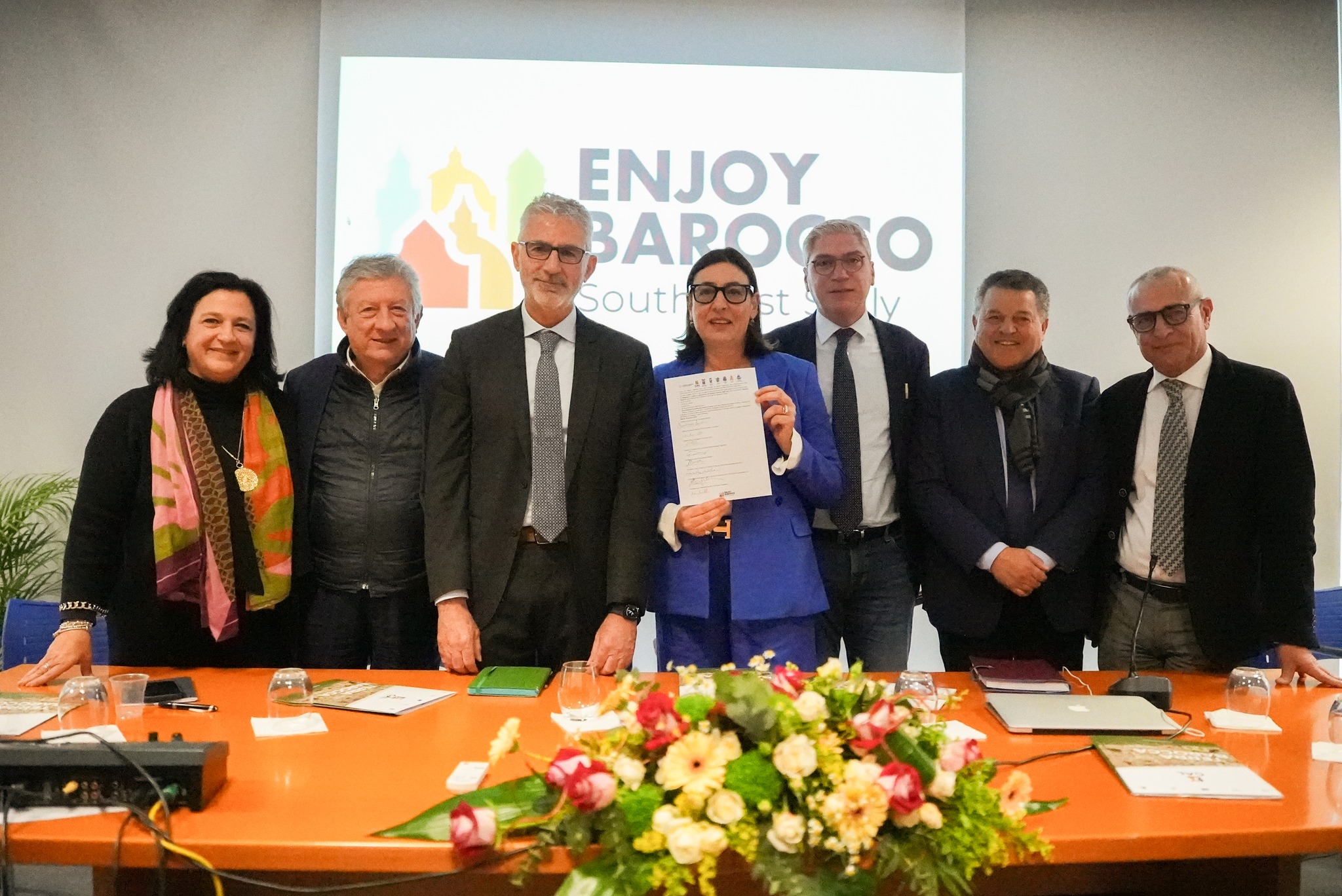 Svolta per il turismo ibleo: verso una DMO pubblico-privata12 gennaio 2026
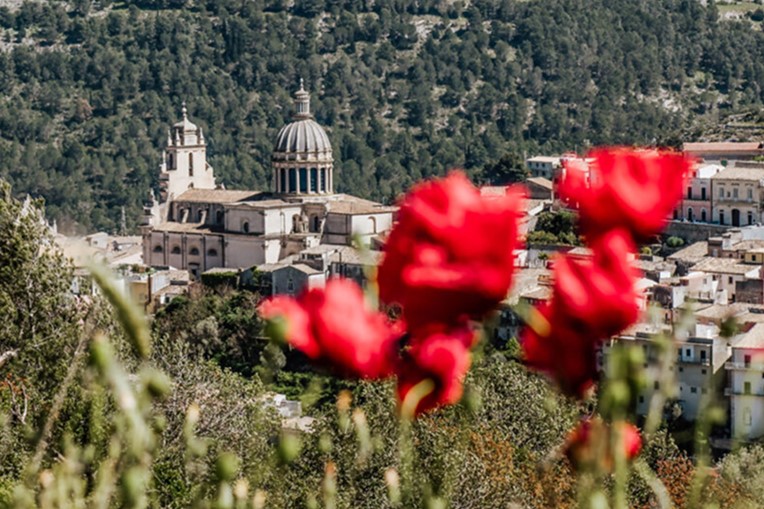 Enjoy Barocco DMO, 5 incontri online su futuro assetto02 dicembre 2025
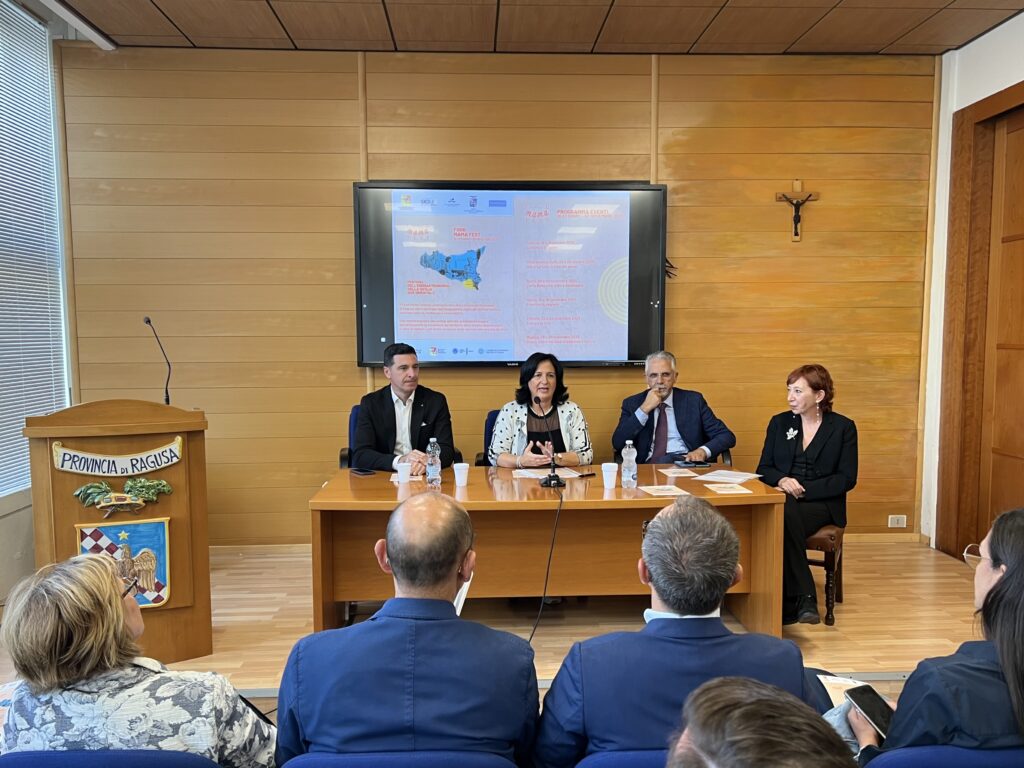 6 città in 6 weekend: nel ragusano al via il Food Mama Festival17 ottobre 2025
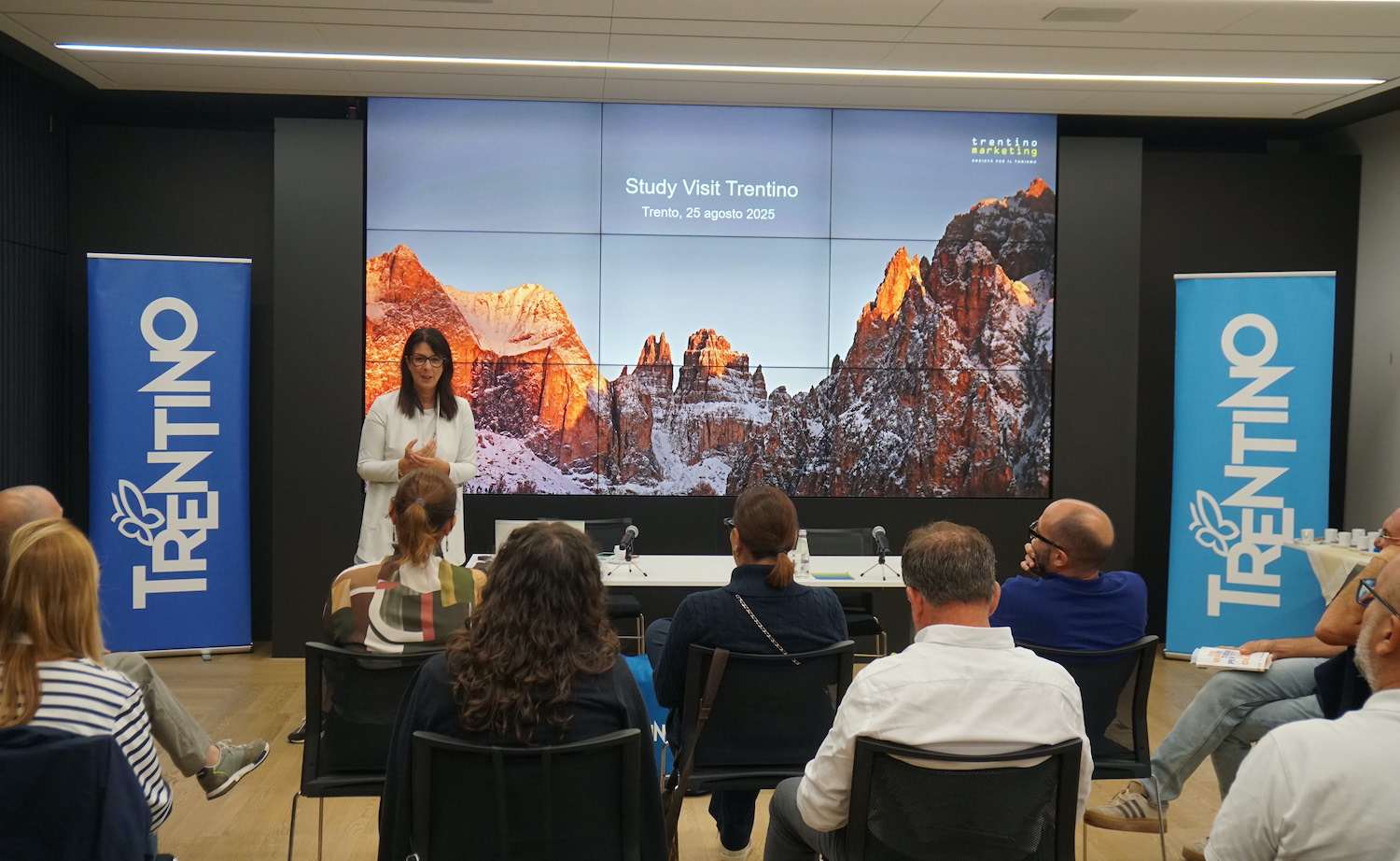 Il modello Trentino per rilanciare il turismo ibleo03 settembre 2025
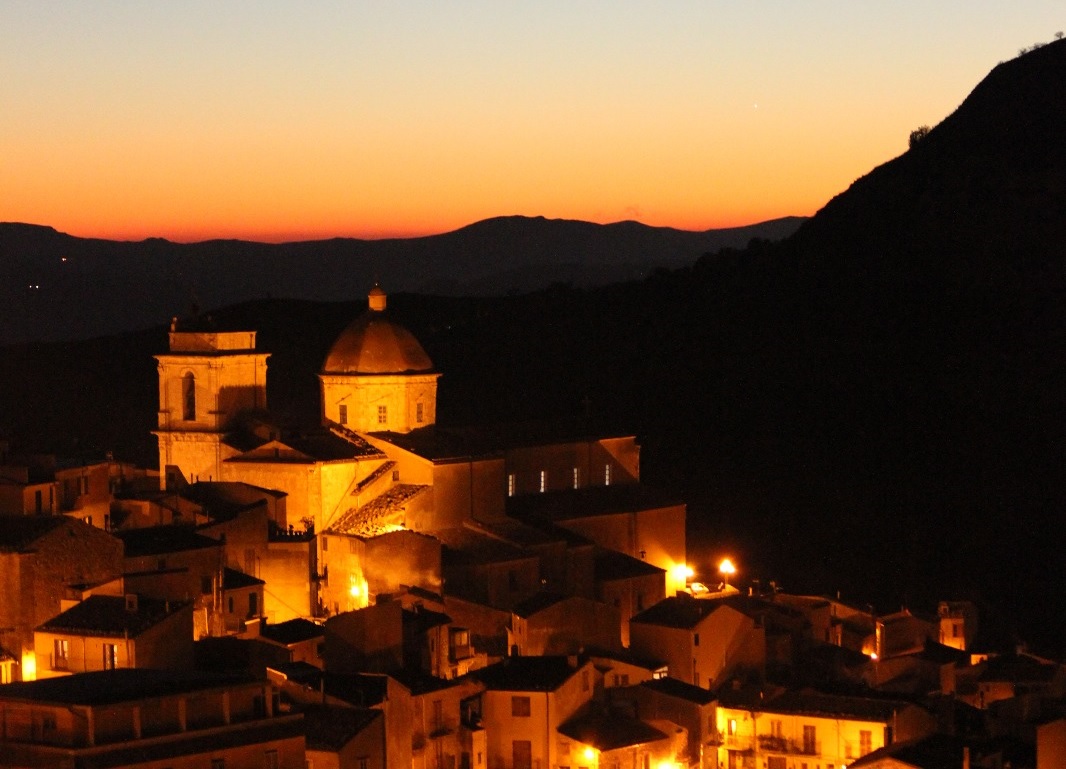 Al via Le Notti di BCsicilia: 50 eventi per valorizzare il territorio22 luglio 2025
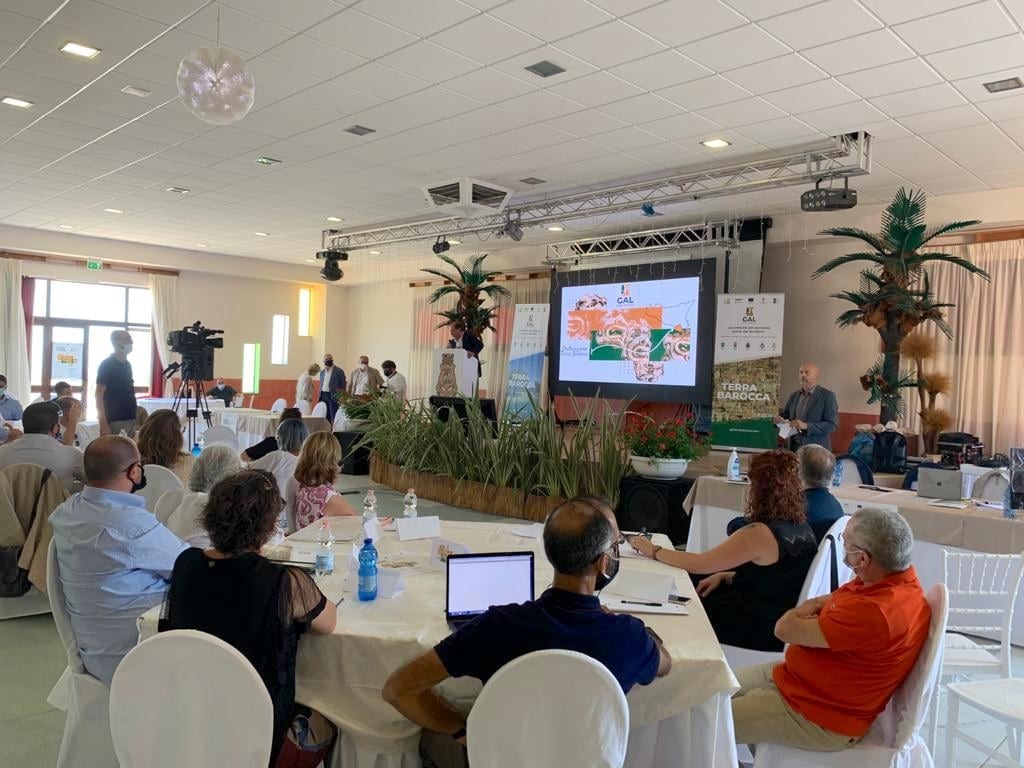 Il Sud-Est siciliano a caccia dei nuovi mercati esteri18 luglio 2025
 14 Bandiere Blu in Sicilia nel 2025: 2 new entry e 2 esclusi13 maggio 2025
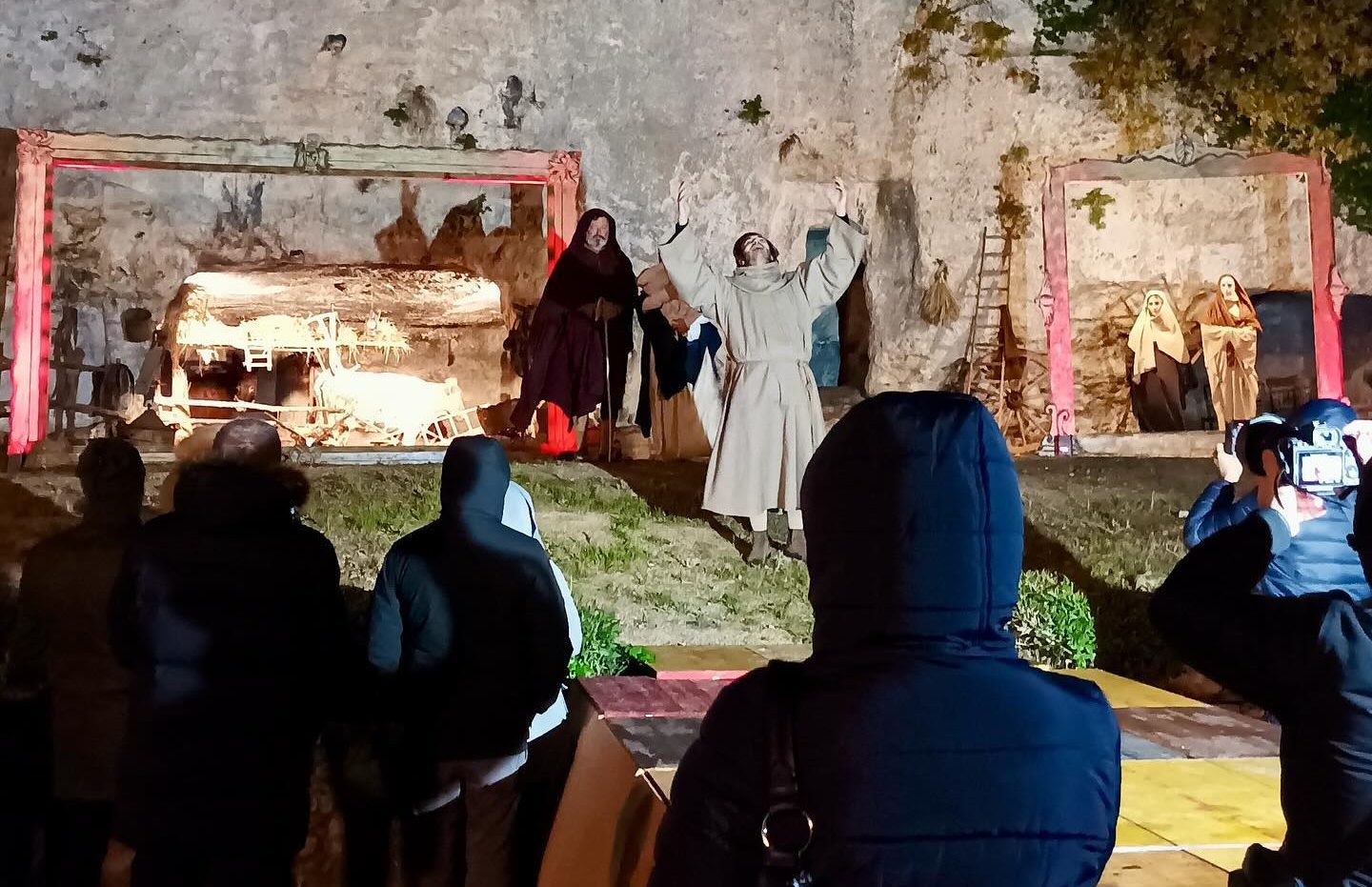 A Ispica il Presepe vivente raddoppia18 dicembre 2023
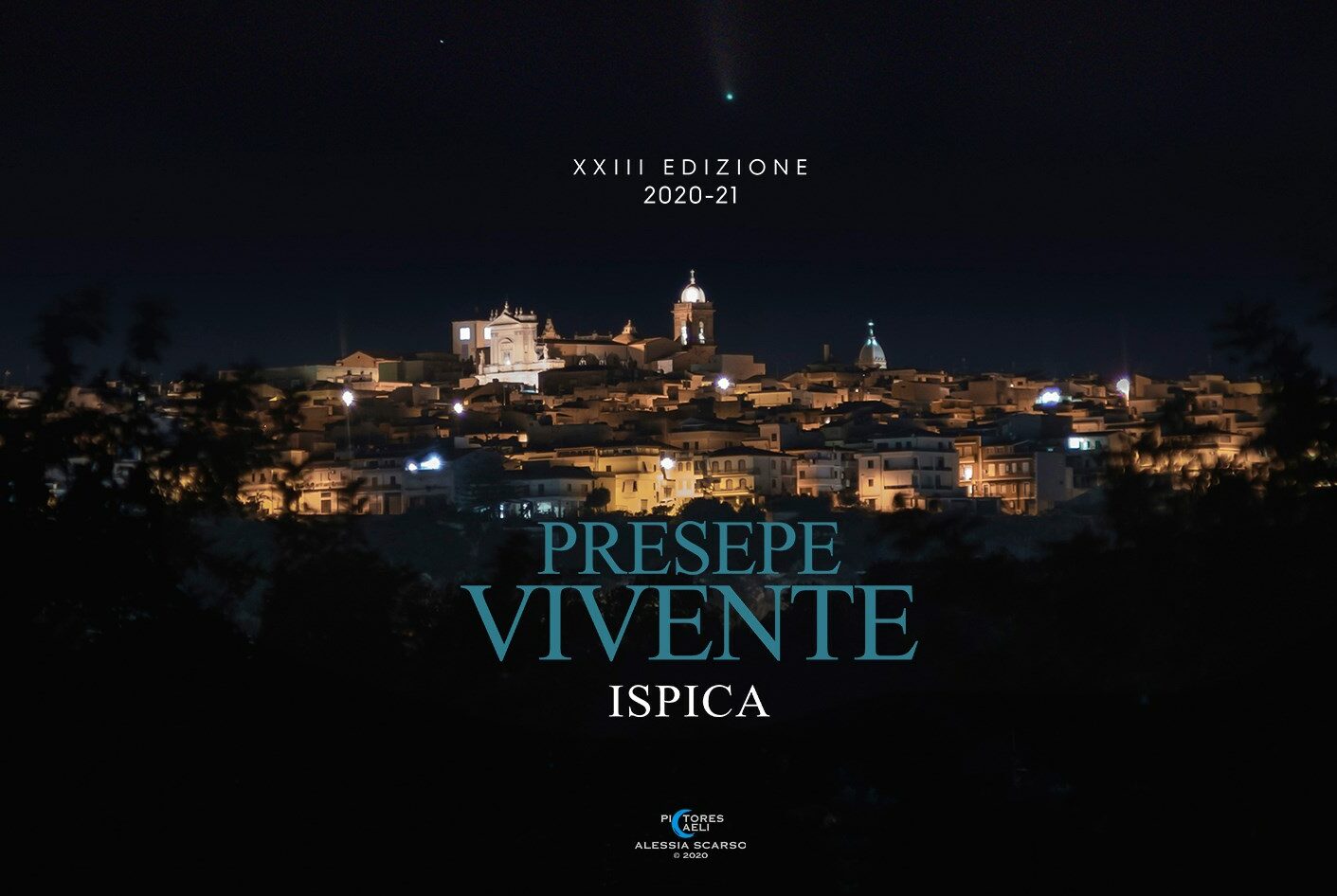 5 date per il Presepe vivente di Ispica: biglietti in vendita solo online04 dicembre 2021
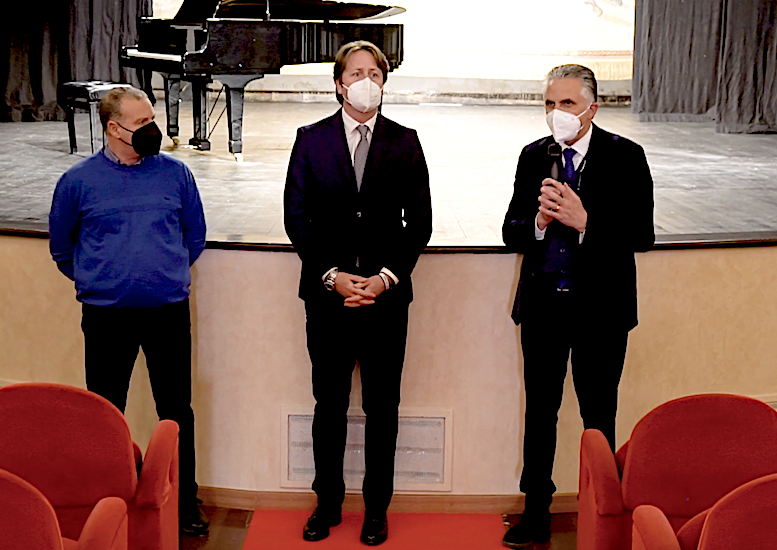 5 comuni danno vita alla destinazione turistica ‘Enjoy Barocco’15 marzo 2021