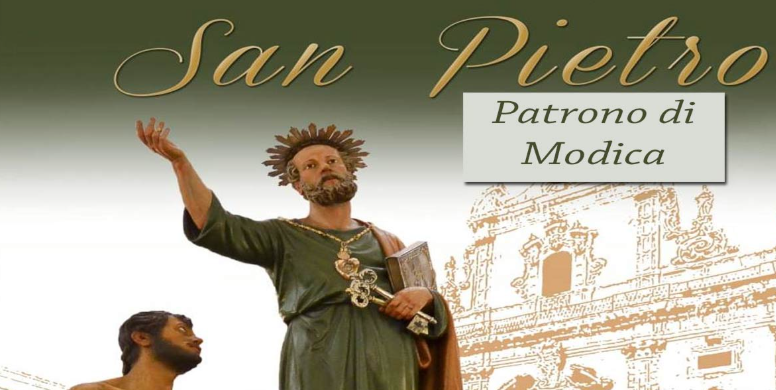
Modica è una città siciliana situata nel sud-est dell’isola, appartenente al libero consorzio comunale di Ragusa. Conta oltre 53.000 abitanti e si distingue per la sua storia millenaria, le suggestive architetture barocche e una posizione geografica unica, che la vede adagiata su un altopiano solcato da profonde gole, chiamate localmente “cave”.
Le origini di Modica risalgono alla preistoria, come testimoniano le numerose grotte e necropoli presenti nel territorio. Nel corso dei secoli, la città è stata abitata da Sicani, Fenici e Siculi, assumendo un ruolo di rilievo già in epoca antica. Fino al XIX secolo, Modica fu la capitale di una vasta contea che esercitò un’importante influenza politica, economica e culturale sulla Sicilia sud-orientale.
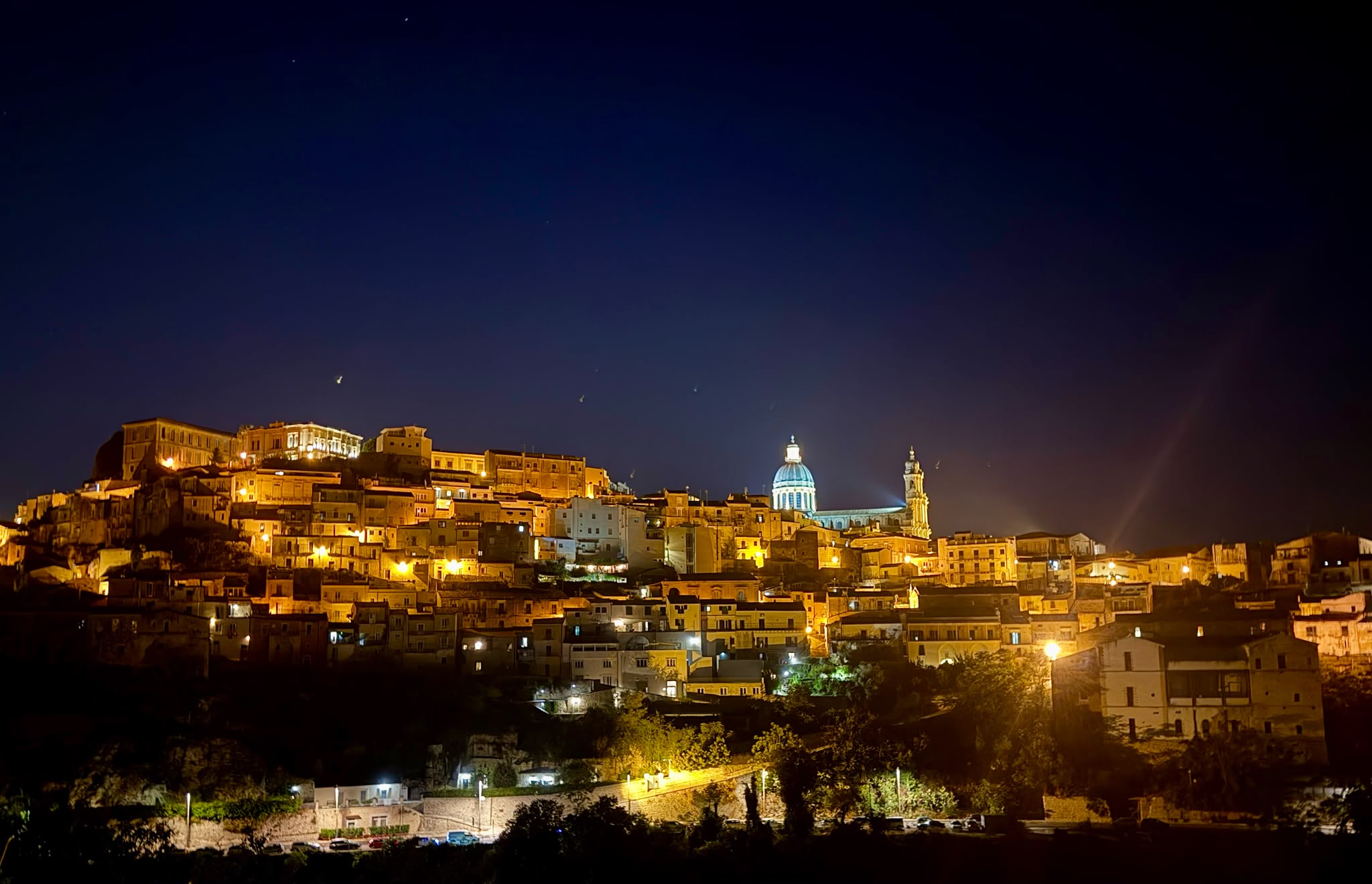
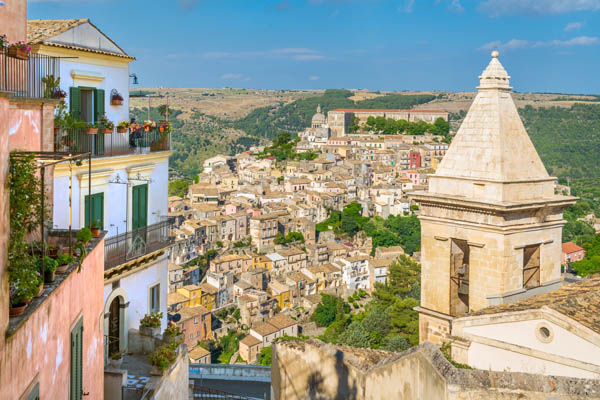
Il centro storico di Modica si sviluppa su quattro colline – Pizzo, Idria, Giacanta e Monserrato – separate da due torrenti, oggi coperti, che un tempo alimentavano numerosi mulini ad acqua. La particolare morfologia urbana, con le case addossate le une alle altre e incastonate nella roccia, conferisce alla città un aspetto scenografico e unico, che ha suscitato l’ammirazione di viaggiatori e poeti.
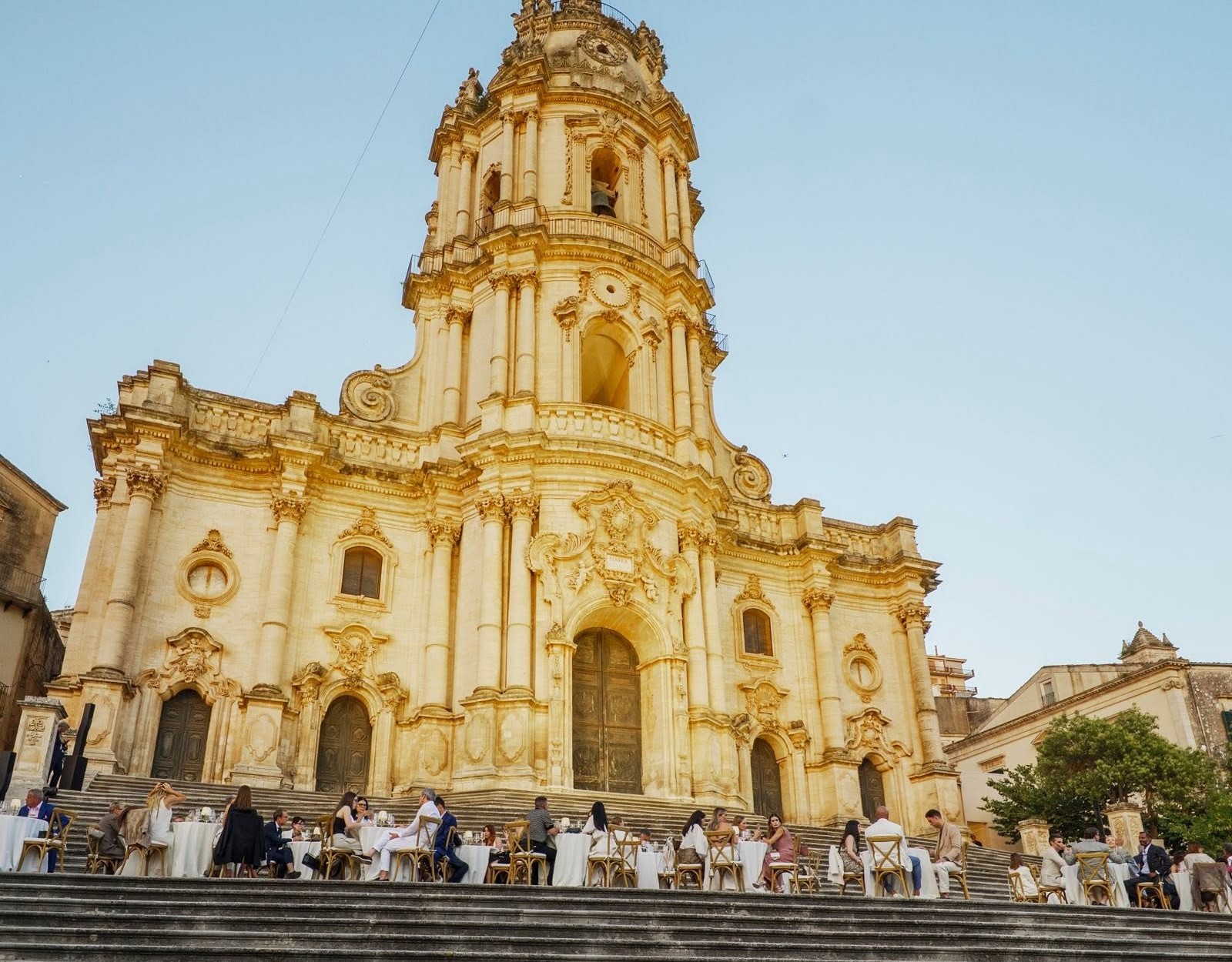
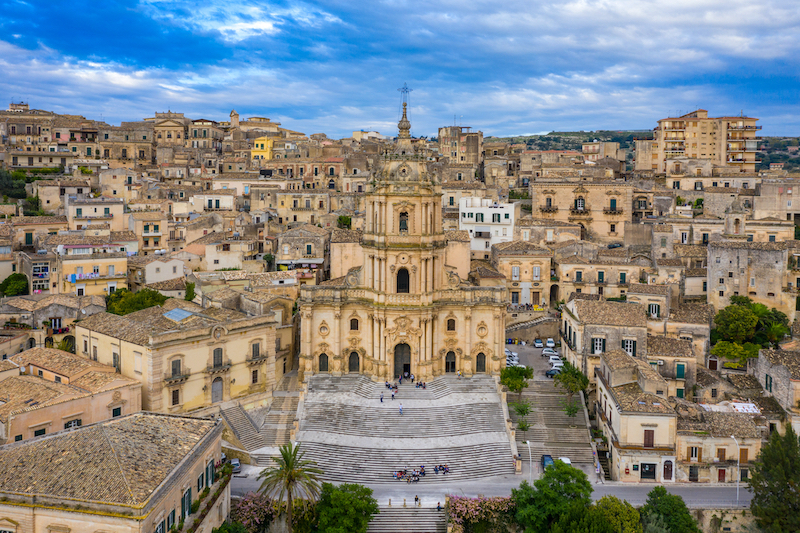
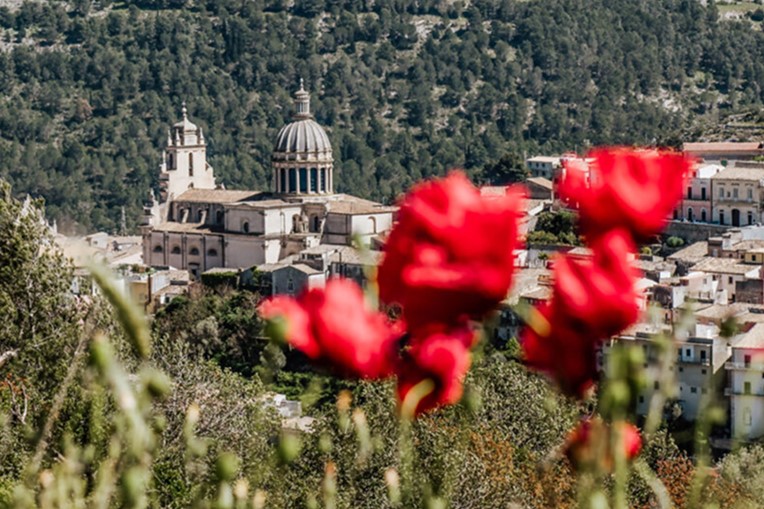
Il patrimonio architettonico di Modica è dominato dal tardo barocco, stile che si affermò dopo il devastante terremoto del 1693. Tra i monumenti più rappresentativi spicca il Duomo di San Giorgio, riconosciuto come simbolo della città e inserito nella lista dei beni Patrimonio dell’Umanità dell’UNESCO. La sua imponente facciata a torre, la scenografica scalinata e l’interno a cinque navate testimoniano la maestria degli artigiani locali e il fervore religioso della comunità modicana.
Oltre al Duomo di San Giorgio, Modica vanta numerose chiese di pregio, come San Pietro, Santa Maria del Gesù e San Giovanni Evangelista, oltre a palazzi nobiliari come Palazzo Polara e Palazzo Grimaldi. Il Castello dei Conti, situato su un promontorio roccioso, rappresenta un altro simbolo della città, legato alla sua storia di capitale comitale
Il tessuto urbano antico si intreccia con una ricca tradizione gastronomica. Modica è celebre per il suo cioccolato lavorato a freddo secondo una tecnica di origine azteca, che le conferisce una consistenza granulosa e un sapore intenso. Altre specialità tipiche sono le scacce, focacce ripiene di ingredienti semplici come pomodoro, formaggio, ricotta e salsiccia, che raccontano la genuinità della cucina locale
Il territorio di Modica si estende dalle pendici dei Monti Iblei fino al mare, includendo le frazioni costiere di Maganuco e Marina di Modica. Il clima è generalmente mite, con inverni freschi e piovosi ed estati calde ma ventilate. La città è anche punto di partenza ideale per esplorare la Cava d’Ispica, una lunga valle ricca di testimonianze archeologiche, grotte, catacombe e resti di insediamenti rupestri che narrano la storia dell’uomo in Sicilia
Modica, con la sua storia, le sue architetture e le sue tradizioni, rappresenta una delle perle del Val di Noto, meta imperdibile per chi desidera scoprire l’anima autentica della Sicilia barocca
 Associazione: Anci Sicilia
→
Associazione: Anci Sicilia
→
 Destination Management Organization: Enjoy Barocco
→
Destination Management Organization: Enjoy Barocco
→
 Gruppo di Azione Locale: GAL Terra Barocca
→
Gruppo di Azione Locale: GAL Terra Barocca
→
Modica, incastonata tra le colline del Val di Noto, è sede di un fermento imprenditoriale che spazia dalle botteghe artigiane alle aziende agricole, dai laboratori di cioccolato alle strutture ricettive, creando un tessuto economico ricco e variegato. Lungo le viuzze acciottolate del centro storico, botteghe di ceramica e ferro battuto esprimono la maestria di artigiani locali che realizzano oggetti d’arte e arredi su misura, eredi di una tradizione secolare. Non lontano, piccole concerie e falegnamerie operano con tecniche tramandate di generazione in generazione, producendo pezzi unici destinati a mercati regionali e nazionali.
Nel cuore della città, la produzione di cioccolato modicano si distingue per la sua originalità: aziende familiari, spesso a gestione artigianale, seguono ricette centenarie per preservare quella tipica granularità e il gusto intenso. Queste imprese, pur rimanendo radicate nella comunità, investono in innovazione per ampliare la gamma di prodotti – dalle tavolette classiche ai sapori aromatizzati – e promuovere degustazioni che attraggono turisti da tutta Italia.
L’agricoltura locale, un altro pilastro dell’economia modicana, vede cooperative e aziende individuali impegnate nella coltivazione di numerosi prodotti tipici: agrumi, pistacchi, olive e ortaggi biologici trovano sbocco sia nei mercati locali sia in quelli a km zero, valorizzando la filiera corta e il rispetto per l’ambiente.
Il settore dell’ospitalità, composto da agriturismi, B\&B e piccoli hotel, offre ospitalità autentica, spesso in strutture ricavate da antichi palazzi o case rurali ristrutturate, combinando comfort moderni e fascino storico. Molte di queste strutture collaborano con artigiani e agricoltori per offrire pacchetti esperienziali: degustazioni, laboratori del gusto, escursioni culturali e visite alle botteghe locali.
Completano il quadro una rete di servizi professionali – studi di architettura, design, comunicazione – e l’impegno di associazioni imprenditoriali che favoriscono sinergie tra realtà diverse. Il risultato è un sistema dinamico e integrato, in cui le imprese del territorio dialogano tra loro per promuovere Modica come destinazione ideale per chi cerca autenticità, qualità e un’economia davvero territoriale.
Il territorio di Modica, con una popolazione di circa 53.485 abitanti nel 2023, si presenta come un luogo di interesse per potenziali investitori. La presenza di una superficie territoriale di oltre 29.000 ettari offre ampie opportunità di sviluppo in diversi settori, tra cui l'immobiliare, il turistico e il commerciale.
Le abitazioni presenti nel comune sono circa 35.268, con una percentuale significativa di abitazioni non occupate, che potrebbero rappresentare un'opportunità per investimenti nel settore immobiliare. La presenza di circa 2.466 stranieri indica un potenziale mercato di espansione per servizi e attività rivolte a una clientela internazionale.
Dal punto di vista turistico, Modica offre una variegata offerta ricettiva, con un totale di 154 esercizi ricettivi che includono alberghi, agriturismi, bed & breakfast e altri esercizi extraalberghieri. La presenza di musei e istituzioni culturali, con oltre 10.000 visitatori nel 2020, evidenzia il patrimonio culturale e storico del territorio, che potrebbe attrarre turisti interessati alla cultura e alla storia locale.
Le caratteristiche geografiche e morfologiche del territorio, con fasce altimetriche che vanno dal 300 al 599%, offrono opportunità per lo sviluppo di attività legate al turismo naturalistico e all'escursionismo. Inoltre, la presenza di infrastrutture sanitarie e di servizi di accoglienza come ostelli per la gioventù e case per ferie, contribuisce a rendere Modica un luogo accogliente per investimenti nel settore sanitario e turistico.
In conclusione, Modica si presenta come un territorio con un potenziale di crescita e sviluppo in diversi settori, offrendo opportunità interessanti per investitori che desiderano valorizzare le risorse locali e contribuire alla crescita economica e sociale della comunità.
Modica, affascinante comune situato nel cuore del Val di Noto, in Sicilia, è una delle mete turistiche più suggestive del sud Italia, celebre per il suo ricco patrimonio barocco e per l’atmosfera autenticamente siciliana. Divisa in Modica Alta e Modica Bassa, la città offre ai visitatori un'esperienza unica tra vicoli pittoreschi, palazzi storici e chiese monumentali. Una delle attrazioni principali è il Duomo di San Giorgio, un capolavoro del barocco siciliano che domina la città con la sua scenografica scalinata e la facciata imponente. Non meno affascinante è la Chiesa di San Pietro, con le sue statue degli apostoli che accolgono i visitatori all'ingresso.
Passeggiando per le strade di Modica Bassa si può ammirare l’eleganza degli edifici nobiliari e respirare l’atmosfera di una città che ha saputo conservare intatta la propria identità storica. I numerosi belvedere di Modica Alta offrono panorami spettacolari sulla città sottostante, specialmente al tramonto, quando i toni dorati della pietra locale risplendono alla luce del sole.
Oltre all’aspetto architettonico e paesaggistico, Modica è celebre anche per la sua tradizione gastronomica, in particolare per il celebre cioccolato lavorato secondo un’antica ricetta di origine azteca. Questo prodotto unico, con la sua consistenza granulosa e il gusto intenso, rappresenta una delle principali attrazioni per i turisti.
Infine, Modica ospita durante l’anno numerose manifestazioni culturali e religiose che arricchiscono l’esperienza del visitatore, offrendo uno sguardo autentico sulla vita locale. Visitare Modica significa immergersi in un mondo sospeso tra arte, storia e tradizione, dove ogni angolo racconta una storia e ogni pietra conserva la memoria di un passato glorioso.
 Da Cefalù a Erice, 50 Comuni siciliani senza elenchi online dei beni confiscati17 settembre 2026
 Il ragusano nuova destinazione del turismo religioso internazionale?24 agosto 2026
 Cucinelli sceglie Modica per l’evento esclusivo dell’estate13 giugno 2026
 IA e sociologia del viaggio: focus a Modica e Ibla16 maggio 2026
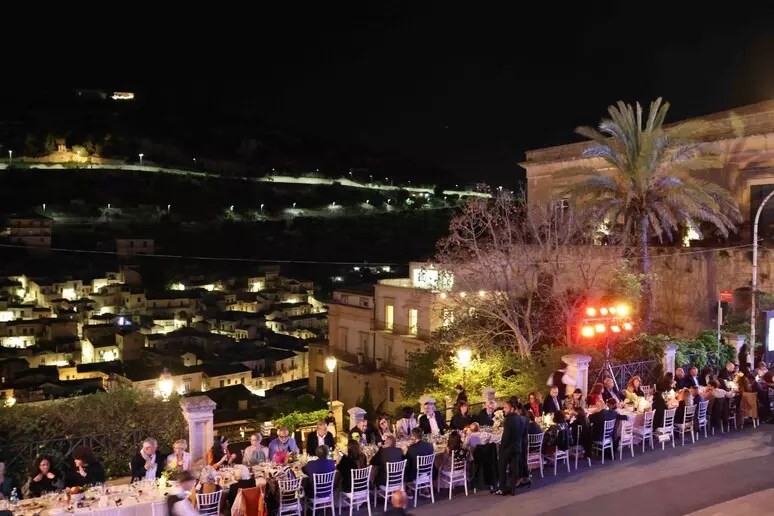 ‘100 a tavola’ torna e si fa in tre tra Modica, Ragusa e Comiso18 aprile 2026
 Dati, AI e turismo: due focus per gli operatori del ragusano25 marzo 2026
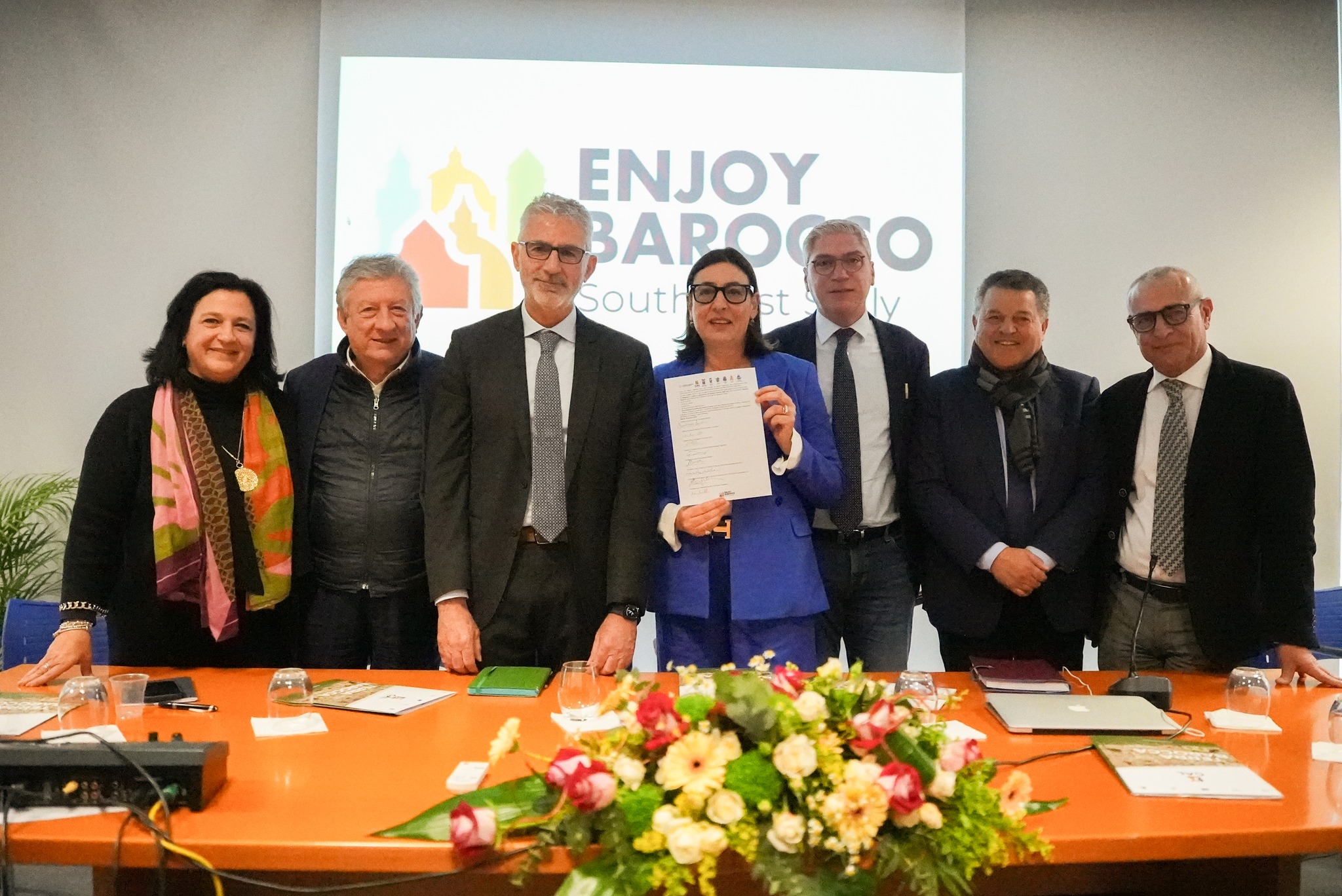 Svolta per il turismo ibleo: verso una DMO pubblico-privata12 gennaio 2026
 Enjoy Barocco DMO, 5 incontri online su futuro assetto02 dicembre 2025
 La mostra su Banksy a Modica prorogata fino all’inizio del 202608 novembre 2025
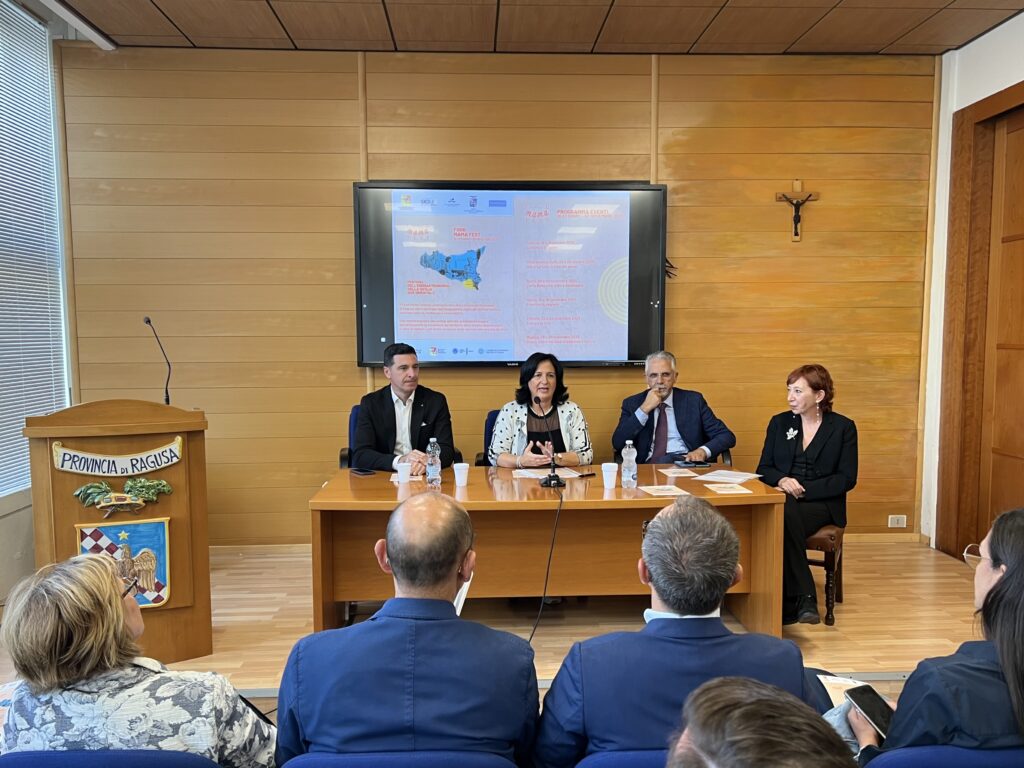 6 città in 6 weekend: nel ragusano al via il Food Mama Festival17 ottobre 2025