Ragusa is a Sicilian city with an ancient charm, located in the southeastern part of the island, on a plateau overlooking a deep valley. Capital of the province of the same name, Ragusa stands out for its rich artistic and architectural heritage, the result of a complex and multi-layered history. It is best known for its historic center, Ragusa Ibla, and for the elegance of its Baroque style, so much so that it has been recognized as a UNESCO World Heritage Site along with other cities in the Val di Noto.
The current urban layout of Ragusa is the result of a tragic event: the devastating earthquake of 1693 that struck much of southeastern Sicily. Following the quake, the city was rebuilt in two distinct zones. Part of the population decided to rebuild on the original hill, revitalizing Ragusa Ibla, while another part moved to a higher area, where Ragusa Superiore arose. This dual urban core gives the city a unique identity, made of harmonious contrasts between ancient and modern.
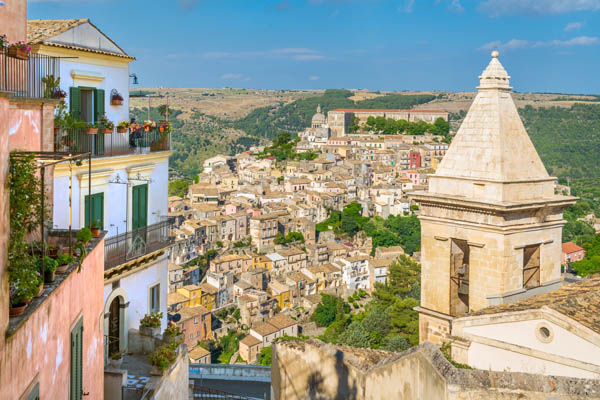
Ragusa Ibla is a labyrinth of narrow streets and stairways winding between Baroque churches, noble palaces, and quiet squares. The Cathedral of San Giorgio, with its majestic curved façade and dramatic staircase, is one of the finest examples of Sicilian Baroque architecture. Surrounding the cathedral is an urban fabric that preserves the charm of the past, with historic buildings that tell the story of centuries of city life.
Ragusa Superiore, on the other hand, reflects a more orderly and modern reconstruction for the time, with wider streets and a more rational urban layout. Here, too, however, Baroque continues to dominate the architectural landscape, with buildings such as the Cathedral of San Giovanni Battista, another important testimony to the artistic revival following the earthquake.
Culturally, Ragusa is a dynamic and vibrant center. It hosts events, festivals, and festivals that showcase its traditions, art, and gastronomy. Ragusa's cuisine is one of the city's most popular aspects: simple yet rich dishes based on local products such as Caciocavallo Ragusano DOP, extra virgin olive oil, and artisanal preserves.
Surrounded by a countryside dotted with dry stone walls, olive trees, and carob trees, Ragusa also offers an authentic connection with Sicilian nature. Its proximity to the sea, with coastal villages like Marina di Ragusa, adds an additional element of attraction, making it a sought-after destination not only for culture lovers but also for those seeking relaxation and evocative landscapes.
Ragusa, with its intertwining history, art, and landscape, represents one of Sicily's most luminous gems, capable of captivating and surprising all who visit.
 Associazione: Anci Sicilia
→
Associazione: Anci Sicilia
→
 Destination Management Organization: Enjoy Barocco
→
Destination Management Organization: Enjoy Barocco
→
 Gruppo di Azione Locale: GAL Terra Barocca
→
Gruppo di Azione Locale: GAL Terra Barocca
→
Local businesses in the municipality of Ragusa are one of the main drivers of the local economy, with a strong focus on crafts, agriculture, and services. Ragusa's business landscape is characterized by a predominance of small and medium-sized family-run businesses, which have consolidated over time thanks to a deep culture of hard work, quality, and innovation. A particularly important sector is the agri-food sector, featuring companies specializing in the production of vegetables, cheeses, olive oil, and wine, often enhanced by sustainable cultivation methods and a strong connection to local traditions. Greenhouses, scattered throughout the area, are a symbol of Iblei agriculture, which has managed to modernize while maintaining respect for the environment and seasonality of its products.
The dairy sector is another flagship of the Ragusa economy, with companies producing nationally recognized excellence, such as the famous Ragusano cheese. The artisanal sector also maintains a central role, with workshops producing ceramics, textiles, furniture, and wrought iron objects, expressing the creativity and skill of local artisans. Recent years have also seen a growth in the tourism sector, which has spurred the opening of new businesses related to hospitality, catering, and cultural services.
Many businesses also operate in the technology, construction, and transportation sectors, contributing to the diversification of the economy and the creation of opportunities for new generations. Despite the challenges of bureaucracy and global competitiveness, Ragusa's businesses demonstrate remarkable adaptability and resilience, maintaining strong roots in the local area and looking confidently to the future.
The territory of Ragusa appears as a large area, with a population of approximately 73,736 inhabitants in 2023, evenly divided between males and females. The presence of foreigners is significant, with a total of 35,408 individuals. In terms of housing, there are 208,843 dwellings as of December 31, 2021, of which 129,156 are occupied and 79,687 are unoccupied. This data could indicate a potential real estate market to explore for investments in the residential sector. As for the tourist offer, Ragusa has various accommodation facilities, including hotels, farmhouses, youth hostels, and bed & breakfasts. Overall, there are 357 accommodation facilities with a total of 10,570 beds, offering interesting opportunities for investments in the tourism sector. Geographically, the territory features a variety of altitude bands, with most of the area ranging between 300 and 599 meters above sea level. This characteristic could favor the development of activities related to nature tourism and hiking. Finally, from a cultural perspective, Ragusa has two museum institutions with a limited number of visitors in 2020. This could represent an opportunity for investments in the cultural and tourism sector, promoting the enhancement of the historical and artistic heritage of the territory. In conclusion, Ragusa presents itself as a territory with interesting potential for investors, with opportunities in the real estate, tourism, cultural, and naturalistic sectors. The presence of a diverse population and a wide range of accommodation facilities offers a favorable context for the development of new economic and commercial initiatives.
The municipality of Ragusa, located in the heart of southeastern Sicily, is one of the island's most fascinating tourist destinations thanks to its rich artistic, cultural, and natural heritage. The city stands out for its unique urban structure, divided between Ragusa Superiore, the modern part, and Ragusa Ibla, the historic center rebuilt in Baroque style after the 1693 earthquake. Ibla itself is one of the city's main attractions: a maze of alleys, stairways, and squares adorned with monumental churches and noble palaces, among which the Duomo di San Giorgio, a masterpiece by architect Rosario Gagliardi, stands out. Visitors are captivated by the majesty of its façade and the beauty of the square that welcomes it.
Walking through Ragusa Ibla means immersing yourself in a timeless atmosphere, where every corner tells a story and every building testifies to the elegance of Sicilian Baroque. Parks and green spaces abound, such as the Iblei Gardens, which offer splendid panoramic views of the surrounding valley. In Ragusa Superiore, meanwhile, lies the Cathedral of San Giovanni Battista and numerous other religious and secular buildings worth visiting.
Nature and hiking enthusiasts can explore the Hyblaean countryside and the numerous natural quarries surrounding the area, including the evocative Cava dei Miracoli. Not far from the city center, the Ragusa coastline offers golden beaches and crystal-clear waters, making the area ideal for a seaside holiday. Ragusa enchants with its ability to combine art, history, landscapes, and traditions, offering visitors an authentic and engaging experience that will leave a lasting impression.
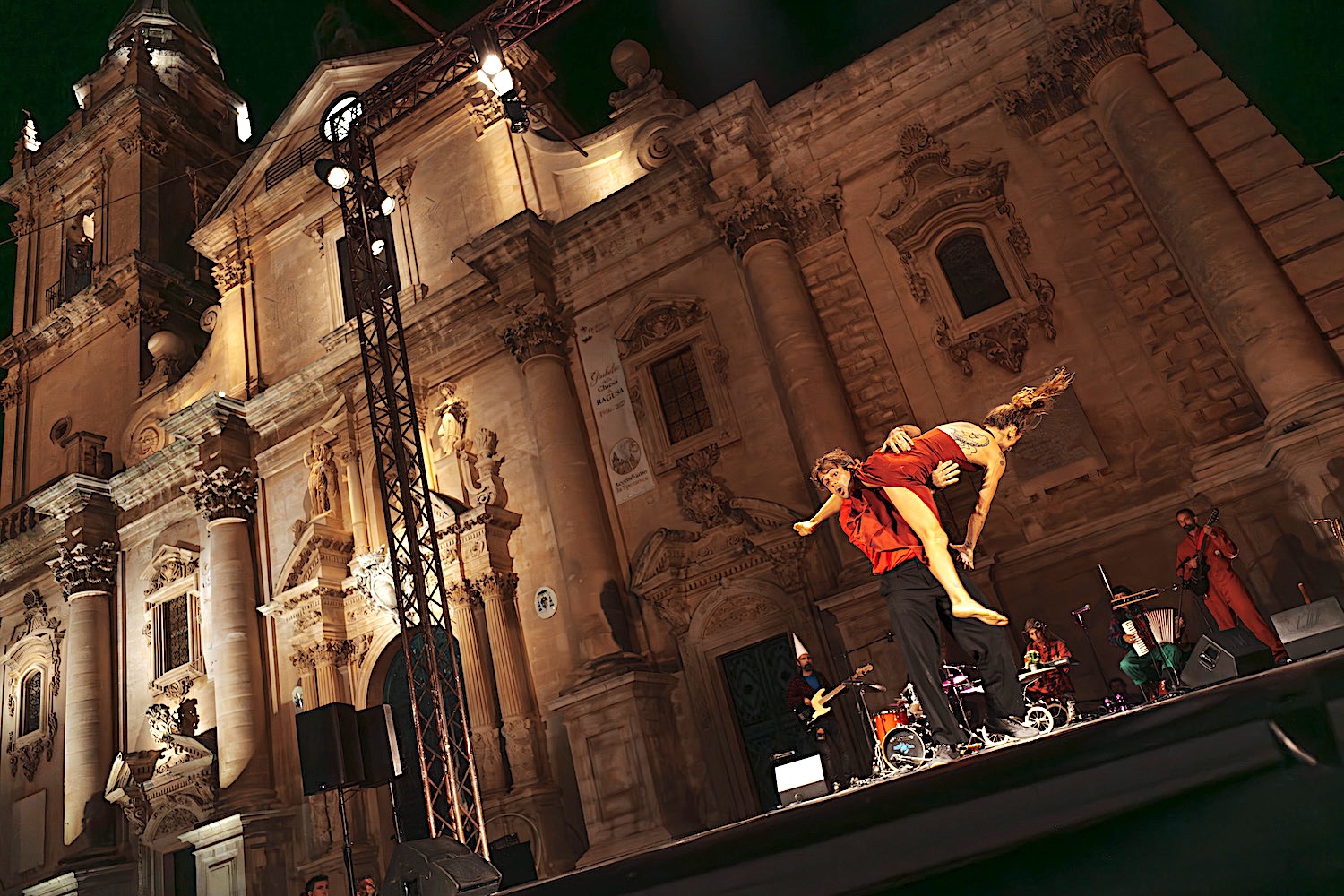 Dopo 30 anni Ibla Buskers si ferma, ma non è un addio31 luglio 2026
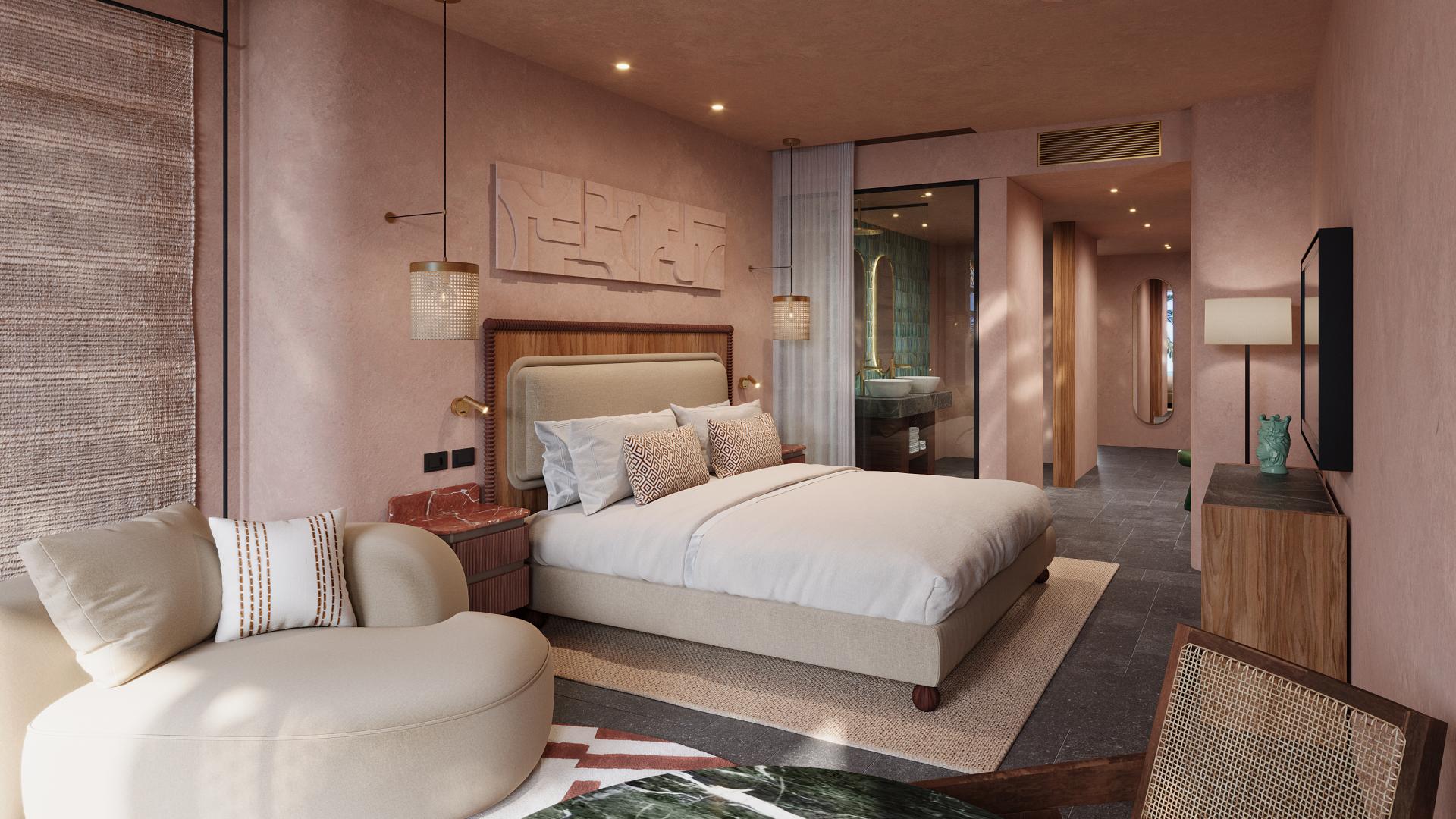 Icona’s Costa Ragusa Resort: il nuovo 5 stelle apre il 1 agosto14 luglio 2026
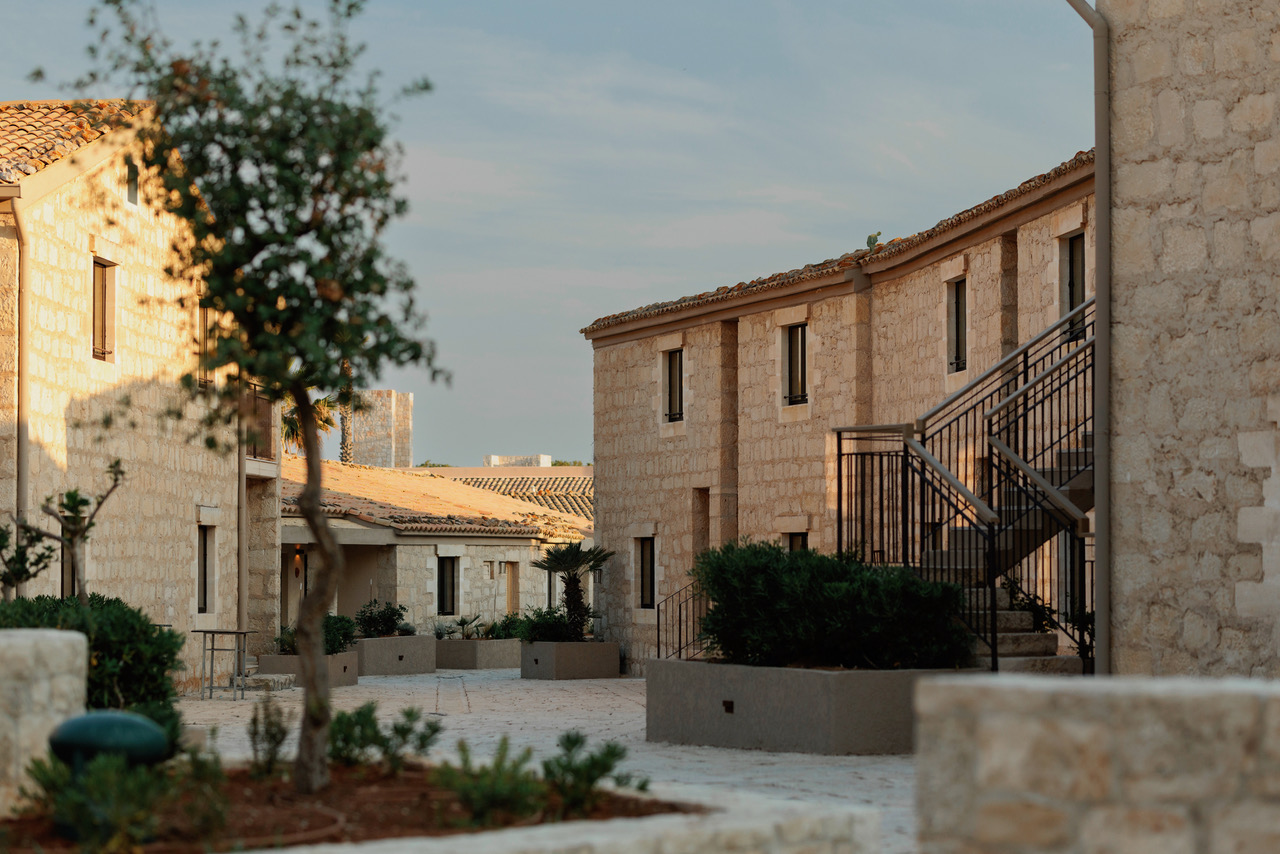 Mangia’s, l’apertura del Costa Ragusa Borgo slitta al 1 luglio16 giugno 2026
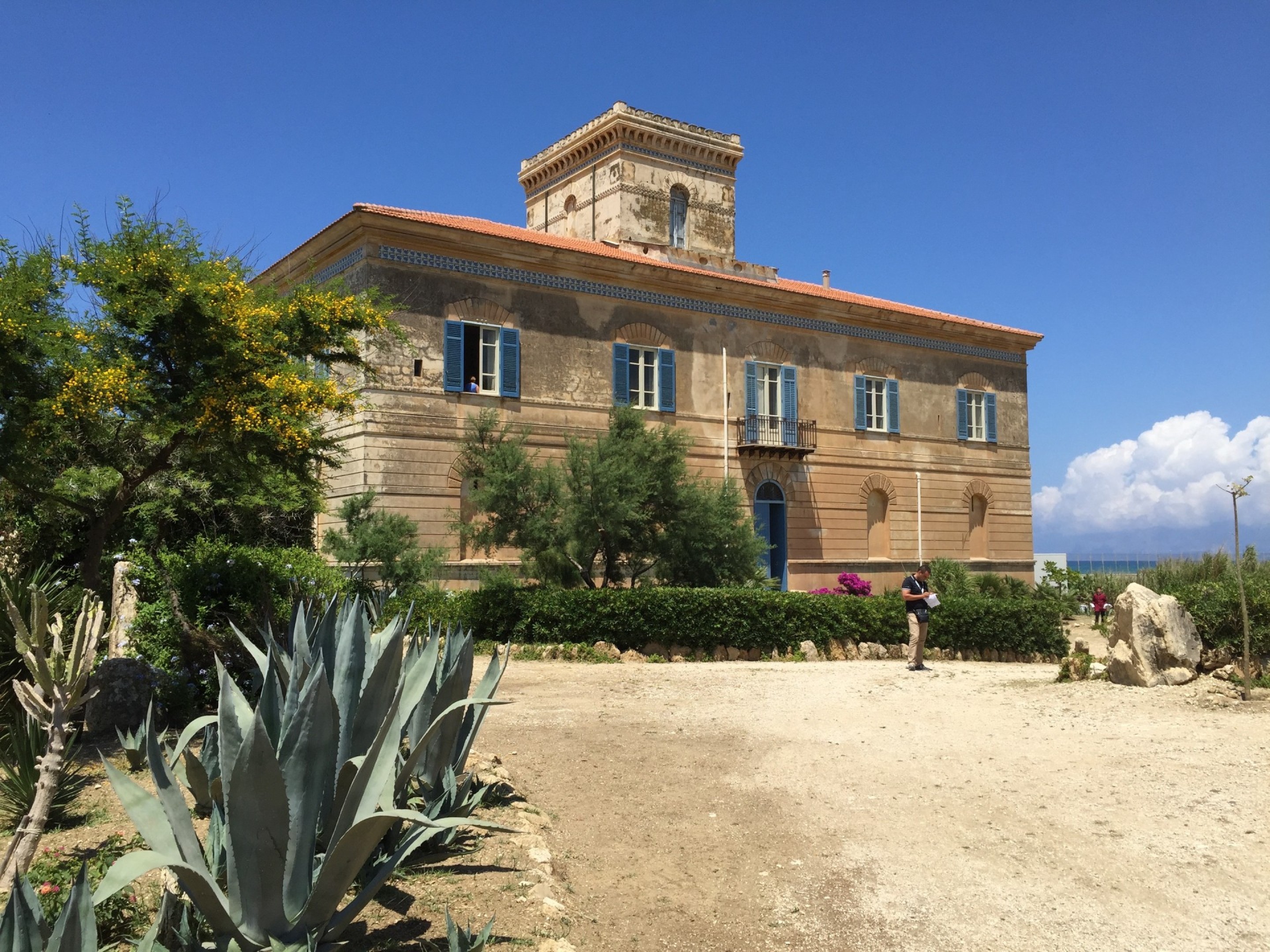 In Sicilia il 24 maggio porte aperte in 10 dimore storiche: eccole20 maggio 2026
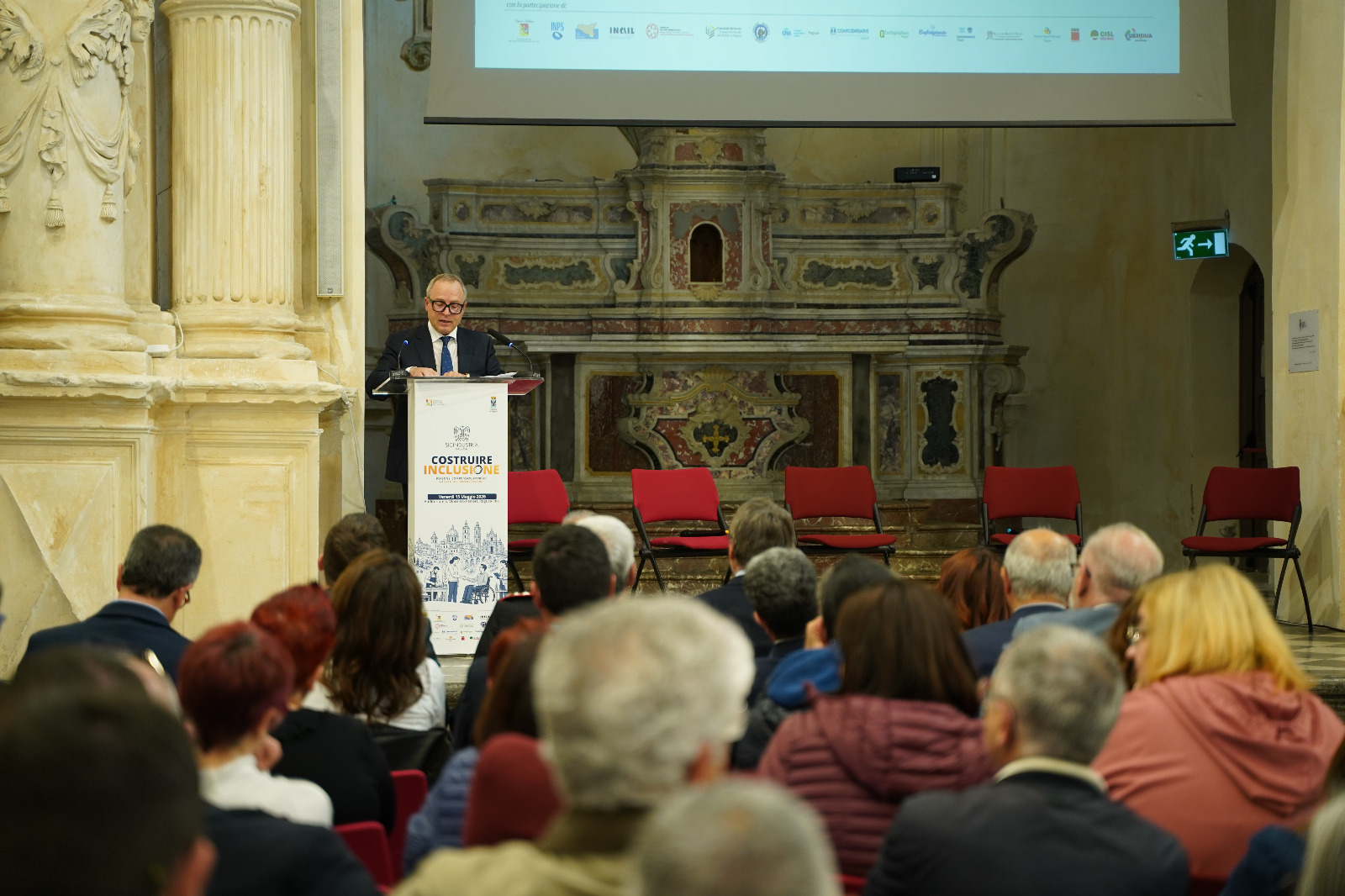 Inclusione e lavoro, Sicindustria mette in rete imprese, istituzioni e territorio19 maggio 2026
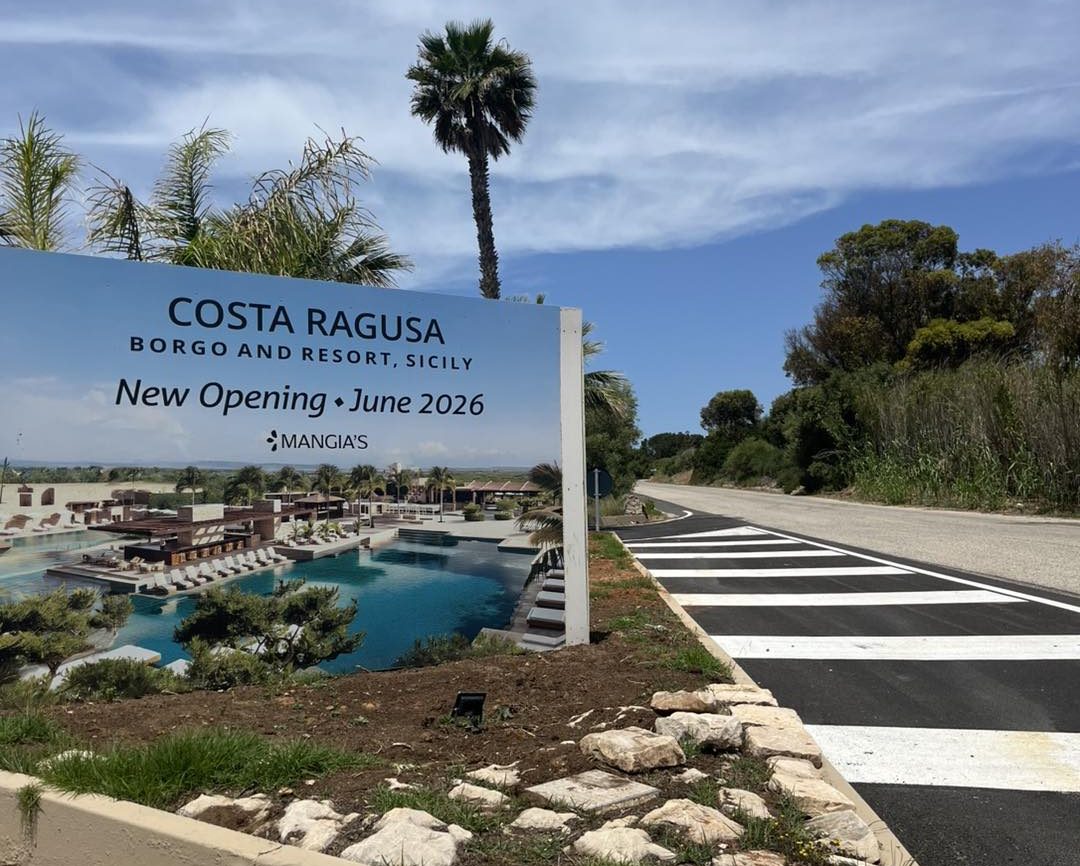 Costa Ragusa Borgo e Resort aprirà a giugno, le prime foto14 maggio 2026
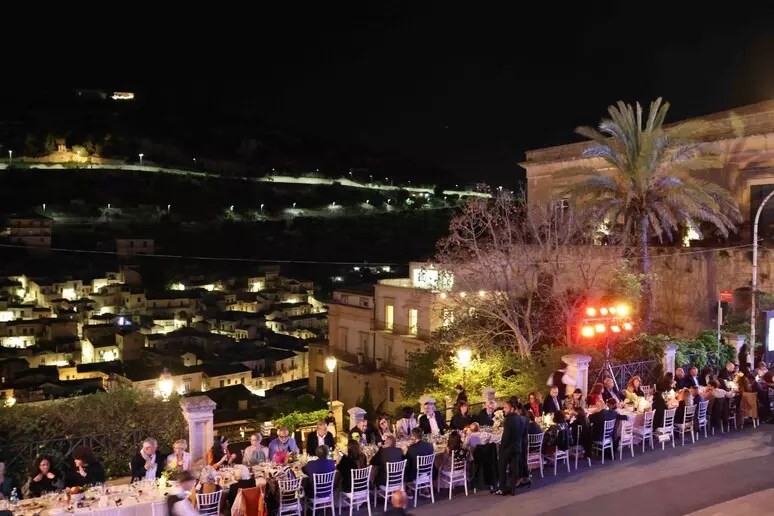 ‘100 a tavola’ torna e si fa in tre tra Modica, Ragusa e Comiso18 aprile 2026
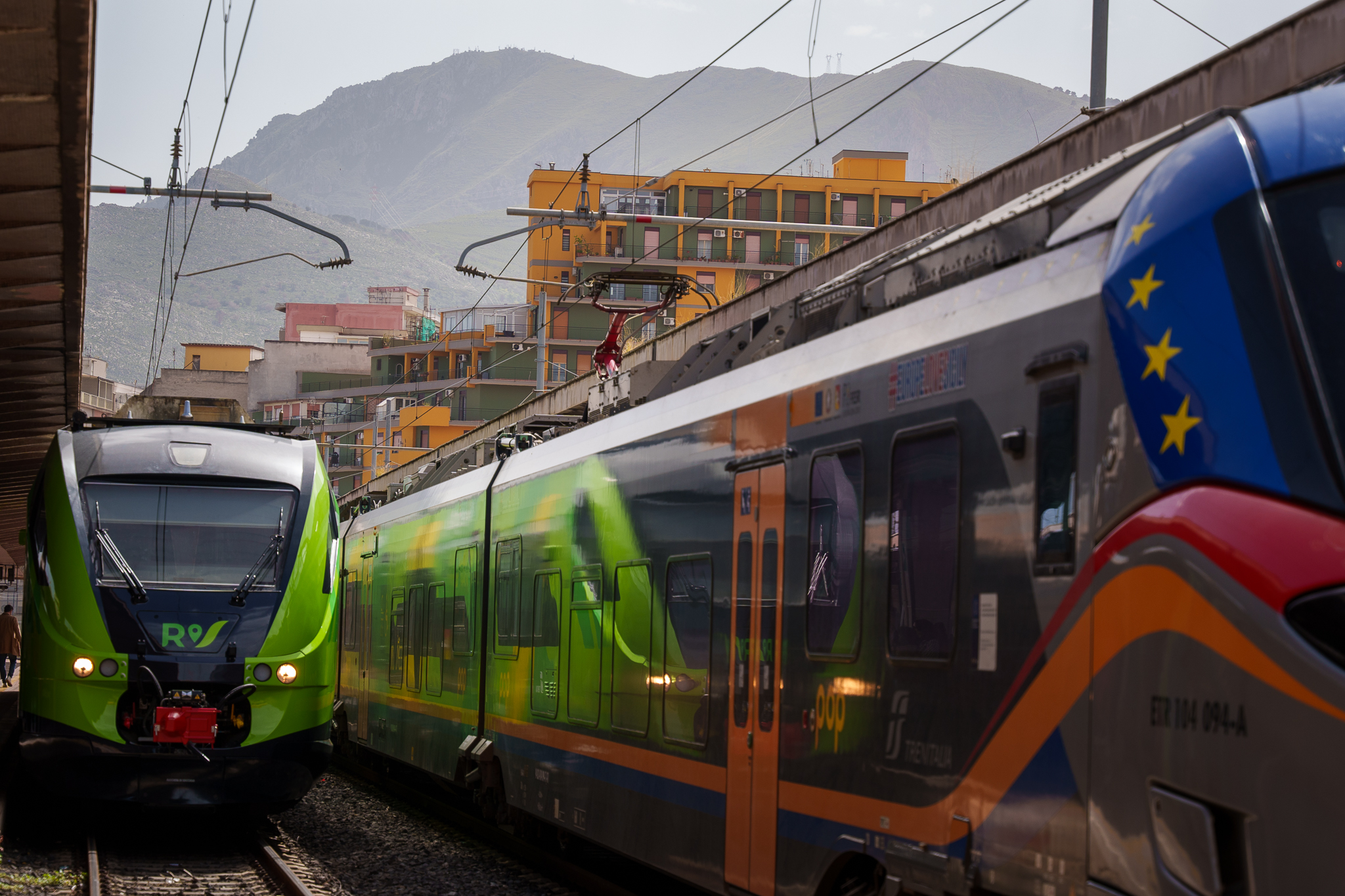 Nuovi treni per mete turistiche e aeroporti siciliani11 aprile 2026
 PayTourist sbarca nel ragusano a supporto del ricettivo02 aprile 2026
 Dati, AI e turismo: due focus per gli operatori del ragusano25 marzo 2026