Scicli is a municipality located in the province of Ragusa, Sicily. Its history dates back to antiquity, with traces of settlements dating back to prehistoric times. Over the centuries, Scicli has been dominated by various civilizations, including the Greeks, Romans, Byzantines, Arabs, and Normans, who have left an indelible mark on the city.
Scicli's historic center is a true architectural gem, characterized by a mix of styles ranging from Baroque to Neoclassical. The winding streets and noble palaces testify to the wealth and prestige the city has enjoyed over the centuries. Among the most important churches is the Church of San Matteo, with its Baroque façade decorated with statues and stucco.
Scicli is also known for its culinary tradition, which boasts typical Sicilian dishes such as pasta with sardines, cassata, and cannoli. Local products, such as olive oil and wine, are renowned worldwide for their quality and authenticity.
The city is surrounded by pristine nature, with breathtaking landscapes stretching to the sea. The golden sandy beaches and crystal-clear waters make Scicli an ideal destination for those seeking relaxation and tranquility.
The people of Scicli are known for their hospitality and welcoming spirit. The local community is deeply rooted in traditions and religious holidays, which are celebrated with great fervor and participation.
In conclusion, Scicli is a city rich in history, culture, and traditions, enchanting visitors with its beauty and timeless charm. A place where past and present blend in a unique and captivating mix, capable of capturing the heart of anyone fortunate enough to visit.
Scicli is a Sicilian town rich in local businesses that actively contribute to the city's economy. Among the most popular activities are artisan workshops, specializing in woodworking, ceramics, and wrought iron. These workshops produce unique, high-quality objects that reflect Sicilian artisanal traditions and are highly appreciated by both residents and tourists.
In addition to artisan workshops, Scicli boasts numerous commercial activities, including clothing, grocery, electronics, and more. Shops in the historic center offer typical local products, such as sweets, cheeses, cured meats, and wines, representing the area's culinary excellence.
Agricultural businesses are another important resource for Scicli's economy. The city is surrounded by fertile land that allows for the cultivation of olive trees, vineyards, citrus fruits, and vegetables. The farms produce extra virgin olive oil, wine, jams, and preserves, which are sold both locally and exported to other Italian regions and abroad.
Tourism is another source of income for Scicli's local businesses. Numerous bed and breakfasts, agritourism establishments, and restaurants offer quality services to guests who visit the town to admire its architectural and scenic beauty. Tourism businesses also organize boat trips, guided tours, and tastings of typical products, thus helping to promote the area and enhance local traditions.
Finally, service businesses play a key role in Scicli's economy. Real estate agencies, professional firms, travel agencies, and other businesses offer support services to the local community and visitors, helping to make the town a welcoming and functional place.
In conclusion, Scicli's local businesses represent an important economic driver for the town, contributing to its growth and development. Thanks to the variety and quality of the local businesses, Scicli is an ideal destination for those wishing to discover the beauty of Sicily and enjoy an authentic and genuine experience.
The territory of Scicli, with a population of 26,813 inhabitants in 2023, appears as a place of small dimensions but with a good presence of housing services, with a total of 21,293 dwellings as of December 31, 2021. The presence of foreigners, amounting to 2,559 individuals, indicates a certain openness and cultural diversity in the area. From a tourist point of view, Scicli offers a varied range of accommodation, with a total of 94 accommodation facilities and 2,624 beds, distributed among hotels, farmhouses, bed & breakfasts, and other non-hotel establishments. However, the lack of luxury facilities could represent an investment opportunity for those who wish to focus on a more exclusive market segment. From an economic point of view, the territory of Scicli presents potential in the tourism sector, thanks to the presence of a museum and numerous accommodation facilities. Furthermore, the presence of 47 rental accommodations managed as a business indicates a certain liveliness in the real estate sector. The geographical and morphological characteristics of the territory, with an area of 138.7257 sq km and an altimetric range from sea level to 299 meters, offer opportunities for the development of activities related to nature tourism and hiking. In conclusion, Scicli presents itself as a territory with good potential for economic development in the tourism and real estate sectors, with investment opportunities to explore especially in the luxury hotel sector and activities related to nature tourism. The presence of already established accommodation facilities and the liveliness of the real estate sector make Scicli an interesting place for investors looking to capitalize on a growing market.
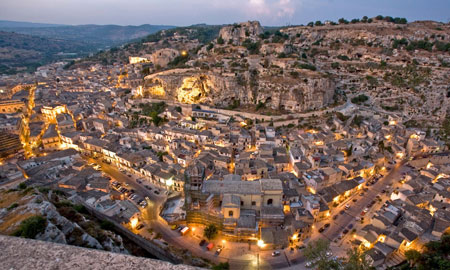
Scicli, a jewel nestled at the confluence of three rocky valleys, is a destination that offers a perfect blend of art, history, nature, and gastronomy. A UNESCO World Heritage Site, it is a place to discover and experience, leaving an indelible mark on the hearts of those who visit.
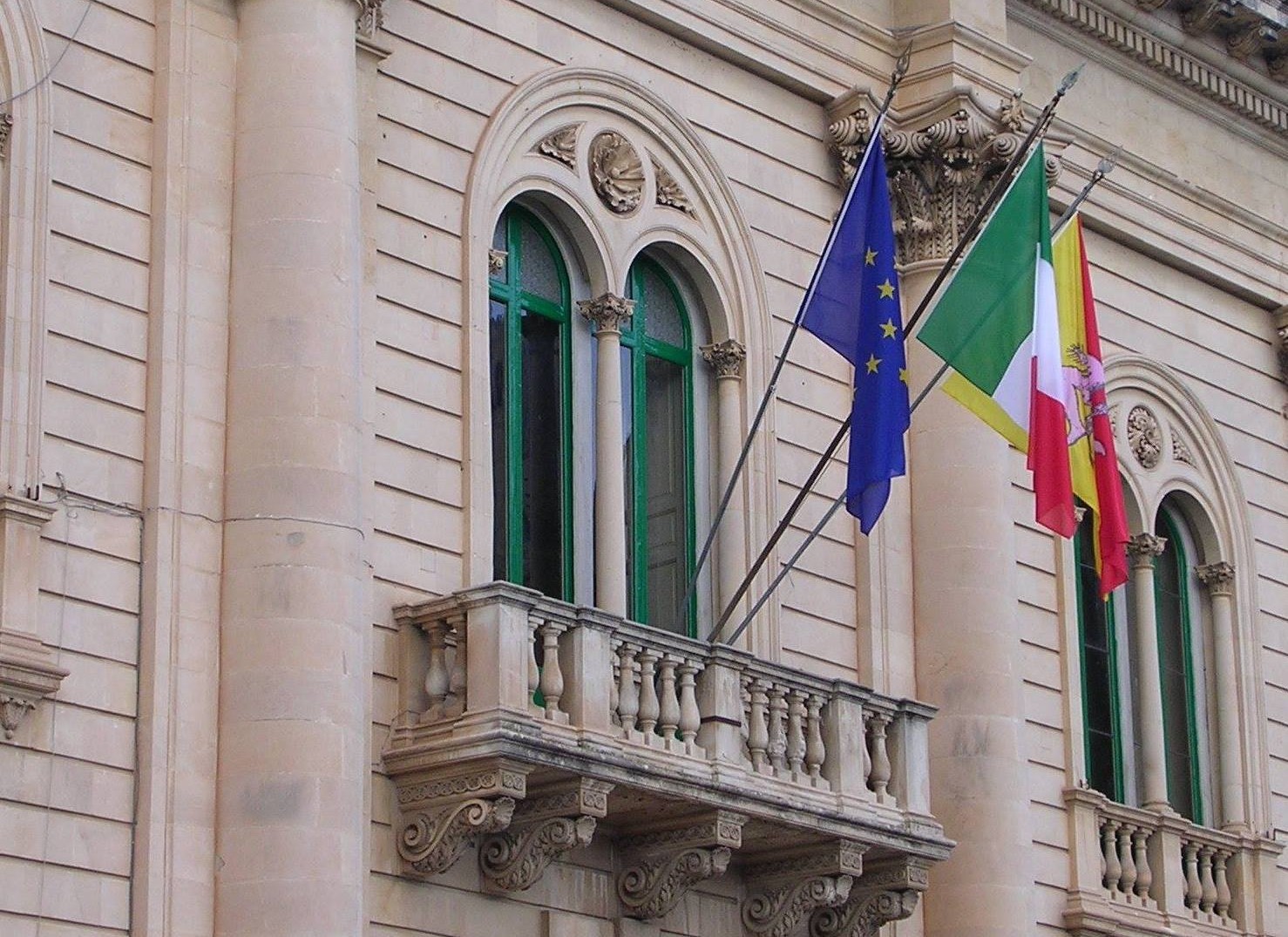
Among its most famous attractions is its magnificent historic center, a triumph of Sicilian Baroque. The beating heart of the city is the scenic Via Francesco Mormino Penna, an elegant succession of noble palaces and monumental churches that create a unique atmosphere. This street is home to the Town Hall, which became famous worldwide as the headquarters of the Vigàta police station in the Inspector Montalbano television series.
One of Scicli's most iconic sites is Palazzo Beneventano, considered one of the absolute masterpieces of Sicilian Baroque. Its fame is linked to its magnificent balconies, supported by corbels carved with grotesque figures, irreverent masks, and fantastical animals, which give it a magical and unmistakable aura.
Dominating the city from atop its rocky hill is the Church of San Matteo, the ancient Mother Church and symbol of Scicli. Although it appears scarred by time today, its location offers breathtaking views, and its history makes it an unmissable stop to understand the soul of the city. At the foot of the hill, nestled in the rock, stands the splendid Church of San Bartolomeo, another masterpiece of Baroque art.
For nature lovers, Scicli offers the spectacle of its quarries, the deep valleys that surround it, such as the Cava di San Bartolomeo and the Cava di Santa Maria La Nova, ideal for walks to discover ancient cave settlements. Just a few kilometers away, the splendid coastline extends, with the seaside villages of Donnalucata and Sampieri, boasting golden beaches and crystal-clear sea.
Finally, Scicli is famous for its unique festivals. During Holy Week, processions enliven the streets, but the most spectacular event is the Feast of Joy, or of the Living Man, on Easter Sunday, during which the statue of the Risen Christ is carried in triumph through the city streets. Another unique celebration is the Feast of the Madonna delle Milizie, a historical reenactment of a legendary battle between the Normans and Saracens. Finally, the local cuisine offers unique specialties such as "teste di turco," a delicious turban-shaped dessert filled with cream.
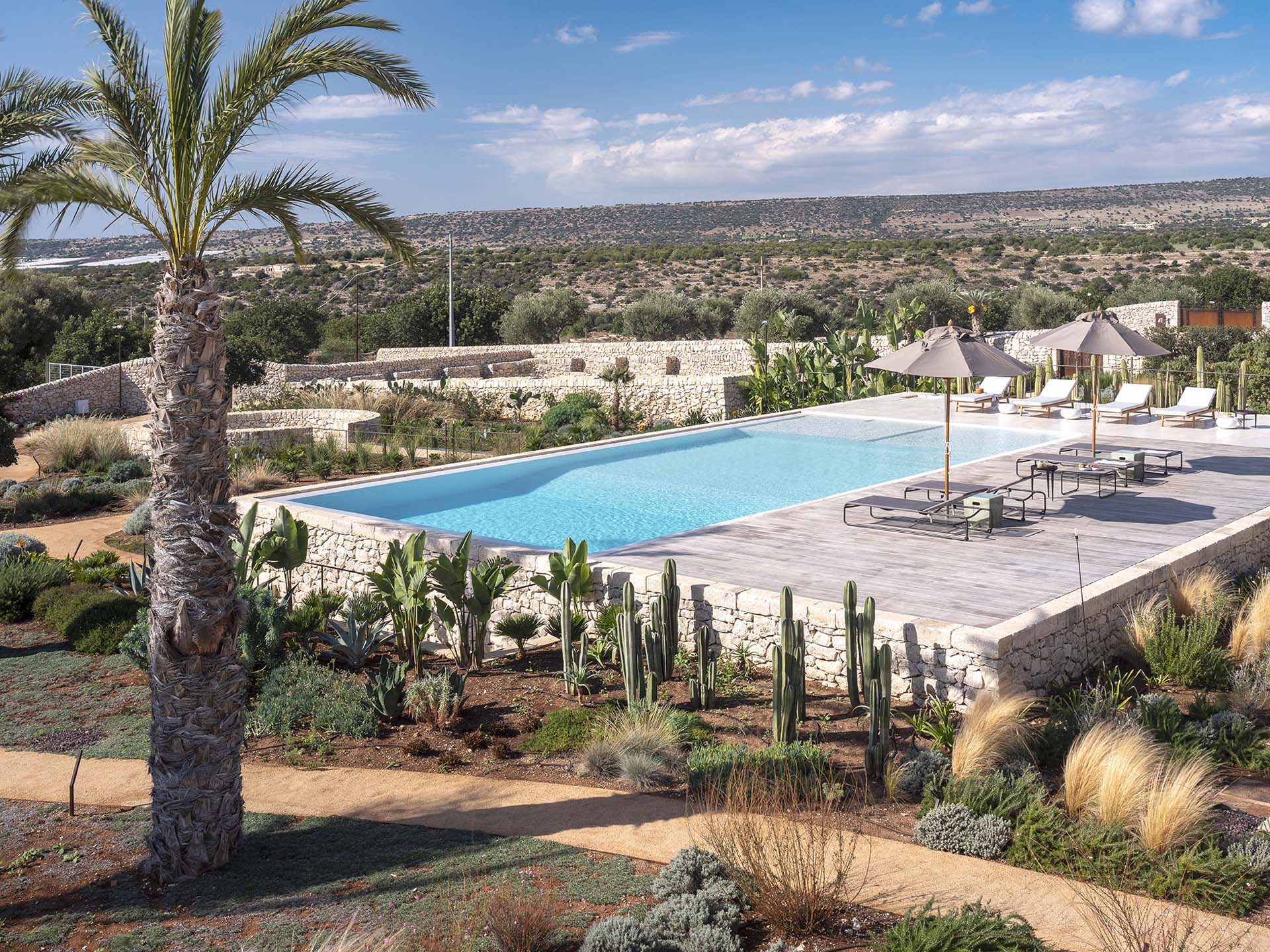 Nella campagna di Scicli apre Dimora Camille21 luglio 2026
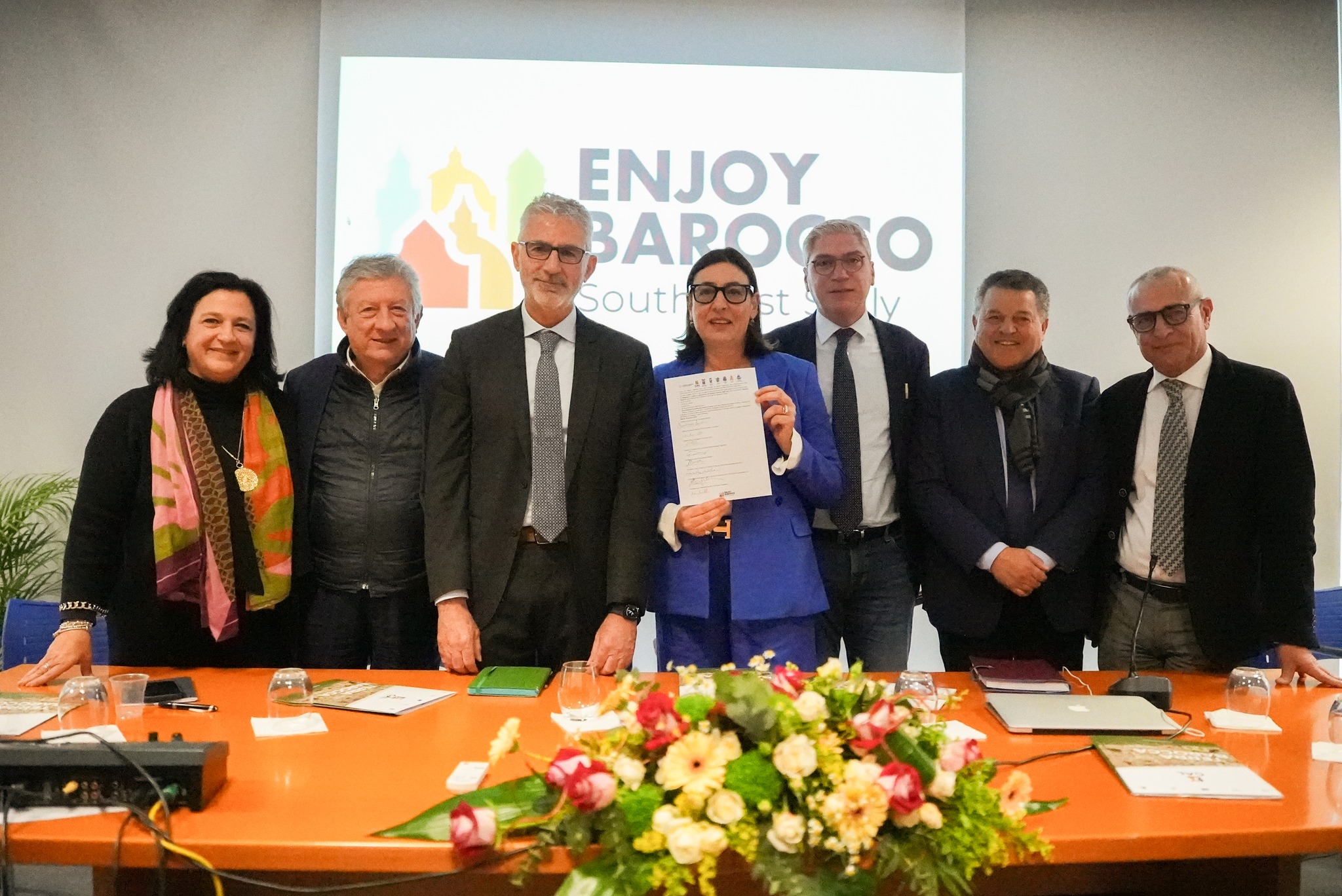 Svolta per il turismo ibleo: verso una DMO pubblico-privata12 gennaio 2026
 Dalla Regione 11,5 milioni per 4 Comuni Bandiere Blu09 gennaio 2026
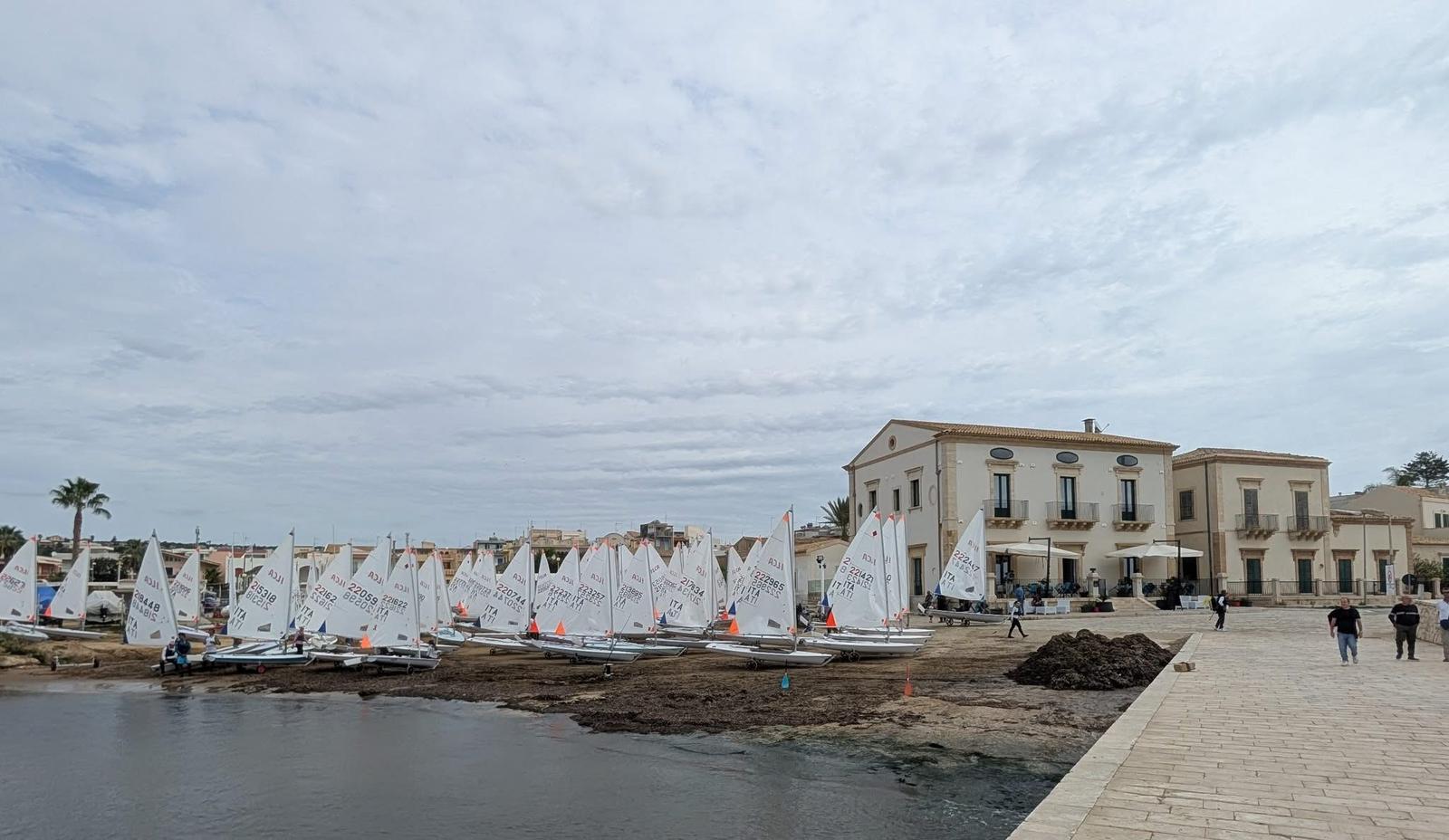 Scicli punta a diventare capitale del mare italiana29 dicembre 2025
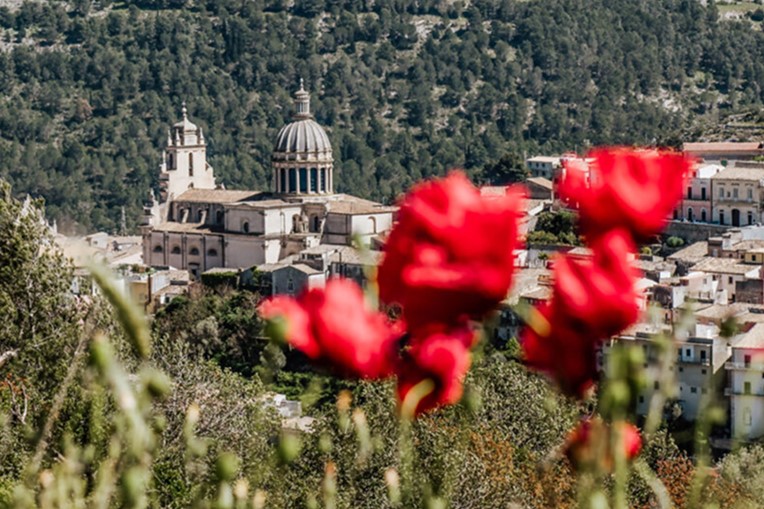 Enjoy Barocco DMO, 5 incontri online su futuro assetto02 dicembre 2025
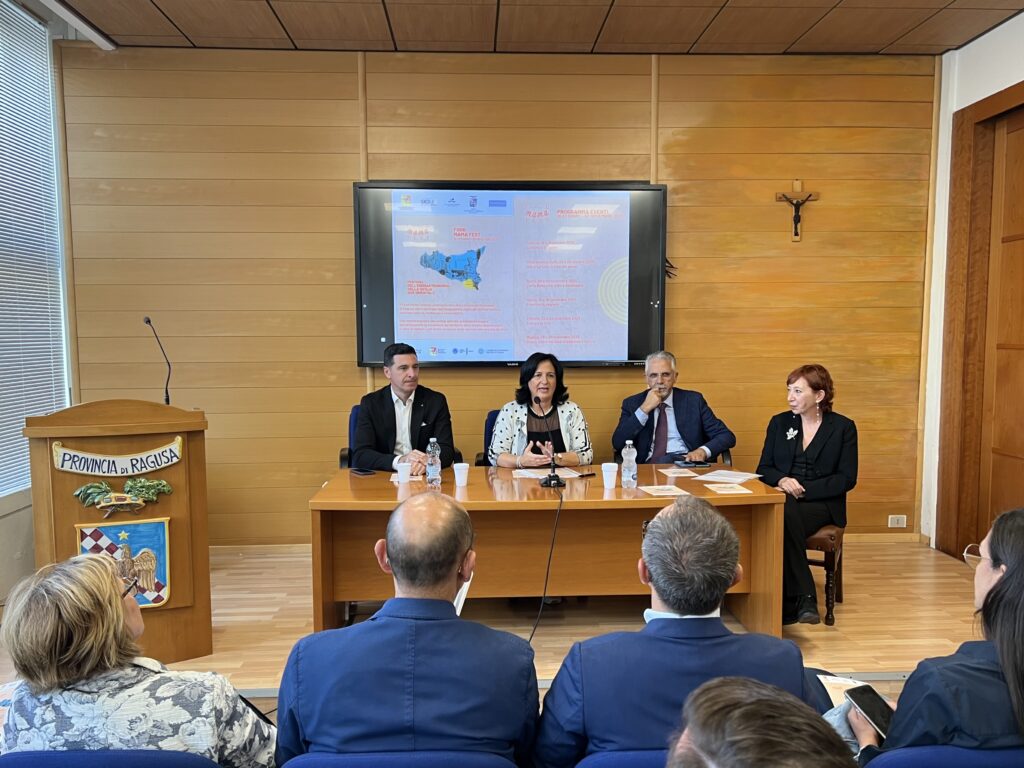 6 città in 6 weekend: nel ragusano al via il Food Mama Festival17 ottobre 2025
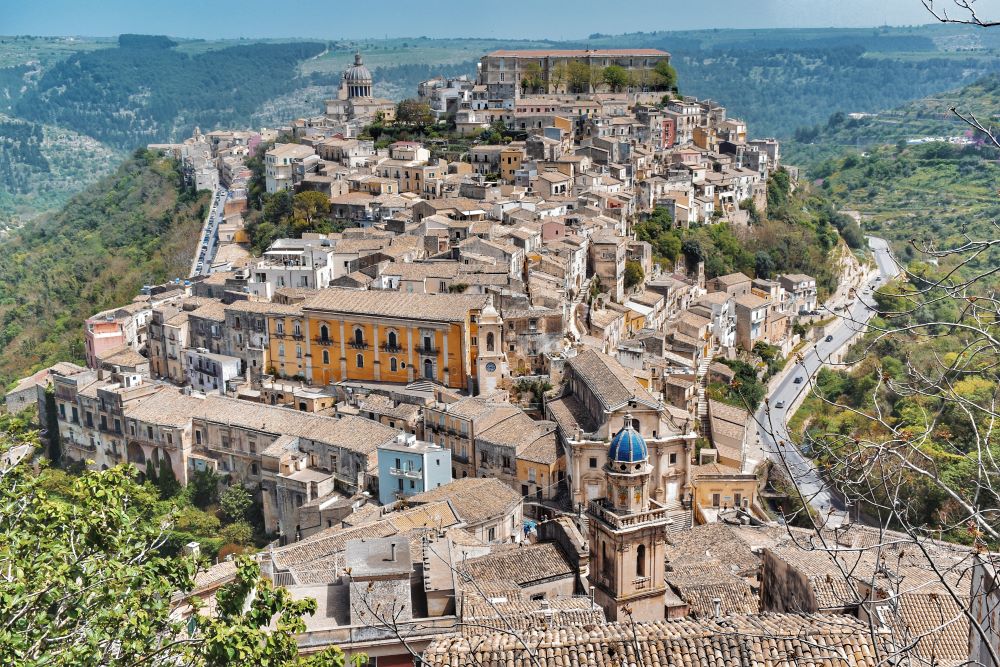 Niente voli e crolla il turismo nel ragusano, Confcommercio: è crisi ovunque08 agosto 2025
 Il Sud-Est siciliano a caccia dei nuovi mercati esteri18 luglio 2025
 Scicli in campo per scovare strutture ricettive abusive15 luglio 2025
 Nuovo bando turismo, incontro a Scicli con Elvira Amata12 marzo 2025