Ferla is a municipality in the province of Syracuse, located in the hinterland of southeastern Sicily, within the scenic landscape of the Anapo Valley. The area is characterized by a long-standing historical heritage, with origins dating back to ancient times and evidence of subsequent phases of development during the Greek and Roman eras.
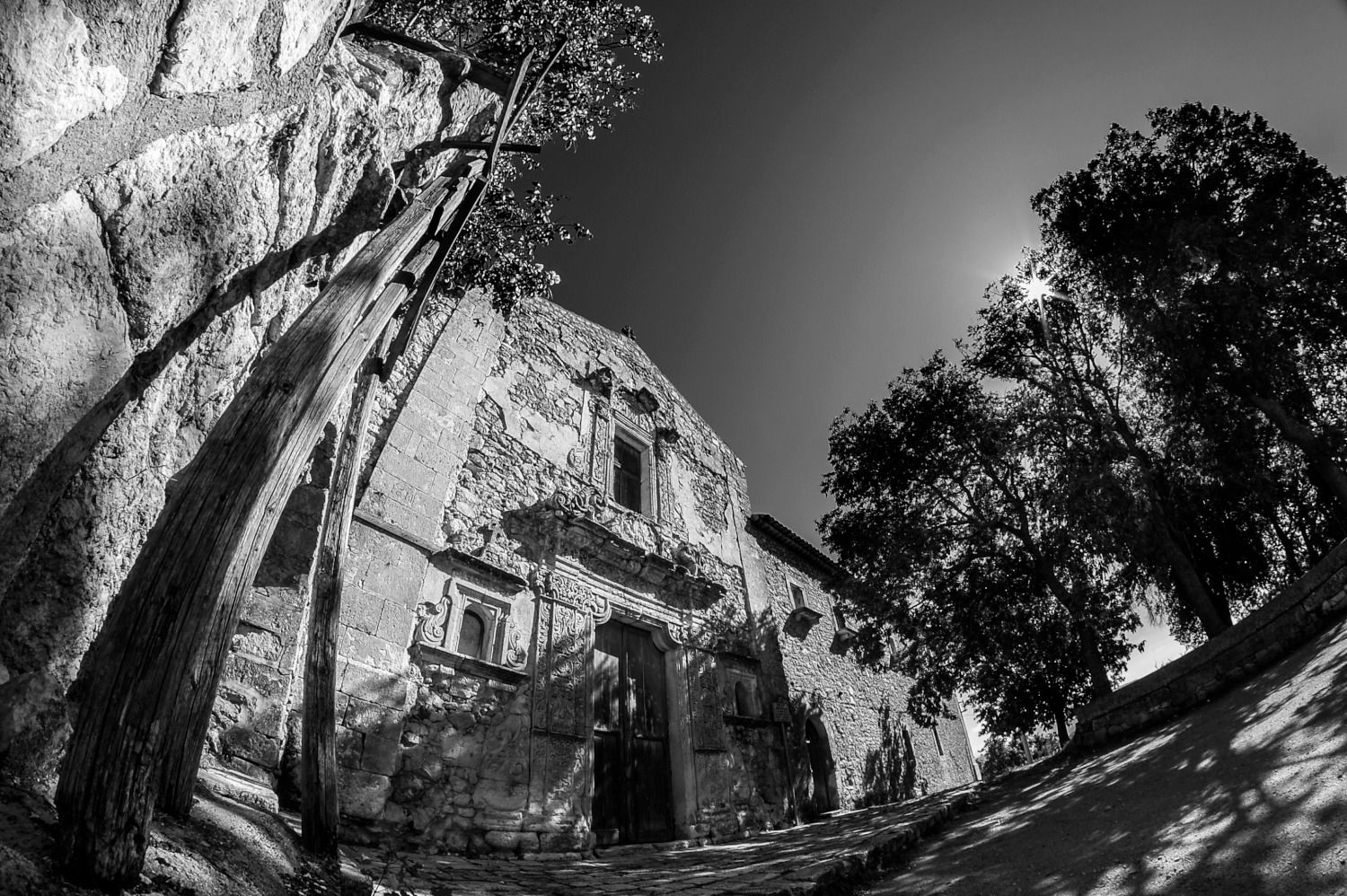
The historic center features a traditional urban layout, with paved streets, stone buildings, and numerous religious buildings. Among these, the 18th-century Mother Church is one of the municipality's main architectural and cultural landmarks, housing works of historical and artistic interest.
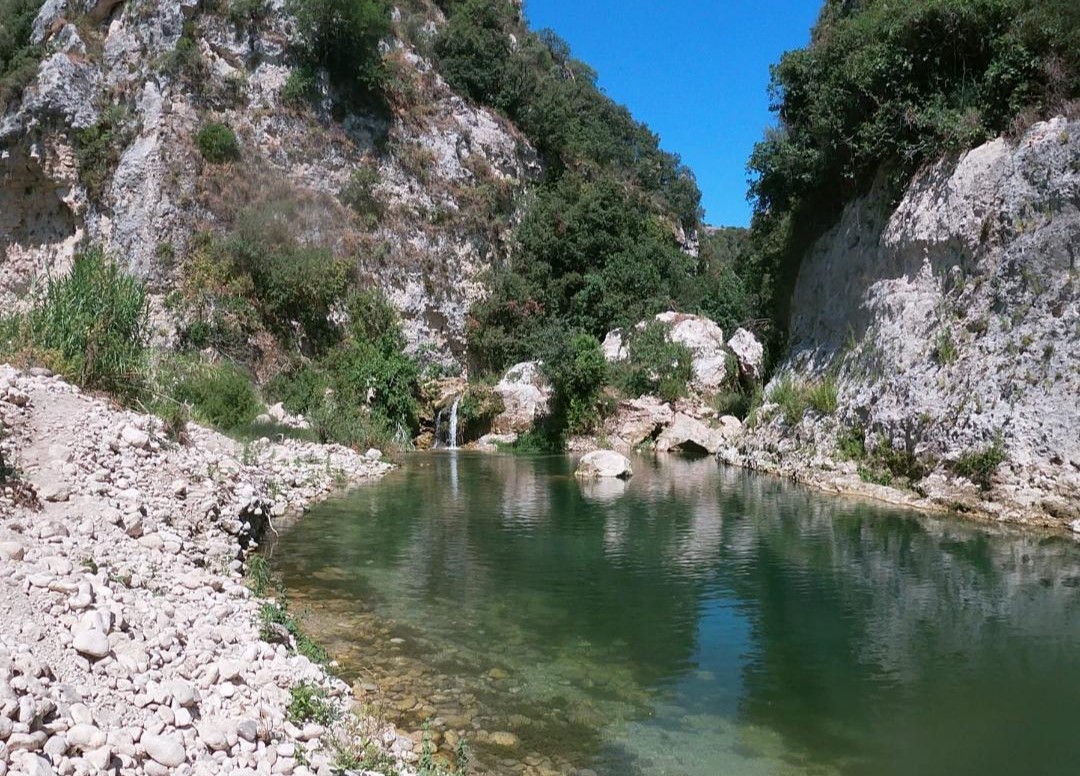
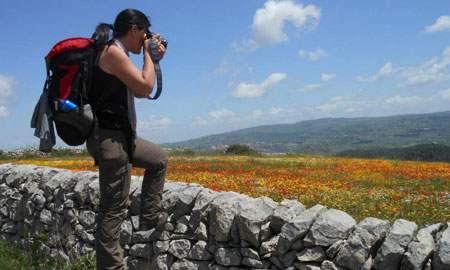
The area is characterized by an agricultural landscape typical of the Hyblaean area, with olive groves, vineyards, and tree crops. The surrounding areas offer nature trails and outdoor itineraries, also thanks to the proximity of the Anapo River, which contributes to the definition of the natural environment.
The local gastronomic tradition is based on local products and dishes inspired by Sicilian cuisine, showcasing local ingredients and wine production.
Ferla is characterized by integrated historical, environmental, and cultural elements, which contribute to defining its identity and making it an area of interest both for tourism and for regional analysis.
 Associazione: Anci Sicilia
→
Associazione: Anci Sicilia
→
 Associazione: Borghi più belli d'Italia
→
Associazione: Borghi più belli d'Italia
→
 Gruppo di Azione Locale: GAL Natiblei
→
Gruppo di Azione Locale: GAL Natiblei
→
Ferla boasts a business network composed primarily of local businesses that contribute to the local economy.
Among the most widespread activities are artisan workshops, producing ceramics, fabrics, and handcrafted wooden objects. These activities represent a continuity with local traditions and contribute to the valorization of typical products.
The agricultural sector is another important area, with companies engaged in the cultivation of olives, citrus fruits, vegetables, and other local produce. In particular, olive oil production is one of the area's main resources. These products are distributed both locally and regionally.
The commercial sector is represented by businesses offering a variety of goods, helping to meet the needs of residents and visitors. Among these, activities related to the sale of food products, often sourced from local supply chains, are particularly important.
The service sector is also present, with businesses related to catering, hospitality, and other personal services, which support both the daily life of the community and tourism.
Local businesses contribute to the local economy, promoting employment and supporting the continuity of productive and cultural traditions.
The Ferla area, with a population of 1,260 in 2023, covers an area of 24.8976 km². The demographic structure shows a predominance of women, while the presence of foreign citizens is limited, with 41 residents.
As of December 31, 2021, there were 1,961 housing units, of which 1,019 were occupied and 942 were unoccupied, a figure that highlights potential for restoration and enhancement of the building stock.
The accommodation offering appears limited: there are no hotels or campsites, while there is one agritourism facility and two bed & breakfasts, for a total of 77 beds.
From a tourism perspective, the area offers opportunities for development in the rural and food and wine sectors, also in light of the characteristics of the local context. However, the limited availability of accommodations may pose a critical issue in terms of attracting larger flows of visitors.
From a demographic perspective, the presence of an elderly population is a significant factor, which may require strategies aimed at attracting new residents and economic initiatives.
The geographical and morphological characteristics, with a prevalence of altitudes between 300 and 899 meters above sea level, offer favorable conditions for the development of activities related to nature tourism and hiking.
Ferla presents potential for development, particularly in the rural and food and wine tourism segments, for which significant interventions aimed at strengthening the accommodation offering and related services are warranted.
Ferla is a municipality in eastern Sicily with several attractions of tourist interest, linked to the area's historical, cultural, and environmental heritage.
Among the main landmarks is the Mother Church of San Sebastiano, an 18th-century religious building located in the historic center, which houses significant works of art and decorations.
The area also includes historical structures and evidence, including the remains of fortifications dating back to past eras, which contribute to understanding the area's settlement evolution.
From a naturalistic perspective, Ferla is located near the Cavagrande del Cassibile Nature Reserve, a protected area characterized by canyons, hiking trails, and river environments, which is an attraction for outdoor activities.
Also of particular importance is the Necropolis of Pantalica, an archaeological site of international importance, listed as a UNESCO World Heritage Site, which preserves thousands of rock tombs dating back to prehistoric times.
The local offering is complemented by restaurants serving traditional Sicilian dishes, contributing to the promotion of the region's gastronomic produce.
Ferla is a destination where historical, environmental, and cultural elements blend together, offering a variety of experiences.