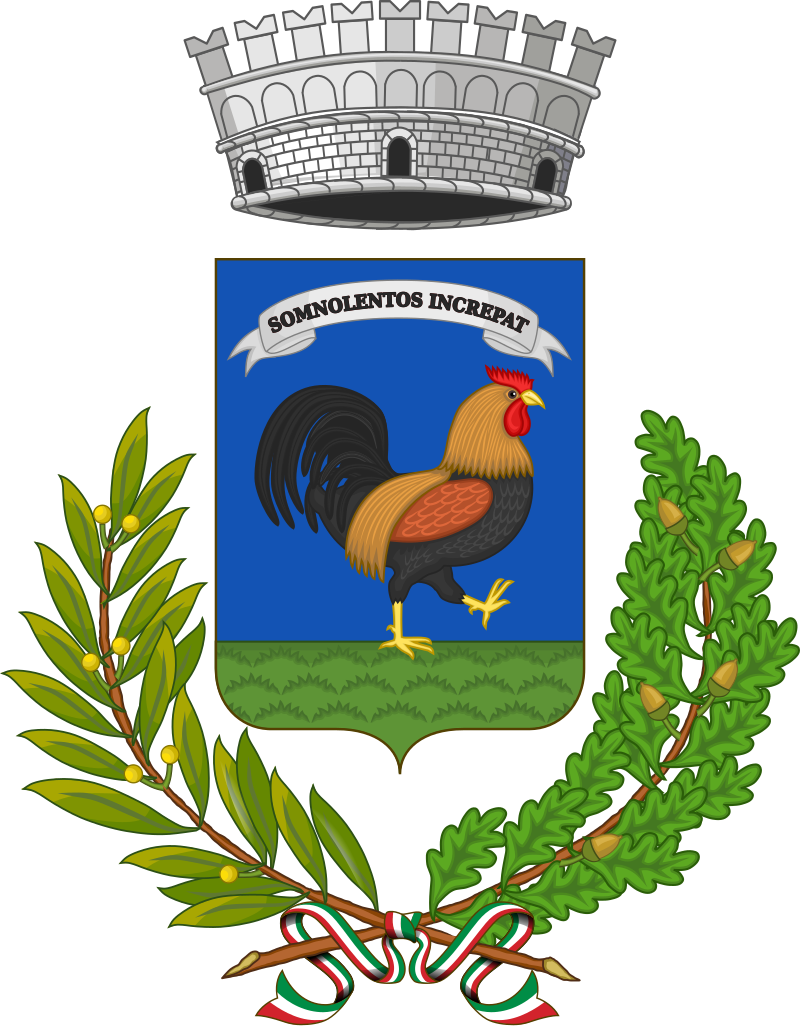
Nestled in the green heart of the Tuscan-Emilian Apennines, the municipality of Cantagallo represents the wildest and most mountainous face of the province of Prato. This territory, which extends across the upper Bisenzio Valley, is a jewel of pristine nature, a landscape dominated by vast beech and chestnut forests, crystal-clear streams, and ancient stone villages. Its name, which according to a fascinating legend derives from the Latin "Cantus Galli" (the cock's crow), evokes a rural past and a deep connection to the rhythms of nature.
Unlike the classic Tuscan hills, Cantagallo offers a more rugged and majestic landscape, much of which is protected by the Acquerino Cantagallo Nature Reserve. This area is a true paradise for trekking and hiking enthusiasts, with a dense network of trails leading to fascinating places, such as the Faggione di Luogomano, a centuries-old tree declared a national monument. History has left its traces in the ruins of ancient fortresses, such as the Rocca di Cerbaia, and in the small medieval villages scattered throughout the area, such as Luicciana, the seat of the municipality, and the abandoned hamlet of Cavalciotto.
This is a place where life moves more slowly, tied to the seasons and the produce of the forest. Here, agricultural tradition is expressed not so much in the vineyards and olive groves, but in the harvesting of chestnuts and mushrooms, which are the true protagonists of the local cuisine. Cantagallo's cuisine is simple and hearty, based on authentic flavors such as chestnut flour polenta, game dishes, and traditional mountain recipes. Autumn is the most magical season, when the woods are tinged with warm colors and the scent of roasted chestnuts enlivens the traditional "castagnate," village festivals that celebrate this land's most precious fruit.
Visiting Cantagallo means immersing yourself in a different and unexpected Tuscany, an oasis of peace far from the hustle and bustle, where you can rediscover a direct and profound connection with nature. It's a journey that engages all the senses, an adventure amid the rustling leaves, the echoes of ancient legends, and the beauty of a landscape that has retained its most authentic and wild essence. A treasure trove of hidden gems just waiting to be discovered by those seeking tranquility and unspoiled beauty.
No membership group specified.
The Tuscan territory of Cantagallo, while maintaining an identity strongly linked to its agricultural history and traditional culture, hosts a wide range of local businesses ranging from services to agriculture, from wine production to traditional craftsmanship. The economy of this municipality, located in the heart of green Tuscany, is in fact characterized by a rich variety of activities, many of which are closely linked to the enhancement of its environmental, cultural, and gastronomic heritage. Among the most significant businesses in Cantagallo are certainly those in agriculture, active in both livestock and wheat and olive production. Many of these activities are family-run, linked to agricultural traditions that have been passed down from generation to generation, helping to keep alive the connection with the land and the natural rhythms of the seasons. Excellent wines are produced here, following a long tradition of winemaking, as well as high-quality extra virgin olive oil. In the territory of Cantagallo, beekeeping has also developed significantly. Many family businesses and cooperatives are engaged in honey production, a product appreciated both locally and nationally. This activity also plays a fundamental role in environmental protection and biodiversity conservation, contributing to the preservation of local flora. But artisanal production is another sector in which Cantagallo excels. From the furniture sector, with wood processing inherited from past master craftsmen, to the production of ceramics, characterized by unique designs and bright colors. Attention to detail and care in the processing of materials make these products valuable and sought after, not only in Italy but also abroad. The tourism industry is undoubtedly another key sector in Cantagallo's economy. Despite not being very large, the beauty of its territory, the breathtaking views, and the peaceful atmosphere make it a highly appreciated destination for tourists. There are numerous accommodation facilities, ranging from the most familiar bed & breakfasts to the most equipped agritourisms, capable of offering an authentic experience of staying in this enchanting Tuscan rural reality. Finally, Cantagallo is home to numerous small and medium-sized enterprises active in various sectors, from construction to engineering, from consulting to distribution. Despite the predominantly rural vocation of the territory, these businesses demonstrate a remarkable capacity for innovation and adaptation to market challenges, confirming the liveliness and dynamism of the local economy. In conclusion, the local businesses of Cantagallo represent a virtuous example of how it is possible to combine tradition and innovation, territorial enhancement and economic development. The result is a varied and dynamic entrepreneurial fabric, capable of contributing to the well-being of the local community and attracting visitors from all over the world.
The Municipality of Cantagallo, identified by the ISTAT code 100001, covers an area of 95.6225 sq km and, according to 2023 forecasts, has a total population of 3131 inhabitants, evenly split between males (1626 individuals) and females (1505 individuals). This community appears rather homogeneous, with a small number of foreigners (236 in total), contributing to a stable and integrated social demography. In terms of housing, the municipality has a moderate residential density, with a total of 2247 dwellings as of December 31, 2021, of which a significant number (869) are unoccupied. This data could offer interesting opportunities in the real estate sector, both in terms of purchase and rental. Geomorphologically, Cantagallo is distributed across various altimetric levels, with a large percentage of the territory (43.08%) between 600 and 899 meters and another significant portion (33.63%) between 300 and 599 meters. This, combined with the lack of accessibility to railway stations, highways, airports, and ports, suggests a predominantly rural and mountainous environment, characterized by tranquility and isolation. Despite the terrain not appearing to favor intense tourist activity, the local accommodation availability consists of 6 non-hotel establishments (3 agritourisms and 3 mountain huts) offering a total of 81 beds. This data could guide investments towards quality tourism, linked to the territory and the discovery of local traditions. However, the absence of museums or similar cultural institutions may pose a challenge for the development of cultural tourism. Therefore, investments aimed at enhancing the local historical and artistic heritage, or the creation of museum facilities that can encourage tourist flow and showcase the culture and traditions of the area, could be considered. Regarding healthcare infrastructure, there is no data indicating its presence or absence, which is crucial information for a potential investor. In summary, Cantagallo appears as a peaceful territory with good potential for real estate investments, as well as for the development of rural and sustainable tourism linked to the natural environment. However, further investigations may be necessary to better understand the cultural and healthcare offerings.
Nestled in the Apennine mountains, in the highest and wildest part of the Bisenzio Valley, the municipality of Cantagallo offers visitors an immersion in an unexpected and authentic Tuscany. The heart of this extraordinarily beautiful area is its pristine nature, protected by the Acquerino Cantagallo Nature Reserve, a paradise of ancient forests and crystal-clear streams. The identity of each village is tied to this landscape, to a past of lumberjacks, charcoal burners, and shepherds. The municipality's patron saint is Saint Michael the Archangel, whose feast day is a moment of heartfelt community participation.
History has left its traces in ancient parish churches and solitary fortresses. The Parish Church of San Michele a Luicciana, the seat of the municipality, is a fascinating example of sacred mountain architecture, which for centuries has been a spiritual reference point for the valley's people. But the most powerful symbol of the medieval past is the evocative Rocca di Cerbaia. Perched on a rocky outcrop, this ruined fortress dominates the valley with its dramatic profile, evoking stories of battles and territorial control. Visiting it means taking a dive into history, enjoying breathtaking views of the surrounding nature.
Cantagallo's traditions are deeply tied to the fruits of the forest. Autumn is the season when the area comes alive with festivals dedicated to its most prized products: porcini mushrooms and, above all, chestnuts. The traditional "castagnate" are popular festivals where you can enjoy roasted chestnuts, sweet chestnut flour polenta, and other authentic mountain flavors, rediscovering a deep connection between the community and its land. There are no grand contemporary art museums or Renaissance fairs, but an equally profound cultural experience, offered by the trails that lead to stone villages like Migliana and natural wonders like the Faggione di Luogomano.
Wandering through the streets and paths of Cantagallo, you'll be immersed in an atmosphere reminiscent of history and tradition, rooted in every corner of this magically authentic town. Far from the rolling hills of popular imagination, a trip to Cantagallo reveals the true spirit of the Tuscan Apennines, making every visit an unforgettable experience for those seeking peace, nature, and authenticity.