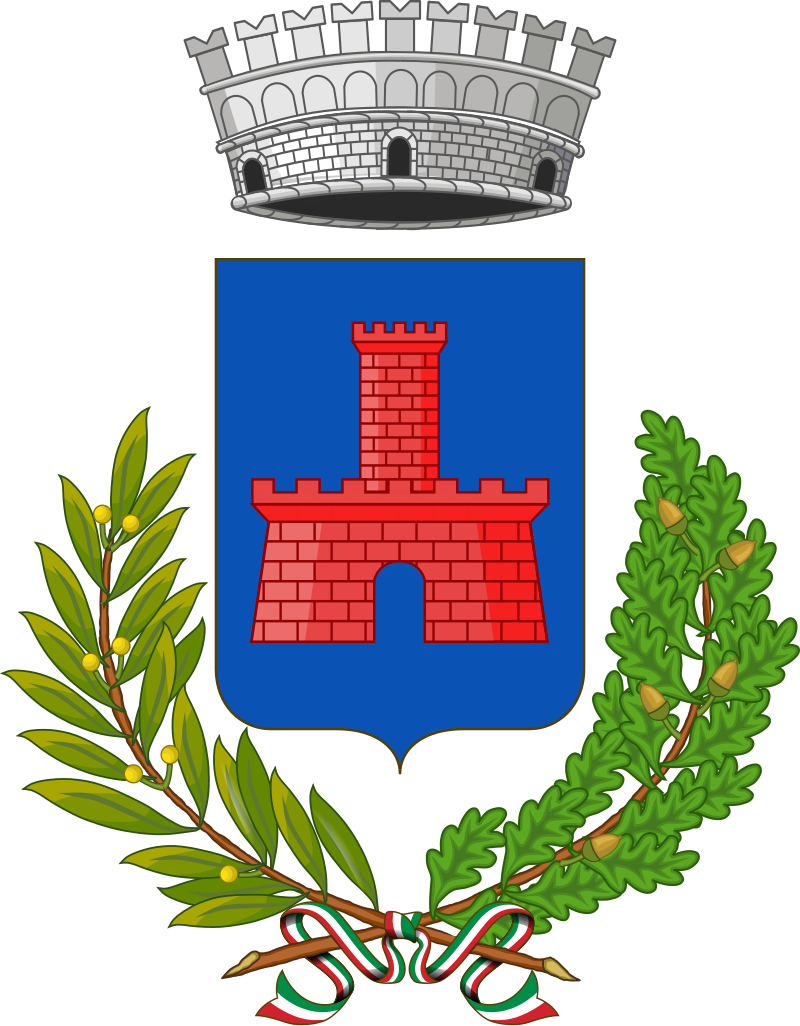
Nestled in the lush greenery of the Tuscan hills, amidst dense forests and acres of lush fields, lies Vernio, a charming town in the province of Prato. A place where the serenity and beauty of nature blend with the rich history and culture of Tuscany. Vernio extends across the Bisenzio Valley, a river that is the beating heart of the area's economy, having fostered the growth of activities around its waters over the centuries, such as fishing and rice cultivation. The town extends to the slopes of the Tuscan-Emilian Apennines. The town of Vernio, comprised of several hamlets, is home to approximately 6,000 residents. The cobbled streets, ancient stone buildings, historic churches, and picturesque squares create an atmosphere of historical charm that captures the imagination of every visitor. Its predominantly mountainous terrain enriches the natural landscape, offering spectacular panoramic views. Vernio has an ancient and fascinating history, marked by important events and prominent figures. In the Middle Ages, the town was nestled among the many fortresses in the area and served as an important transit point through the Apennines for traders and pilgrims traveling along the "Road of the Gods." The Vernio area has always maintained strong ties to agriculture, supporting traditional activities such as grain cultivation, viticulture, and olive oil production. Furthermore, the presence of numerous water sources in the area led to the development of many watermills in past centuries. Despite its secluded location, Vernio is well connected to Tuscany's main cities. Prato, Lucca, and Florence are not far away, and access to these fascinating art cities is facilitated by an efficient public transportation network, making Vernio an ideal base from which to explore the region. Popular traditions also play an important role in Vernio's culture. Every year, the town celebrates the "Palio delle Contrade," a popular festival that sees the town's various districts compete in historic races, including the famous "oxen race." This festival, rooted in local culture since the Renaissance, attracts many visitors and brings a breath of joy to the streets of Vernio. Vernio's cuisine, like that of all of Tuscany, is simple yet rich in flavor. Typical local dishes, such as potato tortelli, are prepared according to traditional recipes and served in the many restaurants and trattorias in the area. In short, Vernio is a little gem nestled in the Tuscan hills. A place where time seems to have stood still, where nature, history, and tradition come together to create an unforgettable experience for anyone who chooses to visit. Vernio is a hidden treasure waiting to be discovered, a corner of Tuscany where the warmth of hospitality and the beauty of the landscape will welcome you with a warm embrace.
No membership group specified.
Vernio, a small Tuscan municipality, hosts a lively network of small and medium-sized enterprises that actively contribute to the local economy. These businesses act as a catalyst for the local economy, thanks to the wide variety of sectors in which they operate. One of the strongest sectors in the area is manufacturing, a legacy of a long history of local craftsmanship. Manufacturing companies in Vernio produce a variety of products, from ceramics to furniture, and many of these companies are run by local families for generations. These companies represent tradition and excellence in design and production, keeping alive techniques and know-how passed down from generation to generation. Food production is another key sector in Vernio. Local companies are known for the excellence of their production, whether it be cheeses, cured meats, honey, or wine. Many of these companies also offer tastings and guided tours of their facilities, allowing visitors to discover the secrets of their production and taste authentic and genuine products, enriched by the taste and aroma of Tuscan tradition. There is no shortage of activities related to the service sector. From the small grocery store to the renowned trattoria, the hospitality of local businesses is a fundamental element that contributes to the unique character of Vernio. Attention to detail, attentive and friendly service, and the quality of products offered make every experience unique and rewarding. In the agricultural sector, local businesses are mainly dedicated to the cultivation of olive trees, vines, and cereals. Agricultural companies in Vernio produce high-quality extra virgin olive oil, fine wines, and varieties of durum wheat. Organic farming is very present in the area, representing a commitment of local businesses to environmental protection and consumer health. Finally, in the construction sector, Vernio hosts several companies that stand out for their experience and expertise. These companies offer a wide range of services, from the renovation of historic buildings to the construction of new buildings, ensuring quality and professionalism. In summary, Vernio is a municipality distinguished by the richness and diversity of its local businesses. These companies, despite operating in different sectors, share a common commitment to quality, innovation, and customer satisfaction. They are a living testimony to the dynamism and vitality of this small Tuscan reality, and represent a fundamental element for its future economic development. Although Vernio is a small municipality, its local businesses are an example of how tradition and innovation can coexist and contribute to the success of an area.
The municipality of Vernio, with the ISTAT code 100007, presents itself as an interesting territory for potential investments, having different characteristics to consider. Starting from the demographic statistics, as of 2023 the municipality has 6149 inhabitants, almost evenly divided between males and females, and hosts a foreign population of 655 people. This data reflects a degree of multiculturalism that can bring advantages, especially in the commercial sector, offering a range of options that reflect the diverse needs of the community. The territory of Vernio extends for over 63 square kilometers, making it perfect for investing in real estate development projects, as there are 2714 occupied dwellings and 1480 unoccupied ones. The presence of unused dwellings means that there are opportunities for renovations and rehabilitations, which could bring a considerable return on investment, considering also the tax incentives in the real estate sector. As for the tourism sector, Vernio offers various accommodation options, with a total of 13 accommodation facilities, including a three-star hotel, various farmhouses, and bed & breakfasts, with a total of 172 beds available. Although Vernio has only one museum, its geographical location could be an element of tourist attraction, considering that its altimetric bands vary, offering potential trekking activities, excursions, and nature admiration. In terms of infrastructure, it is important to underline that Vernio enjoys excellent accessibility, with a train station, highway access, and an airport at zero distance (meaning very close to the center of the municipality), favoring both residents and tourists. In conclusion, Vernio is a territory that offers various investment opportunities. The real estate landscape, combined with a stable demographic situation and excellent accessibility, makes it ideal for investors interested in creating sustainable value. At the same time, the tourism and accommodation offer can be further developed and enhanced, considering the potential offered by the natural and landscape heritage of the territory. Finally, the presence of a foreign community can lead to investments in the commercial sector, aimed at meeting the diverse needs of this population.
Vernio is a Tuscan town rich in charm and elegance, home to artistic, cultural, and natural treasures that attract visitors from around the world. One of Vernio's most fascinating aspects is undoubtedly its religious heritage, which manifests itself in various forms, from devotion to its patron saint, to sacred monuments, and to popular festivals. Saint Stephen the Protomartyr is the patron saint of Vernio, and a solemn feast is celebrated in his honor every December 26th in the parish church of the same name. This sacred building is an architectural gem of the town, with its limestone façade and altars decorated with priceless frescoes and sculptures. Other notable churches in the municipality include the Church of Sant'Andrea in Cavarzano, an ancient sacred building with a refined architectural structure and various artistic elements within, and the Church of Santa Maria in Montepiano, a masterpiece of religious architecture that houses important works of art. Vernio cannot be discussed without mentioning its historical and monumental heritage, particularly Caiano Castle, an ancient fortified building perched on a hill overlooking the entire valley below. The castle still retains traces of its glorious past, such as its imposing walls and watchtowers. Another site of notable historical interest is the Villa di Montepiano, an elegant building surrounded by a lush park. Beyond its architectural and monumental beauty, Vernio also stands out for its cultural events and popular festivals. The Vernio Carnival, known as "Berlingaccio," is a local tradition dating back to the Renaissance. It is celebrated annually in the run-up to Lent and features the entire community, who gather for dancing, singing, masked processions, and sampling local specialties. An event marking the change of seasons is the traditional Feast of St. John the Baptist, held at the end of June in the hamlet of Mercatale. This festival has strong religious significance and offers an opportunity to explore historic routes, visit monuments, and learn about ancient local traditions. Finally, don't miss "Cioccolosità," a chocolate festival held in early December. The event is an excellent opportunity to savor the delights of local chocolate and discover the region's finest products. Vernio thus emerges as a place of great variety and beauty, where vestiges of the past blend with popular traditions and the liveliness of contemporary festivities. A place where every visitor can feel part of Tuscany's history and culture, amidst monuments, churches, festivals, and natural attractions.