
In the splendid and fascinating Italian region of Tuscany, anchored proudly between the sturdy rolling hills and the fertile emerald plains, lies Arezzo, a municipality full of history and character. Its roots delve into the dark depths of antiquity, dating back to the Etruscan era, one of the earliest advanced civilizations of the Mediterranean. Therefore, the magical Arezzo seems to be steeped in history, with its corners and views vibrating intensely with distant and ancient echoes. Impressive is the lively urban panorama of Arezzo, distinguished by its medieval architecture. The ancient streets, sometimes winding, organically move through the city, among historically significant buildings of artistic and architectural interest. Up above, time seems to have stopped, while the incredibly fascinating silhouette of the Cathedral of San Donato sharpens towards the sky. Arezzo is known for its vibrant cultural scene, reflected in its enticing museums, vibrantly dynamic local galleries, and frequent artistic and literary events. Of particular note is the legendary poet Petrarch, a world-renowned figure born and raised on the streets of Arezzo. His legacy still lives on today, with his birthplace transformed into a museum dedicated to his engaging poetry and influential works. The locality is also renowned for its gastronomic heritage, which becomes another means to discover its soul. Flavors range from the robustness of Florentine steaks to the refined taste of the region's Chianti wine, passing through the sinuous sweetness of local desserts. Arezzo's enogastronomy is a sensory journey, where taste becomes a means to discover the city's cultural identity. In the field of visual arts, Arezzo is known for its traditional goldsmith industry, a tradition dating back to Etruscan domination. The handcrafted jewelry by local master craftsmen, rich in charm and personality, reflect the meticulousness and care with which the city preserves its roots and traditions. If we now move from the center to the outskirts of Arezzo, surprises abound. The lushness of nature and the charm of the surrounding rural areas complete the panorama offered by the city, drawing a context of rare beauty. Old farmhouses, sinuous valleys, placid rivers, and towering mountains: a breathtaking ensemble that enriches Arezzo's natural heritage, transforming the municipality into a strategic point for those seeking a balanced blend of art, culture, and nature. Lastly, but certainly not least, the peace and inherent hospitality in the people of Arezzo give a sense of serenity to anyone visiting the municipality. The feeling is that of being part of a united community, where people truly appreciate the simple joys of life. This is Arezzo, a place to discover and love, an irresistible mix of ancient and modern, history and innovation, natural beauty and human creativity.
No membership group specified.
The entrepreneurial context of the Tuscan town of Arezzo is a fascinating blend of tradition and innovation, revealing the dynamism and resilience of this part of the beautiful country. Arezzo's economy is made up of a variety of local businesses, ranging from traditional artisanal ones, typical of this region, to more innovative and technological ones. Let's start by highlighting the fundamental role played by the goldsmith sector. Arezzo is known as the 'city of gold', with an industrial presence in the jewelry sector that represents a significant portion of the local economy. The goldsmith craftsmanship in Arezzo is one of the best expressions of Italian mastery in the sector, with an excellent international reputation. The high quality of the jewelry produced in Arezzo has helped to consolidate its success in the global market, strengthening Arezzo's image as a center of excellence in jewelry design and production. Another area where the city stands out is in the field of antiques. Arezzo is home to a famous antique market, one of the oldest and most important in Italy, which attracts thousands of enthusiasts and collectors every month. This monthly event reflects the importance of antiques in Arezzo's economic context, with many local businesses involved in restoration, antique object trading, and related events organization. Moving on to more modern sectors, Arezzo also excels in the fashion and design industry. Both high fashion clothing production and accessories and interior products are well established in the city and surrounding province, attracting the attention of brands and buyers from around the world. Numerous workshops and small businesses produce high-quality clothing, shoes, bags, and interior objects, with a focus on sustainability and innovation. Even more cutting-edge is Arezzo's foray into the technology sector. The city is home to numerous start-ups and tech companies, many of which specialize in innovative solutions for renewable energy, industry 4.0, and digitalization. These companies highlight Arezzo's commitment to a sustainable and technologically advanced future. Finally, the agri-food sector cannot be overlooked, as it constitutes an important part of the local economy. The countryside around Arezzo is dotted with farms dedicated to the production of fine wines, extra virgin olive oil, cured meats, and high-quality cheeses, which combined with local culinary art, make the area a favorite destination for food and wine lovers. In conclusion, Arezzo's economic ecosystem reflects the diversity and richness of this fascinating Tuscan city, in perfect balance between respect for traditions and openness to innovation. Arezzo's local businesses continue to develop and thrive, contributing to the vitality of this inviting and cosmopolitan community, and expanding its renown well beyond regional borders.
The territory under analysis corresponds to the ISTAT code 51002 and is identified with the Municipality of Arezzo. In the year 2023, the entire population of Arezzo is composed of 96,330 individuals, divided into 46,675 males and 49,655 females. This gender distribution shows a slight female prevalence. It is interesting to note the significant number of foreigners present, with a total of 36,632 residents, approximately 38% of the population, revealing a multicultural scenario and potential for investments targeted at this important portion of the population. In terms of territory, Arezzo covers an area of 3,233 sq km, providing plenty of space. The available housing units in 2021 totaled 191,254, of which 144,718 were occupied while 46,536 remained unoccupied at the end of the year. These data suggest potential in the real estate sector given the significant number of unoccupied housing units. As for the tourism offer, accommodation is mainly provided by a complex of 248 accommodation facilities including hotels and non-hotel establishments, for a total of approximately 4,626 available beds. Most of these accommodations are classified as 3 or 4 stars, followed by 2 stars, 1 star, and a tourist residence. There are also numerous alternatives such as commercially managed rental accommodations, agritourism facilities, holiday homes, and Bed & Breakfasts. The presence of only one campsite and one tourist village may suggest a possible opportunity for expansion in this market segment. From a cultural perspective, Arezzo boasts a significant heritage, as evidenced by its 9 museum institutions, which in 2020 recorded a total of 40,722 visitors. This conveys the image of a city rich in history and culture, providing potential growth opportunities in the tourism and cultural sector. Geographically, the city of Arezzo is not coastal or insular, nor is it located in a coastal area, but instead in the hills of Arezzo, with the center's altitude at 296 meters. The city is densely populated and there are no significant altimetric variations. In terms of accessibility, the city seems well connected with a train station, highway access, an airport, and a port all reachable within a maximum radius of 110 minutes. In conclusion, Arezzo could represent a fertile ground for investors, thanks to its diverse population, cultural and tourism offer, wide range of available accommodations, and accessibility in terms of transportation. Potential investment sectors could include tourism, real estate, culture, and hospitality infrastructure.
Arezzo is a precious gem hidden in the heart of Tuscany. A city of art and culture, it majestically overlooks endless expanses of idyllic landscapes, witness to the passing of centuries and a rich and fascinating history. In the labyrinth of its cobbled streets and lively piazzas, visitors can discover numerous churches and monuments of inestimable historical and artistic value. Among these, the Basilica of San Francesco stands out, known for its sublime Bacci Chapel, frescoed by Piero della Francesca in the 15th century. It houses the famous "Stories of the True Cross," an extraordinary series of paintings that narrate the legend of the cross on which Christ died. This basilica is a work of art in itself, a temple of spirituality and beauty that enchants all who visit. Another glorious church in Arezzo is the Cathedral of Saints Peter and Donato, which dominates the city from the Pionta Hill. This magnificent Gothic church houses artistic gems, such as the Renaissance "Wooden Choir" and the "Funeral Monument of Bishop Guido Tarlati," a masterpiece by sculptor Agostino di Giovanni. In the heart of the city lies the Piazza Grande, famous for its beauty and for being the setting for the Oscar-winning film "Life is Beautiful." Every year, the Giostra del Saracino takes place here, a chivalric tournament that dates back to the Middle Ages, when knights in shining armor challenged each other to demonstrate their courage and skill. Today, with the same passion as then, the Giostra del Saracino engages the entire city in a celebration of color, sound, and tradition. Arezzo also prides itself on being the birthplace of Guido Monaco, the Benedictine monk who invented musical notes as we know them today. The Abbey of Saints Flora and Lucilla, where the monk practiced his ministry, remains a source of fascination and respect. In September, Arezzo celebrates San Donato, the city's patron saint, a deeply felt holiday that brings the entire community together in prayer and celebration. This event represents a moment of unity and celebration, strengthening the identity and sense of belonging of the Arezzo people. Arezzo is also home to the renowned antiques market, an event that draws enthusiasts and curious onlookers from all over Italy every first weekend of the month. The historic center transforms into a vast open-air living room where hidden treasures from bygone eras can be found. It's impossible to talk about Arezzo without mentioning its rich food and wine heritage. The city is known for its fine wines, including the famous Chianti, and for traditional culinary delights such as "arezzini," typical pyramid-shaped pastries. In conclusion, Arezzo is a city that offers a complete experience, capable of satisfying both the art lover and the history buff, from the refined palate to the adventure seeker. It's a city that captures the heart and soul, making you fall in love with it at every turn.
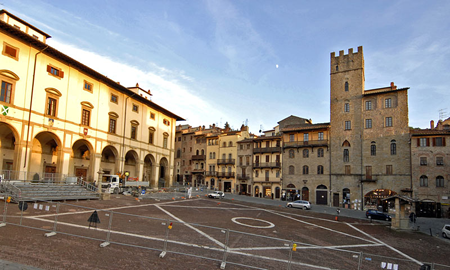 Arezzo Intour presenta il report delle attività 202526 maggio 2026
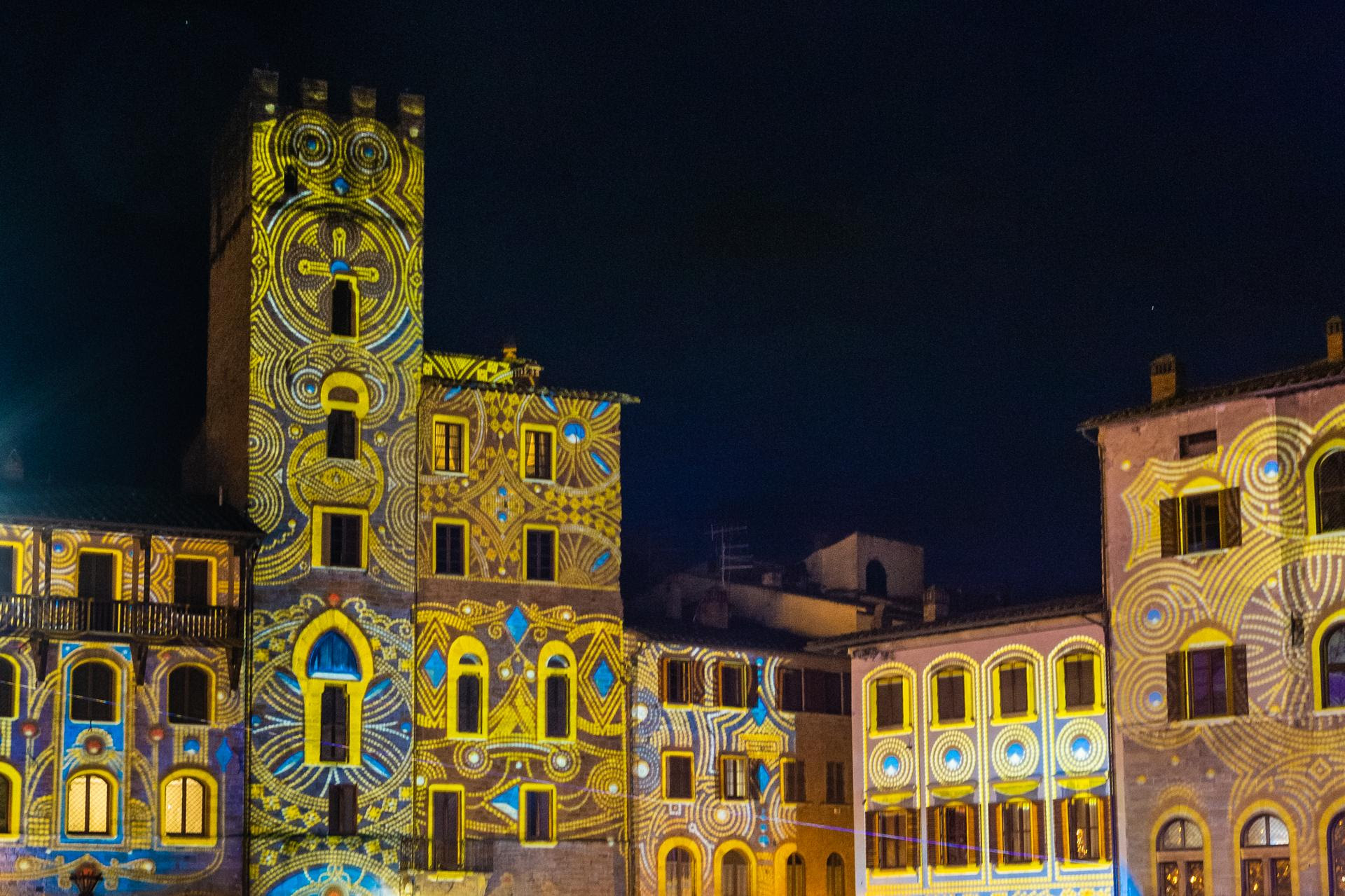 Arezzo Città del Natale tra spettacolari proiezioni di luce19 novembre 2025
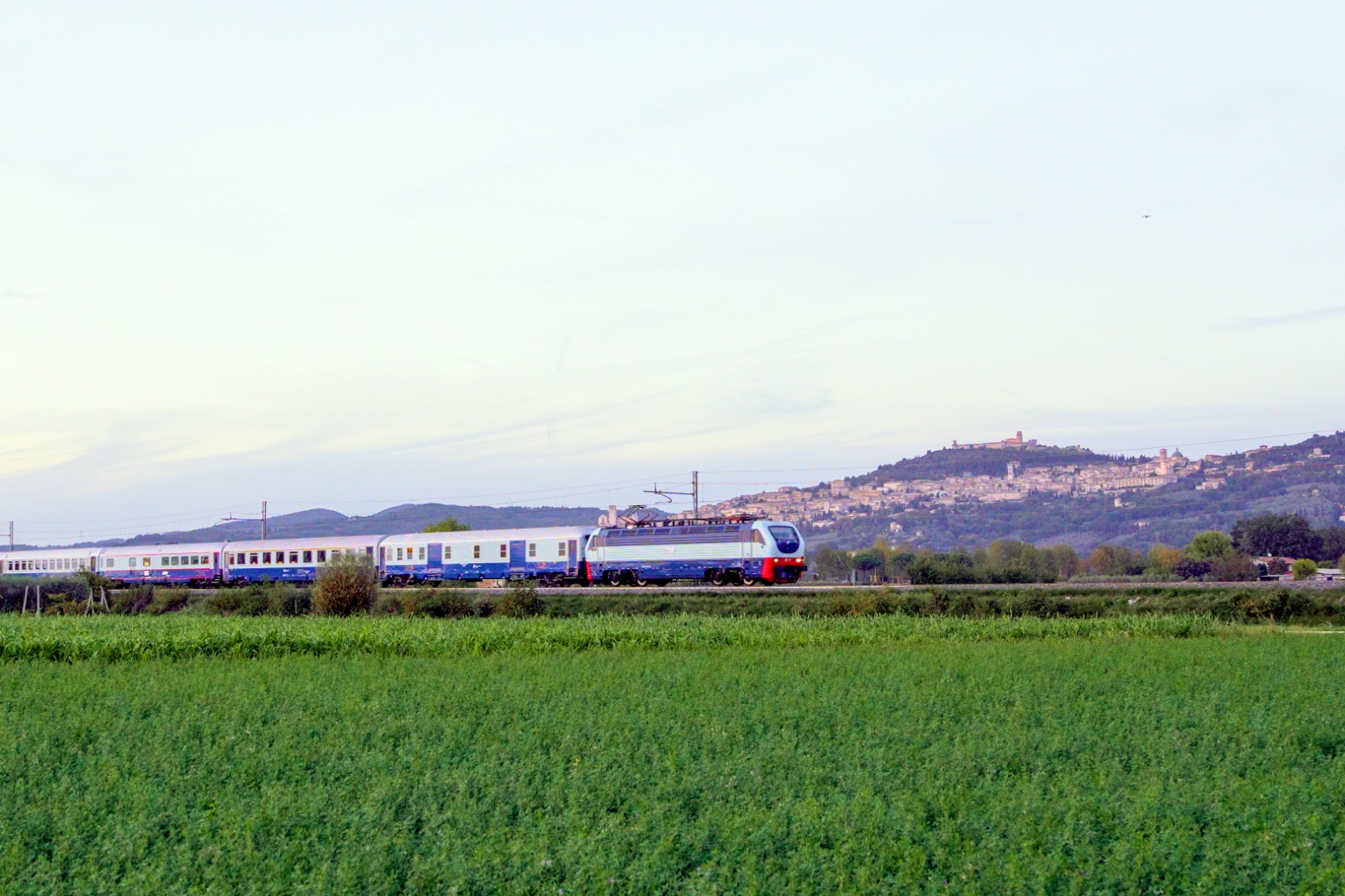 Con Espresso Assisi tra frantoi, cioccolato e mercatini di Natale21 ottobre 2025
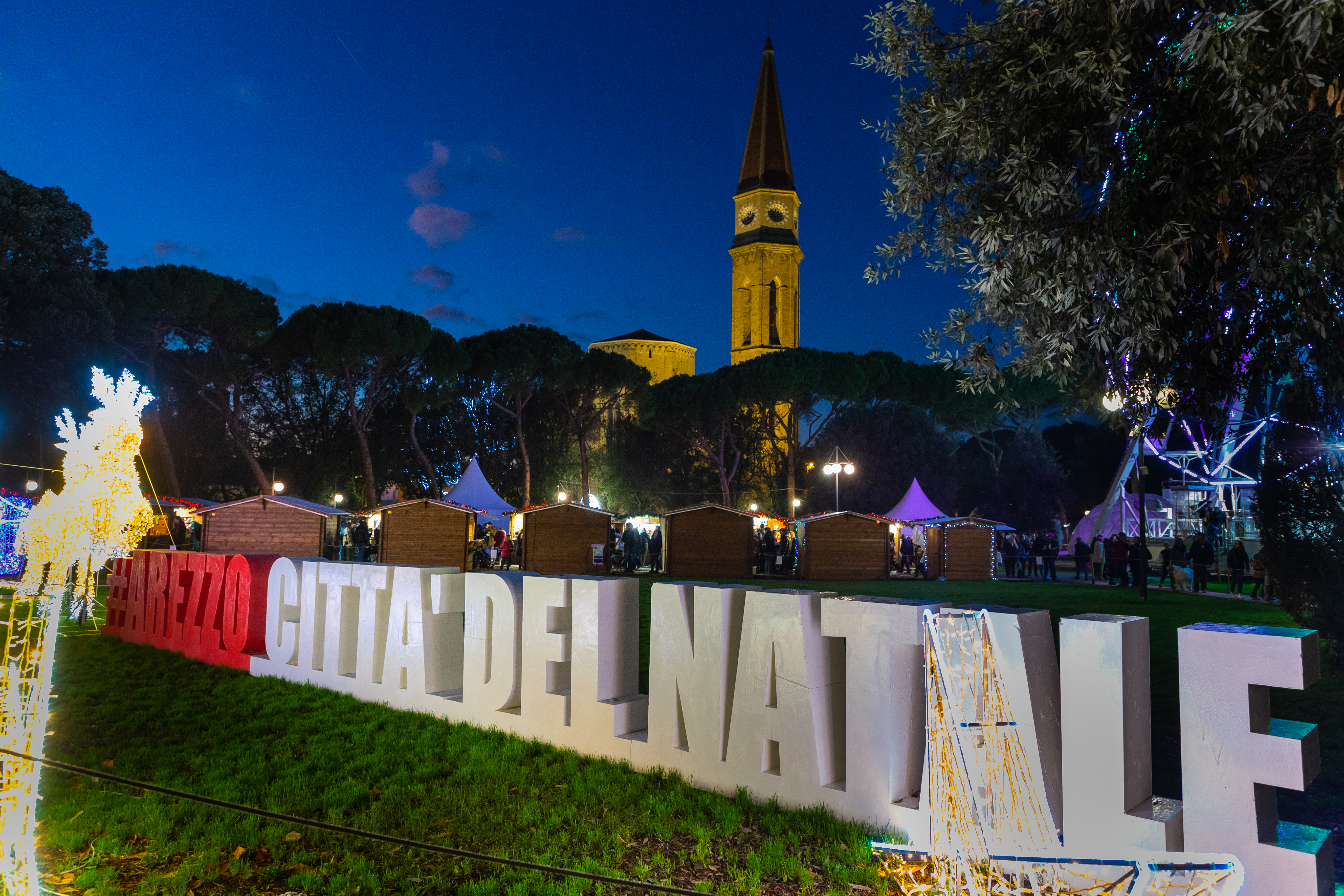 Arezzo Città del Natale: attrazioni per grandi e piccini20 ottobre 2025
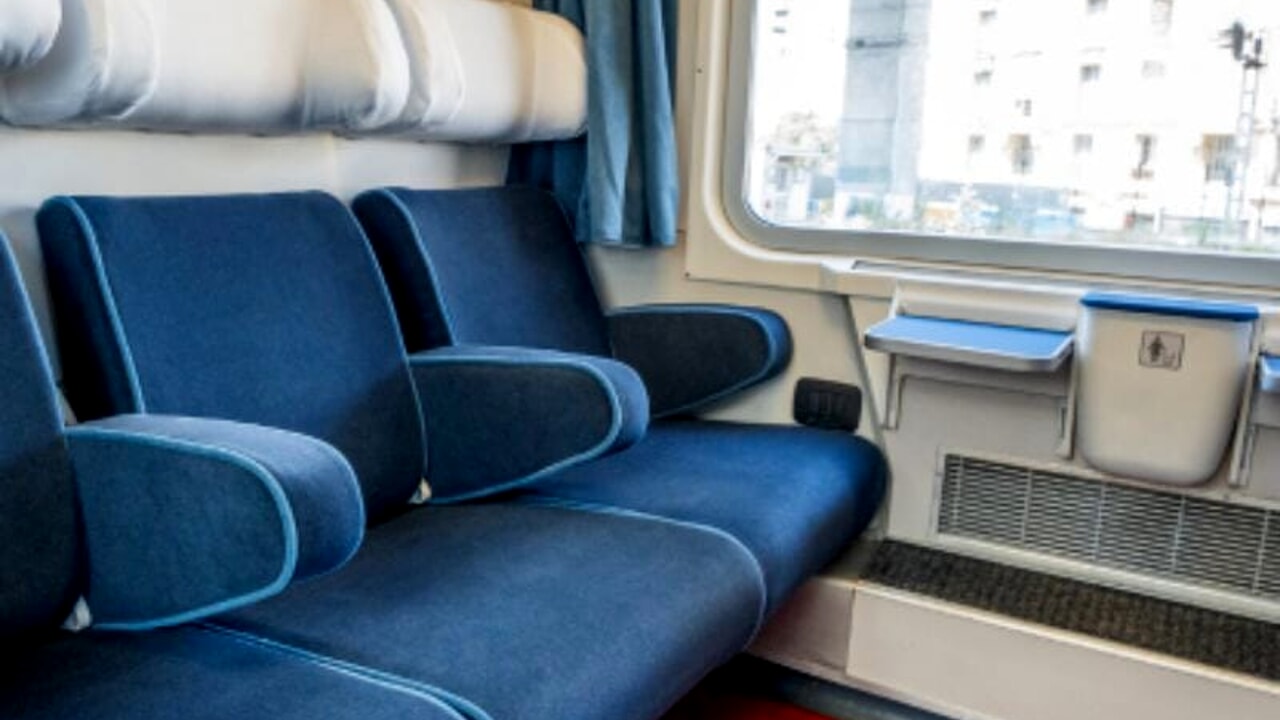 Fs Treni turistici italiani rilancia l’Espresso Assisi01 ottobre 2025
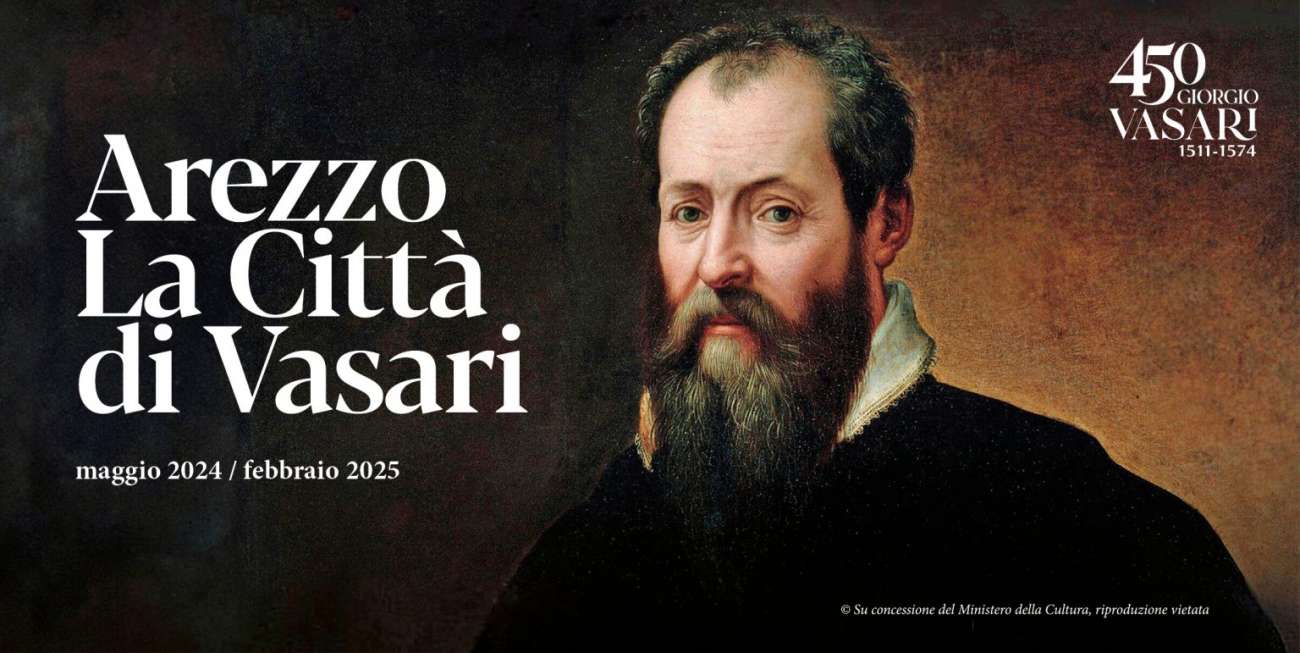 Arezzo aprirà il suo Corridoio Vasariano, versione small di quello fiorentino28 gennaio 2025
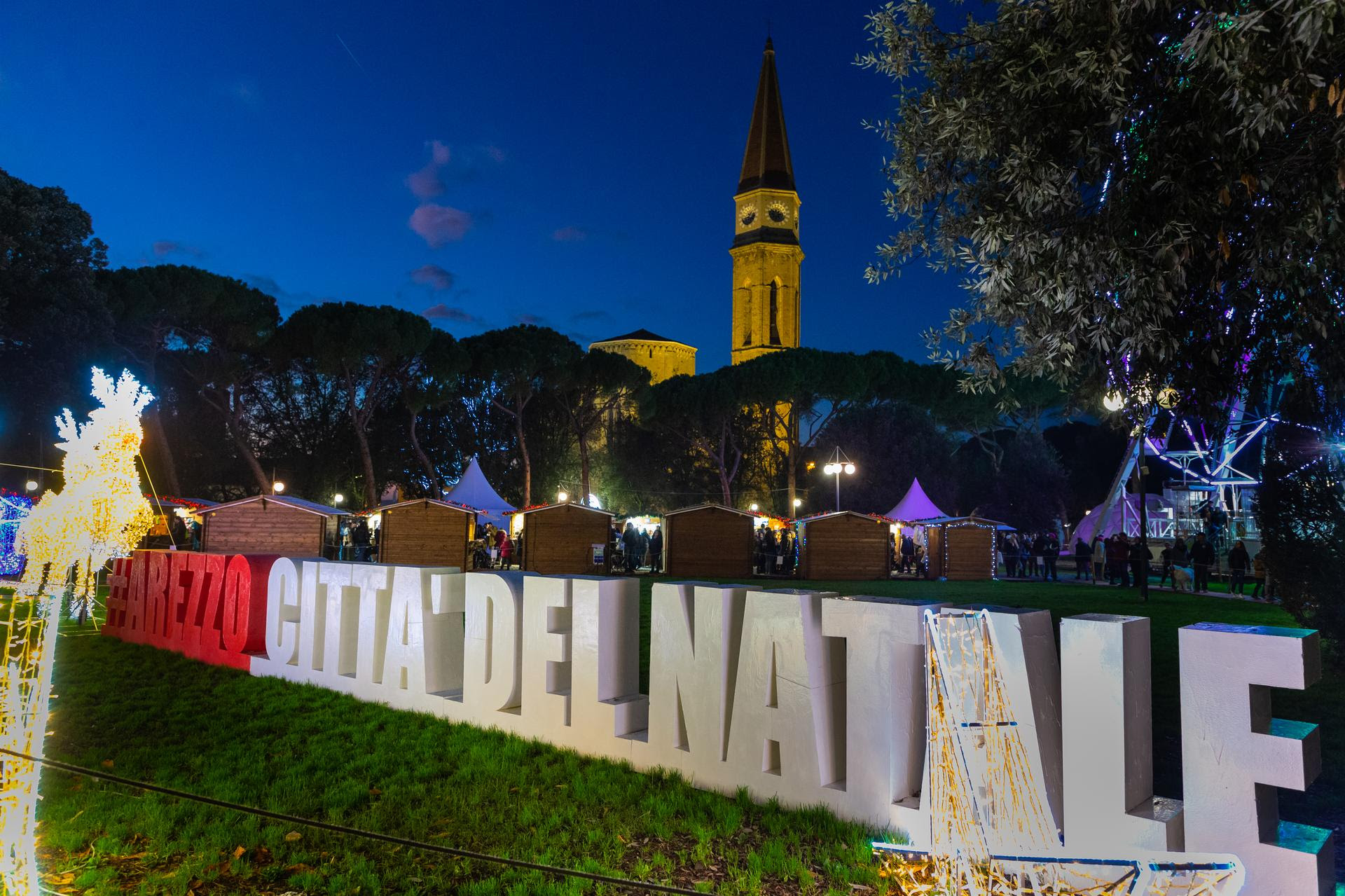 Arezzo Città del Natale: si rinnova l’appuntamento con la magia18 ottobre 2024
 Ad Arezzo torna l’appuntamento con l’eleganza dei ‘DandyDays’03 maggio 2023
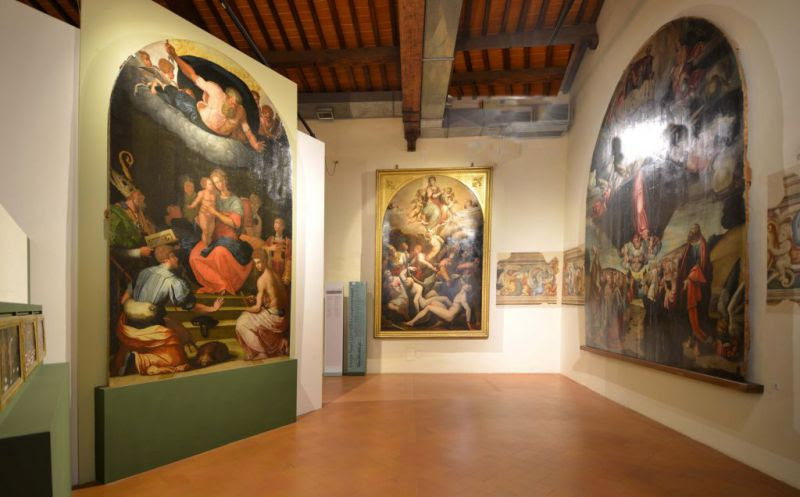 I musei di Arezzo protagonisti di una serie di videoclip17 aprile 2023
 Ad Arezzo siglato accordo per la gestione del sistema museale cittadino15 dicembre 2022