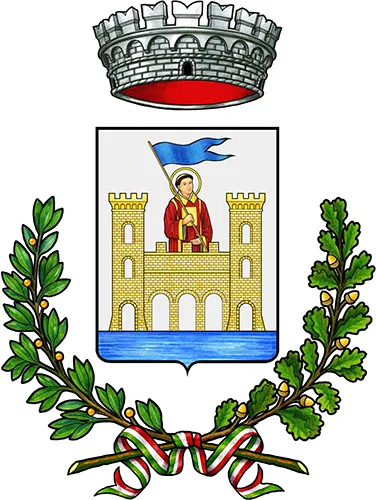
Immersed in the green heart of Tuscany, you can come across the municipality of Pieve Santo Stefano, a small jewel of medieval origin that preserves an undeniable charm. Located in the eastern part of the region, in the province of Arezzo, this territory of just under 3000 inhabitants protects a millenary history and a vast cultural heritage. The surrounding nature gives life to a bewitching landscape: a synergistic combination of the green of the woods, the gentle hills, and the enchantment of the mountain, represented by the suggestive Monte Nero. Within this picturesque setting, the territory of Pieve Santo Stefano lies along the Tiber Valley, a place where the beauty of the river merges with the majesty of the natural elements, creating a scenario of rare beauty. Given its geographical position, Pieve Santo Stefano has always been a place of passage and a meeting point between different civilizations. The origins of this community are lost in time, with the first evidence of settlements dating back to the Etruscan and Roman periods. It is a place that has been able to evolve and adapt, facing historical changes and the vicissitudes of time, going from being an important medieval village to transforming into a lively contemporary center. The municipality is known for its cultural richness, preserving numerous monuments and works of art of great value. But Pieve Santo Stefano has a particularly relevant role in the preservation and dissemination of Tuscan tradition, thanks in particular to the "Peasant Diary" initiative. This initiative was born in the 1980s to collect oral testimonies of local peasant traditions. Over time, it has become an archive of over 7000 diaries documenting the daily life, habits, and personal stories of the inhabitants from 1800 to the present day. A precious testimony, preserved at the National Diary Archive, which allows you to take a dive into the past and connect with the collective memory of this community. But Pieve Santo Stefano is not only history and culture: it also stands out for the quality of its social life. The municipality offers a peaceful and relaxing atmosphere, and its people are famous for the welcome reserved for visitors. The life of the town revolves around the central square, where you can socialize in one of the many cafes, savoring the typical local pastries. Finally, Pieve Santo Stefano is also known for the celebration of some particularly heartfelt festivities by the local population. Among these, the Feast of San Stefano stands out, celebrated every year on December 26th, and the Feast of Madonna del Faggio, a tradition that sees the inhabitants gather in procession to reach the homonymous little church located in the middle of the woods. In conclusion, Pieve Santo Stefano is a place of great charm, capable of combining the beauty of Tuscany with the warmth of hospitality. A village immersed in nature and time, a place where history, culture, and local traditions intertwine, creating a unique and unforgettable atmosphere.
No membership group specified.
In the heart of Tuscany, nestled among the green hills of the Tuscan-Romagnolo Apennines, immersed in a landscape of rare beauty, lies the small town of Pieve Santo Stefano, renowned for its dense network of local businesses that energize the site's economy with energy and passion. Despite its modest size, Pieve Santo Stefano demonstrates a surprisingly vibrant and well-rooted economy in the area. Among the most common economic activities, agricultural companies and agri-food businesses are particularly noteworthy. The latter, thanks to the contribution of skilled and passionate artisans, allow local products to achieve excellent quality and contribute to enhancing the gastronomic traditions of the area. Among the agricultural companies, those dedicated to olive growing and viticulture deserve special mention. The vineyards produce high-quality wines, such as the famous Chianti, a symbol of Tuscan oenological excellence. The olive groves, on the other hand, offer extra virgin olive oil that, with its unique and rich taste, becomes the undisputed protagonist in local cuisine. Pieve Santo Stefano is also the ideal place for those looking for quality products, thanks to the presence of numerous artisan shops. Here, the skill and experience of local artisans are excellently manifested, transforming excellent quality raw materials into authentic masterpieces. From wood, masterfully worked, furniture and fixtures are born that reflect Tuscan tradition and art, while from ceramic workshops come everyday objects that embody the perfect symbiosis between art and functionality. Finally, one cannot forget the tourism industry, which over the years has grown and developed thanks to the beauty of the place and the dedication of sector operators. Hotels, farmhouses, and bed & breakfasts offer solutions for every need, guaranteeing a warm welcome and an unforgettable stay experience. Local restaurants and taverns delight diners with dishes that enhance the most authentic flavors of Tuscan cuisine, in a riot of tastes and sensations that represent the perfect calling card for this wonderful land. The businesses of Pieve Santo Stefano, therefore, represent a varied mosaic of activities, animated by love for the land and skill in the manufacturing arts. A healthy and vibrant economic fabric that looks to the future without ever forgetting its roots, capable of supporting the local economy and offering its inhabitants opportunities for growth and development. An example to follow for all those communities that, just like Pieve Santo Stefano, can rely on precious local resources to enhance and promote.
The report will focus on the basis of the statistical data provided on the municipality of Pieve Santo Stefano (ISTAT code: 51030), a territory located in the agricultural region of Alto Tevere in Italy. With a total of 2,971 inhabitants - 1,465 males and 1,506 females - the territory appears modestly populated. There is also a significant presence of foreigners, amounting to 354 inhabitants, which represents an opportunity to promote cultural diversity in the municipality. Regarding the size and housing structure, the territory covers an area of 156.0867 sq km with a total of 2,178 dwellings, of which 1,315 are occupied, while 863 remain vacant. This data suggests the potential for investment in the real estate sector, with a wide range of unoccupied dwellings ready to be renovated and/or rented out. The municipality of Pieve Santo Stefano has an average altitude of 433 meters, and is not located in a coastal area or an island. Classified as a sparsely populated area, the area is predominantly mountainous with 36.11% of the territory lying between 300 and 599 meters in altitude, and 44.68% lying between 600 and 899 meters. This morphological characteristic could offer opportunities for investments in outdoor and mountain tourism. In terms of tourist and accommodation facilities, the area has a total of 22 accommodation establishments offering a total of 617 beds. In particular, the presence of 12 agritourisms with 265 available beds stands out, indicating that the area is a good investment for rural and nature tourism. However, the lack of 4 or 5-star hotels indicates a potential area for expansion in luxury services. In 2020, the municipality hosted 2,888 visitors in its only museum, suggesting an interest in the local cultural heritage. Regarding infrastructure, it is important to note that the average distance to reach railway stations, highway access points, and airports is approximately 45 minutes, while ports with passenger services require an average of 91 minutes. This accessibility index would need to be improved to enhance the attractiveness of the municipality. In conclusion, Pieve Santo Stefano offers various opportunities for investors, particularly in the tourism, agritourism, and real estate sectors. However, attention should be paid to transportation infrastructure to ensure that the municipality is easily accessible for visitors and residents.
Pieve Santo Stefano, a sparkling gem in the heart of Tuscany, is a sanctuary of natural beauty and fascinating history. Protected by the mountains that surround it like silent guardians, the town offers a journey through cobblestone streets, ancient churches, and rooted traditions. The sancta sanctorum is inevitably the Church of Santo Stefano, dedicated to the patron saint of the municipality and marked by his presence in the name. Embroidered with history and spirituality, this 12th-century church traces the footsteps of saints and artists. The church houses a fresco by Spinello Aretino, one of the masters of the Sienese school of the 14th century, depicting the passion of Christ with strokes of sweet and deep colors. Getting lost in the streets of the historic center, where even the humblest houses seem to tell a story, can lead to discovering other smaller but no less beautiful churches. The Church of Santa Maria Assunta, enriched with medieval and Renaissance frescoes, and the Church of San Pietro Apostolo, dating back to the 15th century, are both worth seeing. Moving outside the city, exploring its lesser-known parts, you can certainly find other gems to discover. One of these is the Castle of Montecchio, a military stronghold dating back to the 12th century, with its sturdy tower dominating the surrounding landscape. Equally fascinating is the Abbey of Santa Maria della Neve, an ancient monastery dating back to the 16th century. This place of prayer, once inhabited by Camaldolese monks, has been converted into an elegant rural residence, but retains its tranquility and austere beauty. In addition to its wealth of historical and cultural attractions, Pieve Santo Stefano is also famous for its lively, community-oriented, and playful traditions. Throughout the year, various festivities and traditional festivals take place. Among these, perhaps the most beloved event is the historical reenactment called "Palio dei Terzieri". The festival, held every year in July, sees the three districts of the city - Santo Stefano, San Pietro, and Santa Maria - compete in various competitions, including archery. The city also comes alive with colors and sounds every year during the "Fiera di San Luca", a traditional fair dedicated to livestock and agriculture. During the fair, the streets of the city are bustling with food stalls, craft vendors, and folk groups, creating a charming atmosphere of celebration and community. Pieve Santo Stefano retains its unchanged charm, thanks to its historical roots and the spirituality that pervades all its stones. Getting lost in its streets, visiting its churches, savoring its traditions is an experience that will surely enrich the cultural baggage of every visitor.