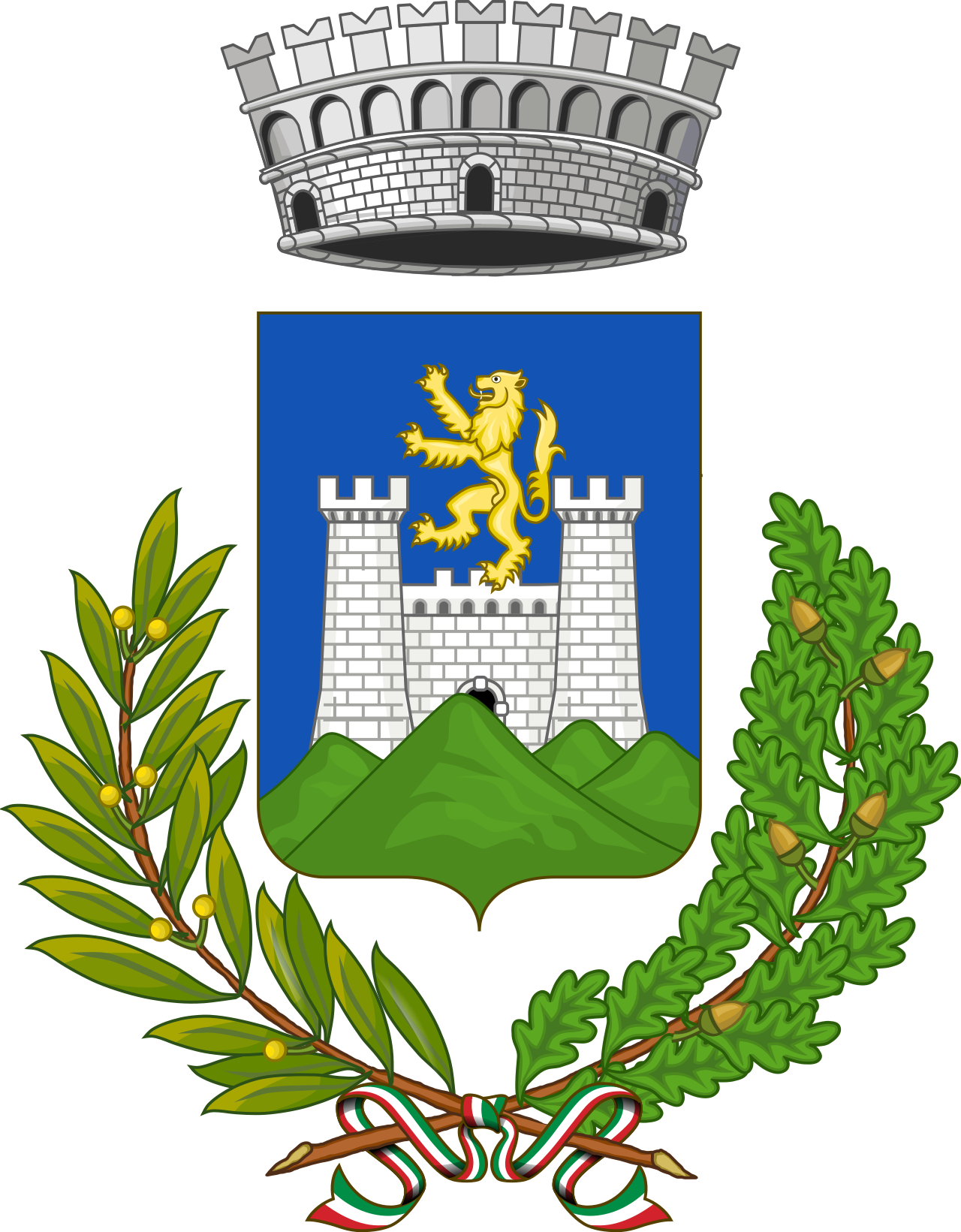
Gavorrano is an Italian municipality located in Tuscany, precisely within the Province of Grosseto, and represents one of the most fascinating villages in this region. This municipality encompasses an ancient history, having been inhabited since the times of the Villanovians, an ancient Etruscan civilization. Its millenary history has allowed it to acquire a timeless charm, made even more remarkable by the enchanting surrounding landscapes, dominated by the gentle Tuscan hills. The village of Gavorrano covers about 135 square kilometers and is composed of several hamlets, each with its own characteristics and peculiarities. Among these, special mention should be made of: Caldana, with its breathtaking views overlooking the horizon; Ravi, an ancient medieval village; Filare, the small inland village; and Giuncarico, one of the oldest hamlets, overlooking the Maremma plain. Each hamlet plays a unique role in the social and cultural fabric of Gavorrano, contributing to make it a place rich in diversity and traditions. Nevertheless, the beating heart of the municipality is the main hamlet, Gavorrano, which overlooks the entire valley below from the top of a huge hill, surrounded by natural pits with velvety colors and golden wheat fields. The climate in Gavorrano is typically Mediterranean, with mild winters and hot summers, ideal for those who love spending time immersed in nature. The geographical position of this municipality offers suggestive and unique views, where hills, mountains, and valleys blend together in a perfect balance of colors and shades. The population of Gavorrano, besides being composed of many affable and hospitable people, also proves to be very active. The inhabitants of the municipality are accustomed to organizing numerous cultural events and festivals throughout the year, in order to share the riches of their land with visitors. This lively cultural activity has made Gavorrano a highly appreciated tourist destination. One of the distinctive features of Gavorrano is its connection to mining. In fact, although mining activity is no longer the focus of the local economy, it has marked the history of this area and has contributed to shaping the identity of the municipality. This historical aspect still leaves tangible traces in the landscape, with the galleries of the former mines becoming places of cultural and tourist interest. From an agricultural point of view, Gavorrano is renowned for its wine and olive oil productions. The particular conformation of the territory, together with the mild climate, have made this area particularly suitable for the cultivation of vines and olive trees, significantly contributing to the local economy. Ultimately, whether it's history, culture, nature, or food and wine, Gavorrano is able to offer a unique and authentic experience to anyone who decides to visit it, representing a small jewel nestled among the wonders of Tuscany.
No membership group specified.
Located in the heart of Tuscany, the municipality of Gavorrano is a lively center rich in local businesses that contribute to the region's economy. These businesses range from agricultural ones that give life to the distinctive flavors of Tuscany, to mining industries linked to the area's rich mining heritage, to artisanal and service businesses that offer a range of unique products and services. First and foremost, agricultural activity is of utmost importance. It is dominated by wineries, olive groves, and livestock farms that perpetuate Tuscany's agricultural traditions by creating genuine high-quality products. The wineries and wine companies in Gavorrano produce delicious wines, many of which have received awards for their excellent quality. The olive oils produced in the region are also highly appreciated for their strong flavor and distinct aroma. Another important economic activity in Gavorrano is related to mineral refining. The municipality's territory is historically a mining area, a geological wealth that has resulted in the creation of numerous companies that work with various extracted minerals, such as lead and zinc, to produce products useful for construction or electronics. The gold extraction activity by a Swiss company is also well-known, becoming an important local economic resource. On the other hand, the dynamic craft sector cannot be overlooked. The skilled artisans of Gavorrano create beautiful works of art and handmade products, from jewelry to leather goods, from ceramics to wooden furniture. These unique creations, made with traditional techniques mixed with modern innovations, give Gavorrano a strong cultural identity ready to export its uniqueness. Finally, the service sector in Gavorrano includes a wide range of activities ranging from catering to hospitality, to professional services. Restaurants and trattorias offer delicious Tuscan dishes, while hotels and vacation homes provide comfortable accommodations for visitors. At the same time, local companies provide professional services such as consulting, education, healthcare, and much more. In conclusion, the local businesses of Gavorrano are a living example of Tuscany's resilience and versatility. Their ability to maintain traditions while evolving to meet modern needs represents the true Tuscan spirit that continues to thrive in this historic and beautiful region. Surely their commitment will help keep alive the pride of the citizens of Gavorrano and ensure the city's economic and cultural future.
The municipality of Gavorrano, identified by the ISTAT code 53010, is a locality located in the appreciated coastal hills of Follonica. Based on data evaluated for 2023, the total population of Gavorrano is 8301 inhabitants, evenly distributed between 4122 males and 4179 females, with a significant number of foreigners amounting to 1021 individuals. Regarding the real estate profile of the territory, Gavorrano boasts 5952 dwellings, of which 3815 are occupied, while the remaining quota consists of unoccupied real estate units, which may represent an investment opportunity in the local real estate market, subject to the specific analysis of individual properties and market dynamics. It is pertinent to note that the management of accommodation facilities is quite diversified. The municipality offers 4 hotels with a total of 592 beds, an offer that expands when considering the 64 non-hotel accommodation facilities, including 19 rental accommodations managed as businesses and 45 agritourisms, for a total of 1544 extra-hotel beds. From a tourist point of view, Gavorrano has two municipal museum institutions, attracting over 3000 visitors. The tourism sector therefore seems to be one of the most promising sectors for potential investments, especially considering that the vast majority of the municipal territory is located at an altitude of 273 meters, a favorable characteristic for the type of tourism attracted by hilly locations. In relation to infrastructure, the municipality is accessible by various means: the nearest train station can be reached in 21 minutes, access to the highway network requires 50 minutes, the nearest airport is 78 minutes away, and the passenger port is reachable in a distance of 38 minutes. In conclusion, the municipality of Gavorrano offers various investment opportunities, mainly in the real estate, tourism, and agritourism sectors. The presence of unoccupied dwellings, combined with the tourist attractions offered by the territory and local culture, seems to suggest promising growth margins for targeted investments. However, every potential investor should bear in mind the relative distance from the main transport infrastructures, which could represent a barrier to the accessibility of the territory. In this perspective, potential investments in improving infrastructure or increasing local transport services could prove strategic.
Gavorrano, in the heart of the Metalliferous Hills, is unlike any other Tuscan village. Its soul is tied not to the earth, but to the subsoil, to a history of miners, toil, and pride, written in the pyrite mines that for over a century have shaped its landscape and community. This industrial past has now become its most precious treasure, an immense open-air museum.
The Gavorrano Mining and Nature Park is a unique experience, a fascinating journey through Italy's industrial history. Through evocative trails, visitors can visit the old tunnels and extraction facilities, discovering the hard life of the miners. The symbol of this extraordinary reconversion is the Teatro delle Rocce: an open-air theater with an almost primordial charm, created inside a former quarry. In the summer, this unique stage, with its rock walls illuminated at night, hosts international concerts and performances.
Above this subterranean world, the medieval village of Gavorrano retains its ancient charm. Here, in the Church of San Giuliano, the town's patron saint, an air of tranquility reigns. But Gavorrano's history is tied to an immortal legend: that of Pia de' Tolomei, the Sienese noblewoman who, according to tradition, was thrown from a window of the nearby Castel di Pietra by her husband, and whose tormented soul was sung about by Dante in Purgatory. This tragedy is relived every August in the "Salto della Contessa," an evocative historical reenactment in costume that involves the entire town.
The municipal area is dotted with other gems, such as the medieval villages of Caldana and Ravi, which are also worth a visit. The robust and authentic culinary tradition celebrates the flavors of the Maremma. In conclusion, Gavorrano offers a vibrant and unexpected mix of industrial archaeology, medieval history, rich culture, and natural beauty. It's a destination for those seeking a different Tuscany, a powerful history, and a strong, authentic identity, capable of transforming the wounds of the past into a stage for the future.