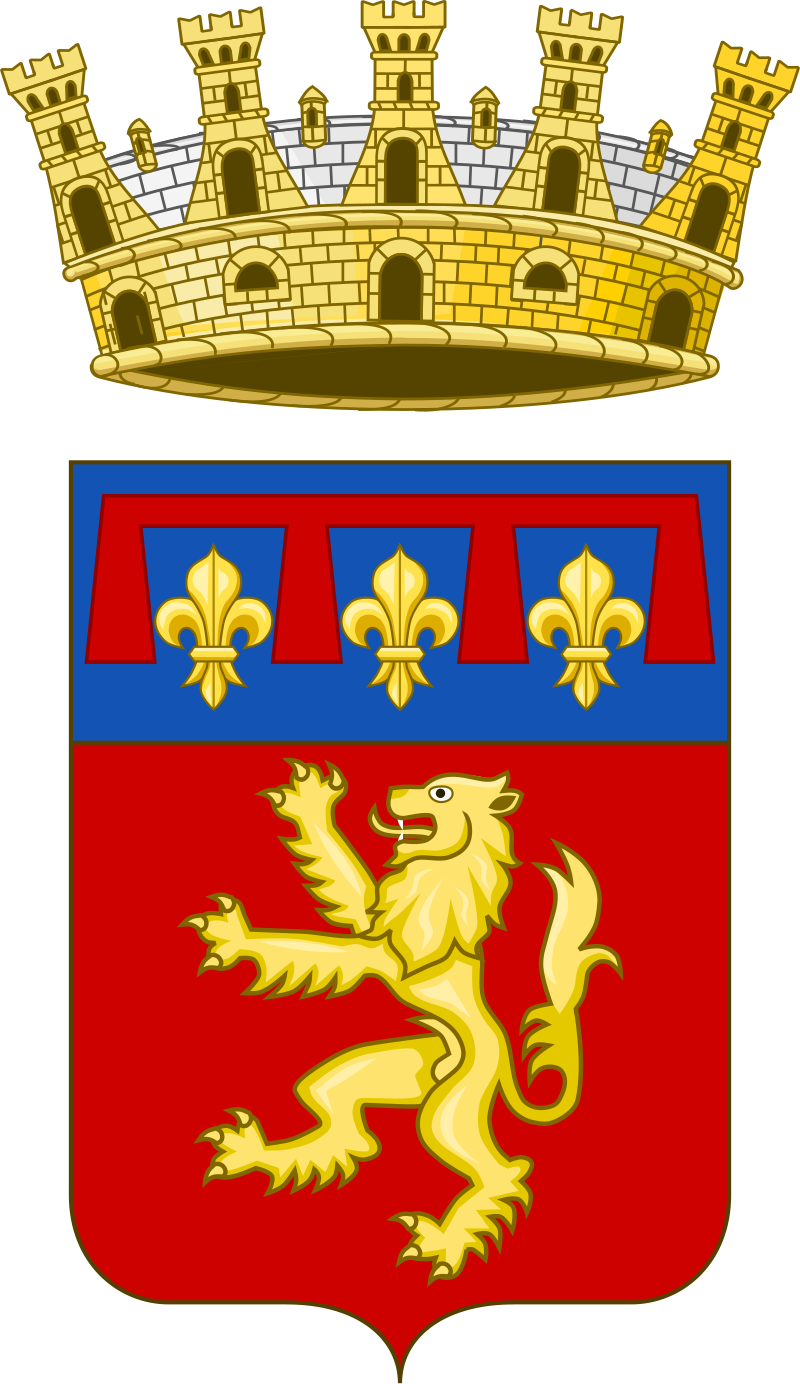
Nestled in the soft hills of southern Tuscany, the Municipality of Massa Marittima is a gem of the medieval age. This splendid village, with its authentic and evocative atmosphere, is an integral part of the province of Grosseto, in the heart of Maremma. Its territory, bordered to the northwest by the Metalliferous Hills and to the southwest by the Gulf of Follonica, offers landscapes with vibrant colors and rich charm, among olive groves, vineyards, and oak forests. The name of Massa Marittima probably derives from the arrival of the bishops of Populonia in the Middle Ages, who brought with them the title of "Massa Episcopalis." In the document where the name of the town first appears, dated Vallo di Cecina, it is given an essential adjective: "marittima." Despite not being coastal, this title recalls its historical relationship with the Tyrrhenian Sea, its proximity to it, and the role it played in the past as a river port of the Val di Cecina. The history of Massa Marittima is long and layered, marked by the rise and fall of its fortunes. Its origins date back to the Etruscan age, but it is in the Middle Ages that the city reached its peak. During the years of the free commune, the mining district of Massa prospered thanks to its abundant reserves of silver, lead, and copper. All this earned the city extraordinary prestige and wealth, which is still evident today in its imposing architecture and historical monuments. In its historic center, there are squares and streets paved with cobblestones, but the symbol of the city is the Medici Fortress, an imposing fortified complex that dominates the entire territory with its presence. It is certainly a testimony to its past greatness, to the time when the city was at the center of the region's politics and economy. Another emblematic place is the Town Hall, of medieval origin, also a strong testament to the power of Massa Marittima in its period of greatest splendor. Massa Marittima is also famous for its cultural and popular traditions. Among the most important is the Balestro del Girifalco, a historic event that involves the entire town with historical reenactments, challenges, and competitions that have been passed down from generation to generation. Immersing oneself in the vibrant energy of this fascinating city, it is easy to perceive the legacy of the past and the vitality of the present. Massa Marittima is a place where time seems to slow down, allowing visitors to fully savor the serenity of an unspoiled landscape and the richness of a deep and fascinating history. An authentic beauty that continues to resist the assault of time, a place where history and nature intertwine in perfect harmony, making each visit a unique and unforgettable experience. From every corner and street, Massa Marittima conveys a sense of calm and peace, promising all its visitors an authentic travel experience steeped in history, art, and culture, implicit in the stones of its streets, in the facades of its historical buildings, and in the eyes of the people who continue to passionately nurture the ancient traditions of this fascinating city.
No membership group specified.
In the heart of Tuscany, nestled among the green Maremma hills, stand the local businesses of Massa Marittima. This small town, known for its natural and historical riches, also boasts a lively and dynamic entrepreneurial fabric, perfectly intertwined with the surrounding landscape. The entrepreneurial roots of Massa Marittima are steeped in tradition laid down over centuries of history. The first sector to shine is the cultural-artisanal one, primarily linked to metalworking. The area, rich in minerals, has over time favored the development of various workshops and goldsmiths, many of which are still active and productive today. Not to be overlooked are the master glassmakers, who with their skill in shaping glass, make their products unique. Another sector of excellence is agri-food. Massa Marittima, in addition to its incomparable beauty, has particularly fertile land, ideal for the production of excellent DOC wines and extra virgin olive oils. The local wineries, many of which are family-run, offer visitors the opportunity to taste a wide range of wines, including some internationally award-winning labels. The agricultural companies, mainly dedicated to the production of oil, wheat, and vegetables, color the local landscape green and contribute to a table that is always rich and genuine. Tourism plays a crucial role in the economy of this Tuscan municipality. Numerous agritourisms, holiday homes, hotels, and bed and breakfasts dot the territory, carefully arranged among the medieval alleys of the ancient village and the lush surrounding hills. These places, capable of combining modern comfort and rustic charm, offer warm and welcoming hospitality, making a stay in Massa Marittima an unforgettable experience. The restaurant sector, closely linked to tourism, is lively and varied. Local restaurants, trattorias, and osterias offer delicious dishes that reflect the authentic flavors of Maremman and Tuscan cuisine. Equally important is the mining industry. Although mining activity is no longer as central as in the past, Massa Marittima retains clear signs of its mining past. Some mines have been transformed into museums, offering a complete overview of this ancient activity, while others continue to produce precious materials and minerals. Massa Marittima is a place where tradition and innovation meet. On one hand, the artisan workshops, agricultural and wine companies, and ancient mines demonstrate a strong connection to the historical and cultural roots of the place. On the other hand, new businesses are emerging, ready to meet the challenges of the modern world while maintaining a deep respect for the territory. Each individual business, with its uniqueness and peculiarities, contributes to making Massa Marittima a lively and vibrant municipality, capable of attracting visitors from all over the world, but at the same time proudly rooted in its land. A place where you can breathe the authenticity of a lesser-known Tuscany, but equally fascinating and full of surprises.
Located in the heart of Tuscany, the municipality of Massa Marittima, with its ISTAT code 53015, represents an interesting area for potential investments. The population consists of 8174 individuals, with a slight female prevalence (4248 women compared to 3926 men). The presence of a foreign community of 1174 people, almost evenly divided between men and women, represents an element of cultural diversity and a possible resource for the area. The municipality covers an area of 283.443 sq km and has a diverse range of altitudes, ranging from 0 meters to 899 meters. This geographical-morphological aspect highlights a predominantly hilly territory, which could be interesting for investments in activities related to the landscape, such as agritourism and wine and food tourism. In terms of housing supply, Massa Marittima has 6241 dwellings, of which 3893 are occupied. This suggests that there could be room for real estate investments, especially in view of a possible conversion of the unoccupied dwellings (2348) into tourist accommodation facilities. As for the tourist offer, the municipality has a considerable number of accommodation facilities, totaling 127 establishments including both hotels (7) and non-hotel establishments (120) such as campsites, agritourisms, hostels, bed & breakfasts, and tourist residences. The total number of available beds amounts to 3069, distributed in facilities ranging from luxury to economy. The tourism sector, therefore, seems very promising, especially considering that the municipality hosts 5 museum institutions, which in 2020 recorded 12907 visitors. Further investment in this sector, perhaps aimed at enhancing the attractiveness of the museums, could prove to be profitable. Finally, Massa Marittima appears to be well connected in terms of infrastructure: the nearest train station is 19 minutes away, access to the highway network requires 48 minutes, the airport is reachable in 76 minutes, and passenger ports in 36 minutes. This good accessibility is an additional incentive to invest in this area. In summary, with an integrated and multisectoral evaluation, the municipality of Massa Marittima appears as a territory rich in opportunities to explore.
Massa Marittima is a Tuscan town nestled in a landscape of rare beauty, firmly rooted in its ancient roots. A tranquil lifestyle and, above all, a rich artistic and cultural heritage make this small village a true jewel of the Bel Paese. Here you can admire the majestic Cathedral, dedicated to San Cerbone, the city's patron saint, whose Romanesque-Gothic structure dominates the spacious Piazza Garibaldi. The Basilica Cathedral of San Cerbone, built starting in the 12th century, is a true masterpiece of Romanesque art in Tuscany. The medieval frescoes adorning the church's interior are a must-see. Equally fascinating is the Church of Sant'Agostino, with its Gothic bell tower, the setting for an unexpected display of figures and decorations. Next door is the Augustinian Convent, home to the Museum of Sacred Art, where you can admire an extraordinary 12th-century wooden crucifix and other notable works of religious art. The Torre del Candeliere, the city's symbol, is also a must-see. Standing 25 meters tall, it was originally built as a fortress to reinforce the city walls, but in later centuries it became a bell tower. Climbing to the top is a thrilling experience, and the view is breathtaking. A visit to Massa Marittima wouldn't be complete without a stroll through the evocative Fonte dell'Abbondanza (Fountain of Abundance). This medieval public fountain features a large frescoed wall depicting a pear tree, a symbol of fertility and life, rich in detail and still vivid in color. Everything Massa Marittima has to offer is made even more special by the traditions and festivals that celebrate local life. In May, the Balestro del Girifalco (Girifalco Archery Competition) takes place, an ancient archery competition dating back to the 14th century. Participants, dressed in medieval garb, compete in the charming Piazza del Duomo, offering a unique opportunity to relive the historic passion for archery. The atmosphere is further heightened by the Feast of San Cerbone, which celebrates the patron saint with a series of events, including an impressive historical parade through the city streets. September, meanwhile, is the time for the Grape and Wine Festival, a gathering for all lovers of fine wine and local specialties. For cycling enthusiasts, the Gran Fondo della Maremma is a must, a fascinating cycling race taking place in the picturesque setting of the Tuscan Maremma. Massa Marittima, a city of art and history, with its hidden treasures and centuries-old traditions, is ready to offer an unforgettable journey to all who choose to discover its charms.