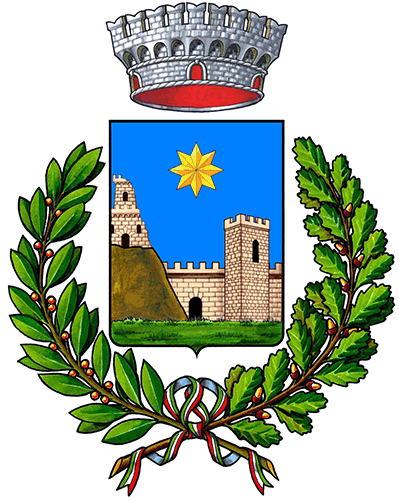
Roccalbegna is a charming Italian town located in the Tuscany region, specifically in the southwestern part of the province of Grosseto. Nestled in the Albegna River valley and overlooked by the majestic Mount Amiata, this municipality promises idyllic views and a relaxing, tranquil atmosphere. This medieval village stands at an altitude of 522 meters and covers a total area of 92.38 square kilometers. The surrounding natural environment is predominantly hilly and mountainous, dotted with typical Tuscan hilltop villages and rich in Mediterranean vegetation. Roccalbegna's population of approximately 1,200 is known for being welcoming and friendly, with ancient traditions still deeply rooted in its social fabric. The spoken language is Italian, but it is not uncommon to hear conversations in Tuscan, the local dialect, which adds a touch of authenticity to the atmosphere. Historically and geographically, Roccalbegna is divided into two main parts: the "Rocca" and the "Borgo." The Rocca is the highest part of the municipality and is characterized by narrow, winding streets leading to the main square. The Borgo, on the other hand, extends at the foot of the Rocca and is composed primarily of residential buildings. Roccalbegna is quite remote, nestled between mountains and rivers, but still relatively accessible. It is approximately 50 kilometers from Grosseto, the provincial capital, and 15 kilometers from Saturnia, famous for its hot springs. The area surrounding Roccalbegna is rich in natural beauty, such as the aforementioned Mount Amiata, one of the highest peaks in Tuscany, and the source of the Albegna River. It is also close to the Biancane geothermal park, which offers extraordinary natural phenomena linked to geothermal activity. Roccalbegna's privileged location between hills and mountains also offers numerous trails and paths for hiking and cycling enthusiasts. Roccalbegna is also a place of great historical and cultural importance. The town has ancient origins, dating back to the Etruscan and Roman eras. Furthermore, during the Middle Ages, it was an important center of power, as evidenced by the imposing Rocca di Roccalbegna, which still dominates the urban skyline. The town retains numerous historic buildings and monuments that bear witness to the passing of different eras and rulers. Despite its predominantly rural setting, the town offers its residents and visitors a variety of services and daily conveniences. Grocery stores, bars, and restaurants serving delicious traditional Tuscan dishes are found here. Furthermore, Roccalbegna is also home to schools and health centers. Finally, Roccalbegna offers a rich calendar of events and celebrations throughout the year, including the traditional town festival, summer concerts, and various markets. These occasions are often moments where residents can strengthen their community bonds and where visitors can get a glimpse of local life. In conclusion, Roccalbegna is a place where time seems to stand still, offering us views unchanged by time, the taste of ancient flavors, and the echoes of stories lost over the centuries. A small, untouched world, where every visit becomes an unforgettable experience of true and profound connection with the most authentic Tuscany.
No membership group specified.
In the heart of the picturesque Tuscany, nestled among the gentle hills of the Maremma hinterland, we find the municipality of Roccalbegna, which with its millenary history and its entrepreneurial fabric deeply rooted in the territory is a paradigmatic and emblematic example of the Tuscan spirit and its local businesses. One of the most representative and distinctive activities of Roccalbegna is undoubtedly the production of extra virgin olive oil, an excellence of Made in Italy highly appreciated both nationally and internationally. The agricultural companies in the Roccalbegna area, thanks to the use of traditional production techniques and the meticulous care of the product, manage to create an oil with an unmistakable taste, capable of combining the saltiness of Tuscan olives with the softer and rounder nuances of the fruit. But the local economy does not only live on oil. Another very flourishing sector is that of winemaking. The wineries of Roccalbegna produce a wide range of wines, among which stands out the Morellino di Scansano, a famous red wine with vigorous tones and a strong structure. Alongside the Morellino, white and rosé wines are also produced, able to satisfy the most demanding palates with their fresh and fruity notes. The entrepreneurial fabric of Roccalbegna, however, does not stop at agriculture, but ranges across various economic sectors. Among these, craftsmanship deserves a special mention. In an era dominated by serial production and product standardization, the artisan workshops of Roccalbegna represent a bastion of authenticity and tradition. Here, the most varied materials are worked, from wood to iron, from ceramics to fabric, creating unique products. An entire sustainable tourism chain has developed in recent years, thanks to the presence of numerous agritourisms and bed & breakfasts that offer hospitality in welcoming and suggestive environments, immersed in the uncontaminated nature of the Maremma. These structures, located in renovated farmhouses or ancient country houses, allow visitors to discover Tuscan rural life and savor the genuineness of its typical products. A significant role in the local economy is also played by commercial activities. Grocery stores, clothing shops, pharmacies, bars, and restaurants make up the bustling heart of the municipality, ensuring vitality and effervescence to the social fabric. Finally, the fishing and aquaculture sector should not be forgotten, activities of ancient tradition that continue to represent an important economic resource for the local community. The waters of the Albegna river, which crosses the municipal territory, are populated by a rich variety of fish, including trout, carp, and tench, highly appreciated by fish cuisine lovers. In summary, Roccalbegna is a municipality with multiple faces, capable of blending tradition and modernity, rurality and entrepreneurial dynamism. Its local businesses, rooted in the territory and animated by an innovative spirit, contribute to making this corner of Tuscany a place of great charm and an important economic hub.
The municipality of Roccalbegna, ISTAT code 53020, is located in a predominantly agricultural region, known as the "Western Slope of Amiata". Despite having a modest population of 919 inhabitants, it is interesting from various points of view. From a demographic perspective, the population is evenly distributed between males and females, with a presence of 117 foreigners, a fact that could indicate a certain openness to cultural diversity. Regarding the size and structure of the housing stock, there are 1,348 dwellings in Roccalbegna, of which 494 are occupied and 854 are unoccupied. This data highlights an investment opportunity in the real estate sector, considering the significant number of unoccupied houses that could be renovated or converted into tourist or commercial activities. Therefore, the tourism sector appears to be potentially promising, also thanks to the presence of accommodation facilities, including 34 hotels and non-hotel structures, offering a total of 303 beds. In particular, there are 20 agritourisms with 198 available beds, suggesting a tradition in the rural hospitality sector that could be enhanced. Local culture is represented by the municipal museum, which recorded 50 visitors in 2020. Despite the numbers being relatively low, this institution could become a reference point for joint activities between the tourism and cultural sectors. Roccalbegna covers an area of 12,485.86 acres, or 124.86 square kilometers. The territory has an average altitude of 522 meters and varies considerably in terms of altitude, with most of its surface between 300 and 599 meters above sea level, but a significant portion extends up to 900 meters. Finally, the geographical context presents some limitations in terms of accessibility: the nearest train stations require a 52-minute journey, access to the highway network is about 102 minutes away, airports are 130 minutes away, and passenger ports are 77 minutes away. This implies that, despite offering investment opportunities, Roccalbegna may require specific strategies to overcome these logistical challenges. In conclusion, Roccalbegna offers various possibilities for investors, including the real estate and tourism sectors. Despite logistical challenges, its cultural heritage, traditions in rural hospitality, and the availability of unoccupied houses represent specific development opportunities.
Nestled among the rolling hills of Tuscany, the municipality of Roccalbegna offers a wide variety of attractions that capture the interest of all who visit. This place boasts an artistic and cultural heritage rich in history, symbols, and traditions, making it a jewel in the heart of the region. One of the most fascinating aspects is its popular religiosity, embodied in the devotion to its patron saint, Saint Michael the Archangel. The 13th-century Church of Saints Peter and Paul stands out in the local landscape. It houses a particularly valuable fresco depicting the Madonna and Child with Saints Peter and Paul. Located in the center of town, this church dominates the landscape with its stone structure, fitting perfectly into the local historical and architectural context. Not far away is the Church of Saint Michael the Archangel, where every year on September 29th, a large celebration in honor of the patron saint is held. During the event, the town's historic center comes alive with music, dance, and traditions, attracting numerous visitors. Continuing the theme of spirituality, it's important to mention the Church of the Madonna del Soccorso, dating back to the 17th century, and the Pieve di Santa Cristina, an even older sacred site, dating back to around the year 1000. This latter church, located in a panoramic position on the hills of Roccalbegna, represents a treasure trove of local history. Beyond its churches, Roccalbegna stands out for its historical monuments. Imposing and majestic, the Roccalbegna Castle, built in the 13th century, dominates the town. This well-preserved medieval fortress recalls the town's important role in the Middle Ages. Its cyclopean walls and austere tower offer a fascinating glimpse into the past. Another symbol of Roccalbegna's identity is the Ponte delle Peste, an ancient stone bridge with a single arch spanning the Albegna River. This 19th-century structure takes its name from a legend according to which its waters had the power to cure the plague. For those with a sweet tooth, this Tuscan town offers the opportunity to participate in the Chestnut and Porcini Mushroom Festival. During this event, held in October, the town's streets become the scene of delicious banquets, where porcini mushrooms and chestnuts, the undisputed stars of Italian autumn cuisine, are prepared in a thousand different ways. In short, Roccalbegna offers a unique experience combining history, faith, culture, and gastronomy. Its artistic heritage, religious devotion, and vibrant social life make it a must-see for any traveler seeking an authentic corner of Tuscany, capable of surprising and captivating with its uniqueness.