Gibellina is a municipality located in the province of Trapani, Sicily. Its history dates back to antiquity, with traces of settlements dating back to prehistoric times. However, the current landscape has been shaped by more recent events, particularly the 1968 Belice earthquake, which destroyed the original town.
After the earthquake, Gibellina was rebuilt in a new location, a few kilometers away from the old town. The reconstruction project was entrusted to several contemporary architects and artists, who contributed to creating a unique and innovative urban environment. Among the most famous works is the Grande Cretto, an imposing sculpture that covers the remains of old Gibellina, transforming them into an evocative concrete labyrinth.
Beyond its artistic dimension, Gibellina also boasts a rich food and wine tradition, with high-quality typical products that reflect the generosity of the Sicilian territory. Olive oil, wine, cheeses, and local sweets are just some of the delicacies you can enjoy during a visit to the town.
Gibellina is also surrounded by a breathtaking landscape, characterized by green hills, centuries-old olive groves, and vineyards that stretch to the horizon. Nature lovers and outdoor enthusiasts will find numerous opportunities to explore the surrounding area, including hiking, cycling, and horseback riding.
The community of Gibellina is known for its hospitality and welcoming spirit, which manifests itself in the local traditions and festivities that enliven the year-round calendar. Patron saint festivals, festivals, and cultural events offer the opportunity to immerse yourself in the life of the town and discover the deep roots of a community proud of its history and traditions.
Ultimately, Gibellina is a place that enchants and surprises, offering a unique experience to visitors who wish to discover the beauty and authenticity of Sicily. With its combination of art, culture, nature, and gastronomy, the municipality represents a true treasure trove waiting to be explored and appreciated.
Gibellina is a Sicilian municipality boasting a diverse and dynamic economy, supported primarily by local businesses operating in the agriculture, artisanal, and service sectors. Agricultural activities are particularly important to the local economy, with the production of olives, grapes, citrus fruits, and cereals accounting for a significant portion of local families' income.
Local artisans are renowned for their ceramics, textiles, and handmade wooden objects, which represent Made in Italy excellence and attract numerous tourists interested in traditional Sicilian crafts. Gibellina's artisanal businesses are often family-run, passing down ancient techniques from generation to generation, giving their products their uniqueness and quality.
In the service sector, local businesses offer a wide range of services to the community, including grocery stores, bars, restaurants, hotels, and accommodations for visitors wishing to discover the beauty of the area. The warm welcome and hospitality of local businesses contribute to a welcoming, family-like atmosphere that makes Gibellina an ideal place for a vacation or extended stay.
Gibellina's local businesses are also active in innovation and sustainability, with some investing in green technologies and eco-friendly practices to reduce the environmental impact of their operations. This commitment to environmental sustainability helps preserve the area's natural beauty and ensure a better future for future generations.
In conclusion, Gibellina's local businesses are the heart of the municipality's economy, contributing to job creation, promoting artisanal traditions, and providing quality services to the community and visitors. Thanks to their dedication and commitment, local businesses are a key pillar of Gibellina's development and prosperity.
The territory of Gibellina, with a population of 3676 inhabitants in 2023, appears as a place of small dimensions but with a large territorial surface of 46.5737 sq km. The gender distribution shows a slight prevalence of women over men, with 1938 females and 1738 males. The dwellings in the municipality are 1806, of which 1728 are occupied and 78 are unoccupied as of December 31, 2021. The presence of foreigners is limited, with a total of 81 individuals. From a tourist point of view, Gibellina does not have any hotel facilities of any category, but it has 3 non-hotel accommodations with a total of 31 beds. The presence of a Bed & Breakfast with 4 beds represents the only accommodation option in the area. From a cultural point of view, the municipality boasts a museum institute with 8000 visitors in 2020, which could represent an opportunity for tourism and cultural development. The geographical characteristics of Gibellina show a prevalence of altitude bands between 300 and 599 meters, occupying 49.27% of the area, followed by the band between 200 and 299 meters with 48.08%. Considering the limited presence of tourist facilities and the small size of the population, Gibellina could offer investment opportunities in the real estate sector for the development of new accommodation facilities, as well as in the cultural sector to enhance the existing museum heritage. However, it is important to consider that the lack of consolidated tourist infrastructure could be a critical issue for potential investors, who should carefully evaluate the economic sustainability of any projects in the area.
Gibellina is unlike any other town. It offers a unique and unforgettable experience, a journey through the pain of memory and the utopian power of art, making it an unmissable destination for anyone wishing to discover an extraordinary chapter in Sicilian history.
A visit to Gibellina begins at its most sacred and moving site: Alberto Burri's Grande Cretto. Where the old town once stood, destroyed by the 1968 Belice earthquake, today stands an immense work of land art. A shroud of white concrete covers the ancient rubble, following the path of the old streets, now transformed into deep, silent wounds in the material. Walking inside the Cretto is a powerful and moving experience, a secular pilgrimage to the heart of memory.
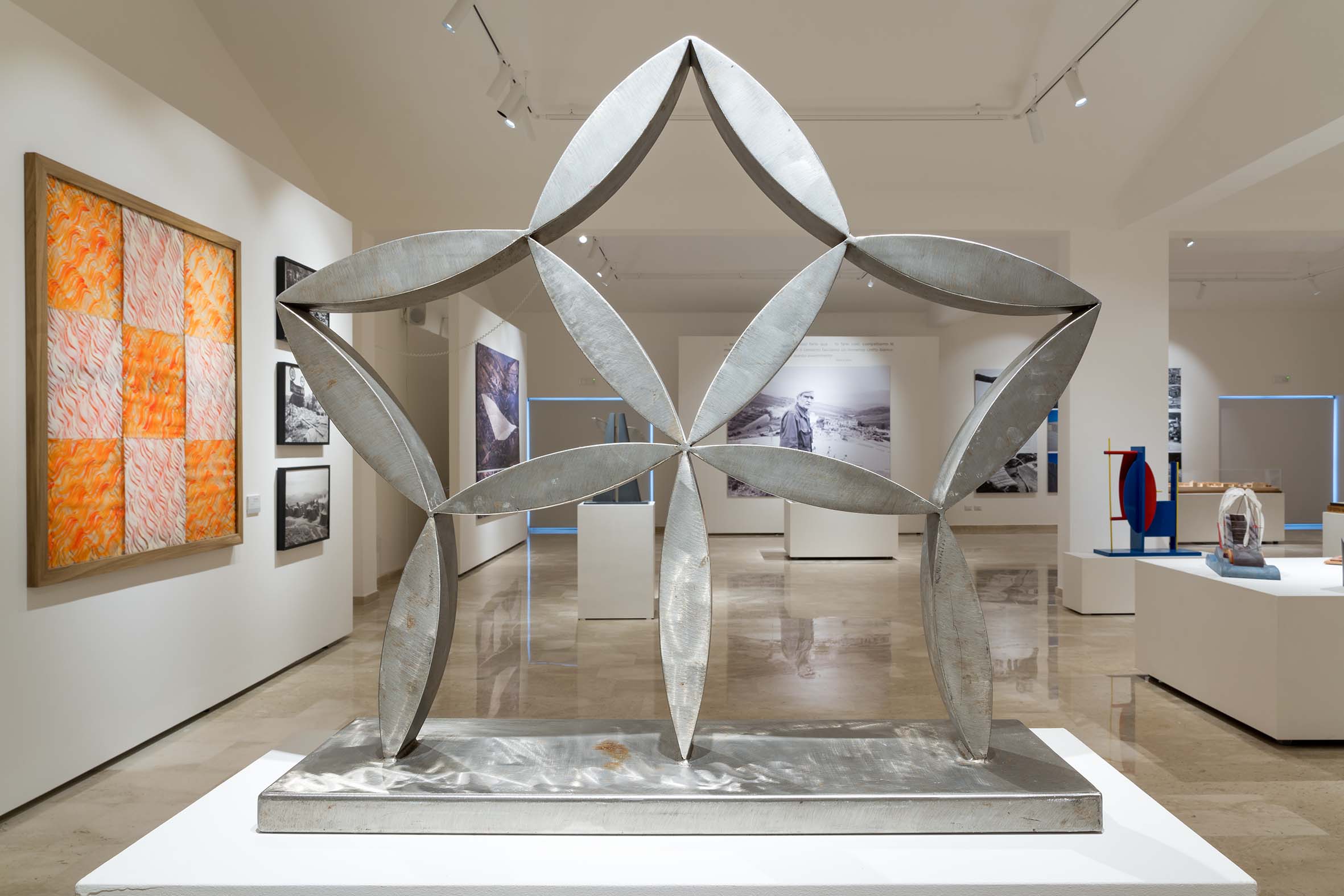
Not far away lies Gibellina Nuova, the town rebuilt after the earthquake. It is not a village like any other, but an open-air museum, a laboratory of architecture and urban planning dreamed up by great Italian artists and architects. Visitors are welcomed by Pietro Consagra's imposing Star at the entrance to the Belice River. The town center is a succession of unique works of art and architecture, such as the System of Squares, the Mother Church designed by Ludovico Quaroni, and numerous sculptures dotting the cityscape.
Among the main cultural institutions is the Orestiadi Foundation, housed in the historic Baglio di Stefano, which, with its Museum of Mediterranean Weaves, exhibits an extraordinary collection of textile artworks and objects from across the Mediterranean basin. Next door, the Museum of Contemporary Art houses many of the works donated by artists who participated in the city's rebirth.
For nature lovers, Gibellina doesn't offer the opportunity to visit the distant Madonie Park, but is nestled in the heart of the Belice Valley. Here, you can take long walks through the hills, admiring a landscape dotted with vineyards and olive groves.
Finally, Gibellina is also known for its culinary traditions. Local restaurants and trattorias offer tasty, authentic dishes prepared with the excellent products of the Belice Valley, such as Vastedda, cheeses, olive oil, and fine wines, sure to delight even the most discerning palates.
In conclusion, Gibellina offers an experience that goes beyond tourism: it's a dialogue between art, history, and landscape, a place you won't forget.
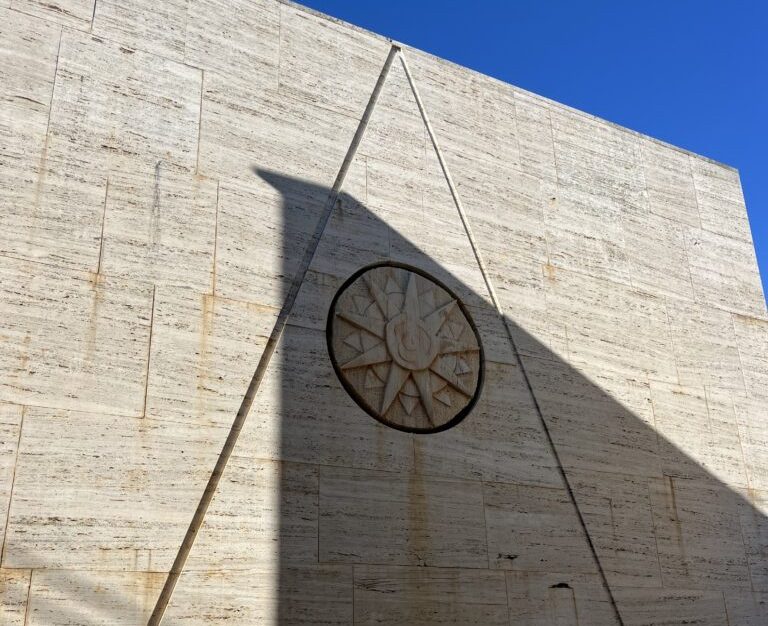 Mostre, performance, workshop e residenze d’artista a Gibellina23 aprile 2026
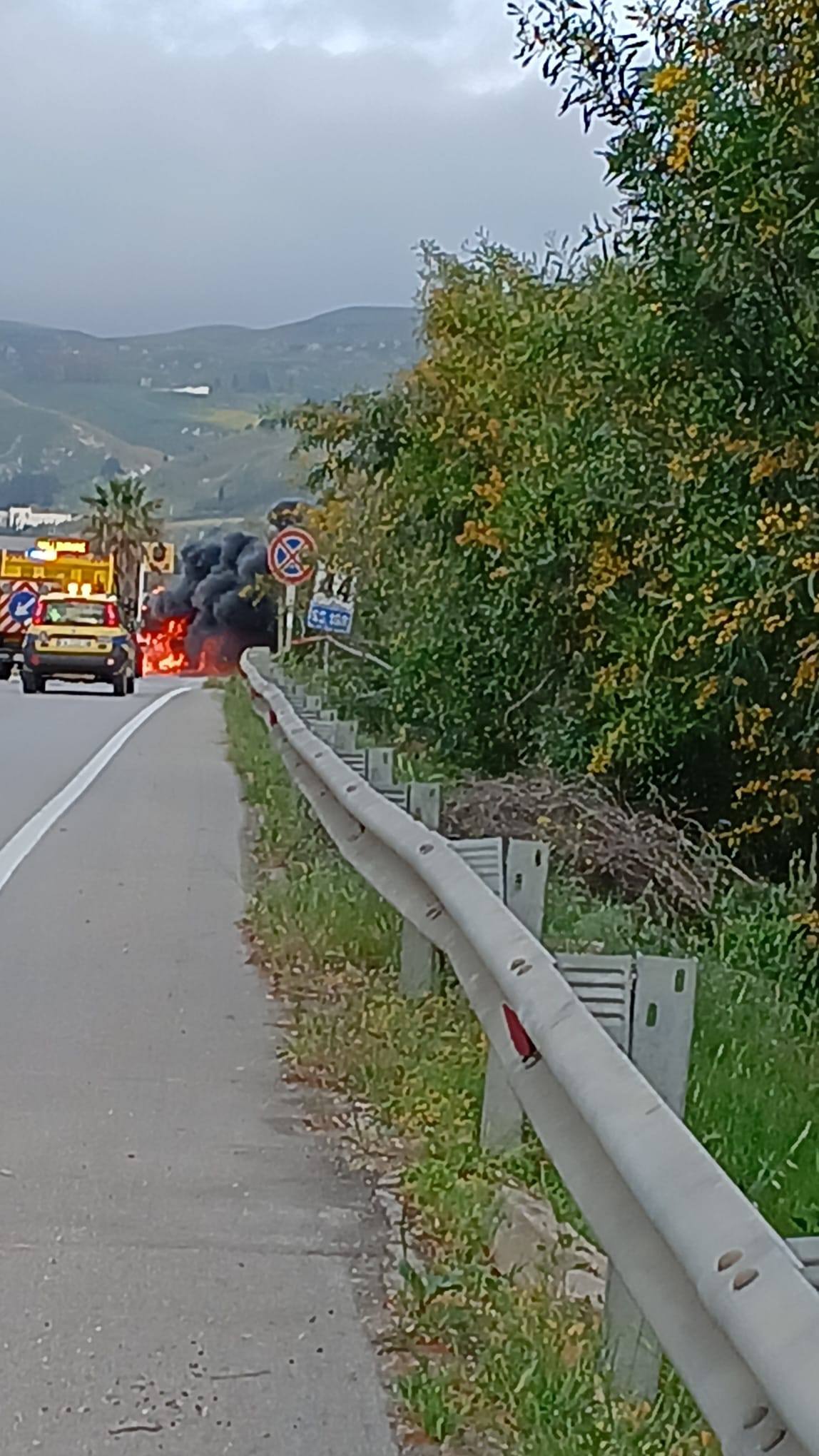 A fuoco bus di linea Salemi sulla A2917 aprile 2026
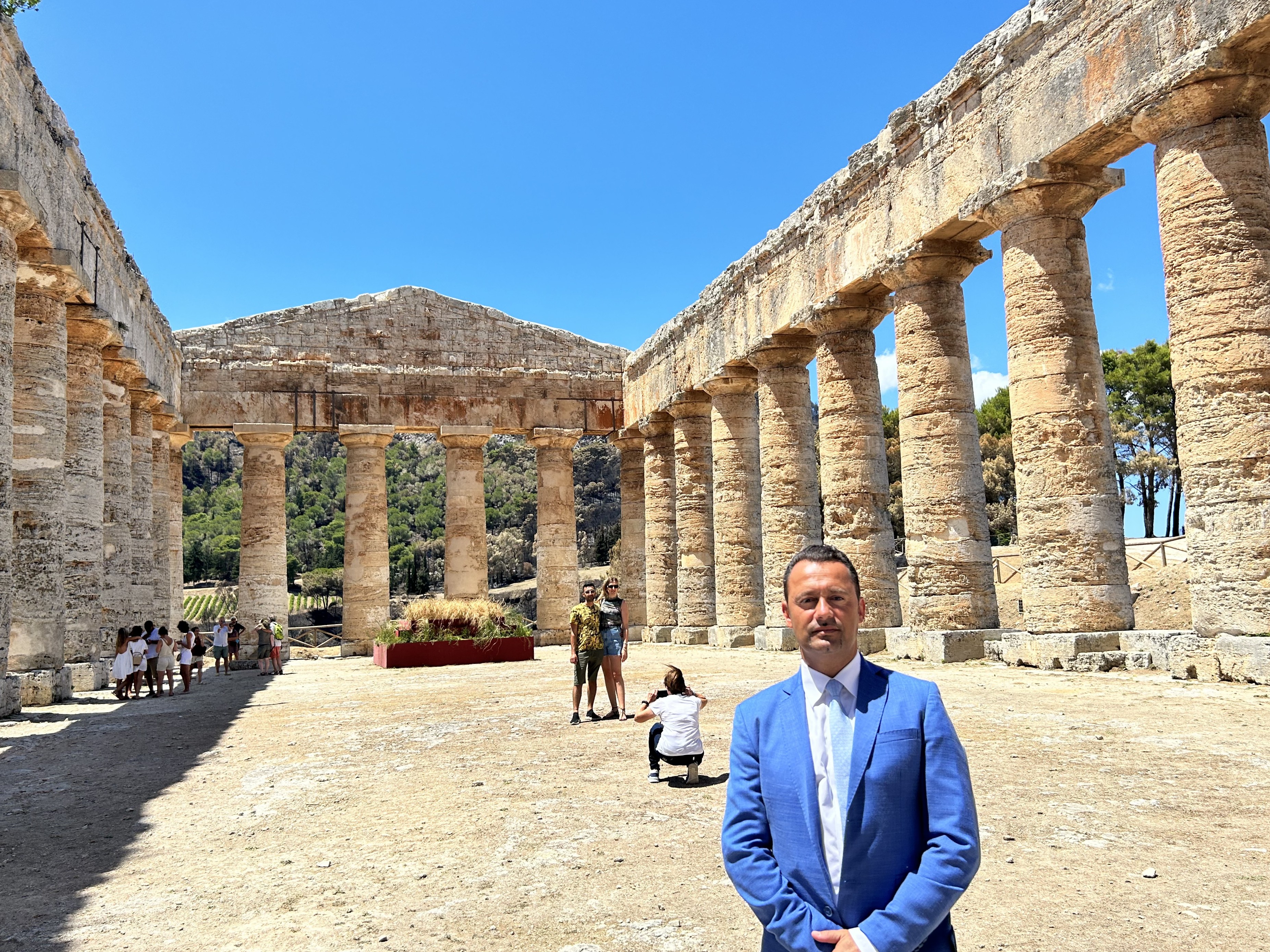 Nasce l’Archeopass Segesta-Selinunte21 febbraio 2026
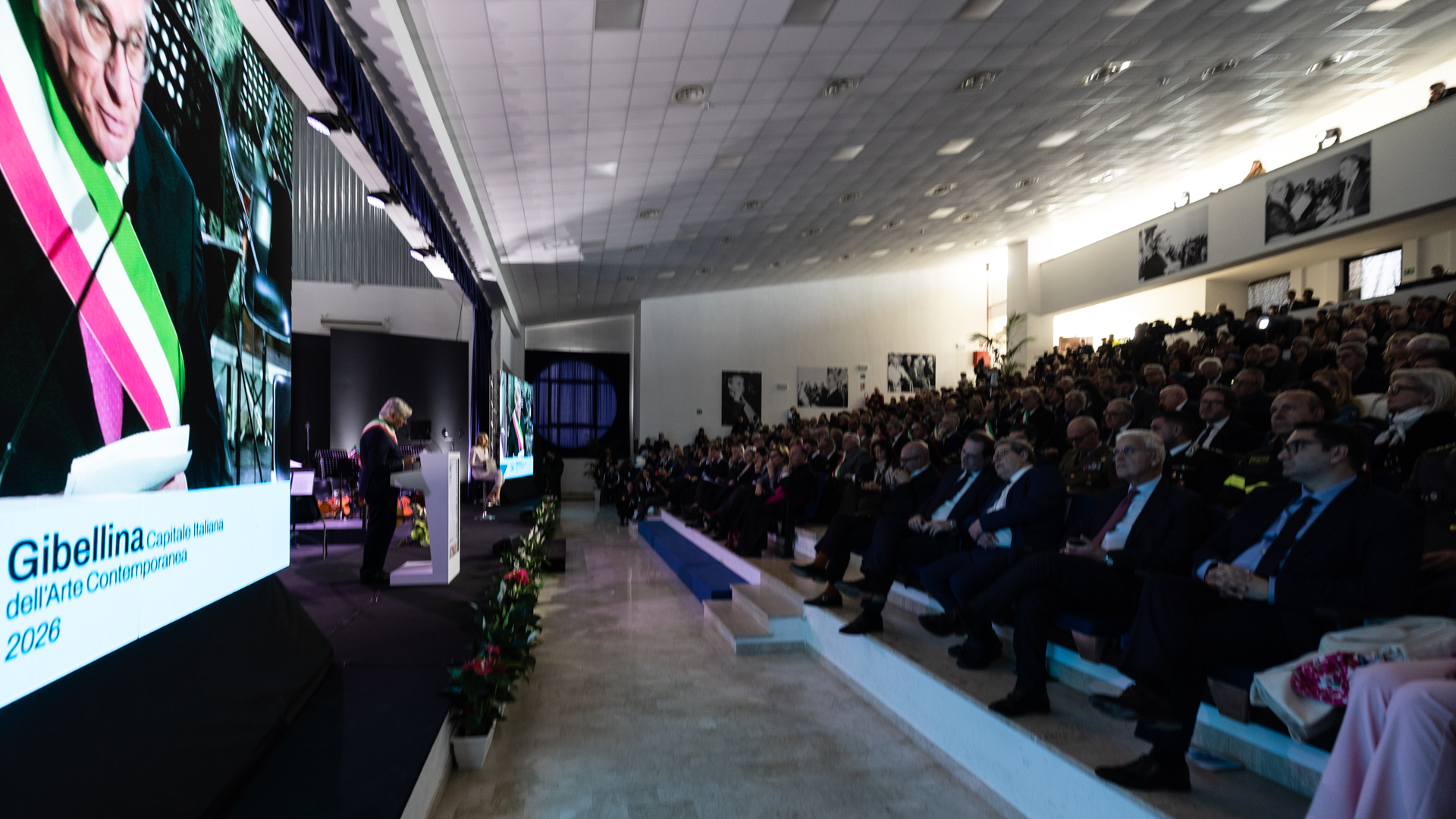 Scuole e studenti protagonisti della rinascita di Gibellina capitale17 gennaio 2026
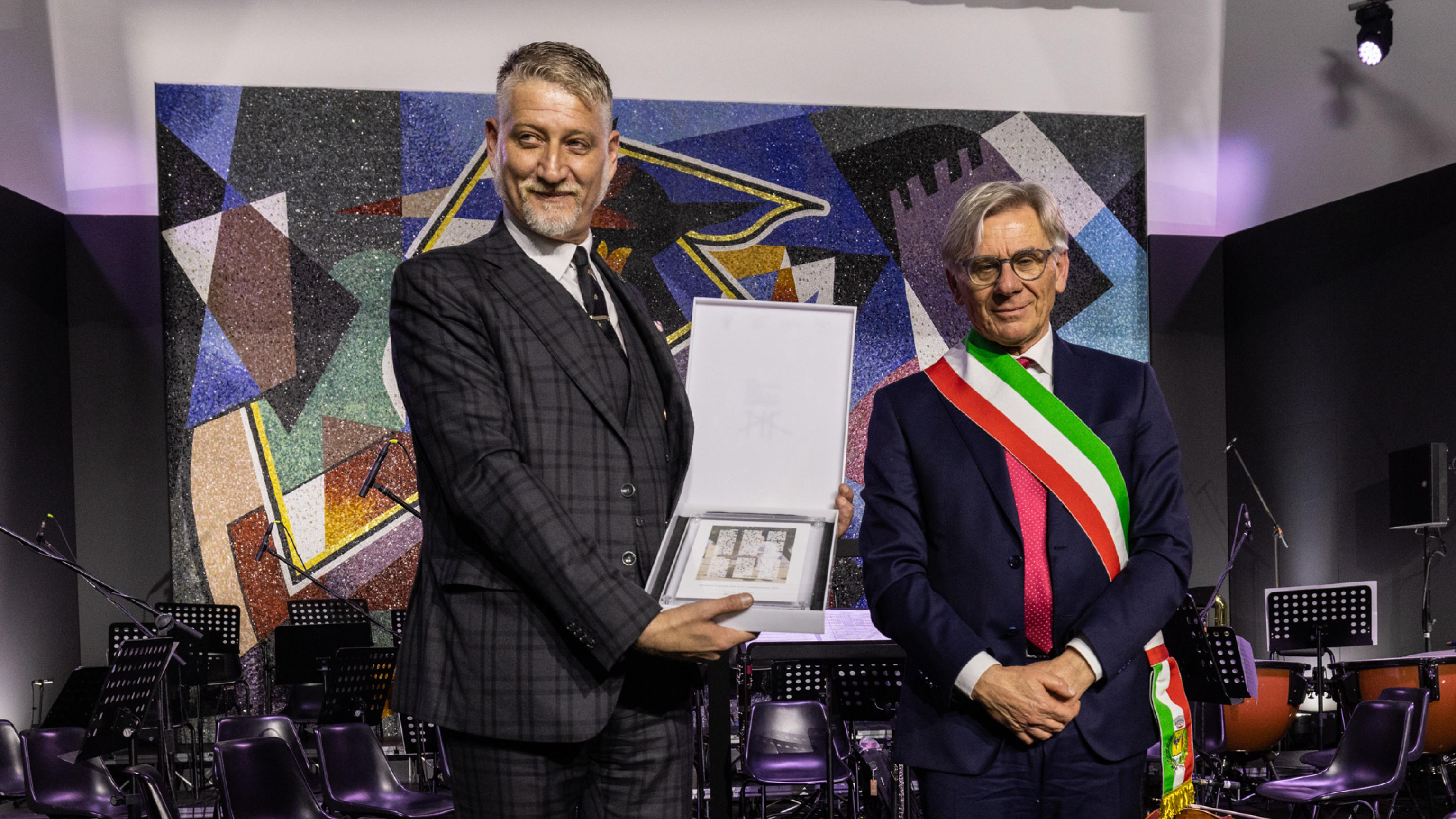 Si alza il sipario su Gibellina capitale arte contemporanea. Giuli: posto sacro16 gennaio 2026
 Al via Gibellina Capitale dell’arte contemporanea, arriva ministro Giuli12 gennaio 2026
 Max Gazzè inaugura Gibellina Capitale dell’Arte Contemporanea 202610 gennaio 2026
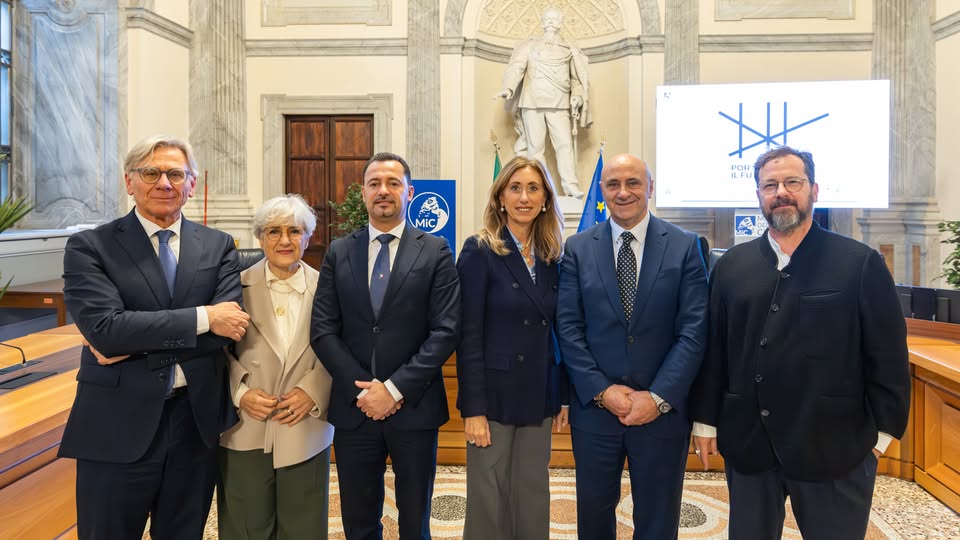 Un anno di eventi a Gibellina capitale italiana arte contemporanea18 dicembre 2025
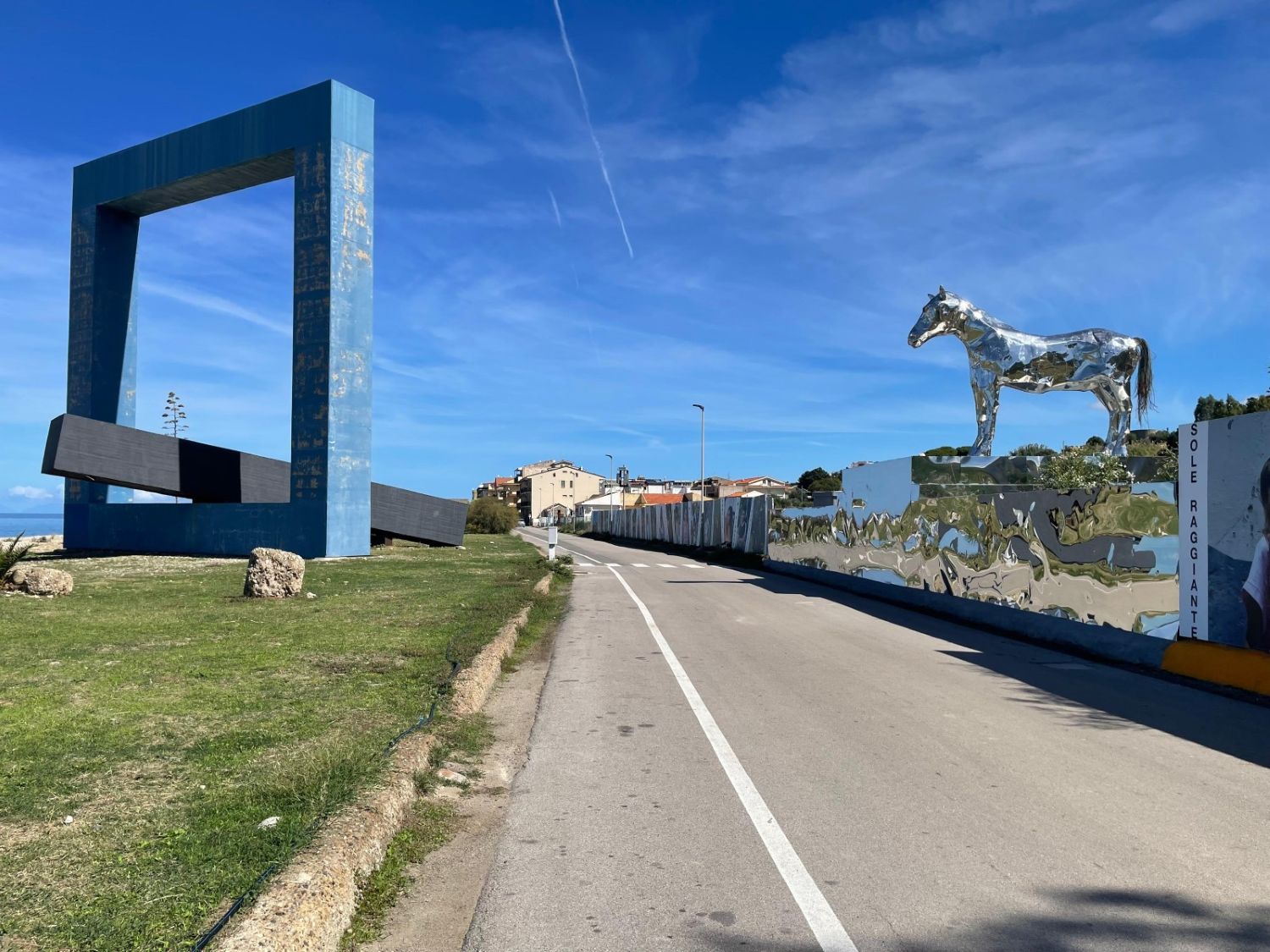 Sessant’anni di arte siciliana in mostra a Reitano, Gibellina e Palermo18 ottobre 2025
 La Sicilia occidentale riparte da Gibellina10 ottobre 2025