Il comune di Salemi, in provincia di Trapani, presenta un patrimonio storico e culturale stratificato, con origini che risalgono all’antichità. Il territorio ha conosciuto nel tempo la presenza di diverse dominazioni, tra cui quella romana, bizantina, araba e normanna, che hanno contribuito a definire l’identità storica e architettonica del centro abitato.
Il centro storico è caratterizzato da un impianto urbano tradizionale, con vicoli lastricati e la presenza di edifici storici e palazzi nobiliari. Tra i principali luoghi di interesse si distingue la Chiesa Madre dedicata a San Nicola, rilevante per il suo valore religioso e architettonico.
Di grande rilevanza è il Castello di Salemi, situato su una collina dominante il centro abitato. Questa imponente fortezza, le cui origini risalgono all’epoca normanna, ha svolto nel corso dei secoli funzioni difensive e di controllo del territorio. Oggi il castello rappresenta un importante punto di interesse turistico e culturale, offrendo ai visitatori panorami mozzafiato sulla città e sulla campagna circostante, oltre a ospitare eventi e manifestazioni culturali.
Nel periodo borbonico, Salemi ha assunto un ruolo significativo sotto il profilo culturale e politico. Nel 1860 il comune è stato sede di un evento rilevante nel processo di unificazione italiana, con il plebiscito per l’annessione della Sicilia al Regno d’Italia.
Nel corso del Novecento, il territorio è stato interessato da eventi critici, tra cui il terremoto del 1968, che ha provocato danni rilevanti al patrimonio edilizio e storico. Nonostante ciò, il comune ha avviato nel tempo processi di recupero e valorizzazione del proprio patrimonio.
Attualmente, Salemi si configura come un centro attivo sotto il profilo culturale e turistico, con la presenza di attività commerciali e artigianali legate ai prodotti tipici locali. Il territorio è inserito in un contesto paesaggistico di rilievo, che comprende aree naturali e percorsi adatti ad attività escursionistiche.
L’offerta enogastronomica rappresenta un ulteriore elemento di attrattività, basata su prodotti e ricette della tradizione siciliana e su produzioni locali di qualità.
Salemi si presenta come un territorio con potenzialità di sviluppo legate alla valorizzazione del patrimonio storico, culturale e ambientale, nonché al rafforzamento del settore turistico.
 Associazione: Anci Sicilia
→
Associazione: Anci Sicilia
→
 Associazione: Borghi più belli d'Italia
→
Associazione: Borghi più belli d'Italia
→
 Consorzio: Castelli di Sicilia
→
Consorzio: Castelli di Sicilia
→
 Gruppo di Azione Locale: GAL Valle del Belice
→
Gruppo di Azione Locale: GAL Valle del Belice
→
Il sistema produttivo del comune di Salemi rappresenta un elemento rilevante per l’economia locale, articolandosi in una pluralità di attività nei settori agricolo, artigianale e commerciale. Tali imprese contribuiscono alla vitalità del territorio, offrendo prodotti e servizi destinati sia alla popolazione residente sia ai flussi turistici.
Il comparto artigianale riveste un ruolo significativo, con la presenza di botteghe impegnate nella produzione di manufatti tradizionali, tra cui ceramiche, tessuti e oggetti in legno lavorato. Queste attività si caratterizzano per la continuità delle tecniche produttive e per la trasmissione intergenerazionale dei saperi, elementi che conferiscono valore identitario alle produzioni locali.
Il settore agricolo costituisce uno dei pilastri dell’economia territoriale, favorito dalle condizioni pedoclimatiche del contesto. Le aziende agricole locali sono attive nella produzione di olio extravergine di oliva, vino, agrumi e altre colture tipiche, con una presenza consolidata sia nei mercati locali che in quelli più ampi.
Le attività commerciali risultano diversificate e comprendono sia esercizi di prossimità sia imprese di dimensioni medie operanti in diversi ambiti merceologici. Nel centro storico, i negozi tradizionali svolgono un ruolo importante nella promozione dei prodotti tipici e nella valorizzazione dell’identità locale.
Una caratteristica distintiva del tessuto imprenditoriale è la diffusione di imprese a conduzione familiare, che garantiscono continuità operativa e radicamento territoriale. L’attenzione alla qualità dei prodotti e dei servizi rappresenta un elemento centrale nella competitività delle imprese locali.
La collaborazione tra operatori economici e istituzioni locali contribuisce al rafforzamento del sistema territoriale, anche attraverso l’organizzazione di eventi, fiere e iniziative culturali che favoriscono la visibilità delle attività produttive e incentivano lo sviluppo economico.
Le imprese di Salemi costituiscono un patrimonio economico e sociale di rilievo, contribuendo alla creazione di occupazione, alla conservazione delle tradizioni e alla valorizzazione delle risorse locali.
Il territorio del comune di Salemi, con una popolazione di circa 9.942 abitanti nel 2023, presenta una distribuzione demografica equilibrata tra maschi e femmine. La superficie comunale, pari a 182,42 km², si caratterizza per un’ampia disponibilità di patrimonio abitativo, con un totale di 9.158 unità tra abitazioni occupate e non occupate, elemento che può rappresentare una leva per iniziative di valorizzazione immobiliare.
La presenza di cittadini stranieri risulta contenuta, con 666 residenti, configurando un contesto sociale relativamente stabile ma con potenziali margini di apertura a nuove dinamiche di integrazione.
Dal punto di vista dell’offerta ricettiva, il territorio evidenzia un livello di sviluppo ancora limitato: si registra l’assenza di strutture alberghiere e campeggi, a fronte della presenza di residenze turistico-alberghiere, agriturismi, bed & breakfast e altre forme di ospitalità extraalberghiera, per un totale di circa 120 posti letto.
In ambito culturale, la presenza di un istituto museale che ha registrato 1.096 visitatori nel 2020 segnala un interesse, seppur contenuto, verso l’offerta culturale locale. Le caratteristiche altimetriche del territorio, con una prevalenza di aree al di sotto dei 299 metri, si prestano allo sviluppo di attività turistiche legate al paesaggio rurale e alla fruizione dell’ambiente naturale.
La presenza di alcune unità destinate agli affitti brevi gestiti in forma imprenditoriale, insieme ad altre strutture ricettive minori, evidenzia segnali di apertura verso il rafforzamento del settore turistico. Tuttavia, l’assenza di strutture alberghiere di fascia medio-alta rappresenta un limite rispetto alla possibilità di intercettare segmenti di domanda più strutturati.
Salemi presenta opportunità di investimento nel comparto turistico e ricettivo, con prospettive di sviluppo connesse alla valorizzazione del patrimonio culturale e paesaggistico e al potenziamento dell’offerta di ospitalità.
Salemi, comune della provincia di Trapani, si distingue per un patrimonio storico e culturale di rilievo, inserito nel contesto paesaggistico della Valle del Belice. Il territorio offre un insieme di attrazioni che consentono di approfondire la storia locale e le tradizioni siciliane.
Tra i principali punti di interesse figura il Castello Normanno-Svevo, struttura fortificata che domina il centro abitato e rappresenta un elemento identitario del territorio. Il castello è legato a un importante episodio storico del 1860, quando Giuseppe Garibaldi vi proclamò Salemi sede del primo governo dell’Italia unificata. Oggi l’edificio ospita iniziative culturali ed eventi espositivi.
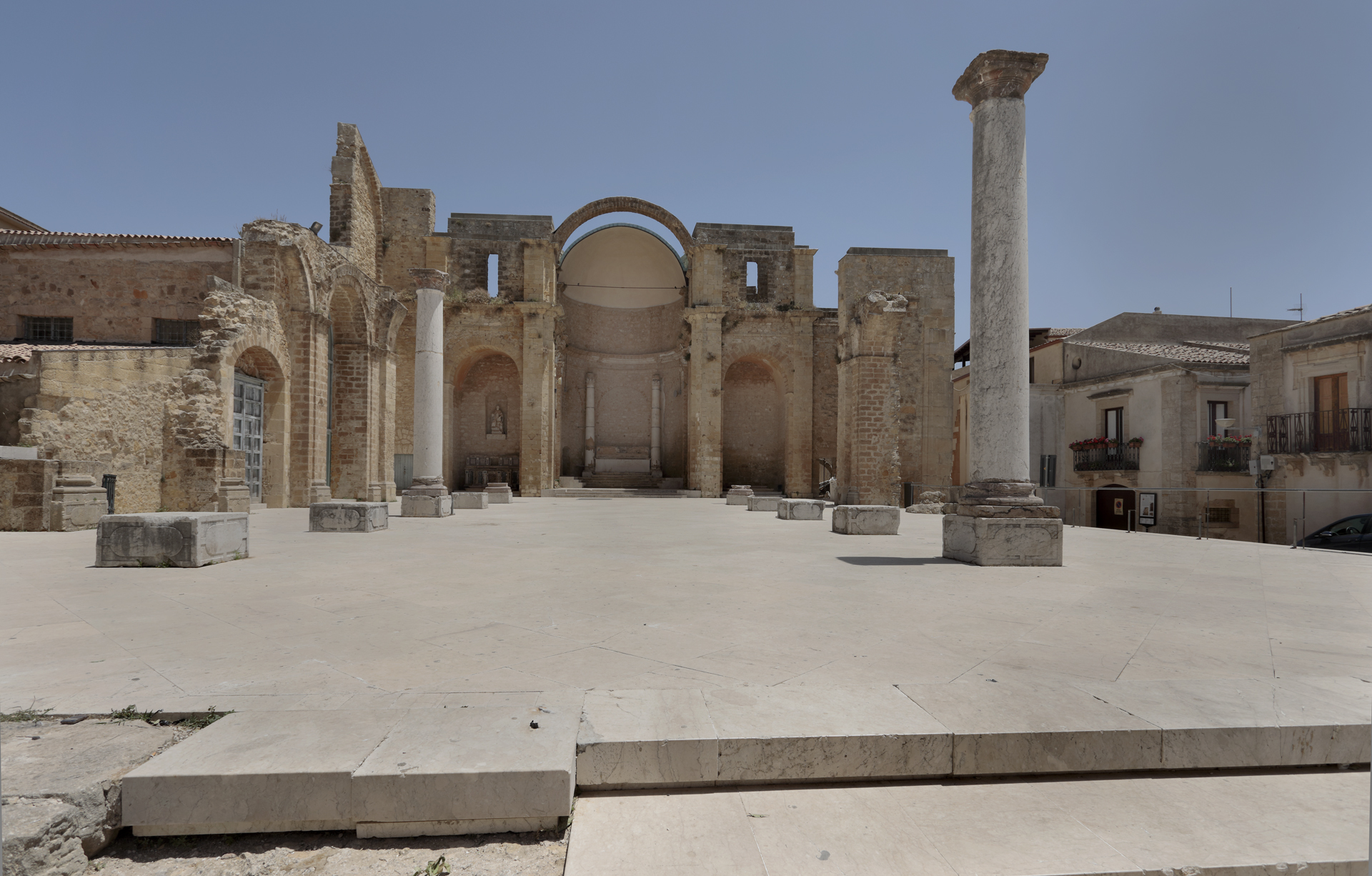
Di particolare valore simbolico sono i Ruderi della Chiesa Madre dedicata a San Nicola di Bari, gravemente danneggiata dal terremoto del 1968. Le rovine, lasciate a cielo aperto, costituiscono una testimonianza significativa della memoria storica e dei processi di ricostruzione del territorio.
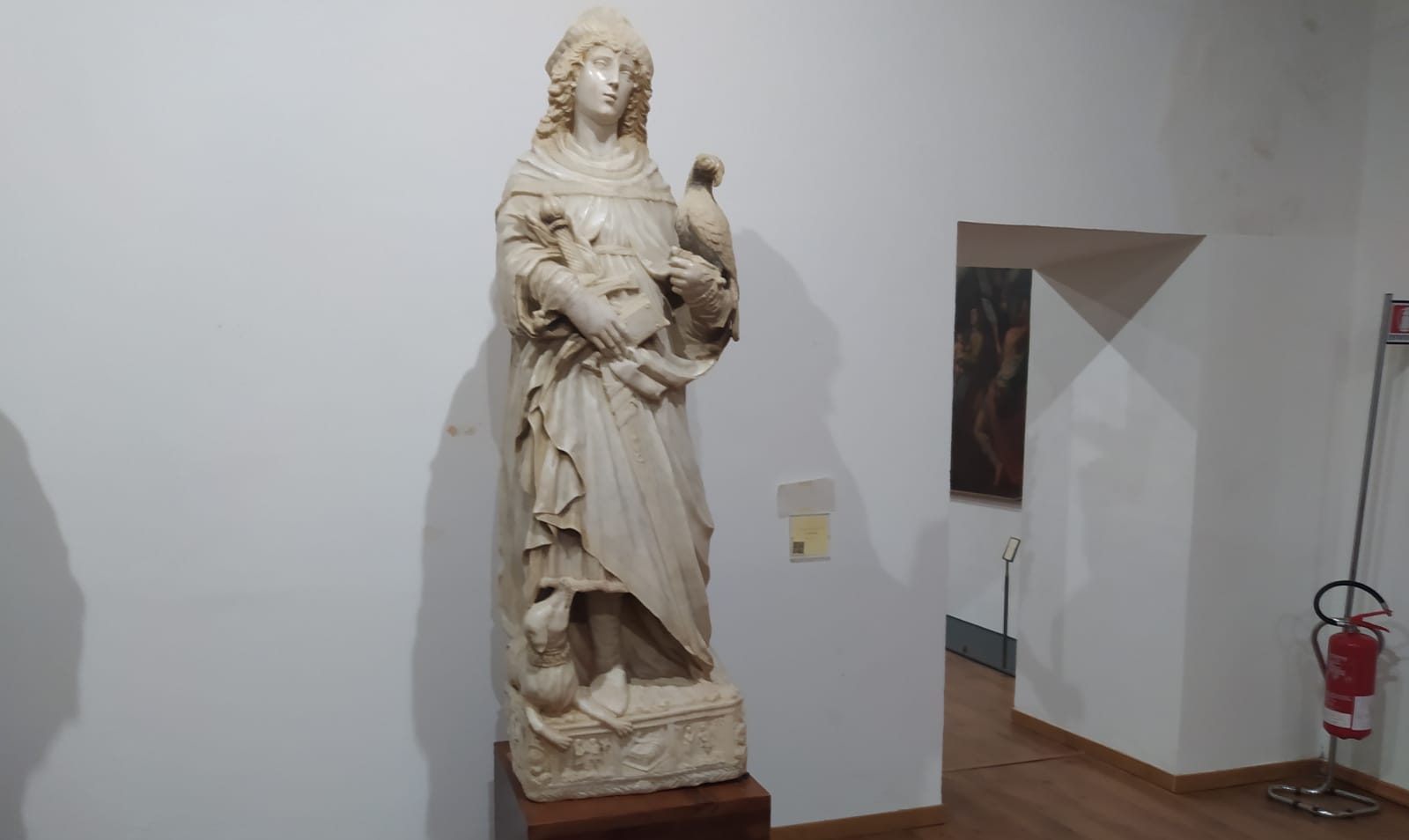
Un ruolo centrale nell’offerta culturale è svolto dall’ex Collegio dei Gesuiti, oggi sede di un sistema museale articolato, con sezioni dedicate all’archeologia, all’arte sacra, al Risorgimento e alla storia contemporanea.
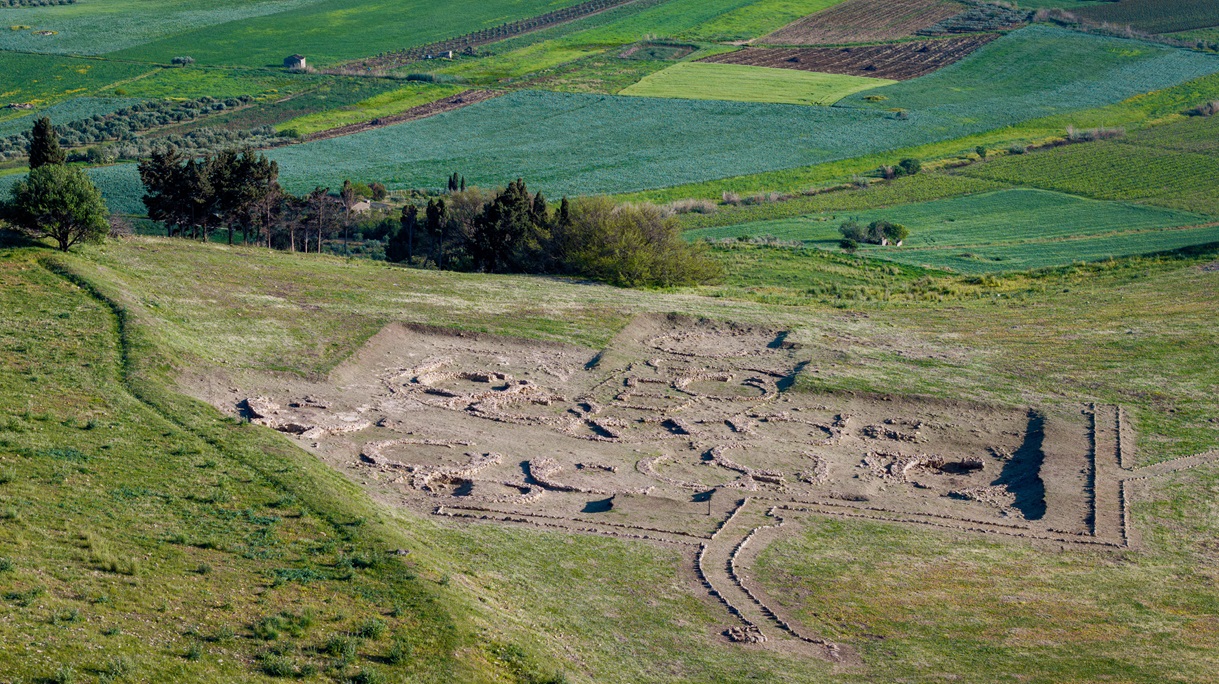
Il contesto naturale è caratterizzato dalle colline della Valle del Belice, con un paesaggio agricolo dominato da vigneti e uliveti, che si presta ad attività escursionistiche e alla fruizione del paesaggio rurale.
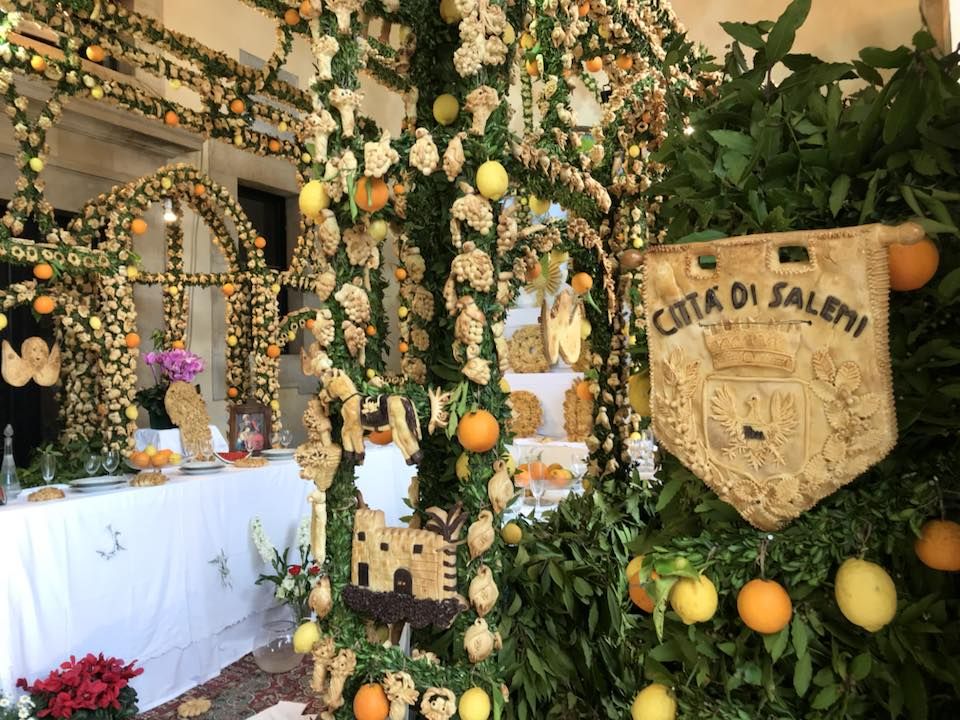
Tra le principali tradizioni locali si distingue la “Cena di San Giuseppe”, manifestazione di forte valore religioso e culturale, durante la quale vengono realizzati altari decorati con pani artistici, espressione di saperi artigianali e simbolici tramandati nel tempo.
L’offerta enogastronomica rappresenta un ulteriore elemento di attrattività, con prodotti tipici come la “Vastedda della Valle del Belice” e preparazioni della cucina tradizionale siciliana basate su ingredienti locali.
Nel complesso, Salemi si configura come una destinazione di interesse storico, culturale e paesaggistico, con potenzialità di sviluppo legate alla valorizzazione delle proprie risorse identitarie.
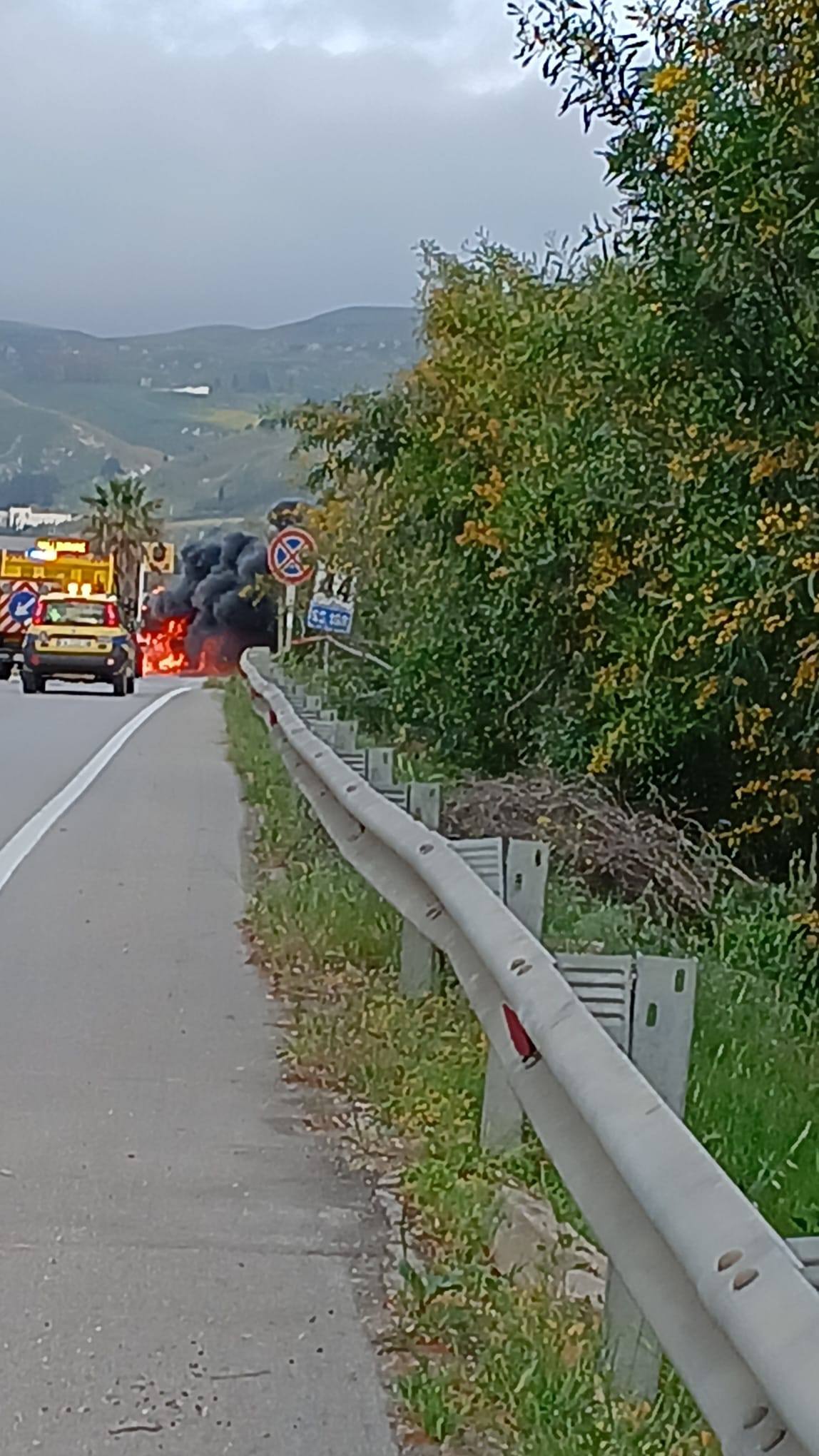 A fuoco bus di linea Salemi sulla A2917 aprile 2026
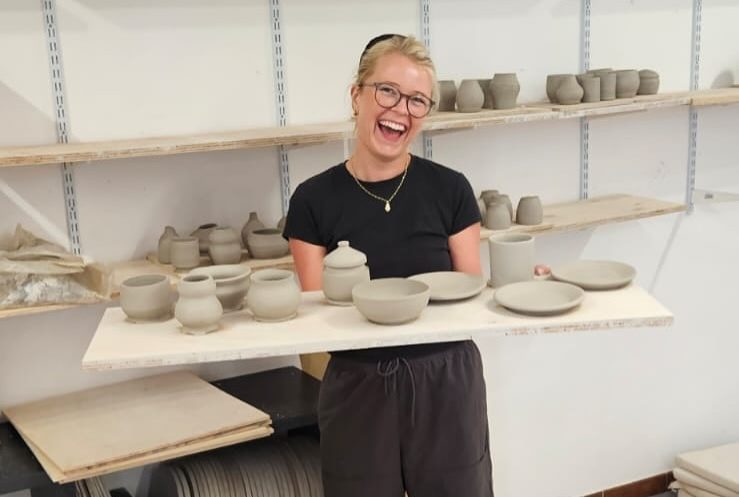 Gli stranieri scelgono Salemi per la ‘settimana esperienziale’ tra ceramica e busiate28 febbraio 2026
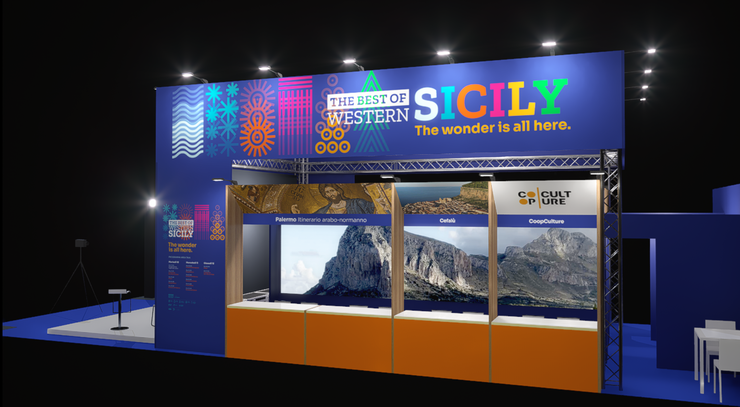 8 partner insieme per promuovere la Sicilia Occidentale a Bit 202602 febbraio 2026
 Belice, week-end immersivo a 1 euro: come partecipare26 luglio 2025
 8 giorni di eventi per la festa di San Giuseppe a Salemi10 marzo 2025
 Salemi rende omaggio al concittadino Tony Scott sulle note jazz25 luglio 2024
 Tiromancino, libri, cinema e busiate a Salemi dEstate 202413 luglio 2024
 Un pezzo di Salemi per Agrigento Capitale della Cultura27 maggio 2024
 Visita gratuita alla misteriosa Mokarta, città della preistoria20 aprile 2024
 Salemi punta al turismo con la Festa di San Giuseppe04 marzo 2024