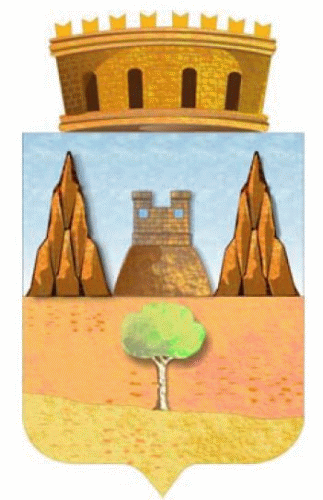
Collesano, a charming mountain village in the province of Palermo, is located in the heart of the Madonie Park, approximately 500 meters above sea level. The town's origins, documented by Al-Idrisi in his famous Libro di Ruggero, are intertwined with art, ceramics, and motorsport traditions.
The historic center retains its medieval charm, with narrow, cobbled streets and numerous churches, including the Mother Church dedicated to Saint Peter and the Church of Santa Maria di Gesù, which houses valuable works of art. Another historic landmark is the Ventimiglia Castle, an imposing medieval fortress that dominates the village from above and recounts centuries of local history, offering panoramic views of the surrounding landscape.
Collesano is also linked to the historic Targa Florio: the village represents a symbolic stage of the famous competition and is home to a museum dedicated to motorsport, attracting enthusiasts from all over Italy every year.
The local ceramic tradition continues with the Lachetta family, who have passed down the secret of their characteristic yellow and green majolica for generations. Among the gastronomic specialties, the Cassatina di Collesano stands out, made with sheep's ricotta, chocolate, and white icing, created in the early 1900s by Mastru Gnaziu Civello.
The village offers ample opportunities for nature lovers and hikers. The Madonie Park, with its extraordinary biodiversity, offers trails through oak, beech, and chestnut forests, perfect for outdoor exploration.
 Associazione: Anci Sicilia
→
Associazione: Anci Sicilia
→
 Consorzio: Castelli di Sicilia
→
Consorzio: Castelli di Sicilia
→
 Gruppo di Azione Locale: GAL Madonie
→
Gruppo di Azione Locale: GAL Madonie
→
 Parco: Parco delle Madonie
→
Parco: Parco delle Madonie
→
 Progetto: Eco Turismo In Comune
→
Progetto: Eco Turismo In Comune
→
 Unione di Comuni: Unione dei comuni delle Madonie
→
Unione di Comuni: Unione dei comuni delle Madonie
→
Collesano's local businesses are the heart of the village's economy and social life. Located in the heart of the Madonie Mountains, the town maintains a strong cultural identity, expressed through family-run businesses operating in the traditional sectors of agriculture, crafts, and tourism.
Craftsmanship is the flagship of Collesano's economy, with deep roots stretching back centuries. Ceramics is its most distinctive art form, a centuries-old craft that dates back to at least 1500 and reached its peak in the 17th and 18th centuries. In the historic "Stazzone" neighborhood, once home to the ancient kilns, expert artisans continue this tradition, famous for its majolica tiles in characteristic colors—straw yellow and copper green—and unique objects such as the "cannata col segreto" (a jug with a joke). Alongside ceramics, cork processing is a historic craft that has supported many families for centuries and is now also promoted through museum initiatives. The town's artisan workshops, handcrafted with wrought iron and wood, complete the picture.
The agri-food sector is also of great importance. Numerous farms produce olive oil, wine, and cheese using traditional methods that reflect their deep connection to the local area. Local cuisine offers authentic and unique flavors: a signature dish is the "ghiotta," a sweet and sour cod dish prepared for the feast of St. Joseph. Among the desserts, the famous "cassatina di Collesano" and the "cucciddati," typical of the holidays, stand out.
In recent years, the business landscape has been enriched by experiential tourism. The opening of agritourisms, B&Bs, and accommodations allows visitors to enjoy authentic experiences, in close contact with nature and local culture. Collesano's businesses, despite their small size, demonstrate great resilience, focusing on quality, hospitality, and a sense of community to meet the challenges of the future. Here, business is not just an economic activity, but represents the most sincere expression of identity and belonging to one's land.
The Collesano area, with a population of 3,654 in 2023, is balanced between males and females and covers an area of 108.16 km², offering interesting development and investment opportunities. However, the number of vacant homes as of December 31, 2021, is a factor to consider in strategic planning.
The presence of only 109 foreign nationals suggests room for growth in attracting international investment and developing services dedicated to a global clientele. Currently, the area has a campsite and two agritourism facilities, highlighting potential in the tourism sector and the possibility of expanding the accommodation offering to accommodate a greater number of visitors.
The lack of luxury hotels and a network of well-organized accommodation facilities may represent an opportunity for investment in the high-end hotel segment. Likewise, the limited presence of non-hotel businesses highlights the need to develop additional tourism services to meet growing demand.
The geographical and altitudinal characteristics, with elevations ranging from 0-299 meters to 300-599 meters, offer ideal settings for nature tourism and hiking. The presence of museums and cultural institutions contributes to attracting visitors interested in local history and culture.
In summary, Collesano represents a region with significant investment opportunities in the tourism, hospitality, and cultural sectors, although targeted planning is required to leverage available resources and address existing challenges, such as vacant housing.
Collesano, a charming village located in the heart of the Madonie Park, is a destination rich in historical, natural, and cultural charm. Perched at approximately 500 meters above sea level, the town offers panoramic views that range from the green mountains to the blue Tyrrhenian Sea. Strolling through narrow, cobbled streets, you'll experience a timeless atmosphere, enhanced by ancient churches, noble palaces, and the remains of medieval fortifications.
Among the main attractions is the Basilica of St. Peter, the town's Mother Church. Built in the second half of the 15th century and consecrated in 1548, it dominates the town with its imposing mass, preceded by a spectacular 17th-century staircase. The interior, with its three naves, houses works of great artistic value: a 1624 fresco cycle by Gaspare Vazzano, known as the "Zoppo di Gangi," which tells the stories of Saints Peter and Paul; a suspended crucifix from 1555; and a marble tabernacle from the late 15th century.
Another symbol of the village is the Targa Florio Museum, which traces the history of the famous car race that once passed through the streets of Collesano, attracting enthusiasts from around the world.
The ruins of the medieval castle are a point of great historical interest. Located on the hill overlooking the village, the castle dates back to the Norman period and retains parts of the walls and the main tower. Once the residence of local feudal lords, the structure testifies to Collesano's strategic role in controlling the territory and today offers unique panoramic views of the valley and the town below.
Nature lovers can explore the Madonie Park, among oak and beech forests, areas of great geological interest, and extraordinary biodiversity. Local traditions are still alive, celebrated through religious festivals, fairs, and folkloristic events that strengthen the community's identity.
The local cuisine completes the experience: simple yet delicious dishes, from handmade pastas to typical Madonie cheeses, to almond and honey desserts, tell the story of the area's agricultural and rural history. Visiting Collesano means immersing yourself in an authentic Sicily, offering genuine and memorable experiences.
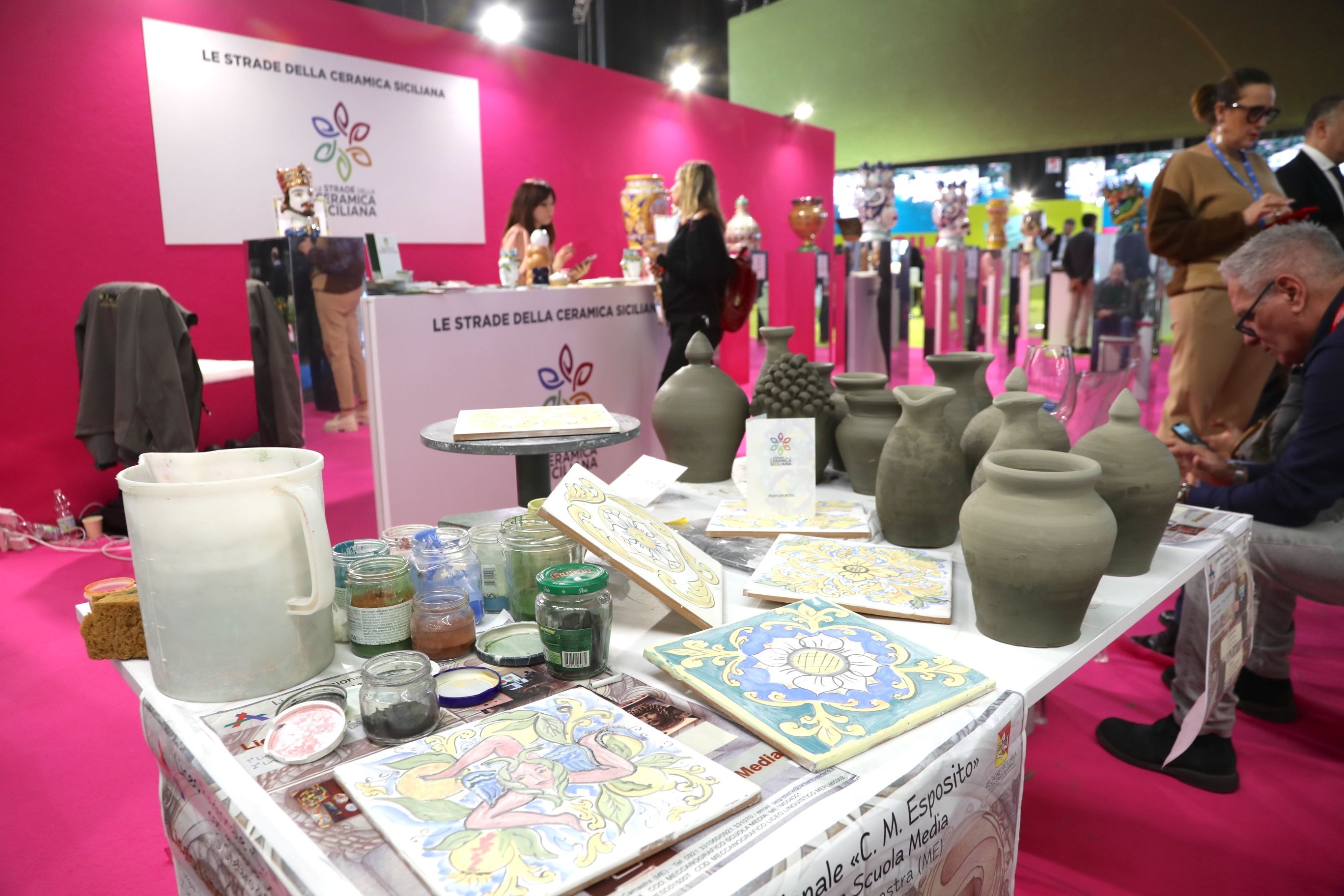 La ceramica siciliana debutta in Usa guardando al turismo esperienziale25 giugno 2026
 La Targa Florio taglia il nastro delle 110 edizioni04 marzo 2026
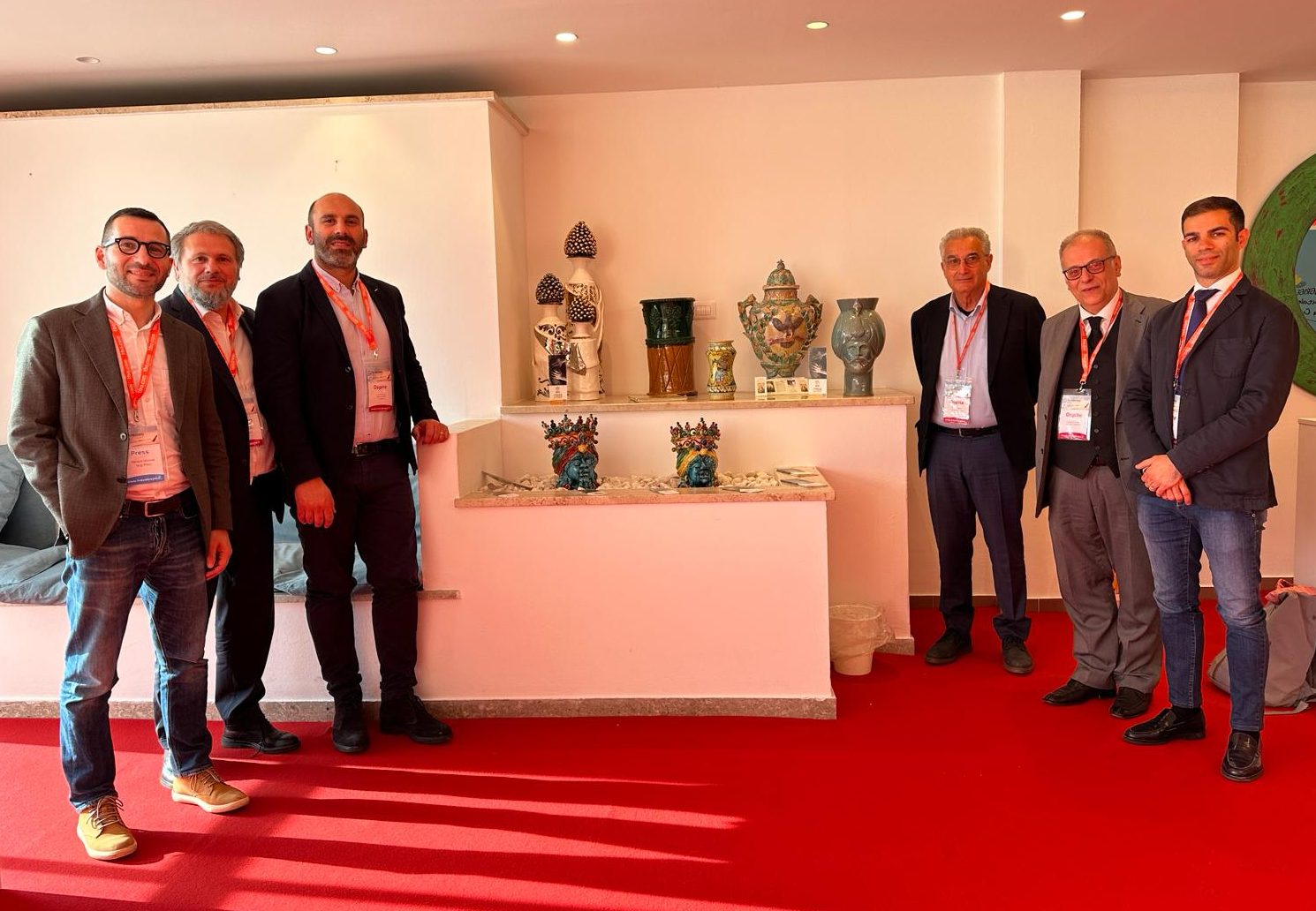 Strade Ceramica per destagionalizzare il turismo siciliano09 aprile 2024
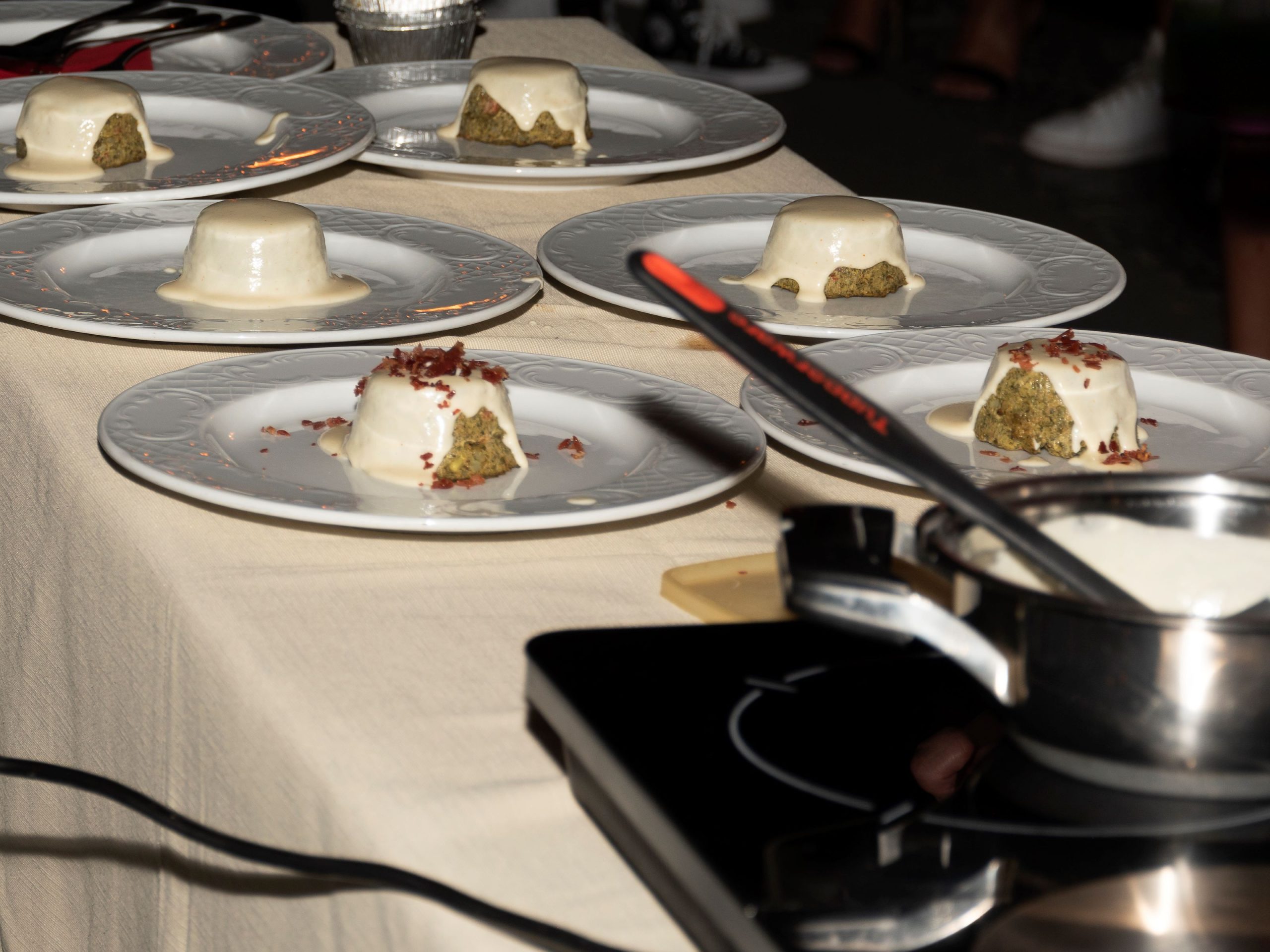 A Collesano viaggio sensoriale alla scoperta di formaggi e non solo02 novembre 2023
 Le Madonie riavranno resort e campo da golf dopo 12 anni di chiusura14 novembre 2019