
Marineo, in the heart of western Sicily, sits on rolling wooded hills approximately 500 meters above sea level, offering views that extend from the Eleuterio River valley to the distant outlines of the Palermo coast. The village, with its ancient origins, retains a medieval layout of winding alleys and small squares, an urban labyrinth that invites you to explore at your leisure.
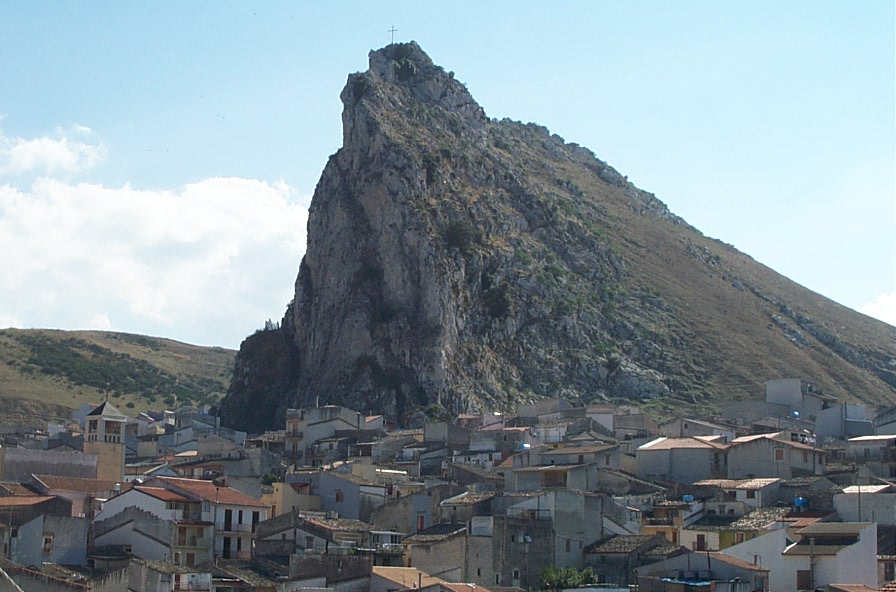
At the heart of Marineo's history stands the Rocca, an imposing limestone cliff that dominates the town. Inhabited since prehistoric times, it was home to the ancient city of Makella, the scene of clashes between the Romans and the Carthaginians. In the Middle Ages, the Rocca became the site of a fortified castle, around which the current village developed. According to tradition, the name Marineo derives from "Marinum Oelum," referring to a spring with healing properties.
The town center revolves around the main square, dominated by the Mother Church dedicated to San Ciro Martire, the city's patron saint. Rebuilt after the 1726 earthquake, it preserves works of art that speak to centuries of devotion, including the precious reliquary urn of the Saint. Nearby are the remains of the Beccadelli Bologna Castle, a symbol of the feudal power that once governed the area.
Marineo is animated by vibrant traditions: the patronal feast of San Ciro, on the third Sunday of August, culminates with a spectacular procession, in which hundreds of barefoot devotees carry the heavy float of the Saint on their shoulders, and grain and confetti are thrown from the windows. Another characteristic event is the "Demonstranza di San Ciro," a 17th-century religious representation commemorating the life and martyrdom of the patron saint.
The natural landscape intertwines with rural settlements: the area is part of the Bosco della Ficuzza, Rocca Busambra, Bosco del Cappelliere, and Gorgo del Drago Nature Reserve, a biodiversity heritage ideal for hiking and walking.
Local crafts preserve the memory of a rural economy: alongside weaving and woodworking, the production of the typical bread, "sciavata," stands out—a flatbread topped with olive oil, sardines, and caciocavallo cheese. Small producers tend vineyards, olive groves, and vegetable gardens, whose excellent products are featured on the menus of family-run trattorias.
Hospitality options, including agritourisms and B&Bs, offer a warm welcome and the opportunity to experience rural life. Marineo, with its historic village feel, allows you to discover an authentic Sicily, far from mass tourism, full of emotions, forest scents, and rhythms that respect human time and the seasons.
 Associazione: Anci Sicilia
→
Associazione: Anci Sicilia
→
 Consorzio: Castelli di Sicilia
→
Consorzio: Castelli di Sicilia
→
 Gruppo di Azione Locale: GAL Terre Normanne
→
Gruppo di Azione Locale: GAL Terre Normanne
→
In the village of Marineo, the local economy is rooted in the land, traditions, and history of the area, successfully intertwining past and future. The surrounding hills are home to vineyards and olive groves that fuel a vibrant, high-quality agricultural production. Small family farms cultivate native varieties using sustainable methods, producing extra virgin olive oil and artisanal wines. Much of these products are processed directly in local mills and wineries, promoting the short supply chain. Some businesses offer tastings and experiential tours to introduce the culture of taste.
Alongside agriculture, creative, locally sourced crafts thrive. Carpentry workshops create custom furniture and furnishings inspired by the surrounding woods, while ceramics workshops produce decorative objects that recall natural shapes and colors. Some workshops also pass on ancient techniques, such as artisanal bookbinding or hand-weaving.
The agri-food sector stands out for its local excellence. Artisan bakeries produce bread and biscuits using local grains, and above all, "sciavata," a rustic focaccia with oil, sardines, onion, and caciocavallo cheese, Marineo's gastronomic symbol. Dairies produce sheep's and goat's milk cheeses, while artisanal workshops prepare preserves and jams using heirloom fruits and wild herbs from the Bosco della Ficuzza Nature Reserve.
The hospitality sector, though small, is constantly growing. Farmhouses and B&Bs nestled in the countryside offer warm hospitality and breakfasts using their own produce, offering authentic experiences such as seasonal harvesting, traditional cooking classes, and guided hikes along the Reserve's trails.
Neighborhood shops—groceries, newsstands, hardware stores, and repair shops—represent an indispensable network of daily services. Direct contact between manager and customer strengthens the sense of community, making these businesses true social pillars. The result is an integrated business landscape, drawing strength from history, nature, and a strong sense of belonging.
The Municipality of Marineo, with a population of 6,054 in 2023, covers an area of 33.2221 km², making it a small but densely populated territory. The gender distribution is balanced, with 2,979 males and 3,075 females, while the foreign resident population is limited to 84 individuals.
Regarding housing, as of December 31, 2021, Marineo had 2,573 occupied homes and 1,752 unoccupied homes, totaling 4,325 housing units. Accommodation facilities are almost nonexistent, with only a single Bed & Breakfast offering 3 beds, highlighting an undeveloped potential in the tourism sector.
The area is predominantly hilly, with 52.22% of the territory between 300 and 599 meters above sea level and 43.40% between 600 and 899 meters. These elevations offer opportunities for nature-based tourism and hiking activities.
Marineo boasts a rich cultural and scenic heritage, which could be leveraged through investments in tourism and cultural initiatives. The presence of only one museum as of 2020 also suggests opportunities to develop additional cultural attractions for visitors.
Overall, Marineo presents significant growth potential, particularly in the tourism and cultural sectors. Investors have the chance to contribute to the enhancement of natural and cultural resources while promoting economic development and improving the quality of life for the local community..
Marineo captivates visitors with a perfect balance of ancient history, rural charm, and natural beauty, offering a diverse experience for every type of traveler. The historic center, an intricate network of stone alleys and flower-filled courtyards, leads to the majestic Rocca, a towering limestone cliff that once housed the ancient city of Makella and a medieval castle. Today, the Rocca offers an extraordinary vantage point from which to admire the entire valley. At its foot, the village centers around the Mother Church dedicated to San Ciro Martire, custodian of the patron saint's precious relics, while the nearby San Francesco complex, with its silent cloister, offers moments of reflection and meditation.
Around the village, the woods of the Bosco della Ficuzza and Rocca Busambra Nature Reserve offer ideal trails for hiking or mountain biking. Marked trails lead to natural springs and picnic areas, perfect for regenerating walks amidst panoramic views of the Eleuterio River valley and a chance to discover the rich local biodiversity.
The seasons in Marineo are marked by traditional rites and festivals of great cultural significance. Among these, the Feast of San Ciro in August stands out, during which hundreds of barefoot devotees carry the saint's heavy float on their shoulders in a spectacular procession. Another unique event is the "Dimostranza di San Ciro," a 17th-century religious performance that transforms the village into an open-air stage. In autumn, festivals dedicated to mushrooms, chestnuts, and new wine offer a chance to savor the authentic flavors of local tradition.
For those seeking authentic experiences, accommodations—farmhouses, B&Bs, and rural homes—organize activities immersed in the local area. Walks through olive groves and vineyards, seasonal harvests, and visits to oil mills and wineries reveal the area's agricultural richness. Here, you can taste unique products such as "sciavata," the typical Marineo focaccia. With its intimate atmosphere and strong local identity, Marineo represents an ideal destination for those seeking a reflective and engaging experience, immersed in the centuries-old traditions of Sicily.
 Il 4 agosto al via Marineo festival delle Musiche01 agosto 2026
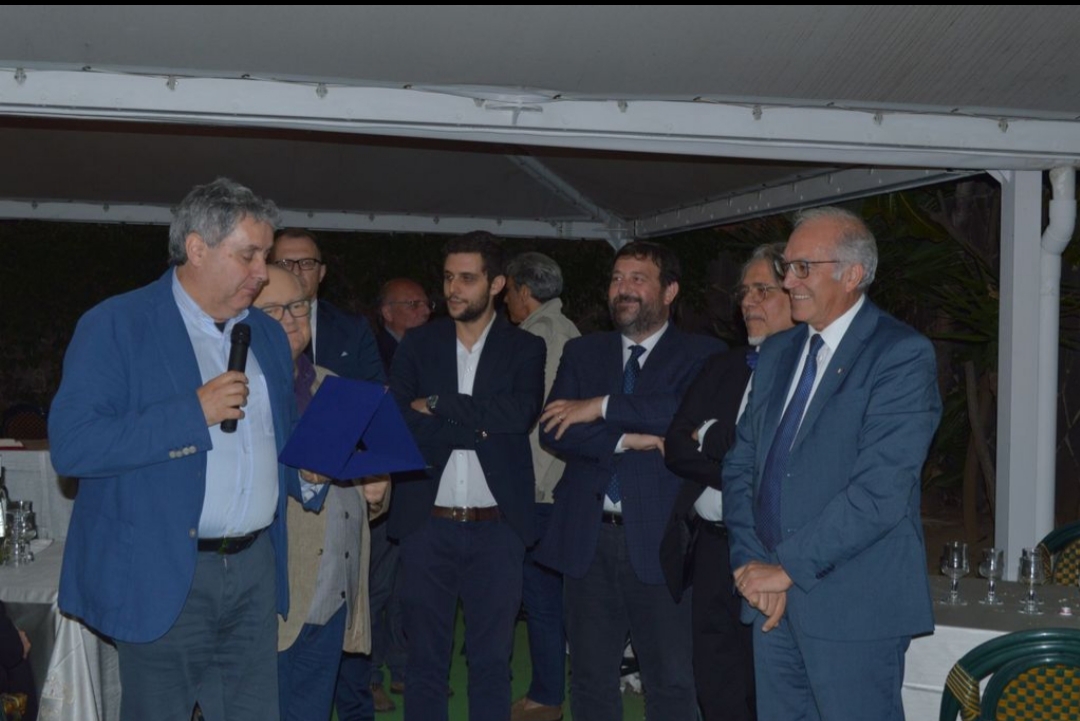 Un premio a Marineo ed Erice in memoria dei fasti dell’Estate Romana01 giugno 2019
 Per Natale a Marineo itinerari culturali, mostra mercato e degustazioni15 dicembre 2018
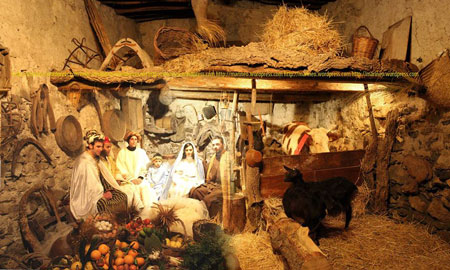 L’antica civiltà contadina rivive nel presepe di Marineo22 dicembre 2016