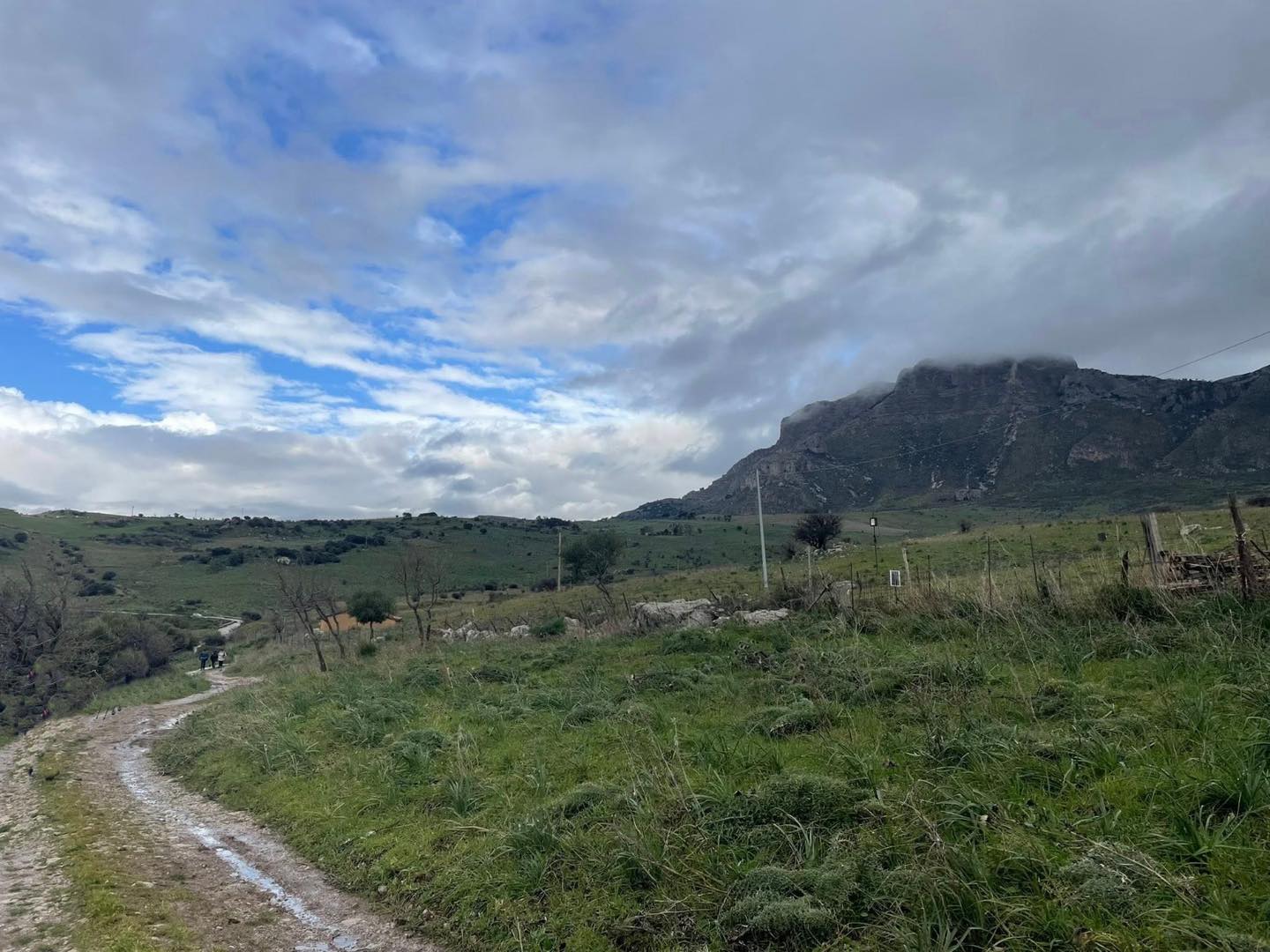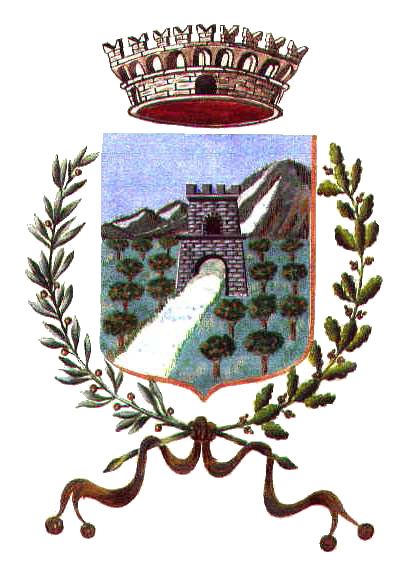
Scillato is a small Sicilian town nestled in the Madonie mountains in the northern part of the island. Part of the metropolitan city of Palermo, the town sits at approximately 200 meters above sea level and enjoys a privileged location offering a captivating natural panorama, including hills covered with olive groves, forests, and streams. Despite its small size and small population, Scillato retains a well-defined cultural and historical identity, rooted in rural tradition and community life.
The town's origins date back to the Middle Ages, when the land was reclaimed and developed thanks to the abundant water resources. The town's name itself may derive from an ancient Arabic or Latin expression related to water, a key element in the area's development. The numerous springs and drainage canals that characterize the area have, in fact, favored the growth of thriving crops, particularly citrus, almond, and olive trees, which still constitute an important part of the local economy today.
One of Scillato's most distinctive features is its network of traditional irrigation canals, known as "saje," built centuries ago to convey spring water to cultivated fields. These small waterways, still in operation in some areas, represent an ingenious example of rural hydraulic architecture and demonstrate the strong connection between the town and its landscape. Alongside agriculture, a modest artisanal activity has also developed, primarily related to woodworking and the production of extra virgin olive oil, highly prized for its quality.
The town retains the typical layout of mountain villages, with narrow, winding streets that wind between stone houses and more recent buildings. Among the most significant monuments is the 16th-century Mother Church, dedicated to Santa Maria della Catena. It houses valuable works of art and represents the hub of the town's religious life. Patron saint festivals and traditional celebrations still mark the rhythm of the year, with events that involve the entire community and also attract visitors from nearby towns.
Despite being inland, Scillato is well connected thanks to the proximity of the Palermo-Catania highway, making it accessible from both the Sicilian capital and inland towns. This strategic location has contributed, in recent years, to a slow but steady influx of tourists, primarily those drawn by the tranquil landscape, the authenticity of local products, and the opportunity for nature excursions in the nearby Madonie Park.
In short, Scillato is an example of a Sicilian village where history, nature, and tradition blend in harmonious balance, offering visitors an authentic experience far from the frenetic pace of large cities. A place where the memory of the past coexists with a simple yet deeply rooted daily life.
The municipality of Scillato, nestled among the gentle slopes of the Madonie Mountains, boasts a community of local businesses that demonstrate a spirit of adaptation and a strong connection to the local area. Artisanal businesses, present in limited numbers but highly valuable, reflect a deep-rooted tradition: small carpentry and woodturning workshops create unique furnishings, crafted from local woods such as chestnut and walnut, while versatile carpenters capitalize on skills passed down from generation to generation.
Alongside artisanal craftsmanship, agricultural and agri-food businesses represent a cornerstone of Scillato's economy. Small family-run businesses grow seasonal vegetables and lovingly tend olive groves, transforming the olives into high-quality extra virgin olive oil, with an intense aroma and smooth character, packaged on labels that evoke the Madonie region. Fig, almond, and citrus orchards complement agricultural production, promoting artisanal jams, preserves, and marmalades, offered at local markets and during village festivals.
Small tourism and hospitality businesses also stand out in the town's economic fabric: family-run agritourism farms, bookable directly by residents, offer rooms and home-cooked meals, featuring traditional dishes cooked according to grandmother's recipes. These businesses, though small in scale, have a positive impact on economic and social life, attracting visitors seeking authentic experiences and a connection with the authenticity of the Sicilian countryside.
The landscape is completed by a small mechanic's workshop and a few grocery and basic goods stores, run by local families, which provide essential services and maintain direct interaction with the community. These businesses, while based on traditional models, demonstrate a tendency toward innovation, with openness to social media, direct sales, and a focus on quality and sustainability. Overall, Scillato's businesses embody an authentic, sustainable local economy, deeply integrated with the village's culture, nature, and daily life.
The Scillato area, with a population of 590 in 2023, covers an area of 31.6956 square kilometers. The gender distribution shows a slight predominance of women over men, with 314 females and 276 males. The presence of foreigners is very limited, with only 11 individuals.
As of December 31, 2021, there were 572 homes, of which 280 were occupied and 292 unoccupied. Accommodation facilities are virtually nonexistent, with no hotels or tourist facilities of any kind. However, there are two B&Bs, one self-managed rental property, and one agritourism facility, for a total of four non-hotel establishments and 42 available beds.
Geographically, the Scillato area features various altitude ranges, with the majority of the area lying between 300 and 599 meters above sea level. The higher elevations, above 1,500 meters, occupy a smaller percentage of the territory.
From an economic standpoint, Scillato offers few investment opportunities in the tourism sector, given the scarcity of accommodation facilities. However, the presence of an agritourism business could represent an interesting opportunity for those wishing to invest in a more authentic and local tourism experience.
In conclusion, although Scillato faces challenges in terms of tourism infrastructure, its geographical location and small size could represent an opportunity for targeted investments to enhance the area and attract sustainable, high-quality tourism.
Located in the heart of the Madonie Park, the town of Scillato is a small Sicilian gem offering visitors an authentic blend of nature, tradition, and history. Surrounded by a picturesque mountain landscape, this village captivates with its narrow streets, stone houses, and the serene atmosphere typical of Sicilian inland villages. One of its main attractions is the splendid natural setting: woods, trails, and water sources make Scillato the ideal starting point for hikes, walks, and outdoor activities. Particularly popular are the numerous natural springs that feed the famous "fountains of Scillato," which once served the town's mills and vegetable gardens and today offer refreshment to hikers.
Not to be missed is the Mother Church and the Sanctuary of Maria Santissima della Catena, which dominates the historic center with its simple elegance and houses valuable religious works, a testament to the local devotion and artistic culture. Also of interest are the ancient watermills, now disused but still visible in some outlying areas, which tell the story of the community's agricultural and artisanal past.
Throughout the year, Scillato hosts various events linked to its rural traditions, including festivals and patron saint festivals celebrating local products such as olives, figs, and almonds. On these occasions, the village comes alive with typical colors, aromas, and flavors, offering tourists the opportunity to enjoy authentic experiences and experience the genuine hospitality of its inhabitants. Visiting Scillato means immersing yourself in a slow and harmonious pace of life, in a setting where nature and culture blend in perfect harmony.