
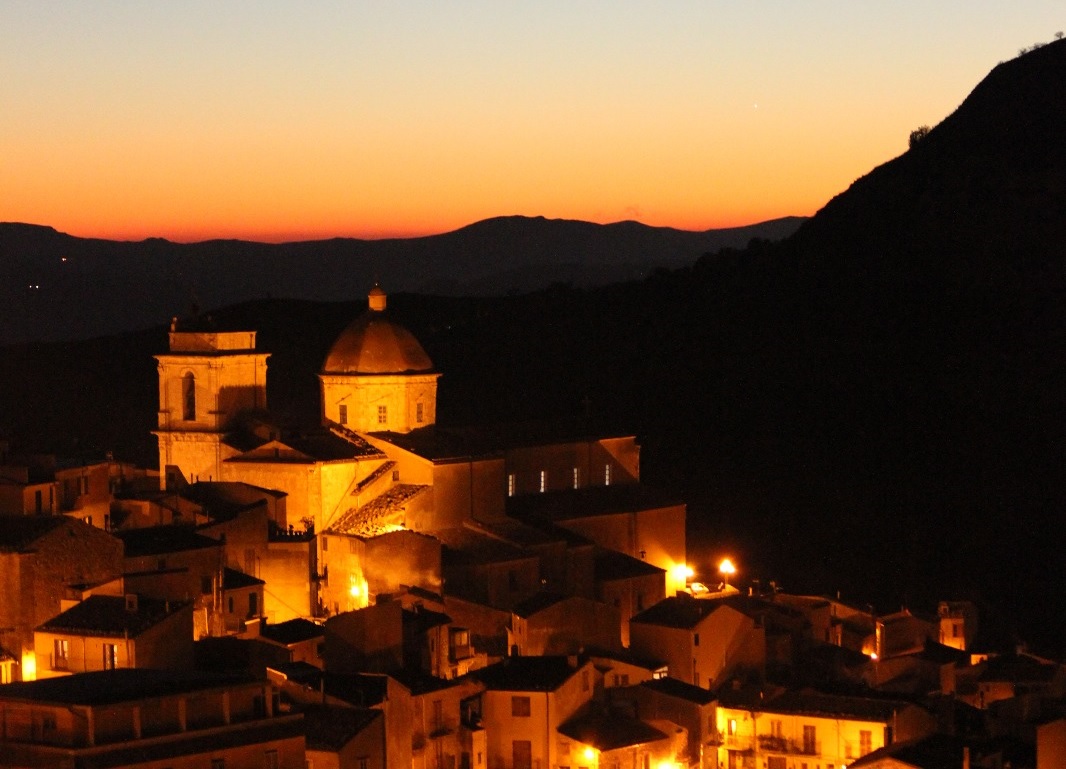
Castellana Sicula è un affascinante borgo della Città Metropolitana di Palermo, situato nel cuore dell’isola a circa 765 metri di altitudine, tra i rilievi delle Madonie. Il territorio, prevalentemente montuoso, è caratterizzato da boschi, pascoli e affioramenti rocciosi che delineano un paesaggio di grande suggestione.
Sebbene l’attuale assetto urbano si sia consolidato nella seconda metà del XVIII secolo, l’area presenta tracce di frequentazione sin dall’antichità, come dimostrano i ritrovamenti archeologici. La fondazione moderna risale al Seicento per iniziativa del duca di Ferrandina. Il toponimo “Castellana” richiama probabilmente la presenza di un’antica fortificazione, mentre l’aggiunta di “Sicula” è successiva e funzionale a distinguerla da altre località omonime, rafforzandone al contempo l’identità territoriale.
Oggi il comune è parte integrante del Parco delle Madonie, area protetta di rilevante valore ambientale. Questo legame con il contesto naturale si riflette nella presenza di estesi boschi di lecci e querce e in una biodiversità ricca, che rende il territorio particolarmente adatto al turismo sostenibile e alle attività escursionistiche.
L’economia locale è storicamente legata all’agricoltura, alla pastorizia e all’artigianato, affiancate negli ultimi anni da un crescente interesse per il turismo naturalistico. Il centro storico conserva un impianto autentico, con vicoli silenziosi, abitazioni in pietra e piccoli edifici religiosi. Tra questi spicca la Chiesa Madre dedicata a San Francesco di Paola, patrono del paese, punto di riferimento per la vita culturale e spirituale della comunità.
Le tradizioni popolari restano fortemente radicate e trovano espressione nelle feste religiose e nelle manifestazioni locali, momenti di aggregazione in cui si intrecciano devozione, musica e gastronomia. Castellana Sicula rappresenta così un esempio significativo di borgo siciliano capace di preservare la propria identità, offrendo un’esperienza autentica legata alla cultura rurale e al paesaggio delle Madonie.
 Associazione: Anci Sicilia
→
Associazione: Anci Sicilia
→
 Gruppo di Azione Locale: GAL Madonie
→
Gruppo di Azione Locale: GAL Madonie
→
 Parco: Parco delle Madonie
→
Parco: Parco delle Madonie
→
 Unione di Comuni: Unione dei comuni delle Madonie
→
Unione di Comuni: Unione dei comuni delle Madonie
→
Castellana Sicula, piccolo comune nel cuore delle Madonie, presenta un tessuto economico fondato soprattutto su imprese locali a conduzione familiare, che costituiscono l’asse portante della vita sociale ed economica del territorio. Le attività produttive si concentrano principalmente nei settori dell’agricoltura, dell’artigianato e del commercio, con una forte attenzione alla valorizzazione delle risorse locali.
Le aziende agricole, spesso tramandate di generazione in generazione, rappresentano una delle principali eccellenze del territorio. La produzione comprende olio extravergine d’oliva ricavato da uliveti secolari, ortaggi e cereali coltivati secondo pratiche tradizionali. Un ruolo centrale è svolto dalla pastorizia, che consente la produzione di latticini di alta qualità, come la provola delle Madonie e i formaggi pecorini, apprezzati per il loro gusto autentico anche al di fuori dell’area locale.
Nel comparto artigianale, le imprese si distinguono per la lavorazione sapiente dei materiali del territorio. Laboratori di falegnameria, officine del ferro battuto e scalpellini specializzati nella pietra locale realizzano manufatti che richiamano la cultura madonita, trovando applicazione nell’edilizia e nell’artigianato artistico. Il commercio di prossimità anima il centro storico con botteghe e attività che offrono prodotti locali e servizi essenziali, mantenendo vivo il rapporto diretto tra comunità e territorio.
Il turismo, infine, è un settore in espansione. Nuove iniziative, spesso promosse da giovani imprenditori locali, hanno portato alla nascita di agriturismi e bed & breakfast che valorizzano il paesaggio e la tranquillità del Parco delle Madonie. Queste strutture non si limitano all’ospitalità, ma propongono esperienze autentiche come degustazioni, escursioni e attività legate alla vita agricola.
Nel complesso, le imprese di Castellana Sicula, pur operando in un contesto di aree interne con diverse sfide, mostrano resilienza e un forte legame con il territorio, contribuendo a preservarne l’identità culturale e a promuovere un modello di sviluppo sostenibile.
Il territorio di Castellana Sicula, con una popolazione di 1705 abitanti nel 2023, si presenta come un luogo di dimensioni contenute ma con un'ampia superficie territoriale di 73,1963 kmq. La distribuzione demografica mostra una netta prevalenza di donne rispetto agli uomini, con 1564 femmine e solo 141 maschi. Le abitazioni presenti nel comune sono 2795, di cui 1332 occupate e 1463 non occupate al 31 dicembre 2021. La presenza di soli 19 stranieri indica una bassa presenza di popolazione non autoctona.
Dal punto di vista turistico, Castellana Sicula offre poche strutture ricettive, con un totale di 41 posti letto distribuiti tra b&b, agriturismi e alloggi in affitto gestiti in forma imprenditoriale. La mancanza di alberghi e altre strutture ricettive di livello superiore potrebbe rappresentare un'opportunità di investimento nel settore turistico.
Dal punto di vista geografico, il territorio presenta una varietà di fasce altimetriche, con la maggior parte dell'area compresa tra i 300 e i 899 metri di altitudine. Questa caratteristica potrebbe favorire lo sviluppo di attività legate al turismo naturalistico e all'escursionismo.
Inoltre, la presenza di un solo museo e la mancanza di istituzioni similari potrebbero rappresentare un'opportunità per investimenti nel settore culturale e artistico, al fine di valorizzare il patrimonio storico e culturale del territorio. Infine, la presenza di pochi posti letto per specializzazione clinica potrebbe indicare la necessità di sviluppare ulteriormente le infrastrutture sanitarie per garantire un adeguato supporto alla popolazione locale e potenziali turisti.
In conclusione, Castellana Sicula si presenta come un territorio con potenzialità di sviluppo in diversi settori, tra cui il turismo, la cultura e la sanità, offrendo interessanti opportunità di investimento per chi desidera contribuire alla crescita e allo sviluppo di questa comunità.
Castellana Sicula, incastonata nel cuore del Parco delle Madonie, conserva intatto il fascino dei piccoli borghi montani, offrendo esperienze strettamente legate alla natura, alla storia e alle tradizioni locali.
Il centro storico invita a una piacevole passeggiata tra stradine lastricate, case in pietra e chiese che raccontano secoli di devozione. Tra queste spicca la Chiesa Madre di San Francesco di Paola, edificata nel XVII secolo e rimaneggiata nell’Ottocento, che custodisce opere di arte sacra, tra cui una statua lignea del Santo Patrono.
Per gli appassionati di natura, il territorio rappresenta un vero patrimonio ambientale. Numerosi sentieri attraversano il comune e i suoi dintorni, ideali per trekking, escursioni in bicicletta o a cavallo. Tra questi si distingue il Sentiero Geologico Urbano, un percorso che permette di leggere la storia geologica delle Madonie direttamente attraversando il paese. Le aree boschive verso località come Piano Zucchi offrono paesaggi suggestivi e una grande varietà di flora e fauna.
Un importante punto di interesse culturale è il Museo Civico, che conserva testimonianze della vita contadina e pastorale del passato. Attraverso la ricostruzione di ambienti tradizionali e l’esposizione di strumenti di lavoro, il museo restituisce un quadro autentico della civiltà rurale madonita.
Il territorio è inoltre ricco di prodotti tipici, come formaggi locali, tra cui la provola delle Madonie, salumi e dolci tradizionali, spesso protagonisti di sagre e feste popolari. Tra gli eventi più sentiti spicca la festa in onore di San Francesco di Paola, che anima il borgo con processioni, manifestazioni folkloristiche e momenti di comunità.
Castellana Sicula si conferma così una meta ideale per chi cerca una Sicilia autentica, lontana dai circuiti del turismo di massa, dove il ritmo della vita segue ancora i tempi della natura e della tradizione.
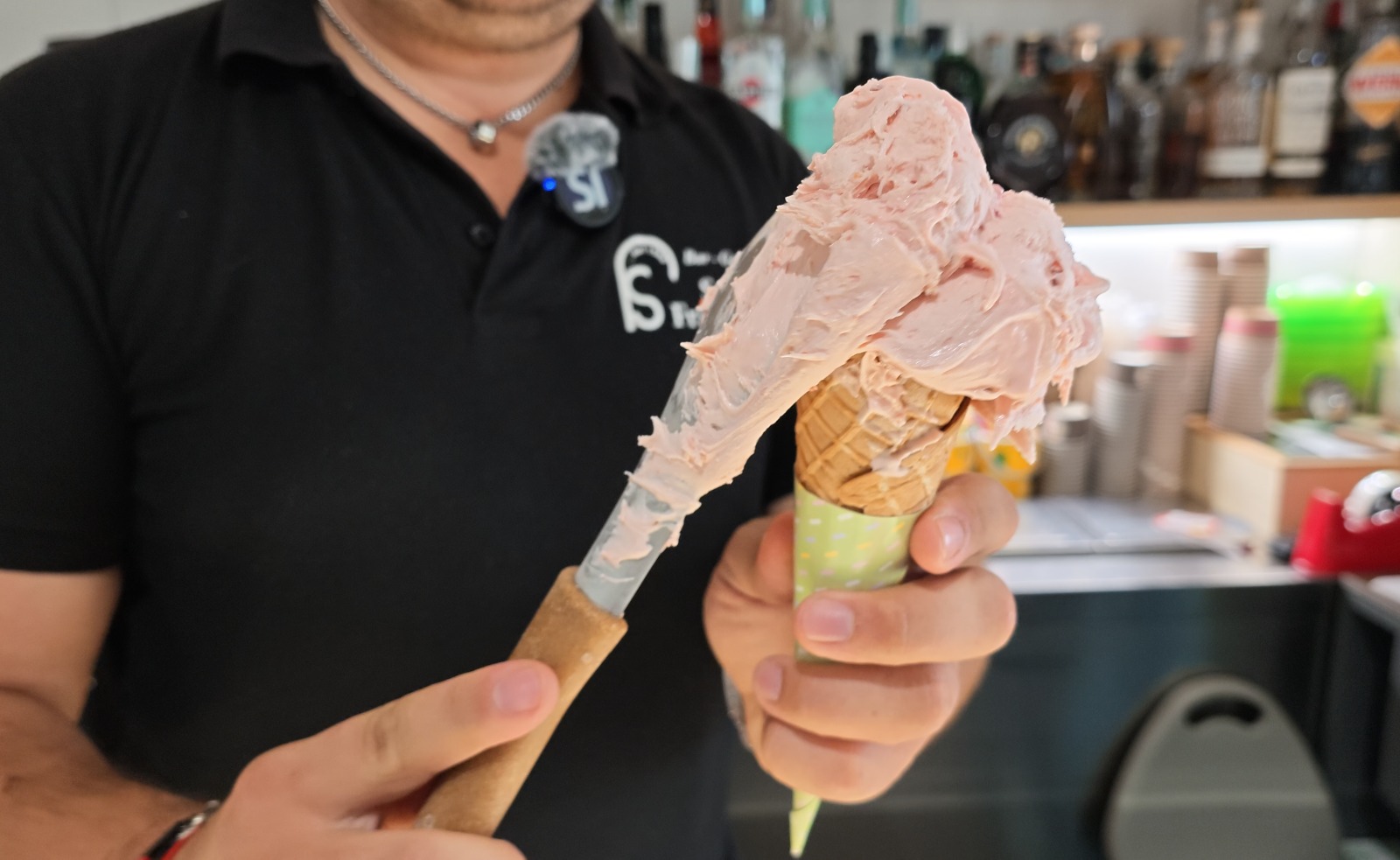 Gusto manna o porcino? Torna il Festival del gelato madonita23 luglio 2026
 Al via Le Notti di BCsicilia: 50 eventi per valorizzare il territorio22 luglio 2025
 Nelle Madonie corsi di formazione gratis per operatori turistici11 giugno 2014