Cesarò, a small mountain town in the province of Messina, often called the Gateway to the Nebrodi, is the second-highest municipality on the island, offering spectacular views of the Nebrodi Park and Mount Etna.
Over the centuries, it has undergone various dominations, including the Normans and Aragonese, which have influenced its culture and architecture. Among its attractions are the Church of San Calogero, a medieval building remodeled several times over the centuries; the ruins of the Ducal Castle, which retains its beautiful Baroque sandstone portal, a testament to its ancient splendor; and Palazzo Zito, once the residence of the Zito family and now, after a restoration, a house-museum featuring original frescoes, furnishings, and floors.
The surrounding woods are home to a rich variety of plant and animal species, including the Nebrodi Black Pig, a native breed raised semi-wild and known for the quality of its meat. Among the most popular tourist events, not surprisingly, is the Sagra del Suino Nero e del Fungo Porcino dei Nebrodi (Black Pig and Porcini Mushroom Festival), a festival steeped in forests and tradition, celebrated over two autumn weekends.
Numerous hiking trails crisscross the area, offering opportunities for outdoor activities such as trekking, birdwatching on the shores of Lake Biviere, and nature walks: Cesarò is also the final stop on the Cammino dei Briganti (Brigands' Trail).
 Associazione: Anci Sicilia
→
Associazione: Anci Sicilia
→
 Gruppo di Azione Locale: GAL Nebrodi Plus
→
Gruppo di Azione Locale: GAL Nebrodi Plus
→
.png) Parco: Parco dei Nebrodi
→
Parco: Parco dei Nebrodi
→
 Progetto: Eco Turismo In Comune
→
Progetto: Eco Turismo In Comune
→
Cesarò, nestled in the Nebrodi Mountains, is a vibrant and authentic hub for those who want to discover the local businesses that keep the area's artisanal and agricultural traditions alive. Among the key players are small, family-run farms, which have been working with passion and experience for generations. Here, growers of grains, legumes, and mountain fruit dedicate themselves to sustainable, often biodynamic, practices aimed at preserving soil fertility and promoting biodiversity. These farmers transform their produce into traditional products, such as ancient grain flours, artisanal jams, and fruit preserves, which tell the story and flavor of ancient local cultivars.
Equally important are the artisanal dairies: small but well-established businesses that transform milk from Nebrodi farms—often from free-range goats, sheep, and cattle—into cheeses with a bold, authentic flavor. These products are distinguished by traditional methods, natural aging times, and the use of local ingredients, such as wild aromatic herbs and natural rennet, resulting in unique cheeses that perfectly represent the local terroir.
Alongside agriculture and cheesemaking, beekeeping businesses are emerging, producing wildflower, chestnut, and heather honey, following the ancient ritual of mobile hives and focusing on artisanal honey extraction practices. The result is a clear honey, rich in aromas and beneficial properties. Completing the mosaic of local businesses are traditional craft workshops: carpenters who work Nebrodi wood to create furnishing accessories, tools, and decorative objects; ceramists who use local clay to create functional and aesthetic objects; and weavers who create blankets, rugs, and bags by weaving raw wool into contemporary patterns.
Cesarò's tourism businesses collaborate closely with these local producers: citrus farms, mountain refuges, hiking guides, and tour operators promote "slow tourism" packages that include harvesting experiences, tastings, artisan workshops, and visits to production sites. This creates a virtuous circle for the local economy, combining tradition, sustainability, culture, and hospitality, offering visitors a genuine immersion in the life and passions of Cesarò.
The Municipality of Cesarò, identified by ISTAT code 083017, is a small but extensive municipality with environmental and structural characteristics of significant interest to investors interested in low-urbanization areas with high landscape and naturalistic value.
In 2023, Cesarò had a population of 2,115, with substantial gender parity (1,048 males and 1,067 females). The foreign presence is extremely limited, with only 13 non-Italian residents, a factor indicating a low incidence of stable immigration and suggesting a relatively homogeneous social fabric. The small population, relative to the vast municipal area of over 216 square kilometers, results in an extremely low population density, equal to approximately 9.7 inhabitants per square kilometer. This figure places Cesarò among the most sparsely populated municipalities in Italy. While this represents a critical issue in terms of local demand for goods and services, it can also represent an opportunity for investments in nature tourism, second homes, or the development of accommodations targeting niche markets interested in slow and sustainable tourism.
An analysis of the housing stock reveals a total of 2,031 units, of which 1,016 are occupied and 1,015 are unoccupied. This near-perfect balance between vacant and occupied dwellings indicates a significant unused building stock, potentially available for renovation, redevelopment, or conversion for tourism and hospitality purposes, temporary residential housing, or widespread hospitality. The presence of so many vacant dwellings could also facilitate policies to attract new residents, smart workers, or real estate investors, with relatively low market entry costs compared to more urbanized contexts.
In terms of its geographical morphology, Cesarò lies in an area characterized primarily by high altitudes: approximately 34.9% of the municipal area lies between 900 and 1,199 meters above sea level, followed by a further 32% between 1,200 and 1,499 meters, and a further 8% between 1,500 and 1,999 meters. Only a small portion of the territory (approximately 0.5%) lies below 600 meters. This altitudinal composition suggests a mountainous context with significant environmental and climatic advantages, ideal for the development of outdoor tourism activities, such as trekking, hiking, cycling, and winter sports where weather conditions permit. However, the high prevalence of high altitudes could limit certain types of intensive agricultural cultivation, encouraging instead the development of niche, high-quality productions linked to mountain specificities.
The tourism and hospitality sector is currently underdeveloped. The hotel offering is extremely limited: in 2021, there were only two hotels, both low-end (one one-star and one two-star), for a total of 40 beds. Non-hotel accommodation is slightly more diverse, thanks to the presence of a campsite with 156 beds and a Bed & Breakfast with an additional 16 beds, as well as a small selection of rental accommodations managed through entrepreneurial methods. Overall, the municipality's total accommodation capacity stands at 220 beds. It is also worth noting the complete absence of agritourism facilities, hostels, holiday homes, mountain refuges, and other types of accommodation typical of inland and mountain areas. This limited accommodation offering highlights a substantial lack of tourism infrastructure, but at the same time represents a clear opportunity for new investments in the sector, especially if oriented towards experiential, ecological, and cultural tourism, with integrated and sustainable hospitality offerings.
From a cultural and museum perspective, as of 2020, there are no operational museums within the municipality, nor are there any visitor numbers. This indicates a potential area for development linked to the enhancement of the local historical, cultural, and naturalistic heritage, also in synergy with the area's environmental and landscape resources.
Healthcare infrastructure is lacking in terms of hospital beds or specialized clinical facilities, as evidenced by 2021 data. This represents a significant criticality in terms of quality of life and the area's ability to attract new residents or more discerning tourists. However, this shortage could represent an opportunity for targeted investments in private healthcare or primary care facilities and elderly care services, also considering the likely presence of a local population with an advanced average age, as is often the case in mountainous and sparsely populated municipalities.
From an economic and social perspective, the scarcity of services and facilities highlighted by the data suggests that Cesarò is an area with potential for local development initiatives, especially if supported by public funding programs for inland areas or by tax incentives for investments in areas at risk of depopulation. The sectors with the greatest growth potential are tourism, particularly with regard to hospitality, ecotourism, and experiential tourism; real estate, with building renovations and enhancement of existing housing stock; and, ultimately, the social and healthcare sector, with services aimed at both the resident population and new targets of temporary or permanent users.
In conclusion, Cesarò appears to be an area with strong untapped potential, characterized by low human pressure, a wealth of natural spaces, and a significant unused real estate portfolio. The main critical issues, linked to the lack of infrastructure and services, can be transformed into opportunities for investors capable of intercepting emerging trends related to the search for alternative, sustainable, and high-quality destinations, both for tourism and for new forms of temporary or permanent residence.
Cesarò, nestled in the heart of Sicily's Nebrodi Mountains, is a charming town that preserves the authentic beauty of the Sicilian hinterland. This small town, surrounded by lush and pristine nature, is an ideal destination for those seeking tranquility, breathtaking views, and authentic contact with tradition. One of Cesarò's main attractions is the Nebrodi Park, Sicily's largest natural park, offering numerous trails for hiking, horseback riding, and mountain biking. Visitors can admire centuries-old beech forests, mountain lakes such as Lake Maulazzo and Lake Biviere, as well as a rich fauna that includes the majestic Nebrodi black pig, a symbol of local agriculture.
The town's historic center is a little gem, with its narrow stone streets, rural-style houses, and ancient churches, including the Mother Church dedicated to Maria SS. Assunta. The cult of the patron saint is deeply felt and is celebrated every year with a fascinating festival that involves the entire community. Don't miss the panoramic views from the town's various lookouts, which offer spectacular glimpses of Mount Etna and the surrounding area.
Cesarò is also renowned for its traditional cuisine, which highlights local products such as cured meats, cheeses, porcini mushrooms, and honey, offering visitors an authentic gastronomic experience. Throughout the year, the town hosts festivals and events tied to agricultural rhythms and popular traditions, offering a precious opportunity to discover the true soul of Sicily. Cesarò is therefore the perfect destination for those seeking a slow, immersive, and emotionally charged experience.
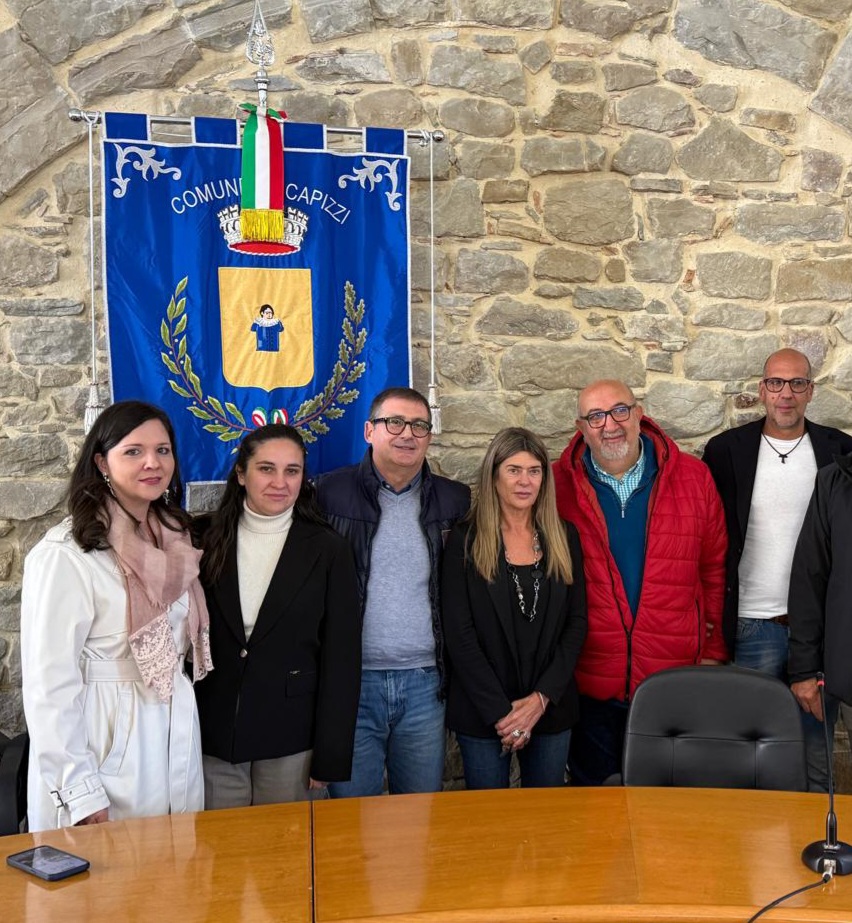 Il Cammino dei Briganti, quando la sinergia paga22 ottobre 2025
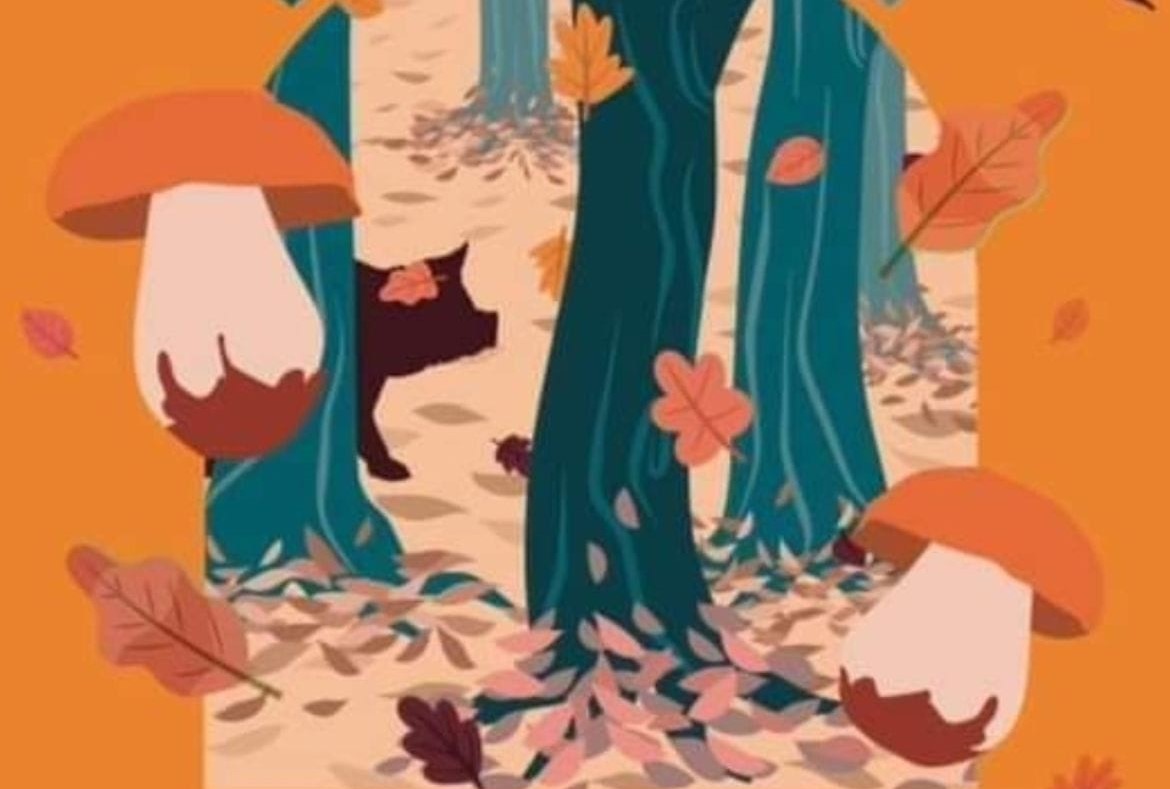 Sui Nebrodi tutto pronto per sagra suino nero e fungo porcino18 ottobre 2024
 Cesaro: apertura teatro Teano grande successo21 novembre 2017
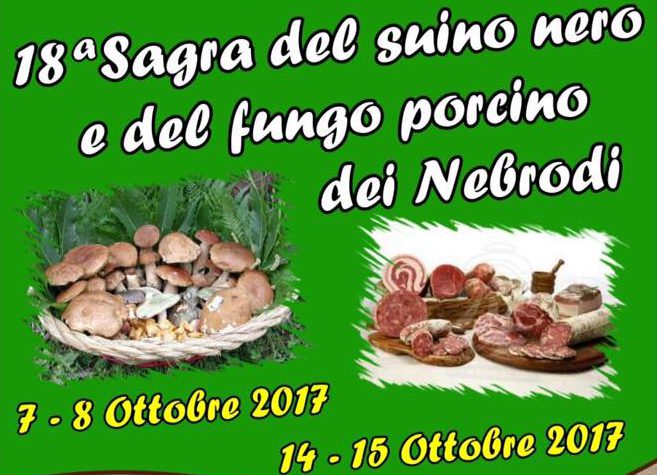 Due weekend del gusto sui Nebrodi con la Sagra del suino nero e del fungo porcino07 ottobre 2017
 Unesco, Cesaro: giovani necessari per salvaguardia patrimonio16 gennaio 2017
 Pioggia di fondi per l’industria culturale e turistica del Sud20 luglio 2016
 Lecce recupera 3 tesori artistici25 maggio 2016