Catania is a fascinating city located on the eastern coast of Sicily, at the foot of the imposing Mount Etna. With a millennia-old history and a profoundly Mediterranean soul, it is one of the island's most vibrant and culturally rich urban centers. Second in population after Palermo, it is an important economic, university, and cultural hub in southern Italy.
Founded by the Greeks in the 8th century BC, Catania has experienced glorious eras and dramatic moments. Over the centuries, it has been dominated by the Romans, Byzantines, Arabs, Normans, Swabians, Angevins, Aragonese, and Spanish, each of whom has left their mark on the urban fabric, art, and local traditions. Its strategic position on the sea and the fertile surrounding lands, enriched by volcanic ash, have made it a major agricultural and commercial center.
One of Catania's most distinctive features is its Baroque architecture, the result of reconstruction after the devastating earthquake of 1693. The historic center, largely built with lava stone, has been declared a UNESCO World Heritage Site along with other cities in the Val di Noto. Among the main examples of this style are the Cathedral of Sant'Agata, dedicated to the city's patron saint, the Teatro Massimo Bellini, and numerous noble palaces overlooking scenic squares.
The connection with Mount Etna is profound and twofold: a source of danger, but also of wealth. The still-active volcano dominates the skyline and influences the climate, agriculture, and the very identity of the city. Lava flows have shaped the landscape and provided building materials, contributing to the distinctive "black" appearance of many buildings.
Catania's cultural life is enlivened by events, theaters, museums, and a historic university founded in 1434, one of the oldest in Italy. The city is the birthplace of illustrious figures, including composer Vincenzo Bellini, celebrated annually with a festival dedicated to him. Music, art, and literature find expression in numerous initiatives that reflect the creative and dynamic spirit of its inhabitants.
Catania is also renowned for its cuisine, which combines the flavors of the sea and land in rich and flavorful dishes. Arancini, pasta alla Norma, fresh fish, and almond and ricotta desserts are just some of the specialties that tell the city's gastronomic story.
Today, Catania presents itself as a modern city, yet deeply rooted in its history. The contrast between ancient and contemporary, between the majesty of Mount Etna and the azure of the Ionian Sea, gives this place a unique charm. It is a destination that combines culture, nature, tradition, and innovation, offering visitors an intense and authentic experience.
Catania's local businesses represent a fundamental pillar of the city's economy, characterized by their diversity and strong ties to the local area. Catania's business landscape is primarily composed of small and medium-sized enterprises, often family-run, operating in traditional sectors such as agri-food, crafts, and commerce, but also in innovative fields such as information technology and electronics. Among the local excellences are farms that produce and process typical local products, such as citrus fruits, olive oil, almonds, and wines, leveraging the natural resources of the Catania plain and surrounding hilly areas.
The artisanal sector still preserves ancient crafts, including ceramics, woodworking, and wrought iron, offering unique products that combine tradition and creativity. Numerous workshops also produce custom-made clothing, artisanal footwear, and jewelry, often inspired by Sicilian culture and identity. At the same time, Catania stands out for its growing presence of young businesses and technology startups, fostered by the presence of universities and research centers, making the city an emerging hub of innovation in Southern Italy.
Retail remains vital, with historic markets such as the Pescheria and the Piazza Carlo Alberto market enlivening daily life and representing an important source of income for many families. Furthermore, the tourism sector has fostered the emergence of numerous accommodation businesses, restaurants, tour operators, and hospitality services, contributing to the city's economic growth. Catania's local businesses, despite facing challenges related to bureaucracy and global competition, are proving dynamic, resilient, and capable of leveraging the region's riches in a modern way.
The territory of Catania, with a population of approximately 298,680 inhabitants in 2023, appears as a place of considerable interest for potential investors. The presence of a population evenly distributed between males and females, along with approximately 37,692 foreigners, indicates a diverse and dynamic social context. From a housing perspective, the 612,439 dwellings available offer a wide range of opportunities in the real estate sector, with a significant number of unoccupied homes that could be the subject of investments for the redevelopment and enhancement of the territory. From a tourist point of view, Catania offers a varied range of accommodation, with a total of 446 accommodation facilities including hotels, farmhouses, youth hostels, bed & breakfasts, and other non-hotel establishments. The presence of 11 museum institutions and a considerable number of visitors indicates a tourist potential to be exploited and enhanced. The geographical and morphological characteristics of the territory, with an area of 3,573.60 sq km and altimetric bands ranging from sea level to 299 meters, offer opportunities for the development of sectors related to nature tourism and hiking. Finally, the presence of healthcare facilities and a rich and diverse cultural heritage complete the picture of a territory that presents itself as an interesting opportunity for investments in the real estate, tourism, healthcare, and cultural sectors.
Catania, located on the eastern coast of Sicily at the foot of Mount Etna, is a city rich in history, culture, and natural beauty, making it a fascinating tourist destination. The historic center, a UNESCO World Heritage Site, is a jewel of Sicilian Baroque. Piazza del Duomo, the beating heart of the city, is home to the majestic Cathedral of Saint Agatha, the patron saint of Catania, and the iconic Elephant Fountain, a symbol of the city carved from lava stone. Strolling along Via Etnea, the main artery lined with shops, cafes, and historic buildings, you can experience the city's vibrant and authentic spirit.
Among the must-see attractions is the Benedictine Monastery, one of the largest monastic complexes in Europe, which today houses the University and offers fascinating guided tours of cloisters, crypts, and centuries-old corridors. The Roman Theater and the Odeon, vestiges of Roman rule, blend harmoniously with the modern urban landscape, recounting millennia of history. Ursino Castle, built in the 13th century, is another essential stop: it houses a civic museum and offers a picturesque view of the city.
Nature is also a priority: just a short distance away is the Riviera dei Ciclopi, with its volcanic sea stacks, and the Etna Park, ideal for hiking through woods, craters, and breathtaking landscapes. Catania's beaches, such as Playa and San Giovanni Li Cuti, offer relaxation and marine beauty just a stone's throw from the city center.
Catania is also renowned for its cuisine: from the famous arancini to Pasta alla Norma, from cannoli to traditional baked goods, every corner of the city offers unique gastronomic experiences. Visiting Catania means immersing yourself in a blend of tradition, beauty, and Sicilian warmth that captivates every visitor.
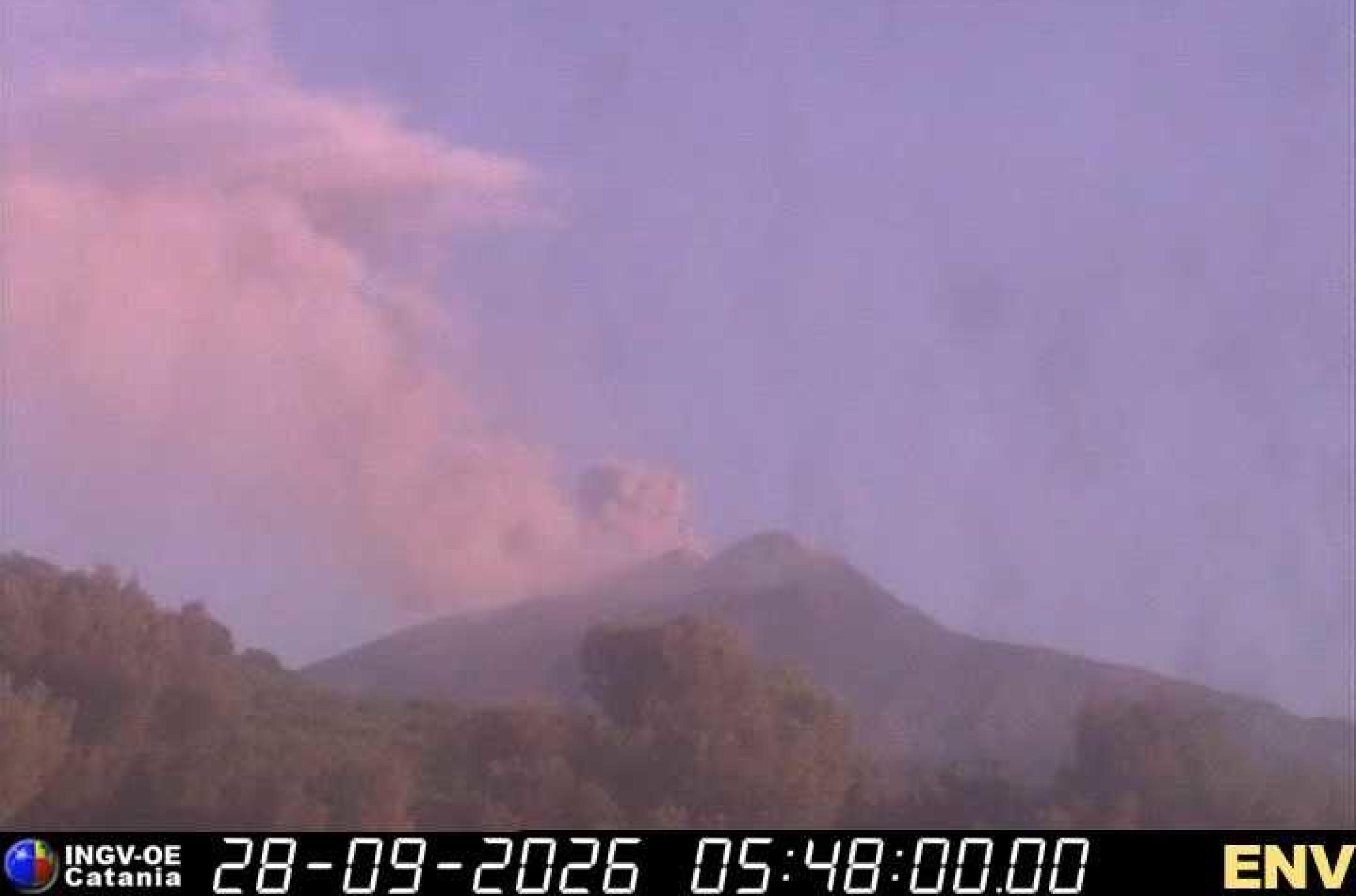 Emissione cenere dall’Etna, terzo giorno di stop ai voli a Catania28 settembre 2026
 All’aeroporto di Catania pronto tra un anno il nuovo Terminal bus03 settembre 2026
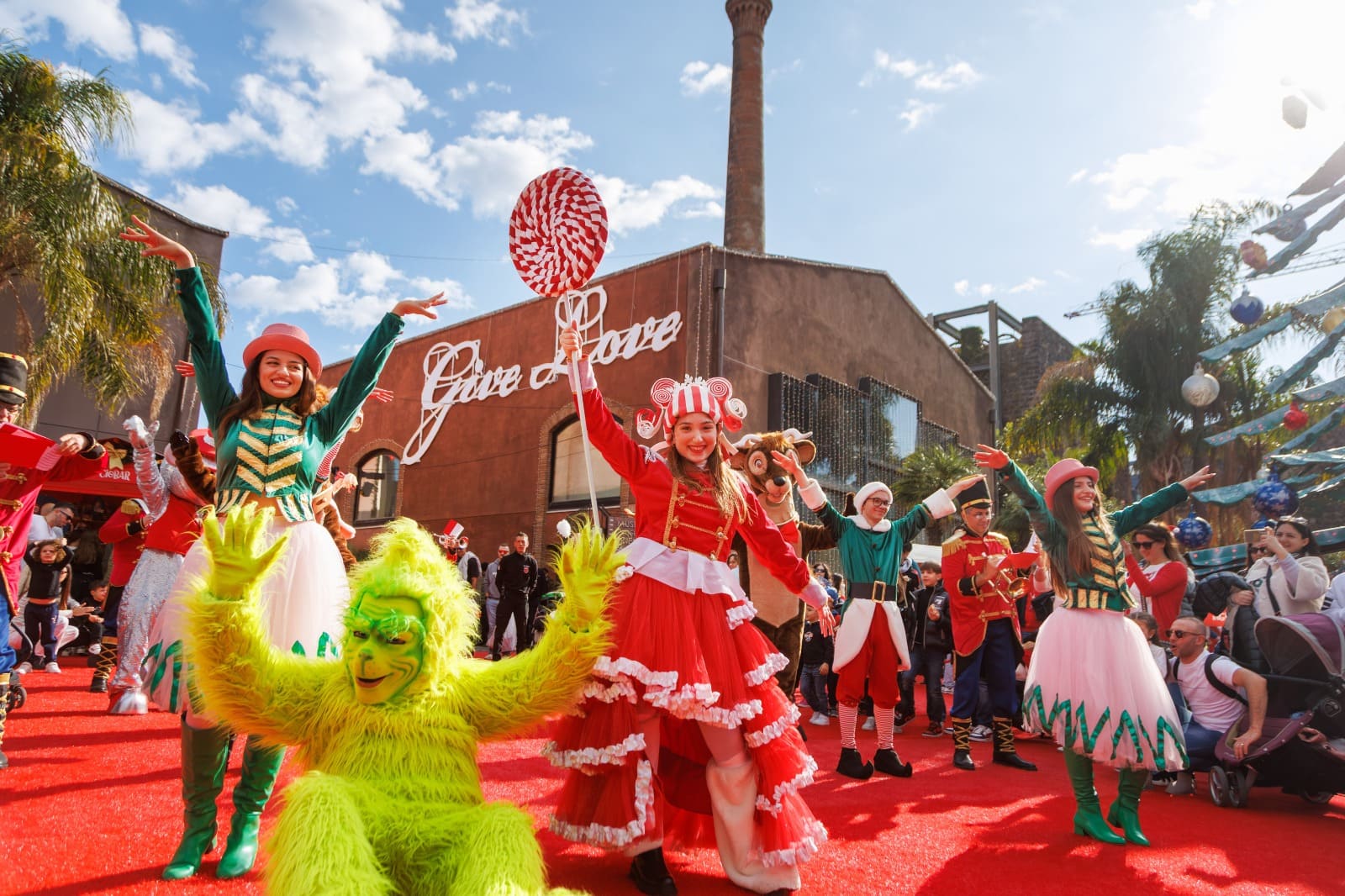 In Sicilia dal caldo al Natale: Christmas Town accende il conto alla rovescia03 settembre 2026
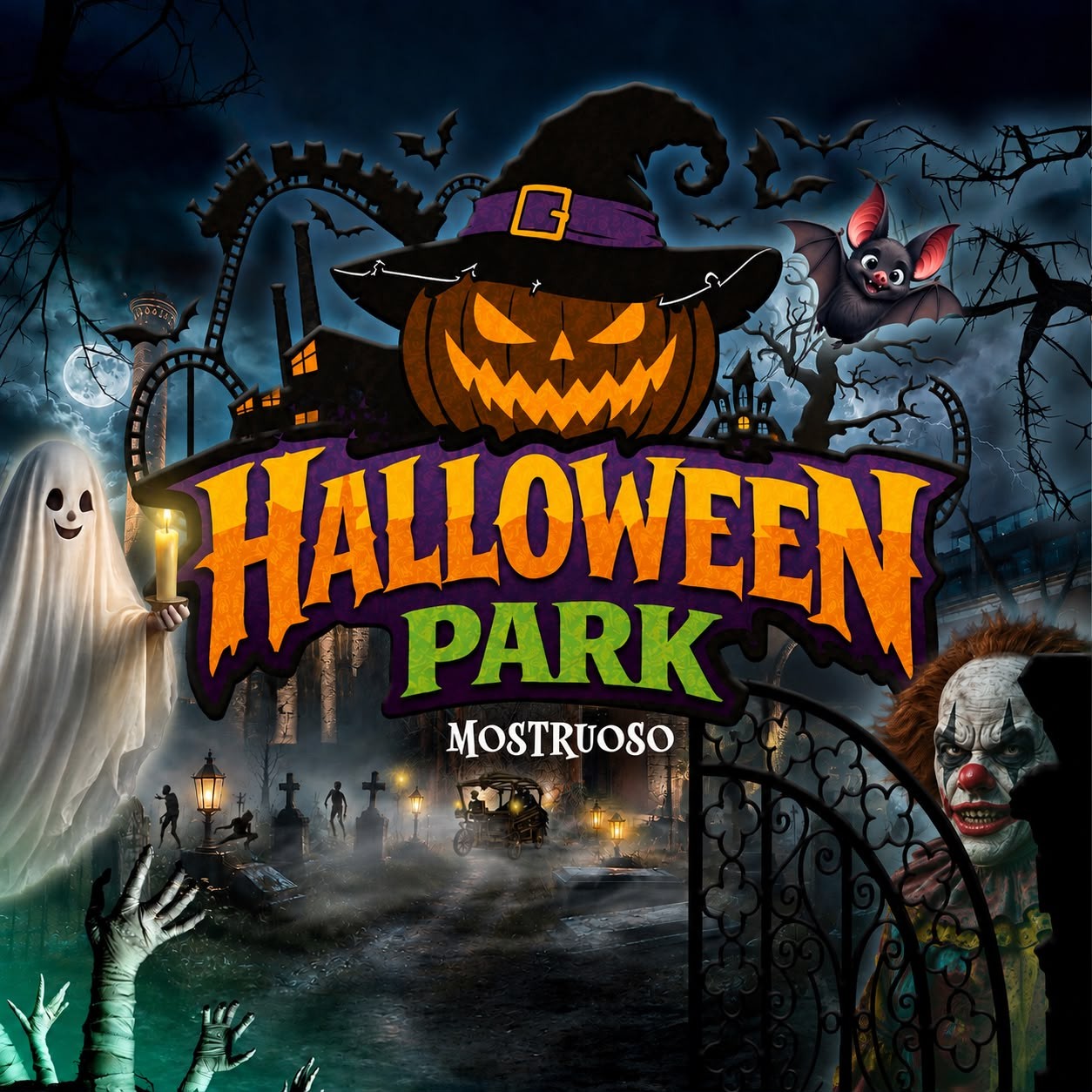 10 giorni di brividi e divertimento: Halloween Park debutta a Catania25 agosto 2026
 Catania, iscrizioni al via per Master in Tourism Operation Manager24 agosto 2026
 Weekend in Sicilia per il ministro Mazzi18 luglio 2026
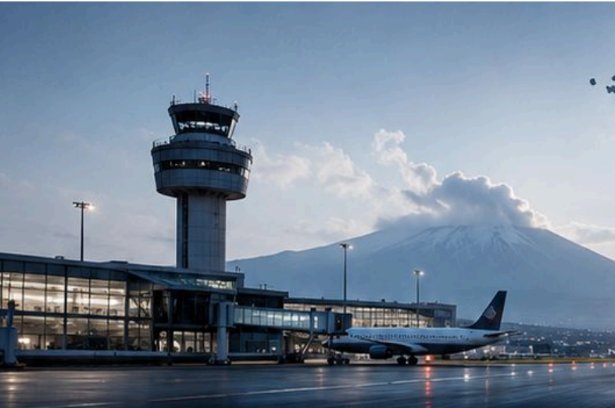 Il Sud-Est contro la privatizzazione dello scalo di Comiso30 giugno 2026
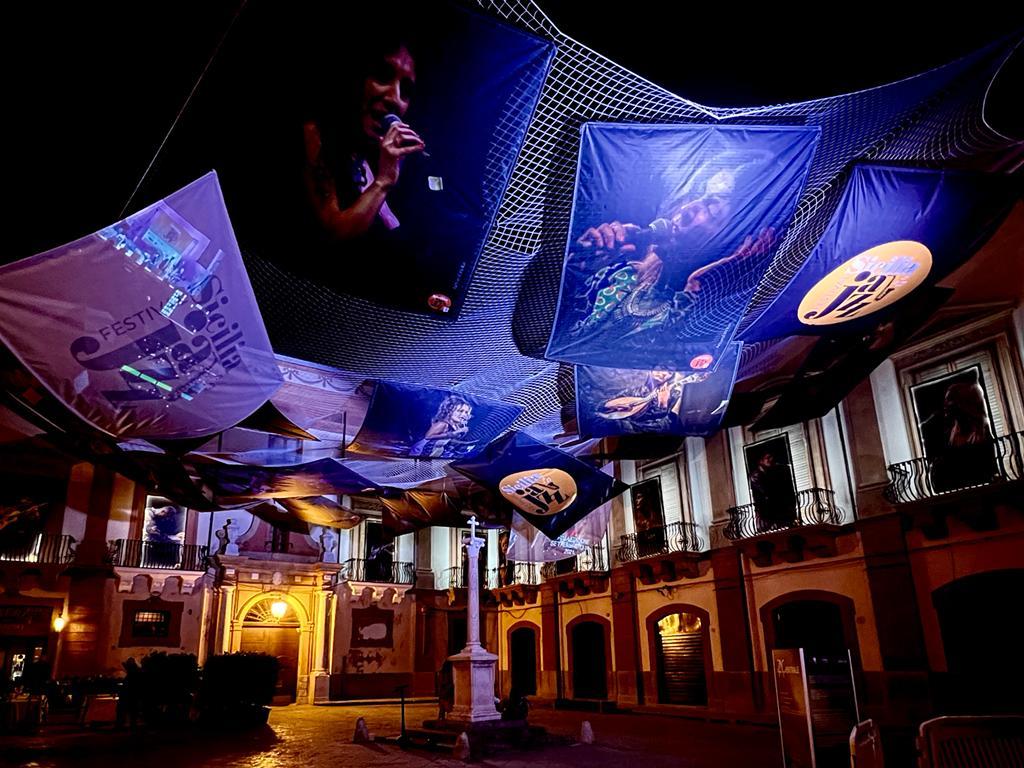 Sicilia capitale del jazz per due settimane27 giugno 2026
 Da Tony Pitony a Morandi oltre 100 eventi nell’estate catanese25 giugno 2026
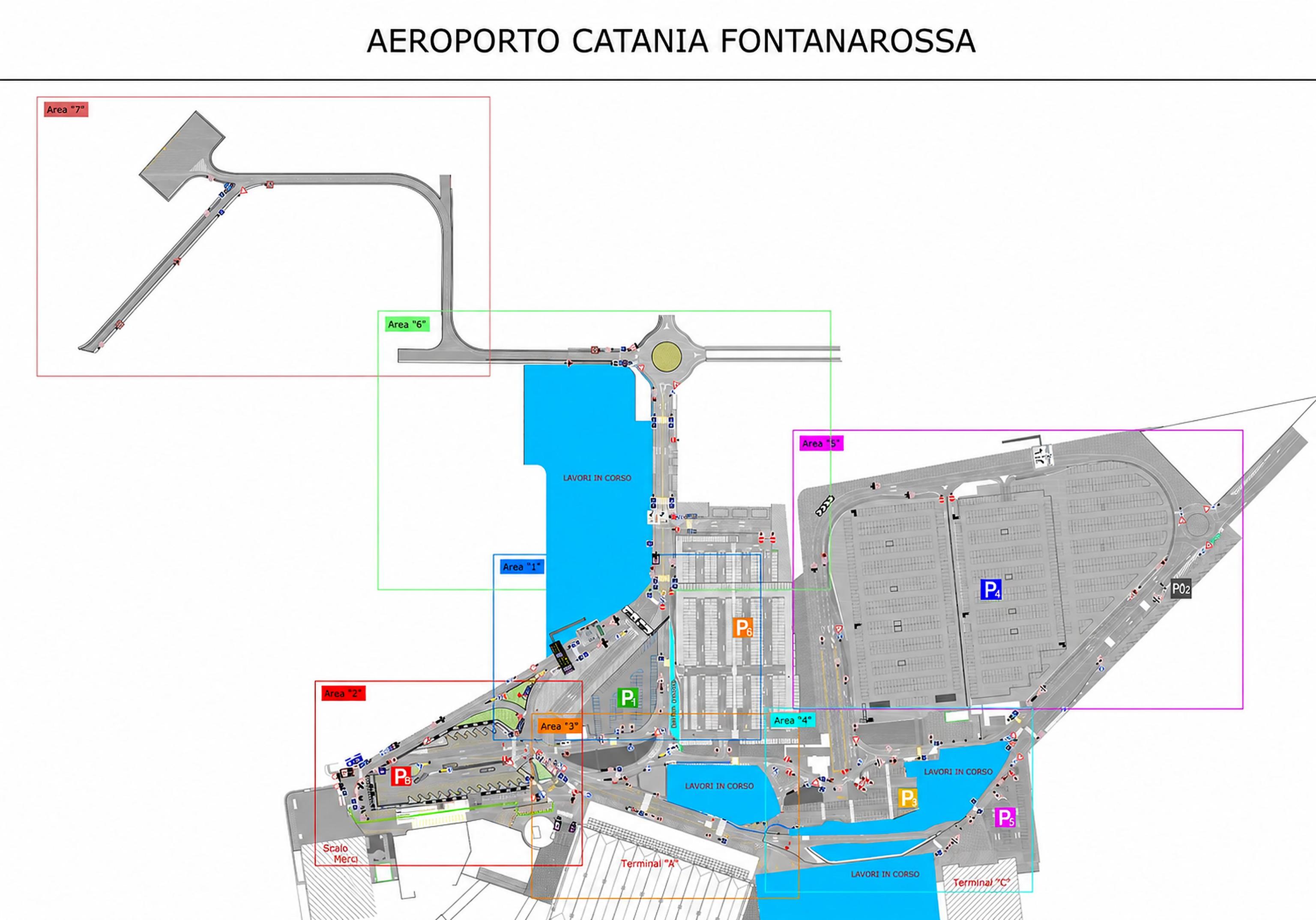 Catania, cambia la viabilità interna dell’aeroporto05 giugno 2026