Rosolini is a Sicilian municipality located in the province of Syracuse, known for its rich history and deeply rooted traditions. The town extends across a hilly landscape, surrounded by cultivated fields and olive groves, lending the landscape a rural and authentic atmosphere.
Rosolini's origins date back to Roman times, when the area was inhabited by indigenous peoples. Over the centuries, the town has undergone various dominations, including Byzantine, Arab, and Norman, which have left an indelible mark on the local culture and architecture.
Rosolini's historic center is characterized by narrow alleys and ancient churches, a testament to the community's deep religious devotion. Among the town's main attractions are the Mother Church, dedicated to St. John the Baptist, and the Church of St. Joseph, both dating back to the Baroque period.
Rosolini is also known for its food and wine tradition, featuring typical products such as olive oil, wine, and local cheeses. The town's cuisine is rich in intense and authentic flavors, reflecting the community's passion and pride for its roots.
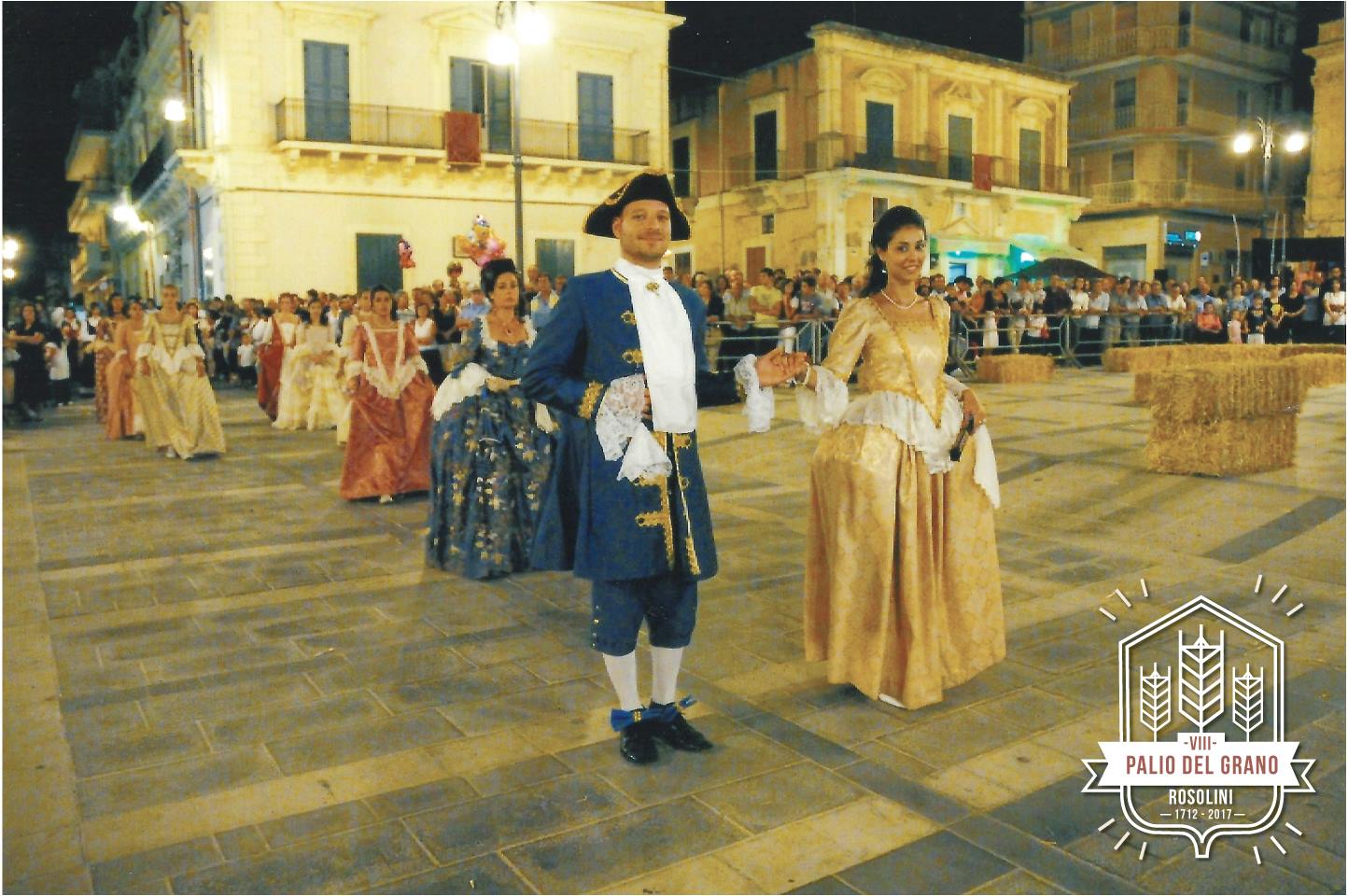
Every year, numerous festivals and fairs are held in Rosolini, where residents gather to celebrate traditions and rediscover their roots. Among the most famous events is the feast of San Sebastiano, the town's patron saint, which features religious processions and folkloristic performances.
Rosolini is a place where time seems to stand still, where life flows slowly and peacefully, amidst the rhythms of nature and centuries-old traditions. A place where you can immerse yourself in Sicilian history and culture, discovering a world of authenticity and genuineness.
Rosolini is a Sicilian town rich in local businesses that actively contribute to the local economy. Among the most common businesses are farms, specializing in the production of olive oil, wine, citrus fruits, and other typical regional products. These businesses boast centuries of tradition and experience in the agricultural sector, guaranteeing high-quality products appreciated both locally and nationally.
In addition to agriculture, Rosolini boasts numerous commercial activities, such as clothing stores, grocery stores, appliance stores, and much more. Local shops offer a wide range of products, often handcrafted with high-quality materials. Thanks to the presence of these businesses, residents can meet their daily needs without having to travel to other towns.
Artisan businesses are another important resource for Rosolini's local economy. Carpenters, blacksmiths, ceramists, and other artisans work with passion and skill to create unique and valuable artifacts. Their products are highly prized by both residents and tourists seeking authentic and original souvenirs.
There is also no shortage of service-sector businesses, such as restaurants, bars, hotels, and bed and breakfasts. These businesses help promote tourism in the area, offering quality hospitality and dining to those visiting Rosolini for business or pleasure. Thanks to their professionalism and attention to detail, the managers of these businesses help create an unforgettable experience for their customers.
Finally, Rosolini's local businesses are also committed to environmental sustainability and the well-being of the community. Many of them adopt eco-friendly practices, reducing the environmental impact of their operations and contributing to the protection of the area. Furthermore, many businesses actively participate in the community's social life, supporting cultural, sporting, and charitable initiatives.
In conclusion, Rosolini's local businesses represent an important pillar of the community's economy and social life. Thanks to their diversity and quality, they contribute to making the town a dynamic, welcoming place, full of opportunities for its residents and anyone who chooses to visit.
The territory of Rosolini, with a population of about 10,464 inhabitants in 2023, appears as a place of small dimensions but with a large territorial area of about 76.47 sq km. The presence of foreigners is limited, with a total of 1,331 individuals. From a housing point of view, there is a decent number of dwellings, with 7,735 occupied and 3,161 unoccupied as of December 31, 2021, for a total of 10,896 units. However, the presence of accommodation facilities is rather limited, with only one hotel with 10 beds and 7 rooms, and a total of 15 non-hotel accommodation facilities with 115 total beds. From a tourist point of view, Rosolini offers few accommodation opportunities, with only 5 Bed & Breakfasts, 4 farm stays, and 3 commercially managed rental accommodations. The presence of museums and cultural institutions is unknown, with missing data for 2020. The altimetric bands of the territory show a predominance of areas with an altitude lower than 299 meters, which constitute 68.28% of the area, while areas with altitudes between 300 and 599 meters represent the remaining 31.72%. In conclusion, although Rosolini presents some critical issues in terms of tourist and cultural infrastructure, the territory offers development potential especially in the agritourism and Bed & Breakfast sectors, thanks to its geographical location and the presence of a stable population. Interested investors could find growth opportunities in these sectors, thus contributing to the economic and tourist development of the area.
Rosolini is a Sicilian town rich in attractions worth discovering. Among the main attractions is the Mother Church, dedicated to St. John the Baptist, which dates back to the 18th century and features an imposing Baroque façade. Inside the church, you can admire valuable works of art, including paintings and sculptures of great historical and artistic value.
Another must-see attraction in Rosolini is the Palazzo della Cultura, a historic building that hosts exhibitions, cultural events, and theatrical performances. The palace is a true cultural center for the local community, where they can express their creativity and participate in various cultural initiatives.
For nature lovers, Rosolini offers the opportunity to visit the Cavagrande del Cassibile Archaeological Park, a protected area home to a series of gorges, waterfalls, and natural lakes. The park is ideal for hiking and outdoor walks, immersed in the beauty of Sicilian nature.
Equally fascinating is the Vendicari Wildlife Reserve, a protected area that extends along the coast and represents an important habitat for numerous migratory bird species. Here, you can observe pink flamingos, herons, and other bird species in a pristine natural environment.
Finally, for those who wish to immerse themselves in the history and tradition of Rosolini, a visit to the Civic Museum is recommended, which houses archaeological finds, historical artifacts, and testimonies of daily life in the past. The museum offers a journey through time through relics of the past, allowing visitors to gain a firsthand understanding of the history and culture of the area.
In conclusion, Rosolini is a municipality that offers a variety of cultural, natural, and historical attractions, allowing visitors to discover the richness and beauty of this unique place in Sicily.