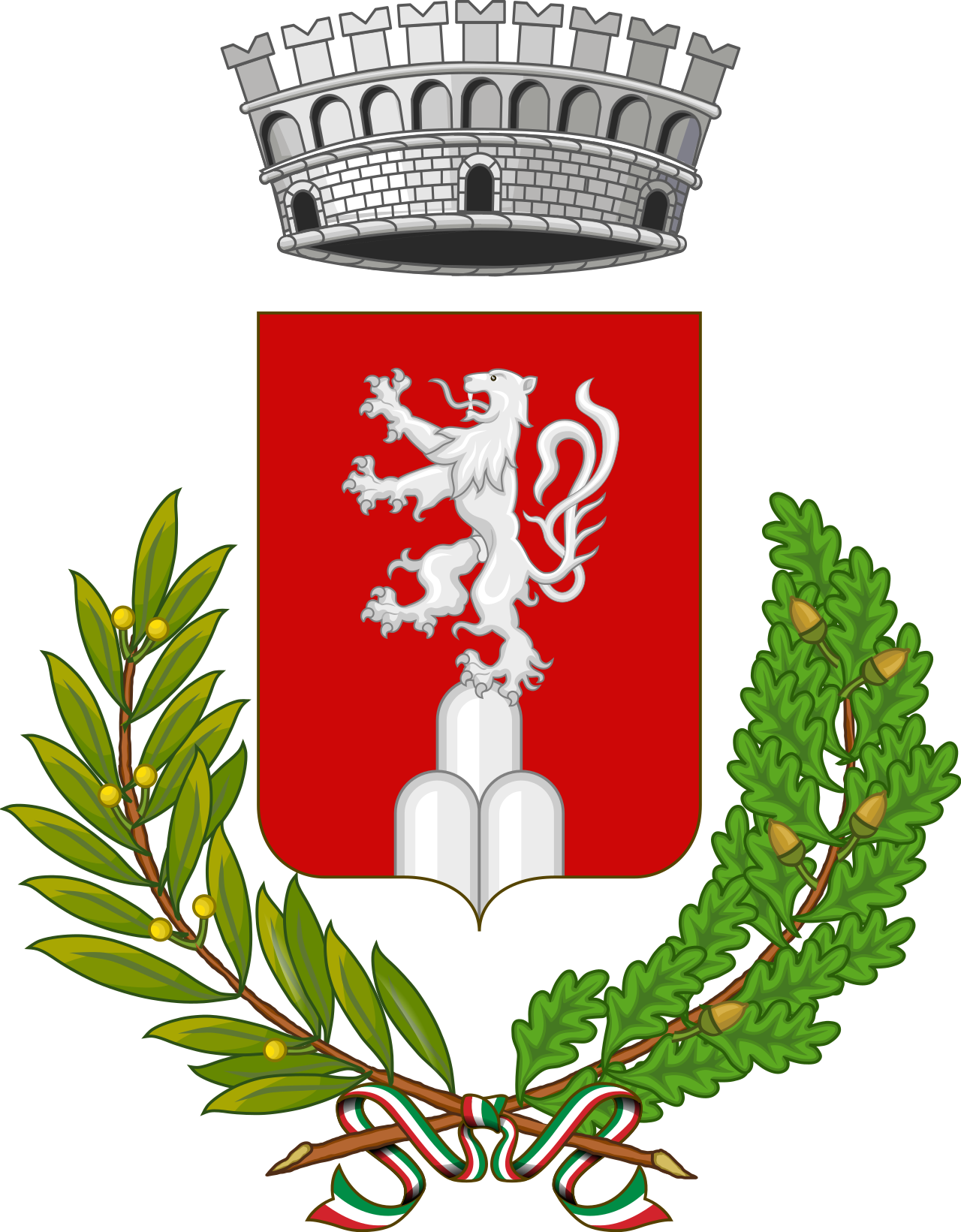
In the heart of Tuscany, between the hills of Maremma and the Metalliferous Mountains, lies Montieri, a small Italian town of about 1,300 inhabitants. The uniqueness of Montieri lies not only in its fascinating natural environment, but also in its ancient and rich history, dating back to very distant times, and in its privileged geographical position. In fact, Montieri has been inhabited since prehistoric times, as evidenced by the artifacts found in the Domus de Janas cave. Its first inhabitants were the Marminati, an ancient Etruscan population, who in the 8th century BC were the first to exploit the rich presence of minerals extracted from the Metalliferous Mountains, developing a flourishing mining activity. Since then, metal extraction has been a fundamental activity for the local economy for many centuries, hence the name Metalliferous given to the mountains surrounding the town. But, in addition to its ancient mining tradition, Montieri is also famous for its characteristic architecture. The urban area of the village, which retains its medieval appearance, houses an interesting architectural heritage, with a main square that offers a charming view of the Tuscan hills. There are also churches, monuments of historical and artistic value, such as the church of Sant'Andrea in Gerfalco and that of San Giacomo in Montieri, dating back to the 12th century. In particular, the church of San Giacomo is known for its processional cross from the 13th century, an authentic masterpiece of Gothic art. Montieri may seem small, but it extends through a variety of natural environments and remarkable landscapes: hills, mountains, watercourses, chestnut forests, and oak trees. A fascinating and suggestive natural landscape that can be explored by walking along trekking paths and scenic roads that wind through the hills and mountains. This is the charm of Montieri: a perfect combination of history, culture, and nature, offering its visitors breathtaking views, well-preserved period architecture, and an atmosphere of serenity and tranquility. A place where time seems to have stopped, capturing the hearts of those who visit it. Here, not only can you enjoy rare tranquility, admire beautiful views, and breathe pure air, but you can also connect with the ancient local cultural and historical tradition, experience the hospitality of the inhabitants, and discover the flavors of Tuscan cuisine. Montieri keeps its cultural identity alive through a series of events and exhibitions that draw attention to its rich history and traditions. In addition to religious festivities such as the Feast of San Giacomo and San Cristoforo, there are also cultural events such as the "Blessing of the Animals," which reflects the close bond between the local community and nature. The beauty of Montieri lies in its simplicity and the authenticity of its way of life. Montieri is the kind of place where you can forget the stress and hustle of daily life, a place where you experience silence, slow rhythms, and the timeless beauty of nature.
No membership group specified.
In the heart of Tuscany, nestled among the green and lush forests of firs and yews, stands the municipality of Montieri, a small piece of land hidden among the folds of the metalliferous hills. Known for its thriving economy based mainly on ancient trades now forgotten, this authentic treasure offers much more than it promises at first sight. Montieri is a true village of trades, where tradition is passed down from generation to generation. Among the local businesses, those highly specialized in the sectors of electronics, metallurgy, and carpentry stand out above the others. At the same time, agriculture and livestock play a fundamental role in the local economy, as always. In fact, some farms carry out their fascinating activities in the cultivation of native vineyards producing high-quality wines, and beekeeping offers a production of chestnut honey and high-quality wildflower honey. There are numerous artisan shops that line the streets of the historic center, where the customs and traditions of the past can be appreciated. Among these, the art of wrought iron is still alive and thriving, a testament to a rare skill and mastery. Equally important is the woodworking, expressed through furniture and everyday objects, such as traditional doors and windows, made with a unique and refined aesthetic. Another piece that represents the economy of Montieri is undoubtedly the textile industry. In this municipality, products of excellent quality are born, the result of the combination of tradition and technological innovations. It is indeed possible to find workshops where hand-woven fabrics are made, with incredible strength and versatility. The electronics sector, then, plays an important role in the country's economy. This reality is made up of small and medium-sized enterprises that deal with various aspects, from design to the production of components, thus contributing to creating a highly specialized and cutting-edge sector. Service companies also play a significant role, expressing an economy capable of meeting the diverse needs of the population and visitors. Among these, you can find restaurants serving typical Tuscan cuisine, hotels, and tourist agencies, all characterized by unparalleled hospitality. On the other hand, the tourist vocation of the Montieri territory has grown enormously in recent years. There is no shortage of accommodation facilities, agritourisms, and bed & breakfasts that offer tailor-made tourist packages to better showcase the natural and cultural beauties of Montieri. In summary, the economy of Montieri is a horizon where modernity and tradition harmoniously blend, fueling a fabric of increasingly dense and varied local businesses that contribute to making the municipality a true economic district, capable of offering high-quality products and services, deeply rooted in the territory and at the same time open to the changes and challenges of the international market.
The present report provides an integrated analysis of the territory of the Municipality of Montieri, a small hilltop center identified by the ISTAT code 53017, located in the coastal hills of Follonica, in the homonymous agricultural region 5304. It is a sparsely urbanized area, not coastal or insular, although the sea is not too far away, as suggested by the name of the agricultural region. Montieri covers an area of 108.20 square kilometers and can boast a significant demographic and environmental heritage with investment potential. As of 2023, the total population is 1176 inhabitants, evenly divided between males and females. Within the residential area, there is a significant community of foreigners, totaling 331 units, a figure that may suggest the existence of social integration and potential flows of international tourism or work. Montieri's housing stock consists of 1548 units, divided between occupied and unoccupied units. The number of unoccupied units (978) is higher than that of occupied units (570), a fact that could encourage investments in the real estate sector, especially considering the attractiveness of the territorial context. In terms of tourism and accommodation offerings, Montieri can rely on a decent variety of accommodation facilities, although not luxury ones. Overall, the Municipality has 28 accommodation facilities, including two hotels (classified as three and two stars), 15 agritourisms, and a youth hostel, offering a total of 396 beds. There are also 10 rental accommodations managed as businesses. However, there are no five-star hotels, holiday homes, or campsites, so the demand for luxury or outdoor tourism could be an area to focus on for future investments. From a morphological point of view, most of the municipal territory (about 97%) is located between 300 and 899 meters above sea level, with the town center situated at 704 meters. Accessibility is not overly challenging: the journey to the nearest train station takes an average of 38 minutes, while travel times to reach the highway access points, ports with passenger service, and the nearest airport are 67, 55, and 91 minutes respectively. The characteristics described suggest various investment opportunities: it could be advantageous to focus on the real estate sector, given the number of unoccupied housing units, and the tourism sector, through the enhancement of the environmental and cultural resources of the area and the improvement of the accommodation offer, especially focusing on market segments currently underserved (luxury tourism, outdoor tourism). At the same time, it is important to develop carefully calibrated strategies that take into account local specificities, social needs (such as integration between local and foreign communities), and infrastructural limitations.
In the heart of picturesque Tuscany, nestled in the rolling hills of the Colline Metallifere, lies Montieri, a jewel waiting to be discovered. Rich in historical charm and natural beauty, this enchanting town offers visitors a myriad of attractions and hidden treasures, from imposing architecture to traditional celebrations. Among Montieri's top attractions is the Church of Santo Stefano, one of the oldest and most fascinating examples of medieval architecture. This sacred place, named after the town's patron saint, is located within the historic center and its history dates back to the 12th century. The church is a magnificent example of Renaissance art, with its delicately decorated façade and its interior adorned with priceless works of art. Another of Montieri's treasures is the Church of the Madonna del Poggio, a more recent but no less fascinating structure. This place of worship, surrounded by green chestnut groves, offers breathtaking views of the valley below, making it an ideal place to reflect and enjoy the tranquility of nature. For visitors wishing to explore Montieri's architectural heritage, the evocative Borracchero Castle is a must-see attraction. This medieval fortress, with its imposing towers and fortified walls, is one of the town's main historical landmarks, crucial to understanding the region's past. But Montieri is more than just history and art: the town is also famous for its vibrant cultural traditions and popular festivals. Among these, the "Festa di Santo Stefano" (Feast of Santo Stefano) stands out, held on December 26th each year in honor of the patron saint. This festival is an opportunity for the community to unite in celebration, with religious processions, traditional songs, and dances. Another notable event is the "Sagra del Marrone" (Chestnut Festival), held every October. During this festival, residents and visitors gather to celebrate the arrival of autumn and enjoy delicious local chestnuts, cooked in a thousand different ways. The festival is also an opportunity to admire the beauty of Montieri's hills, colored by the warm hues of autumnal woods. Last but not least, the municipality of Montieri is home to incredible nature trails, such as the Cornate and Fosci Parks, where you can immerse yourself in the lush Tuscan countryside and enjoy breathtaking views. Covering a wide range of attractions, from historic churches to medieval castles, from traditional festivals to natural beauty, Montieri offers a captivating experience for travelers of all kinds. This Tuscan municipality offers a perfect blend of history, art, culture, and nature, offering visitors an authentic glimpse into Italian life.