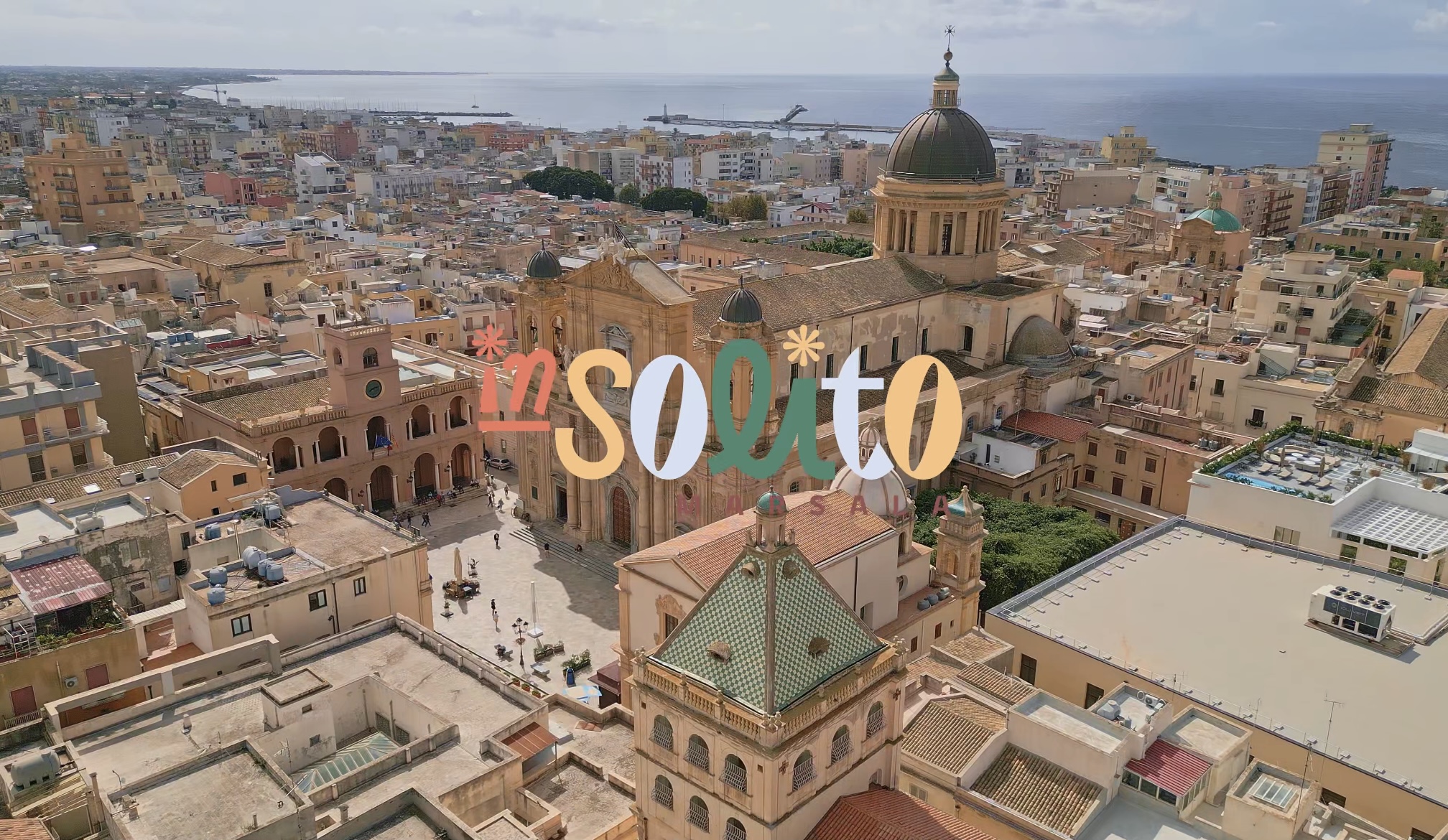
Founded by the Phoenicians in the 4th century BC, Marsala, in the province of Trapani, is known for its world-famous wine, and is famous in history books for the landing of the Thousand. Giuseppe Garibaldi and his Thousand passed through Porta Garibaldi on May 11, 1860. Along with Porta Nuova, these are the two historic gates still visible in the city. The elegant Piazza della Repubblica, the heart of the city, overlooks the majestic Mother Church dedicated to St. Thomas of Canterbury. A visit to the "minor" churches includes the Church of Purgatory, with its superb two-tiered Baroque façade, and the Church of Our Lady of Sorrows, whose construction is linked to a miracle.
As you stroll, sumptuous buildings such as Palazzo Burgio-Spanò capture your gaze. And Palazzo Fici, one of the oldest and most prestigious buildings overlooking Via XI Maggio, with its spectacular cobbled courtyard. Appointed as the symbol of "Marsala, City of Wine," it is home to the Municipal Wine Shop.
Near Porta Garibaldi, along the street of the same name, what is a fish market by day transforms into a hub of nightlife and entertainment by night, with numerous bars where you can eat and drink until late. From Piazza Matteotti to Porta Nuova, you can meander along Via XI Maggio, known as the Cassaro. Along with Via Garibaldi, it is one of Marsala's main thoroughfares.
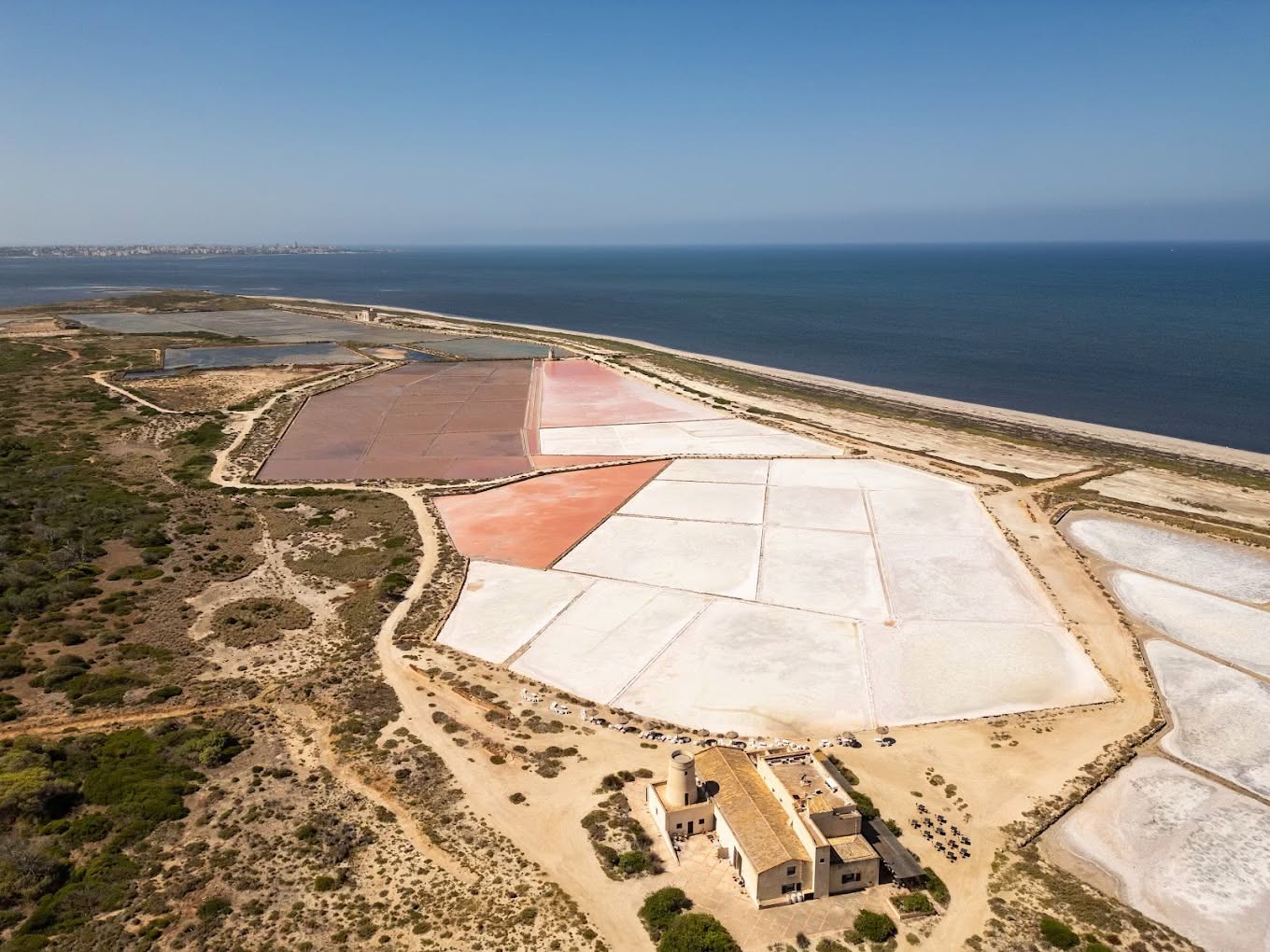
Leaving the historic center, a stop at the Stagnone lagoon, the island of Mozia, and the salt pans is a must, offering one of the most breathtaking sunsets in all of Sicily. The salt pans, used since ancient times for salt production, offer a unique spectacle thanks to the evaporation ponds and windmills that characterize the landscape. A must-see is a stop at the Lilibeo Regional Archaeological Museum in Marsala – Baglio Anselmi, a former winery, part of the Lilibeo Archaeological Park, where you can admire the wreck of a Punic ship.
Marsala, a city located in the province of Trapani, boasts a rich and diversified economy thanks to the presence of numerous local businesses that actively contribute to the economic development of the area.
Agricultural businesses are particularly important in Marsala, thanks to the presence of numerous wineries that produce the famous fortified wine that bears the city's name. These businesses, many of which are family-run, are distinguished by the quality of their products and their dedication to promoting local winemaking traditions.
In addition to the winemaking sector, Marsala also boasts numerous fishing and fish processing businesses. Thanks to the city's strategic location on the sea, fishing-related activities play an important role in the local economy, contributing to job creation and enhancing the area's fish resources.
Artisan businesses are another key component of Marsala's economic fabric. Numerous local artisans produce ceramics, textiles, wood, and other materials, keeping ancient traditions alive and creating unique, high-quality products that attract tourists from around the world.
There is also no shortage of service sector businesses, such as restaurants, hotels, shops, and travel agencies, which help meet the needs of visitors and promote the Marsala area as a major tourist destination.
Furthermore, Marsala boasts the presence of several innovative and technological companies operating in the fields of information technology, scientific research, and renewable energy production, contributing to making the city increasingly attractive to investors and professionals in the sector.
Thanks to the variety and quality of local businesses present in the area, Marsala confirms its position as an important economic hub in western Sicily, capable of combining tradition and innovation to ensure sustainable and long-lasting development.
The territory of Marsala is characterized by a large territorial area of approximately 243.512 sq km and a population of around 43,520 inhabitants in 2023, with a slight female predominance over males. The dwellings in the municipality are around 46,919, of which 33,891 are occupied and 13,028 are unoccupied as of December 31, 2021. The presence of foreigners in the territory is around 4,817 individuals, with a slightly unbalanced distribution towards males. As for accommodation facilities, Marsala has a total of 109 accommodation establishments, with a total of 2,395 beds available. Among these, stand out tourist hotels, agritourisms, and bed & breakfasts, which offer a wide variety of solutions for visitors. From a tourist point of view, Marsala boasts the presence of 3 museum institutes that in 2020 recorded a total of 49,900 visitors. The altimetric bands of the territory show a predominance of the 0-299 meters band, which covers 100% of the area, while higher altimetric bands are not present. Furthermore, Marsala offers interesting investment opportunities in the real estate, tourism, and commercial sectors, thanks to the presence of good housing facilities and a wide range of tourist and accommodation options. The healthcare infrastructure is well developed and the cultural heritage of the territory represents an added value to attract investments. In conclusion, Marsala is a territory with great potential for development and investment, thanks to its demographic, geographical, and touristic characteristics. Investors interested in sectors such as real estate, tourism, and commerce can find interesting opportunities to explore and enhance in this territory.
Marsala, a splendid city on the western coast of Sicily, offers a perfect blend of history, culture, food and wine, and nature, making it an ideal destination for those seeking an unforgettable vacation.
One of its main attractions is its elegant Baroque historic center. Strolling along the Cassaro, the main street, you reach the heart of the city, Piazza della Repubblica, home to the Palazzo Comunale and the imposing Duomo, dedicated to Saint Thomas of Canterbury. Along the streets, you'll discover other treasures, such as the Church of Purgatory and the lively fish market, which transforms into a hub of nightlife in the evening.
For art and history lovers, Marsala offers exceptional museums. The Baglio Anselmi Archaeological Museum houses a unique find: a perfectly preserved Punic ship from the 3rd century BC. Also not to be missed is the Tapestry Museum, which displays eight magnificent 16th-century Flemish tapestries.
Marsala is world-famous for its eponymous fortified wine. The city is a veritable temple for food and wine enthusiasts, who cannot miss a visit to historic wineries, such as Florio and Pellegrino. Here, you can taste the various Marsala wines and discover the history and secrets of this fine wine.
For nature lovers, the Stagnone Islands Nature Reserve is a magical place. This lagoon, the largest in Sicily, is home to the famous salt pans, with their ancient windmills and pools that are tinged pink in summer. It is a paradise for birdwatchers, where you can admire pink flamingos. Within the lagoon lies the ancient Phoenician island of Mothia, a very important archaeological site home to the famous statue of the Youth of Mozia.
Finally, Marsala is known for its splendid golden sandy beaches, such as Lido Signorino and San Teodoro, which offer crystal-clear waters and breathtaking views of the Egadi Islands, ideal for relaxing in the sun.
In short, Marsala is an enchanting city, a journey through the splendor of antiquity, the scent of wine, and the unforgettable colors of its sunsets over the salt pans.
 Baglio Oneto ottiene la sua prima Chiave Michelin29 settembre 2026
 Torna Insolito Marsala, ma non è il tradizionale festival del vino17 settembre 2026
 All’Isola Lunga di Marsala una giornata dedicata all’oro bianco di Sicilia11 settembre 2026
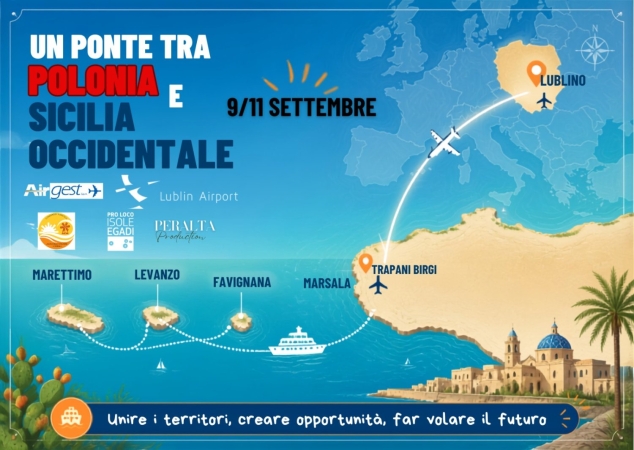 Dalla Polonia alle Egadi, Birgi diventa ponte per il mercato polacco02 settembre 2026
 Donnafugata apre le porte al jazz, a Marsala concerti d’autore in cantina17 luglio 2026
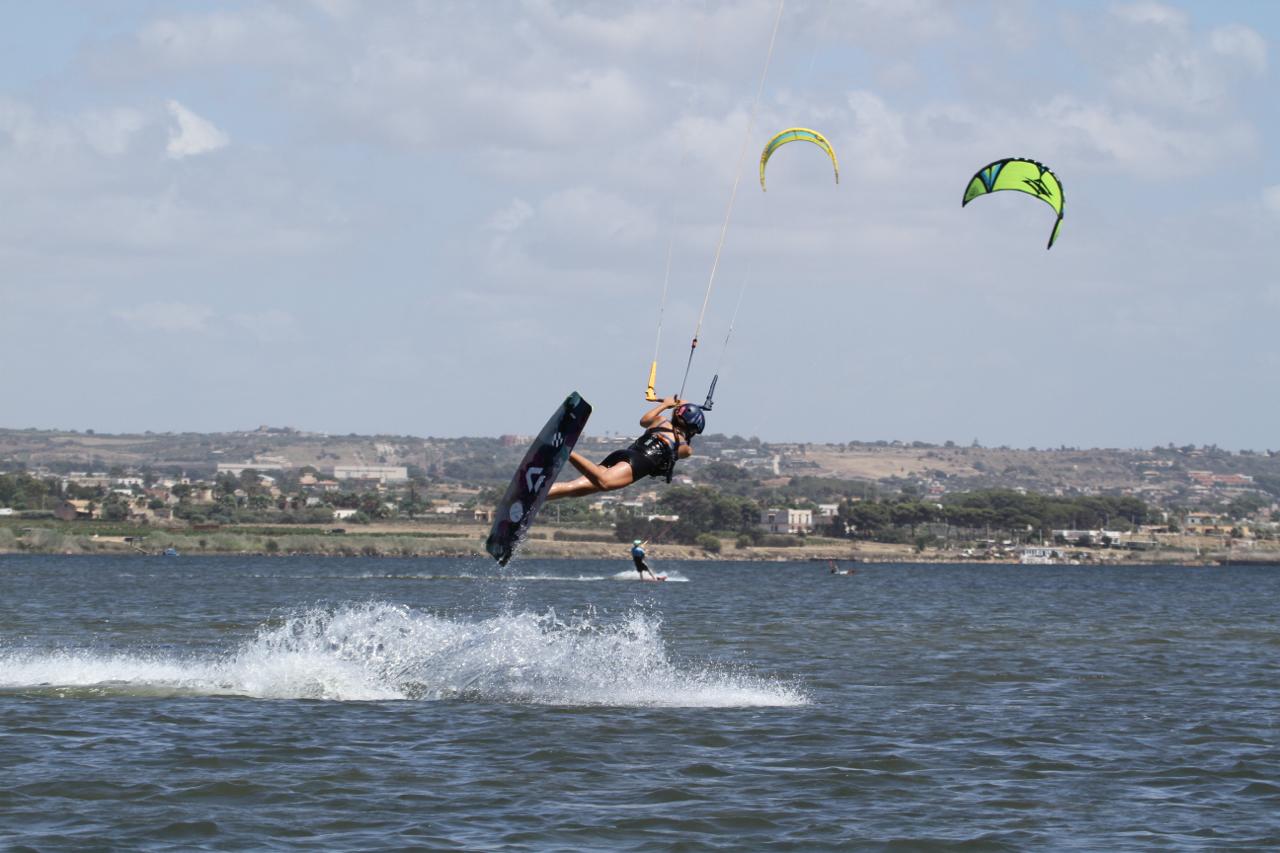 Lo Stagnone di Marsala ancora capitale del kitesurf11 luglio 2026
 Aldo, Giovanni e Giacomo avvistati a Marsala per le riprese del nuovo film07 luglio 2026
 TARI, affitti brevi come hotel: polemica a Marsala30 giugno 2026
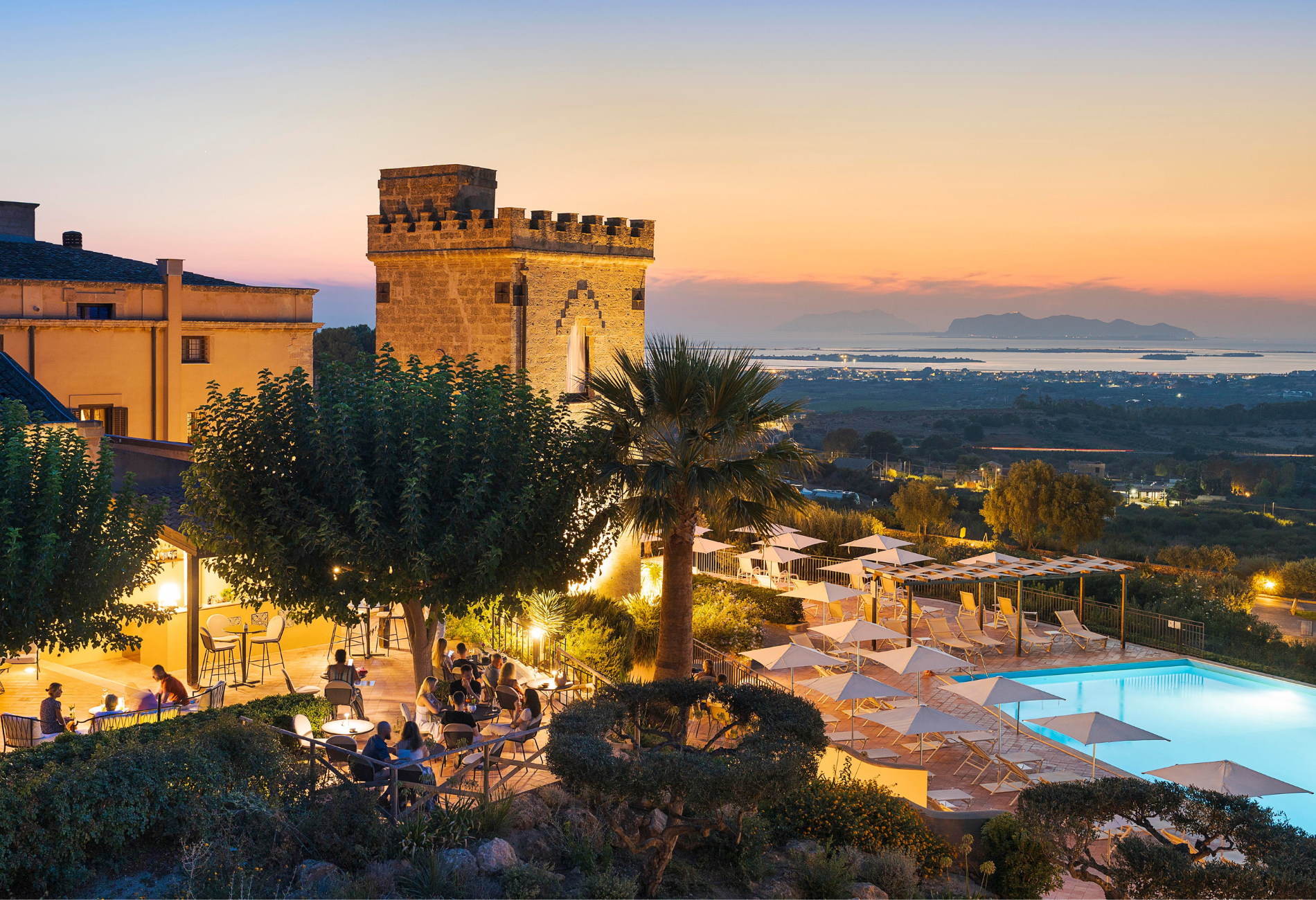 Baglio Oneto sostiene il Premio Mozia per la candidatura Unesco16 giugno 2026
 Da Bagheria a Marsala, le location di The Emperor’s Stone18 aprile 2026