The municipality of Salemi, in the province of Trapani, boasts a rich historical and cultural heritage, with origins dating back to antiquity. Over time, the area has seen the presence of various rulers, including Roman, Byzantine, Arab, and Norman, who have contributed to shaping the town's historical and architectural identity.
The historic center features a traditional urban layout, with cobbled alleys and the presence of historic buildings and noble palaces. Among the main attractions is the Mother Church dedicated to Saint Nicholas, significant for its religious and architectural value.
Of great importance is the Salemi Castle, located on a hill overlooking the town. This imposing fortress, whose origins date back to the Norman era, has served defensive and territorial control functions over the centuries. Today, the castle is an important tourist and cultural attraction, offering visitors breathtaking views of the city and the surrounding countryside, as well as hosting cultural events and performances.
During the Bourbon period, Salemi assumed a significant cultural and political role. In 1860, the municipality was the site of a significant event in the process of Italian unification, with the plebiscite for the annexation of Sicily to the Kingdom of Italy.
During the twentieth century, the area was affected by critical events, including the 1968 earthquake, which caused significant damage to its buildings and historical heritage. Despite this, the municipality has over time initiated processes to restore and enhance its heritage.
Currently, Salemi is an active center for culture and tourism, with commercial and artisanal businesses focused on typical local products. The area is nestled in a remarkable landscape, including natural areas and trails suitable for hiking.
The food and wine offerings represent a further attraction, based on traditional Sicilian products and recipes and quality local produce.
Salemi presents itself as an area with development potential linked to the enhancement of its historical, cultural, and environmental heritage, as well as the strengthening of the tourism sector.
 Associazione: Anci Sicilia
→
Associazione: Anci Sicilia
→
 Associazione: Borghi più belli d'Italia
→
Associazione: Borghi più belli d'Italia
→
 Consorzio: Castelli di Sicilia
→
Consorzio: Castelli di Sicilia
→
 Gruppo di Azione Locale: GAL Valle del Belice
→
Gruppo di Azione Locale: GAL Valle del Belice
→
The production system of the municipality of Salemi represents a significant element of the local economy, encompassing a variety of activities in the agricultural, artisanal, and commercial sectors. These businesses contribute to the vitality of the area, offering products and services to both residents and tourists.
The artisanal sector plays a significant role, with workshops producing traditional products, including ceramics, textiles, and crafted wood objects. These activities are characterized by the continuity of production techniques and the intergenerational transmission of knowledge, elements that give local products their unique identity.
The agricultural sector is one of the pillars of the local economy, favored by the surrounding soil and climate. Local farms produce extra virgin olive oil, wine, citrus fruits, and other typical crops, with a consolidated presence in both local and broader markets.
Commercial activities are diversified and include both local businesses and medium-sized businesses operating in various product sectors. In the historic center, traditional shops play an important role in promoting traditional products and enhancing the local identity.
A distinctive feature of the business community is the prevalence of family-run businesses, which ensure operational continuity and local roots. Attention to the quality of products and services is a key factor in the competitiveness of local businesses.
Collaboration between economic operators and local institutions contributes to strengthening the local system, including through the organization of events, fairs, and cultural initiatives that enhance the visibility of productive activities and encourage economic development.
Salemi's businesses constitute a significant economic and social asset, contributing to job creation, the preservation of traditions, and the valorization of local resources.
The territory of the municipality of Salemi, with a population of approximately 9,942 inhabitants in 2023, shows a balanced demographic distribution between males and females. The municipal area, covering 182.42 km², is characterized by a significant availability of housing, with a total of 9,158 units, both occupied and unoccupied, representing a potential opportunity for real estate development and enhancement.
The presence of foreign residents is relatively limited, with 666 individuals, resulting in a stable social context with potential for future integration dynamics.
From a tourism perspective, the accommodation sector is still underdeveloped: there are no hotels or campsites, while tourist residences, agritourism facilities, bed & breakfasts and other extra-hotel accommodations provide a total of حوالي 120 beds.
In terms of cultural offer, the presence of a museum institution that recorded 1,096 visitors in 2020 indicates a moderate level of interest in local cultural assets. The territory’s altitude profile, predominantly below 299 meters, supports the development of tourism activities related to rural landscapes and natural environment use.
The presence of a limited number of professionally managed short-term rental units, along with other small-scale accommodation facilities, suggests an initial trend toward tourism sector development. However, the absence of mid- to high-range hotel facilities may limit the ability to attract more structured and demanding market segments.
Salemi offers investment opportunities in the tourism and hospitality sectors, with development potential linked to the enhancement of cultural and natural resources and the expansion of accommodation capacity..
Salemi, a municipality in the province of Trapani, stands out for its significant historical and cultural heritage, nestled within the scenic landscape of the Belice Valley. The area offers a range of attractions that allow visitors to delve deeper into local history and Sicilian traditions.
Among the main points of interest is the Norman-Swabian Castle, a fortified structure that dominates the town and represents an integral part of the area's identity. The castle is linked to an important historical event in 1860, when Giuseppe Garibaldi proclaimed Salemi the seat of the first government of unified Italy. Today, the building hosts cultural initiatives and exhibitions.
Of particular symbolic value are the ruins of the Mother Church dedicated to San Nicola di Bari, severely damaged by the 1968 earthquake. The ruins, left exposed, constitute a significant testimony to the area's historical memory and reconstruction processes.
A central role in the cultural offering is played by the former Jesuit College, now home to a comprehensive museum system, with sections dedicated to archaeology, sacred art, the Risorgimento, and contemporary history.
The natural setting is characterized by the hills of the Belice Valley, with an agricultural landscape dominated by vineyards and olive groves, ideal for hiking and enjoying the rural landscape.
Among the main local traditions is the "Cena di San Giuseppe," an event of strong religious and cultural significance, during which altars decorated with artistic breads are created, an expression of artisanal and symbolic skills passed down over time.
The food and wine offerings are another attraction, with typical products such as the "Vastedda della Valle del Belice" and traditional Sicilian cuisine based on local ingredients.
Overall, Salemi is a destination of historical, cultural, and scenic interest, with development potential linked to the valorization of its identity.
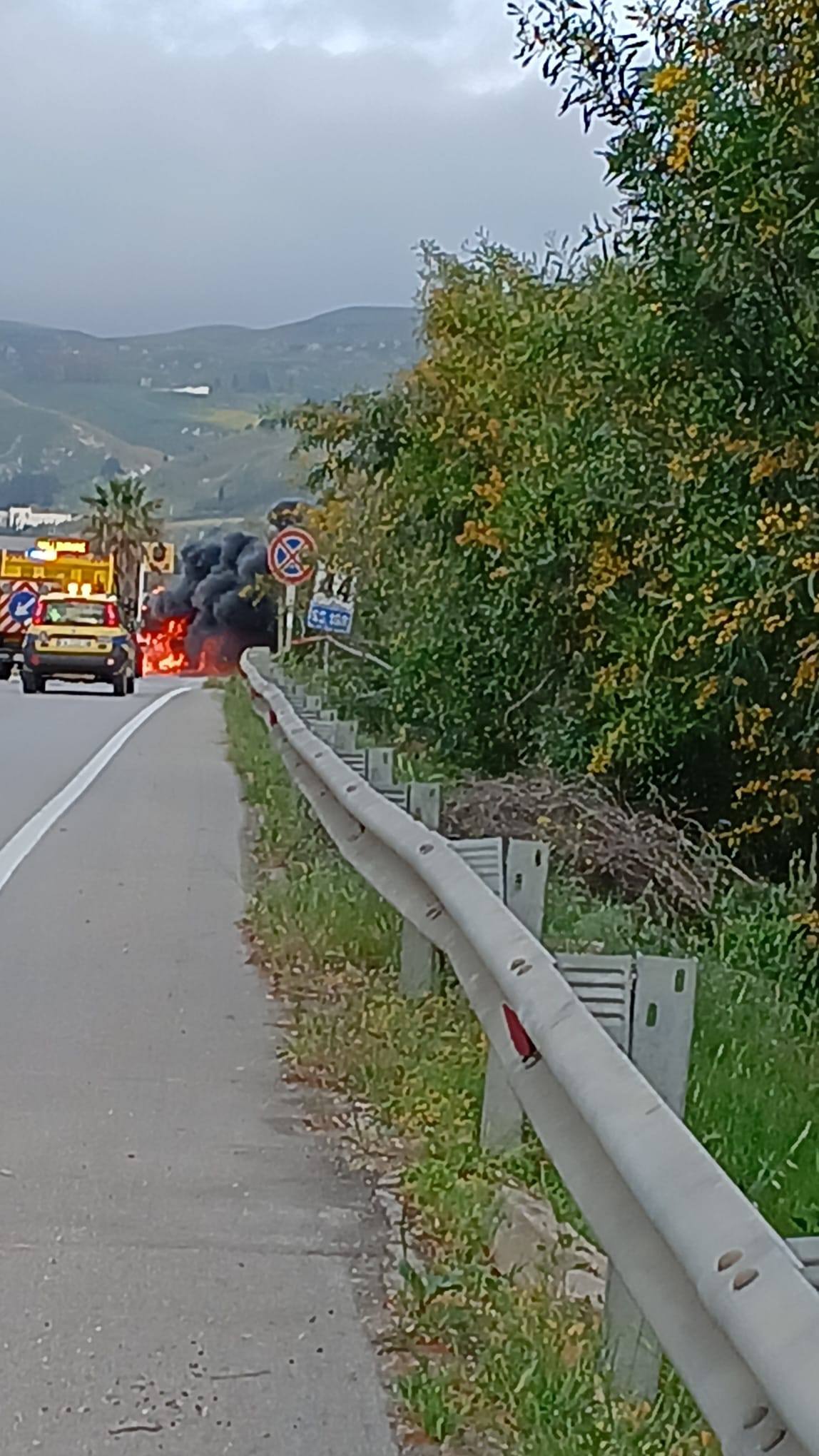 A fuoco bus di linea Salemi sulla A2917 aprile 2026
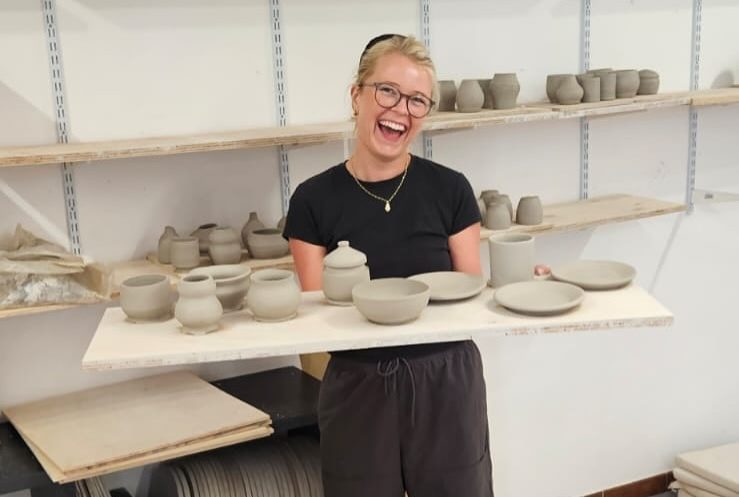 Gli stranieri scelgono Salemi per la ‘settimana esperienziale’ tra ceramica e busiate28 febbraio 2026
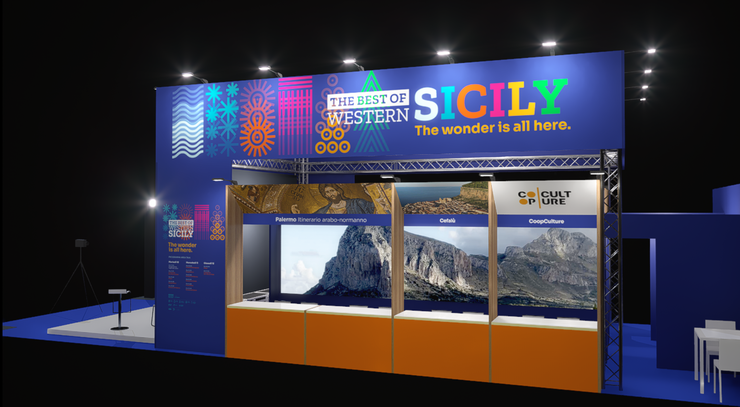 8 partner insieme per promuovere la Sicilia Occidentale a Bit 202602 febbraio 2026
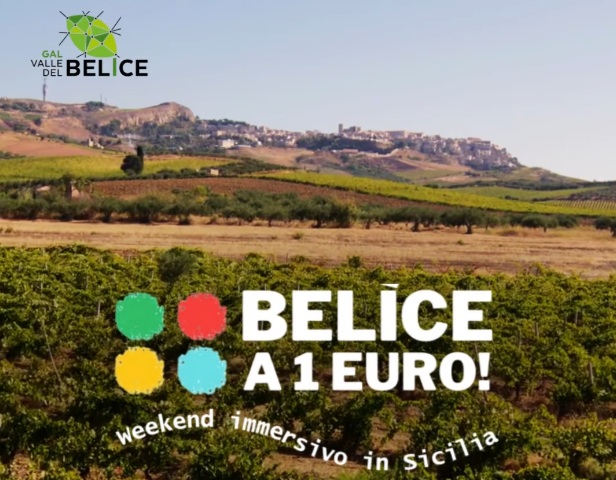 Belice, week-end immersivo a 1 euro: come partecipare26 luglio 2025
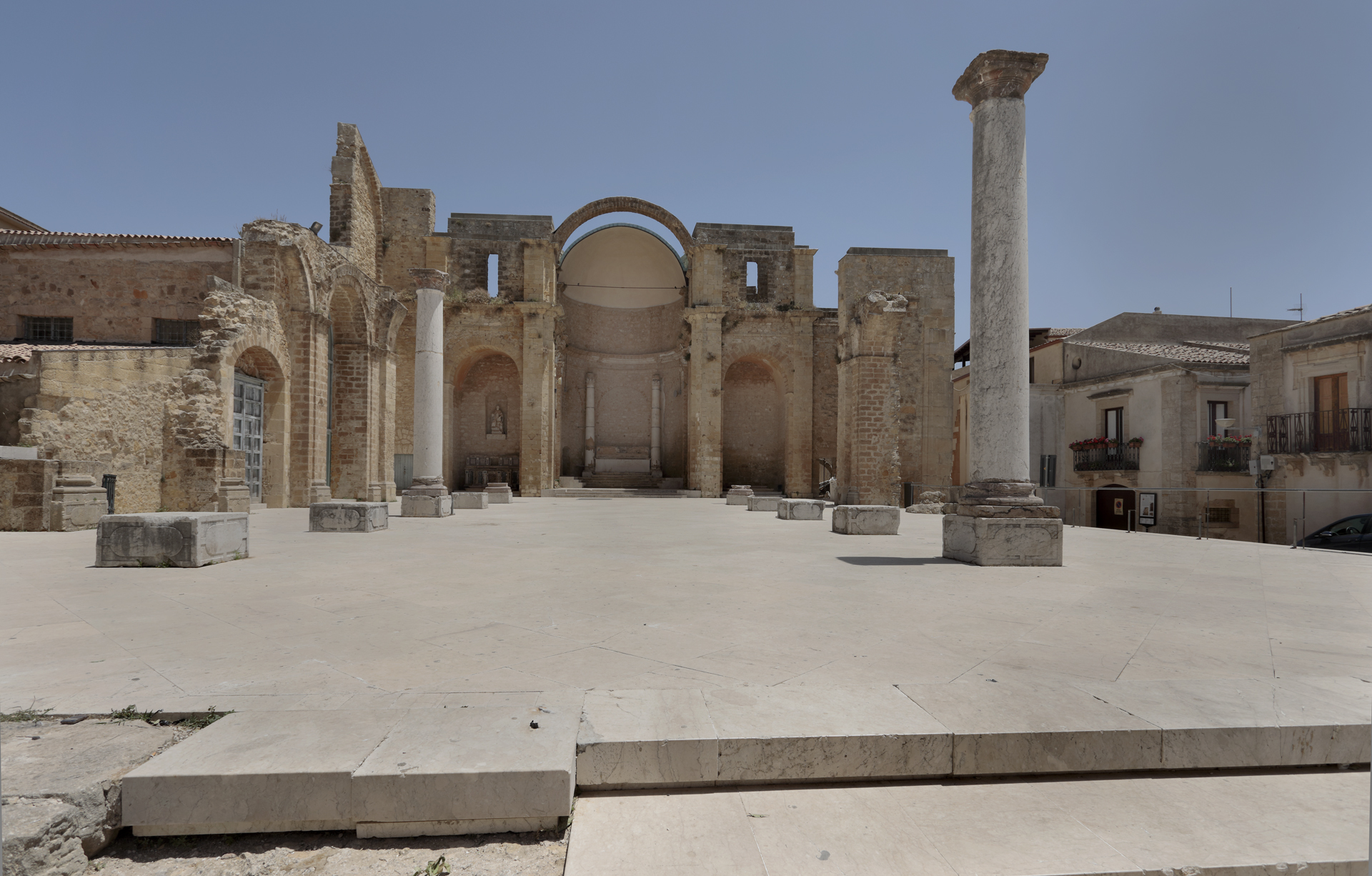 8 giorni di eventi per la festa di San Giuseppe a Salemi10 marzo 2025
 Salemi rende omaggio al concittadino Tony Scott sulle note jazz25 luglio 2024
 Tiromancino, libri, cinema e busiate a Salemi dEstate 202413 luglio 2024
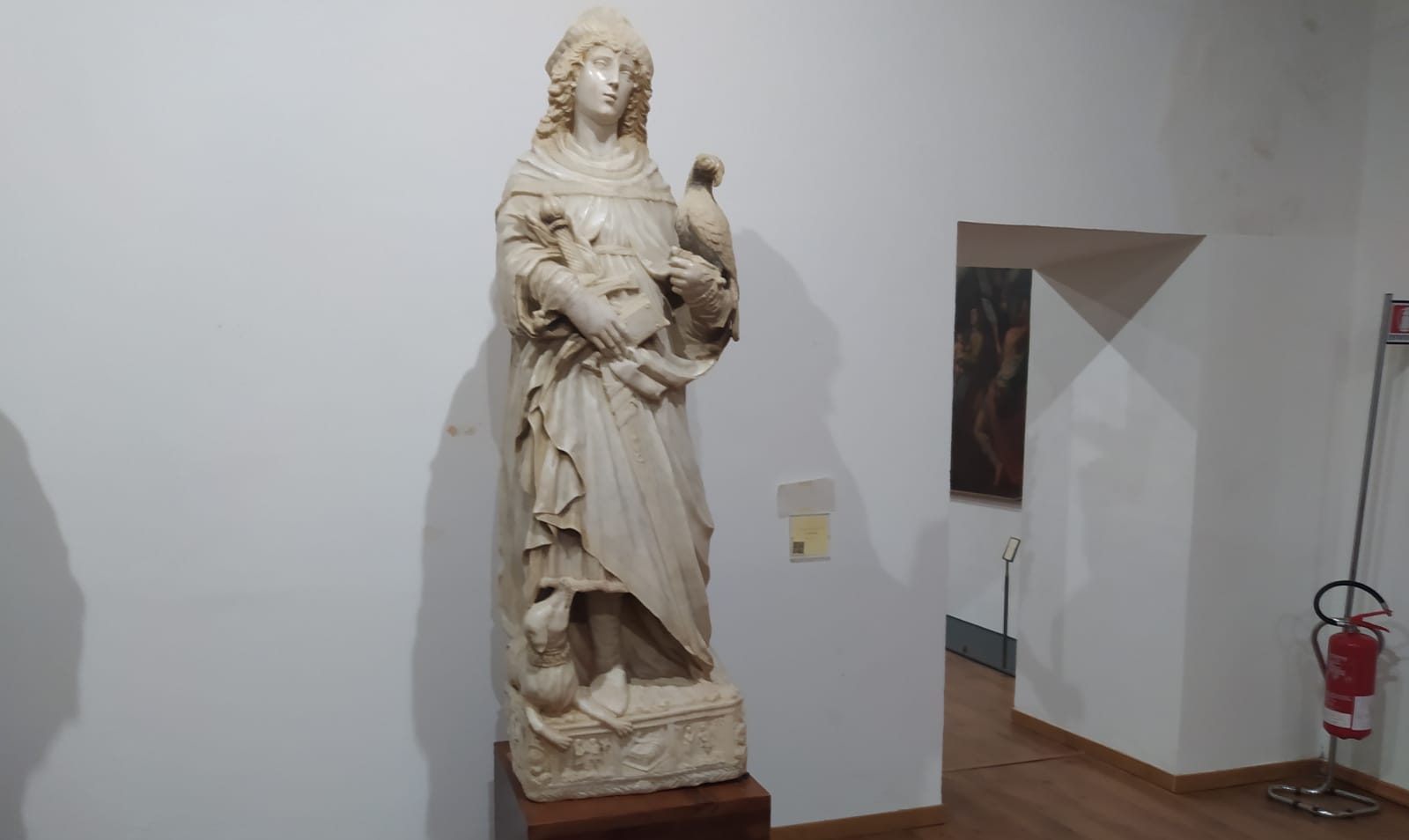 Un pezzo di Salemi per Agrigento Capitale della Cultura27 maggio 2024
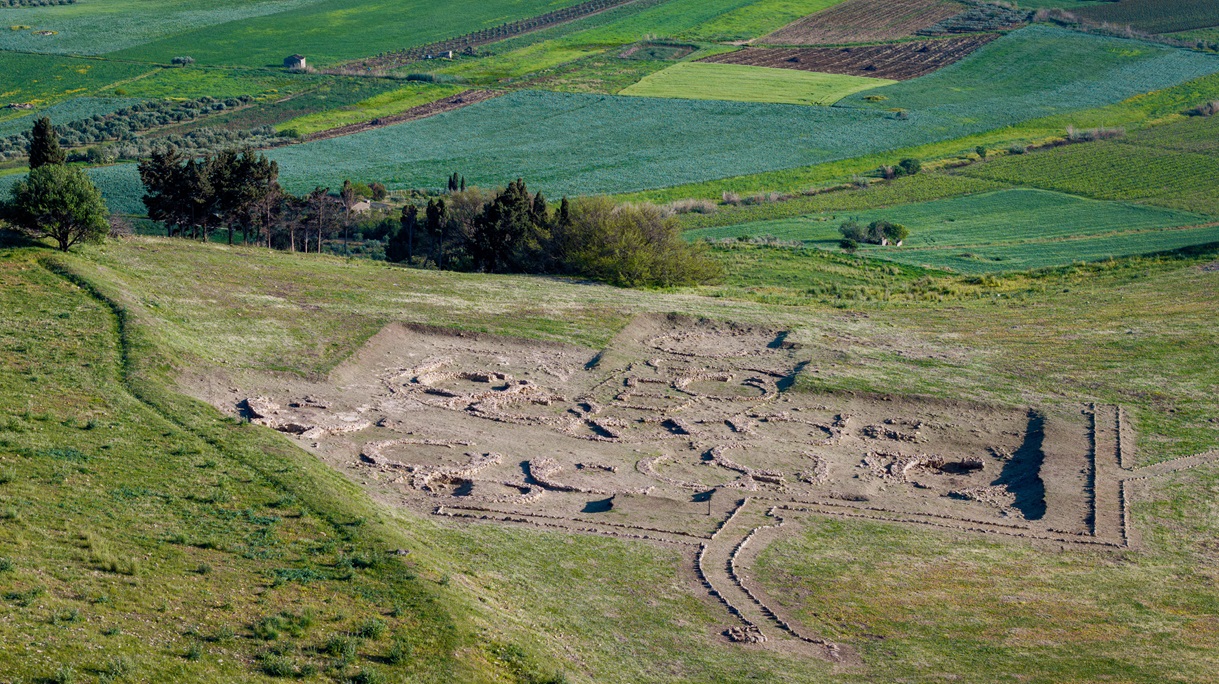 Visita gratuita alla misteriosa Mokarta, città della preistoria20 aprile 2024
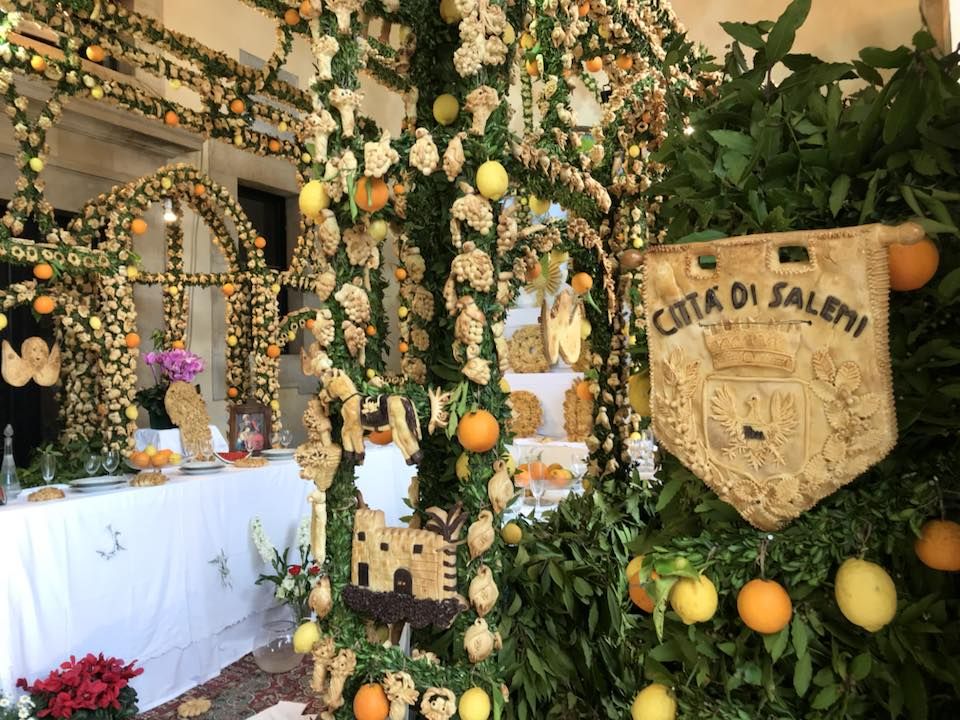 Salemi punta al turismo con la Festa di San Giuseppe04 marzo 2024