Trapani is a Sicilian city on the island's western coast, where the Tyrrhenian Sea and the Strait of Sicily meet in a suggestive embrace. With a millennia-old history and a fascinating cultural and natural heritage, Trapani stands out for its strategic location, which has made it an important commercial, maritime, and cultural center of the Mediterranean over the centuries.
Possibly founded as an emporium by the Phoenicians, Trapani developed over time thanks to its port vocation. In ancient times, it was under the rule of Carthage, then the Romans, and later the Byzantines, the Arabs, the Normans, and the Swabians, thus testifying to a past rich in cultural stratifications. Each civilization has left its visible mark in the architecture, cuisine, traditions, and local dialect, which retains Arab and Spanish influences.
The city's historic center extends along a thin strip of land jutting into the sea, with narrow, winding streets that suddenly open onto bright squares or glimpses of the sea. The old city is dotted with churches, noble palaces, and monuments that testify to its past importance. Among the most significant buildings are the Cathedral of San Lorenzo, dating back to the 14th century but remodeled several times, and the Church of Purgatory, which houses the famous Mysteries, a group of processional statues of great artistic value, carried in procession every Good Friday.
The port of Trapani remains one of the city's economic engines: ferries and hydrofoils depart from here for the Egadi Islands, a popular tourist destination for their crystal-clear waters and pristine landscapes. Furthermore, the port is home to a thriving fishing industry and an important salt industry, with the salt pans extending south of the city, creating a unique landscape dotted with windmills and ponds where the water slowly evaporates under the sun.
Trapani is also known for its production of sea salt, wine, and seafood. The local cuisine reflects its history and its territory: dishes such as seafood couscous, pasta with Trapani-style pesto, and almond desserts reflect a profoundly Mediterranean culinary identity.
The mild and sunny climate, sandy beaches, nature reserves such as Zingaro and Monte Cofano, and proximity to popular destinations such as Erice, Marsala, and Segesta make Trapani an ideal starting point for exploring western Sicily. The city combines the vibrancy of the present with the memory of its glorious past, offering visitors an authentic experience of culture, nature, and tradition.
Trapani boasts a vibrant and diverse business landscape, blending artisanal tradition, light industry, and quality tourism services, offering an economic framework capable of supporting local development and leveraging the region's resources.
Among the artisan businesses, some specialize in traditional crafts such as ceramics, blown glass, and fine fabrics. They preserve ancient knowledge and offer products that combine aesthetics and authenticity. These workshops, often family-run, contribute not only to the city's cultural heritage but also to its tourist appeal.
On the agri-food front, several companies focus on the production of extra virgin olive oil, preserves in oil, and traditional local pâtés, exporting the flavor of Sicily throughout Italy and abroad, and accompanying visitors on tasting tours that tell stories of passion and local tradition. The fishing sector, especially artisanal fishing, still plays a central role today: local fishing vessels operate both for the fresh market and for the canning industry, preserving sustainable fishing methods and ensuring the freshness of the daily catch.
The construction sector sees companies engaged in the redevelopment and restoration of the historic center, given the pressing need to preserve the architectural heritage. These companies combine modern techniques and specialized workers, working in synergy with institutions to regenerate entire neighborhoods. In terms of services, tourist agencies and accommodations—bed & breakfasts, small hotels, and residences—operate with a flexible and personalized approach, offering authentic experiences that include excursions to the salt pans, visits to the Egadi Islands, food and wine tours, and cultural itineraries.
Finally, the commercial sector, with independent shops selling footwear, clothing, local crafts, and traditional products, is characterized by a strong customer focus, offering warm environments and professionals ready to suggest personalized itineraries.
In short, Trapani's businesses stand out for their dynamism, connection to the local area, and capacity for innovation, contributing to building a sustainable and quality-driven local economy.
The territory of Trapani, with a population of 55,229 inhabitants in 2023, appears as a place of interest for potential investors. The presence of a significant foreign community, amounting to 23,675 individuals, indicates a certain openness and cultural diversity that could foster business opportunities related to multiculturalism. The vast territorial area of almost 2,470 sq km offers ample opportunities for development in various sectors, including real estate and tourism. The over 289,000 dwellings in the municipality provide ample space for investments in the residential sector, while the presence of 171 accommodation facilities with a total of 2,750 beds indicates potential in the tourism sector. Trapani's cultural heritage, with two museum institutions and over 5,600 visitors in 2020, also represents an opportunity for investments related to cultural and artistic tourism. Furthermore, the presence of 4 agritourisms and 81 Bed & Breakfasts suggests a growing interest in alternative and charming hospitality solutions. The geographical and morphological characteristics of the territory, with a predominance of altitude bands between 0 and 299 meters, offer a varied and suggestive environment that could attract tourists interested in nature and landscape. However, some critical issues could pose obstacles to investments, such as the lack of luxury hotel facilities and tourist campsites. It is important to carefully evaluate the infrastructure situation and the development potential of the territory before undertaking any economic initiative. In conclusion, Trapani presents itself as a territory with interesting investment opportunities in the real estate, tourism, and cultural sectors, but a thorough analysis is needed to identify the most suitable strategies to best enhance the resources and potential of the place.
Trapani, located on the western tip of Sicily, is a city rich in charm and tradition, offering visitors a wide variety of tourist attractions. The historic center is a maze of alleys and narrow streets lined with elegant Baroque palaces, ancient churches, and hidden courtyards. Among the most significant sites is the Cathedral of San Lorenzo, a perfect example of Sicilian Baroque architecture. Trapani's seafront offers splendid views of the sea and the windmills of the salt pans, a unique landscape where you can witness the traditional salt extraction process. The salt pans, with their changing colors at sunset, are one of the most evocative images of the city.
A few kilometers from the center is the cable car that leads to Erice, a perfectly preserved medieval village perched on a hill overlooking the city. The narrow stone streets, breathtaking views, and timeless atmosphere make Erice a must-see for anyone visiting Trapani. Another popular attraction are the Egadi Islands, easily accessible by ferry from the port: Favignana, Levanzo, and Marettimo offer pristine beaches, crystal-clear waters, and ideal environments for snorkeling and diving.
Trapani is also known for its religious traditions, such as the Procession of the Mysteries, held during Holy Week and among the oldest and most evocative in Italy. There are also plenty of opportunities to savor the local cuisine, which blends Arab and Mediterranean influences in dishes such as fish couscous. Trapani is therefore a destination that combines natural beauty, historical heritage, and vibrant culture, ideal for those seeking an authentic and varied experience.
 Trapani traccia la rotta del futuro costiero fino al 203429 settembre 2026
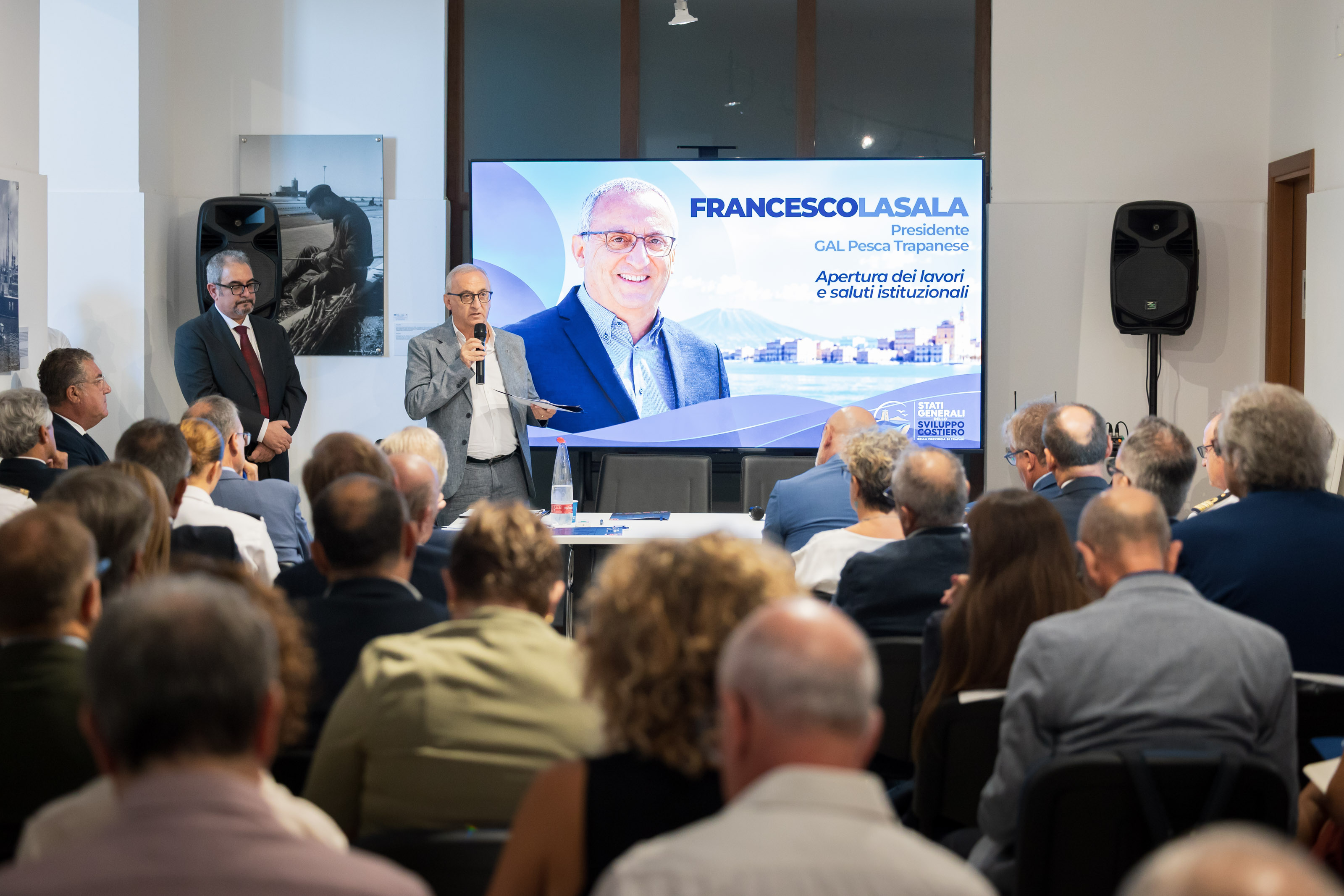 Trapani, un piano unitario per i porti e sei assi per l’economia del mare25 settembre 2026
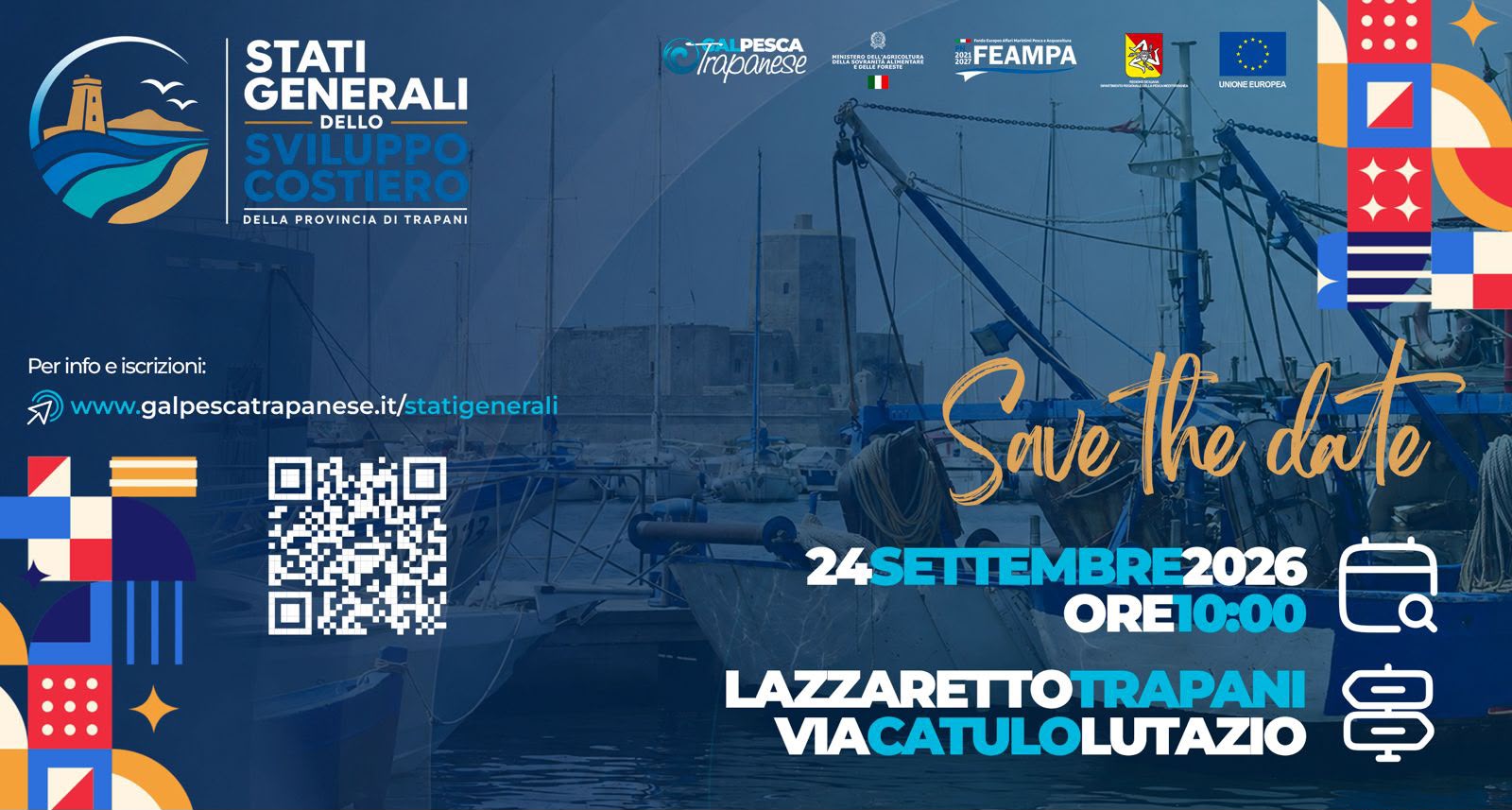 Focus sui porti trapanesi a Stati Generali Sviluppo Costiero19 settembre 2026
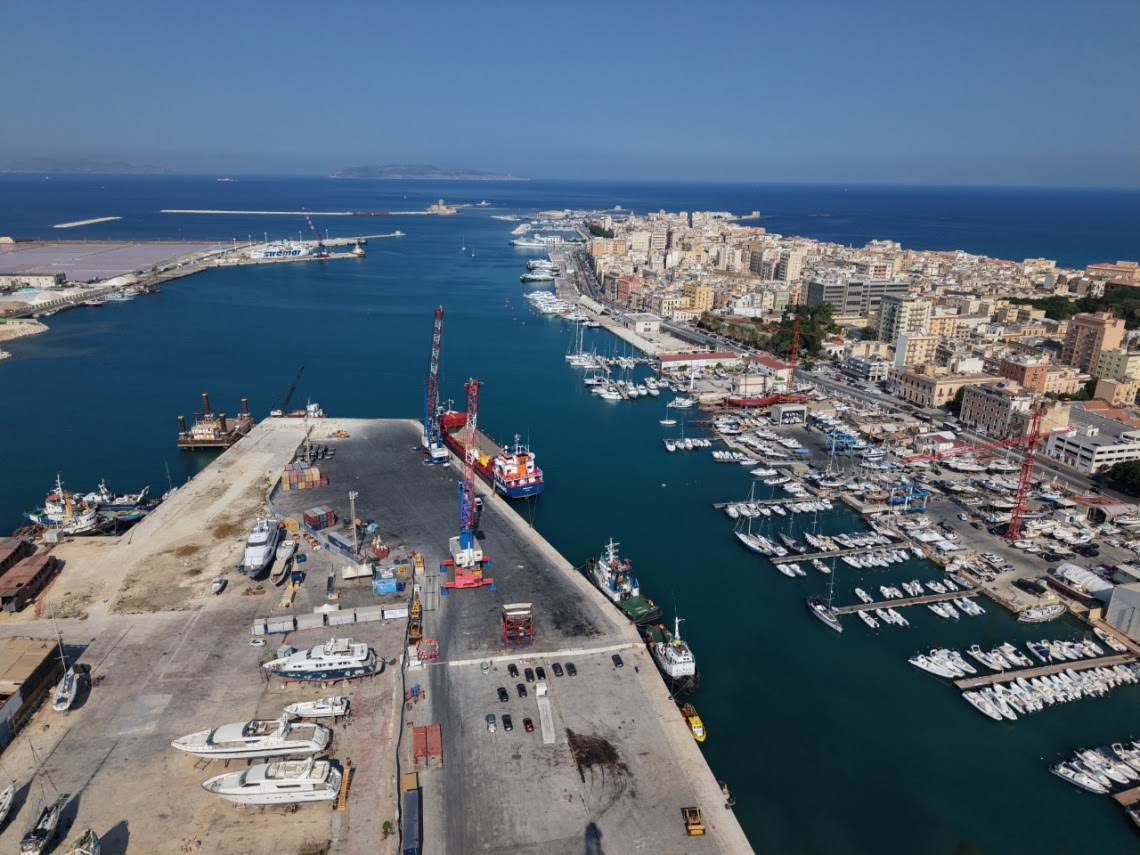 Porto di Trapani, cresce il fronte istituzionale per il grande evento nazionale12 settembre 2026
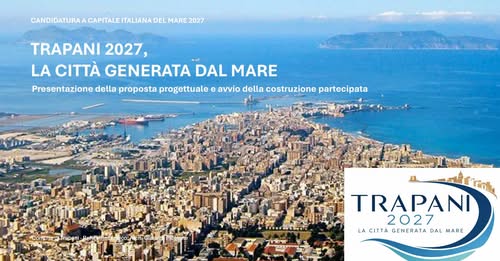 Trapani punta al titolo di Capitale italiana del mare 202709 settembre 2026
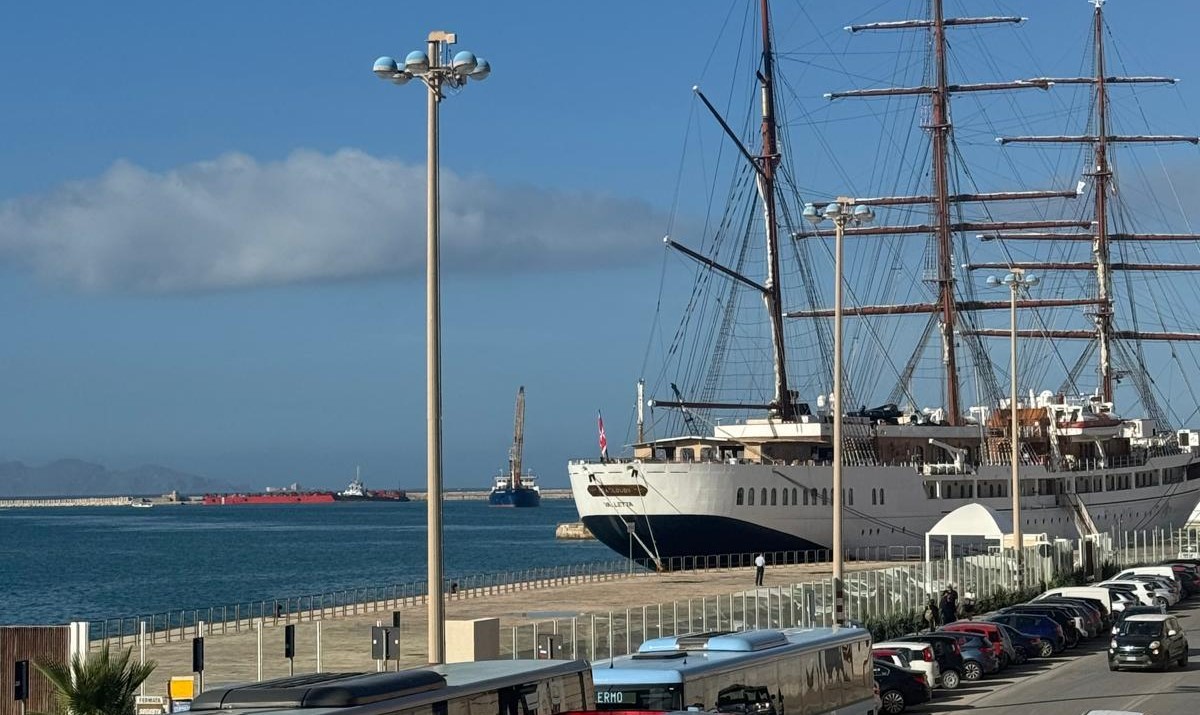 Stati generali sviluppo costiero a Trapani: focus sul ‘porto diffuso’07 settembre 2026
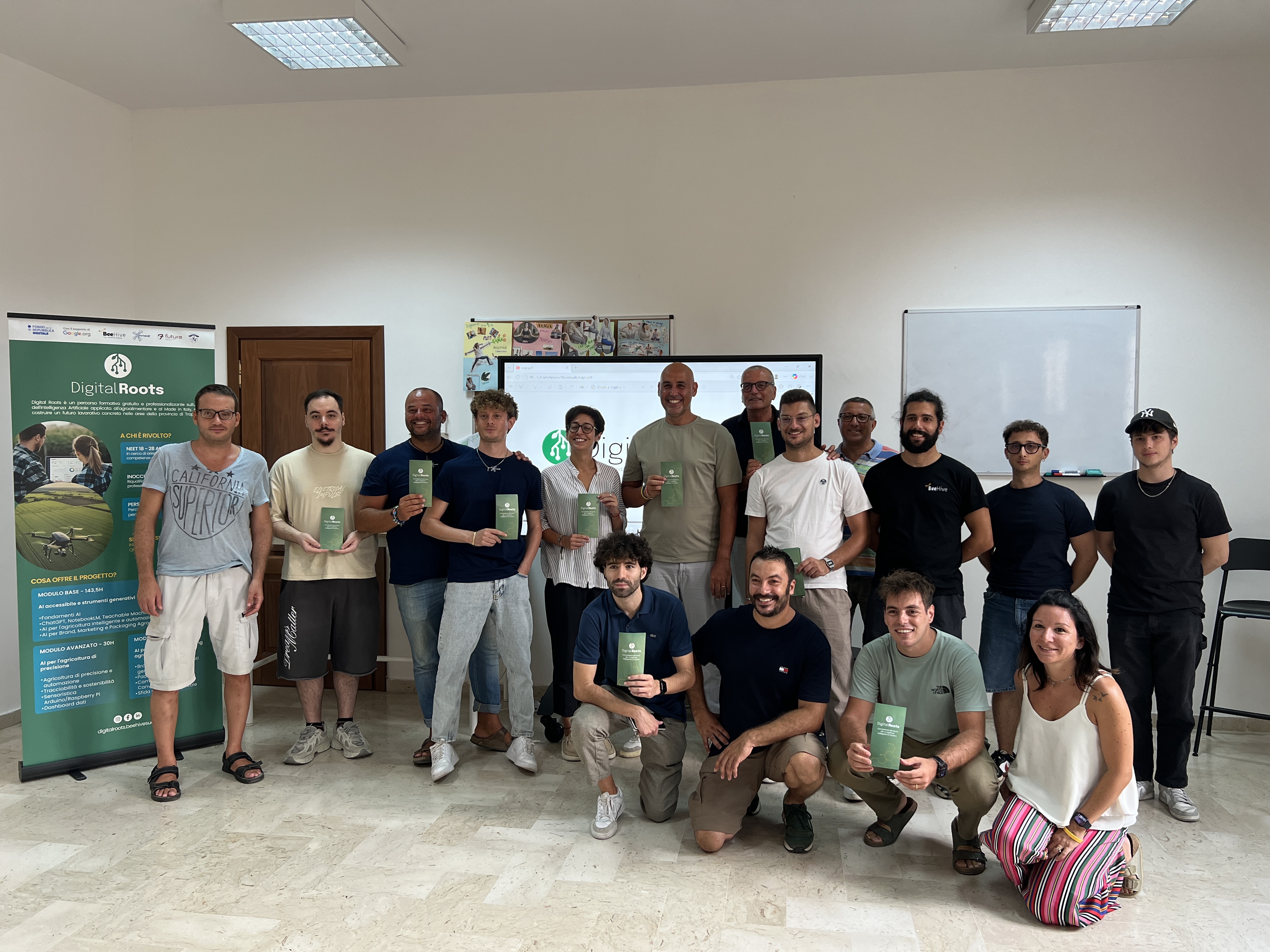 Digital Roots a Trapani: corsi su IA e agrifood per 150 giovani04 settembre 2026
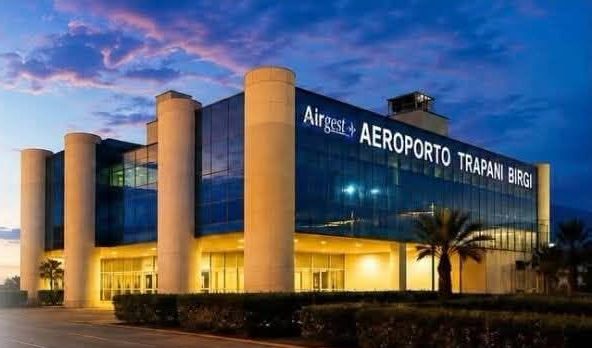 A Birgi agosto record. Oggi pista chiusa: ecco i voli su Palermo04 settembre 2026
 A Trapani il primo concerto che si può mangiare29 agosto 2026
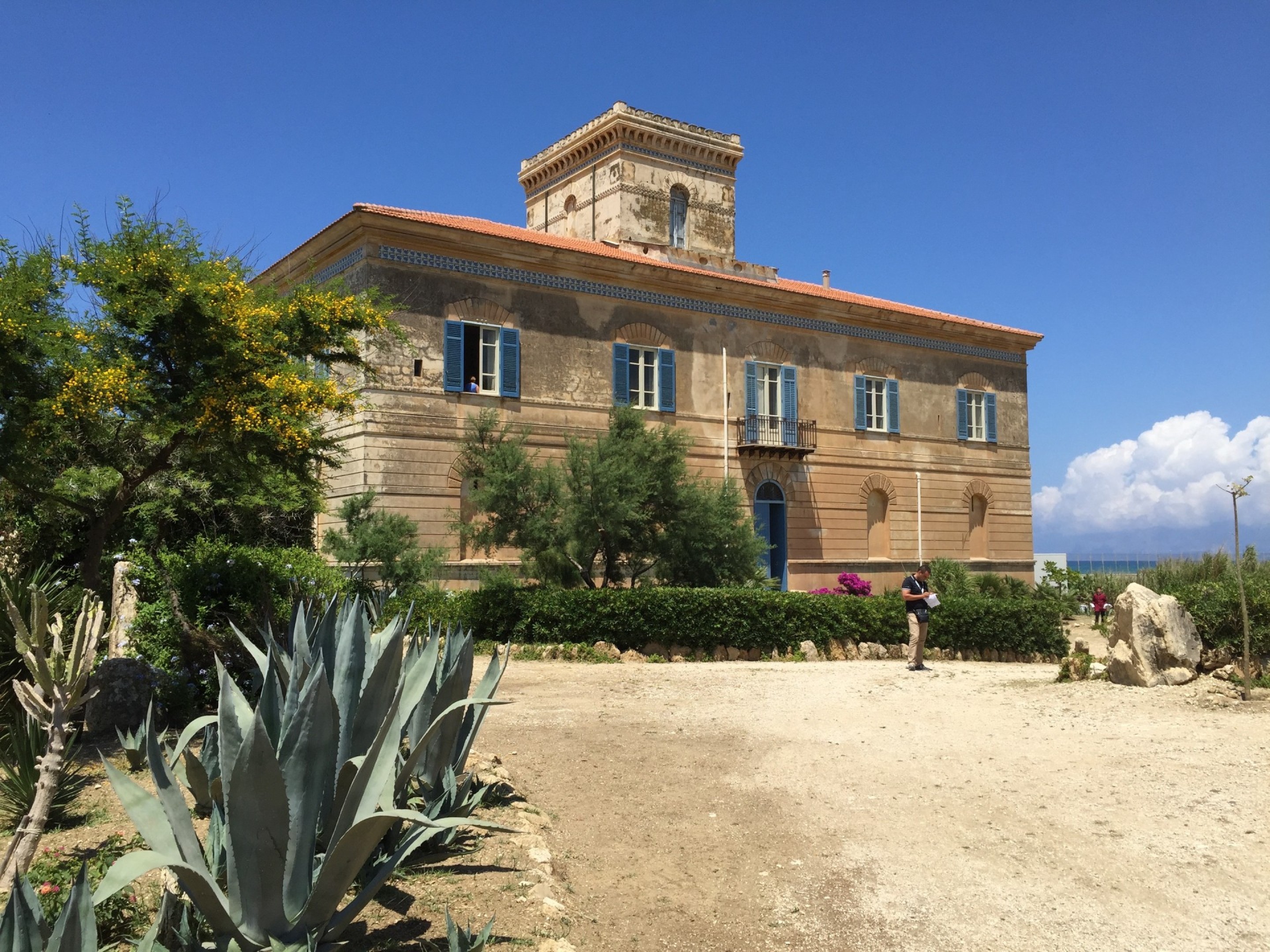 In Sicilia il 24 maggio porte aperte in 10 dimore storiche: eccole20 maggio 2026