Gangi is a municipality in the province of Palermo, located in the Madonie mountain range at over 1,000 meters above sea level. The village is known for its valuable historical and architectural heritage and was recognized as a "Borgo dei Borghi" (Borgo of Villages) in 2014, as well as being included among the "Jewels of Italy."
The origins of the area can be traced back to ancient settlements, with references to the city of Engyon, cited in historical tradition. The current urban layout is linked to the medieval period and Norman rule, with subsequent transformations over the centuries under various noble families, including the Ventimiglia family. Settlement dynamics affected both the area of Gangi Vecchio and the current site on Monte Marone.
The historic center has a compact layout, characterized by alleys, stairways, and squares, with stone buildings arranged according to a medieval structure. Piazza del Popolo is one of the main urban landmarks, featuring the Ventimiglia Tower, part of the ancient defense system, now integrated into the urban landscape. In the same area is the Mother Church of San Nicolò di Bari, which houses works of artistic interest, including the Last Judgement by the painter Giuseppe Salerno and wooden sculptures attributed to Filippo Quattrocchi. Among the notable buildings is Palazzo Bongiorno, an 18th-century noble residence, now an institutional headquarters and space for cultural activities.
The area maintains a continuity of local traditions, including through events and historical performances, including events dedicated to the commemoration of the life of Saint Francis of Assisi.
In recent years, Gangi has been the focus of initiatives to reclaim its architectural heritage, including the "one-euro house" project, aimed at combating depopulation and revitalizing the historic center.
The landscape, characterized by mountainous areas and panoramic viewpoints, offers sweeping views of the surrounding area, offering opportunities for hiking and themed trails.
Gangi is a place where historical, cultural, and environmental elements are integrated, defining a consolidated territorial identity.
 Associazione: Anci Sicilia
→
Associazione: Anci Sicilia
→
 Associazione: Borghi più belli d'Italia
→
Associazione: Borghi più belli d'Italia
→
 Gruppo di Azione Locale: GAL Madonie
→
Gruppo di Azione Locale: GAL Madonie
→
 Progetto: Eco Turismo In Comune
→
Progetto: Eco Turismo In Comune
→
 Unione di Comuni: Unione dei comuni delle Madonie
→
Unione di Comuni: Unione dei comuni delle Madonie
→
Gangi's local businesses are a key component of the local economy and socio-cultural structure. The productive fabric is primarily composed of small and medium-sized businesses, often family-run, active in agriculture, crafts, and tourism.
Agriculture represents one of the main areas of development, fostered by the characteristics of the territory. Production includes olive oil, cereals—including traditional grains—and livestock farming. In particular, livestock farming contributes to the production of typical cheeses, both fresh and aged, which are sold at local and regional markets.
Local crafts maintain continuity with historical traditions, through woodworking, ironwork, and textiles. Artisanal activities, especially present in the historic center, represent a significant opportunity for preserving traditional skills and enhancing local identity.
In recent years, the tourism sector has seen growth, partly due to the village's national recognition and initiatives to restore its architectural heritage, such as the "one-euro houses" project. These dynamics have favored the development of accommodation facilities and hospitality services, geared toward enhancing the historical heritage and natural setting of the Madonie Park.
The local economic system is complemented by the presence of businesses operating in services, including construction, retail, and professional activities. Despite the challenges of its geographical location, the entrepreneurial fabric demonstrates adaptability and operational continuity, contributing to the maintenance of the economic and social vitality of the area.
The Gangi area covers an area of approximately 127 km² and has a population of approximately 6,000. The housing stock comprises approximately 5,000 units, just over half of which are occupied, highlighting the potential for renovation and redevelopment.
The foreign population is modest, with approximately 164 residents, but the presence of accommodation facilities and an attractive local context represent a potential driver of international tourism development.
From a morphological perspective, the area features a prevalence of areas between 600 and 900 meters above sea level, a characteristic that favors environmental activities, such as hiking and nature tourism.
The accommodation offering is currently limited, with approximately 14 facilities for a total of 167 beds. This data highlights the potential for development in the hospitality sector, also in relation to the historical, cultural, and landscape heritage of the village.
The presence of museums and cultural institutions also contributes to the enhancement of the local area, with potential positive impacts in terms of attractiveness and tourist flows.
Gangi therefore presents development opportunities in the real estate, tourism, and cultural sectors, where local resources can support new initiatives and initiatives to enhance the area.
Gangi is a Sicilian village located in the Madonie Mountains, characterized by a significant historical and landscape heritage. The town center retains a medieval layout and was recognized as a "Borgo dei Borghi" (Borgo of Villages) in 2014 and included among the "Jewels of Italy."
The historic center extends along the slopes of Mount Marone and consists of a network of alleys, stairways, and urban spaces that reflect the historical stratification of the area. Piazza del Popolo is the main hub of the village, overlooked by some of the most significant buildings, including the Torre dei Ventimiglia, a medieval defensive structure, and the Mother Church of San Nicolò di Bari. The latter houses works of artistic interest, including Giuseppe Salerno's "Last Judgement," as well as spaces of particular historical importance such as the crypt.
Among the secular buildings, Palazzo Bongiorno is noteworthy, an 18th-century noble residence in Baroque style, now used for cultural and institutional functions. Also of interest is Palazzo Sgadari, home to the Civic Museum, which houses archaeological, artistic, and ethno-anthropological collections. The historic heritage is completed by the Ventimiglia Castle, a testament to the feudal structure of the area.
The local context also offers opportunities for environmental enjoyment, thanks to its proximity to the Madonie Park, which allows for hiking and nature trails.
Local traditions are celebrated through events and celebrations, including the "Sagra della Spiga," an initiative linked to the agricultural culture and traditional local practices.
Gangi is a destination where historical, cultural, and environmental elements are integrated, contributing to the definition of a recognizable and coherent local identity.
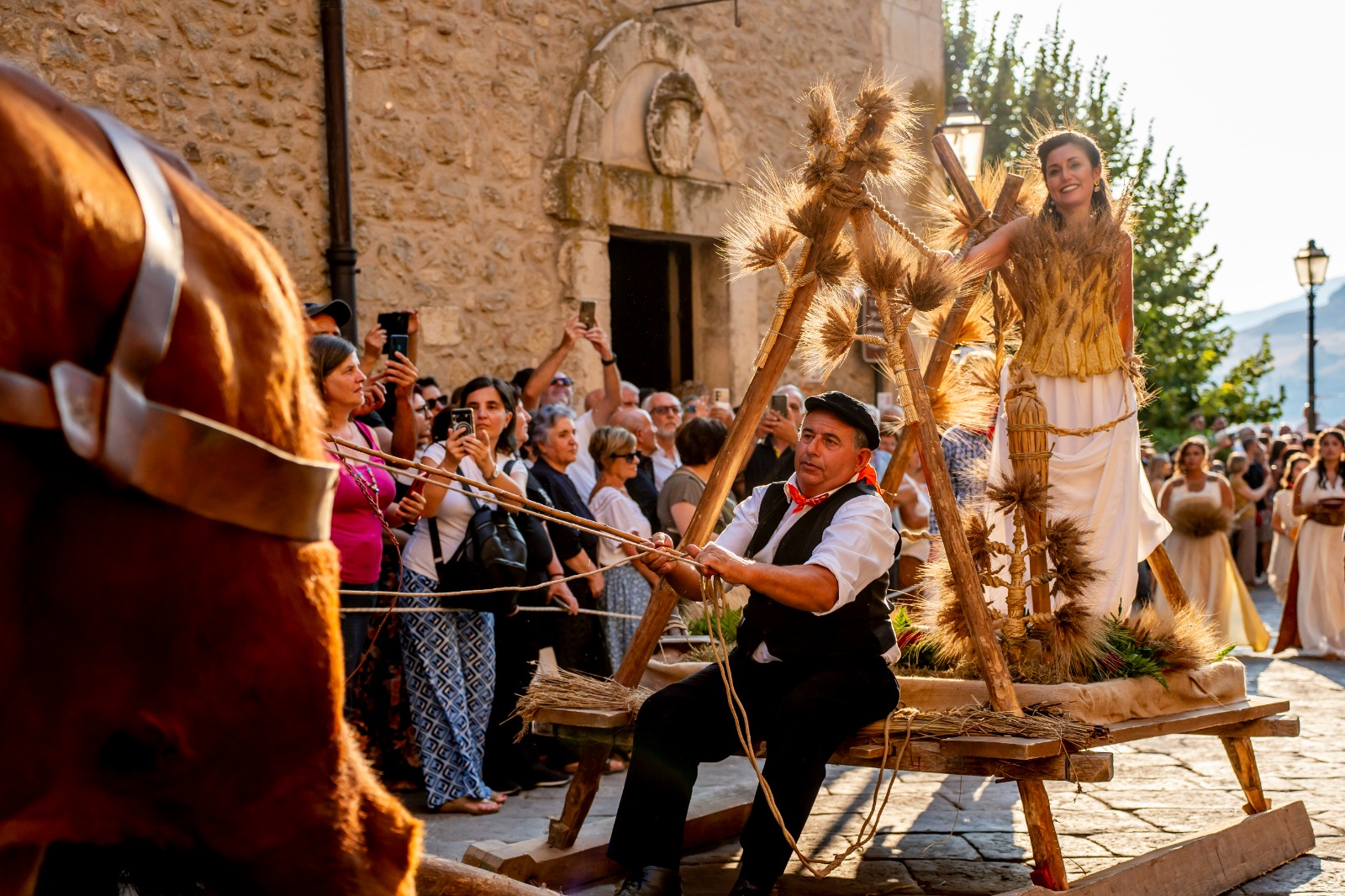 A Gangi agosto inizia con la magia della Sagra della Spiga31 luglio 2026
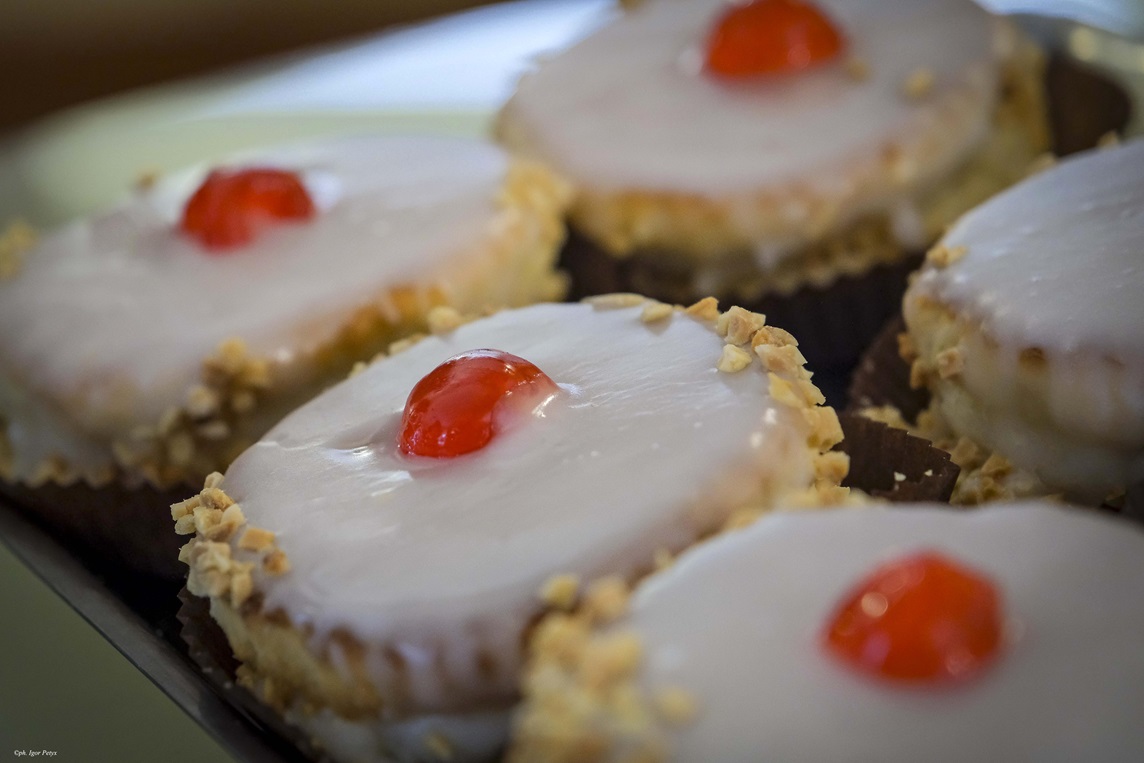 Dai Florio a Silvana Mangano: gli eventi del secondo weekend dei Borghi dei Tesori14 maggio 2026
 A Gangi attesa per il presepe vivente: già in vendita i ticket15 novembre 2025
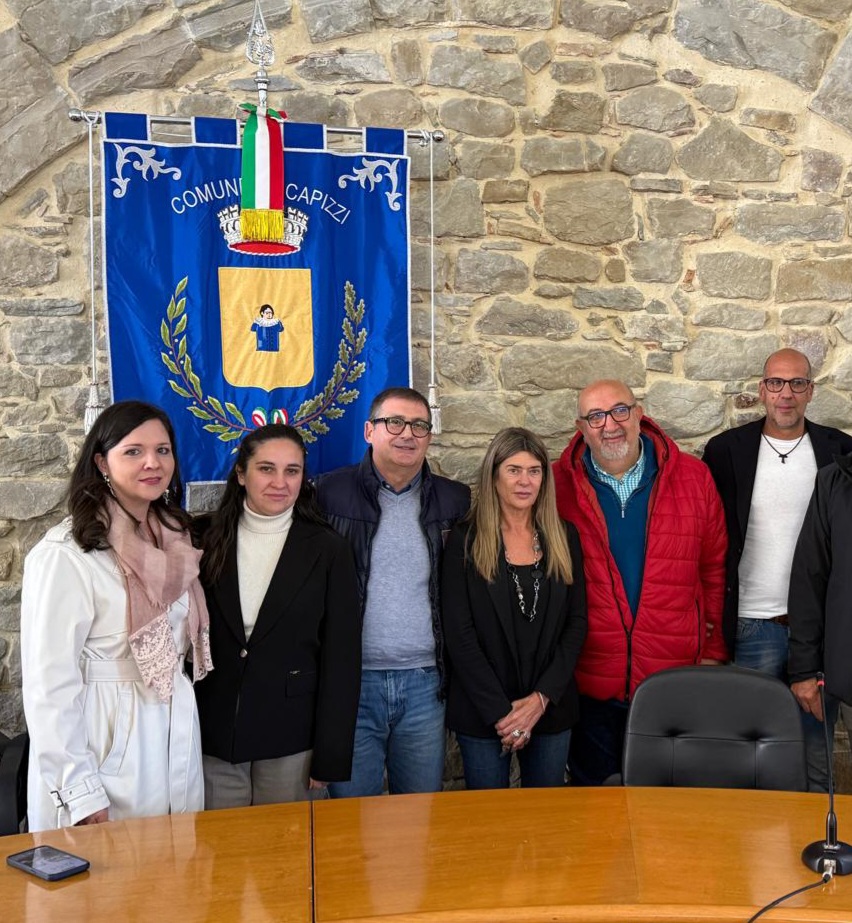 Il Cammino dei Briganti, quando la sinergia paga22 ottobre 2025
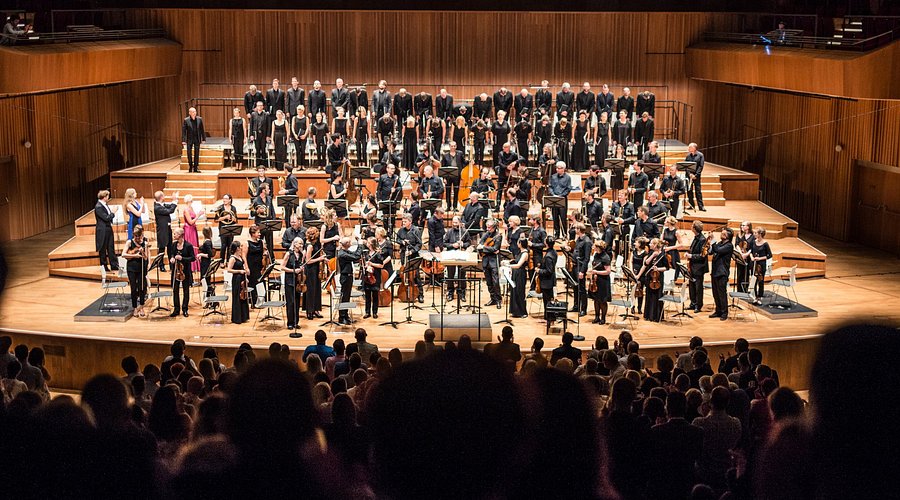 A Gangi riprende la rassegna Suoni ad alta quota20 settembre 2025
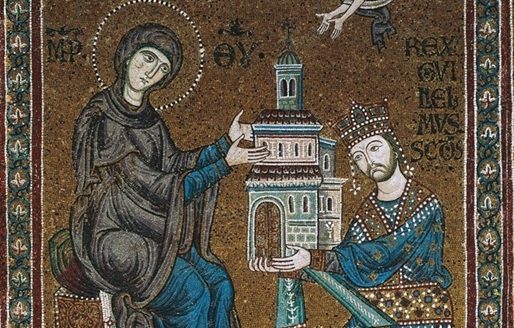 A Gangi focus sui Beni culturali ecclesiastici siciliani12 settembre 2025
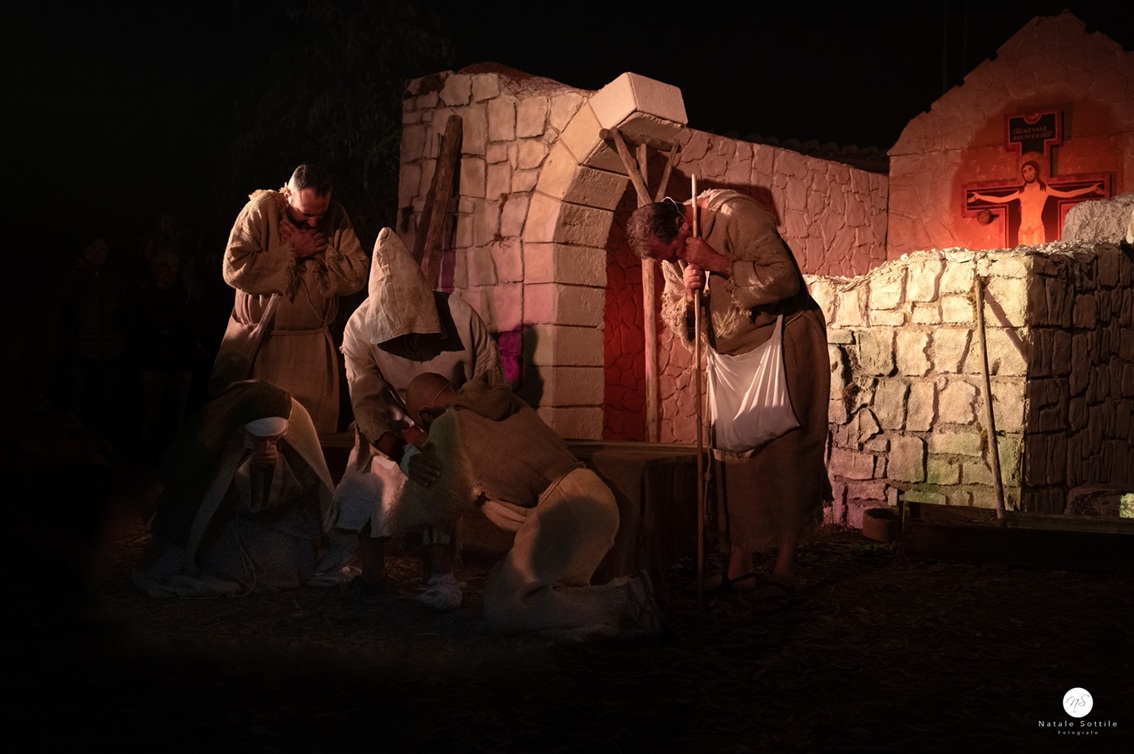 A Gangi visita guidata nei luoghi di ‘Vivere in Assisi’29 agosto 2025
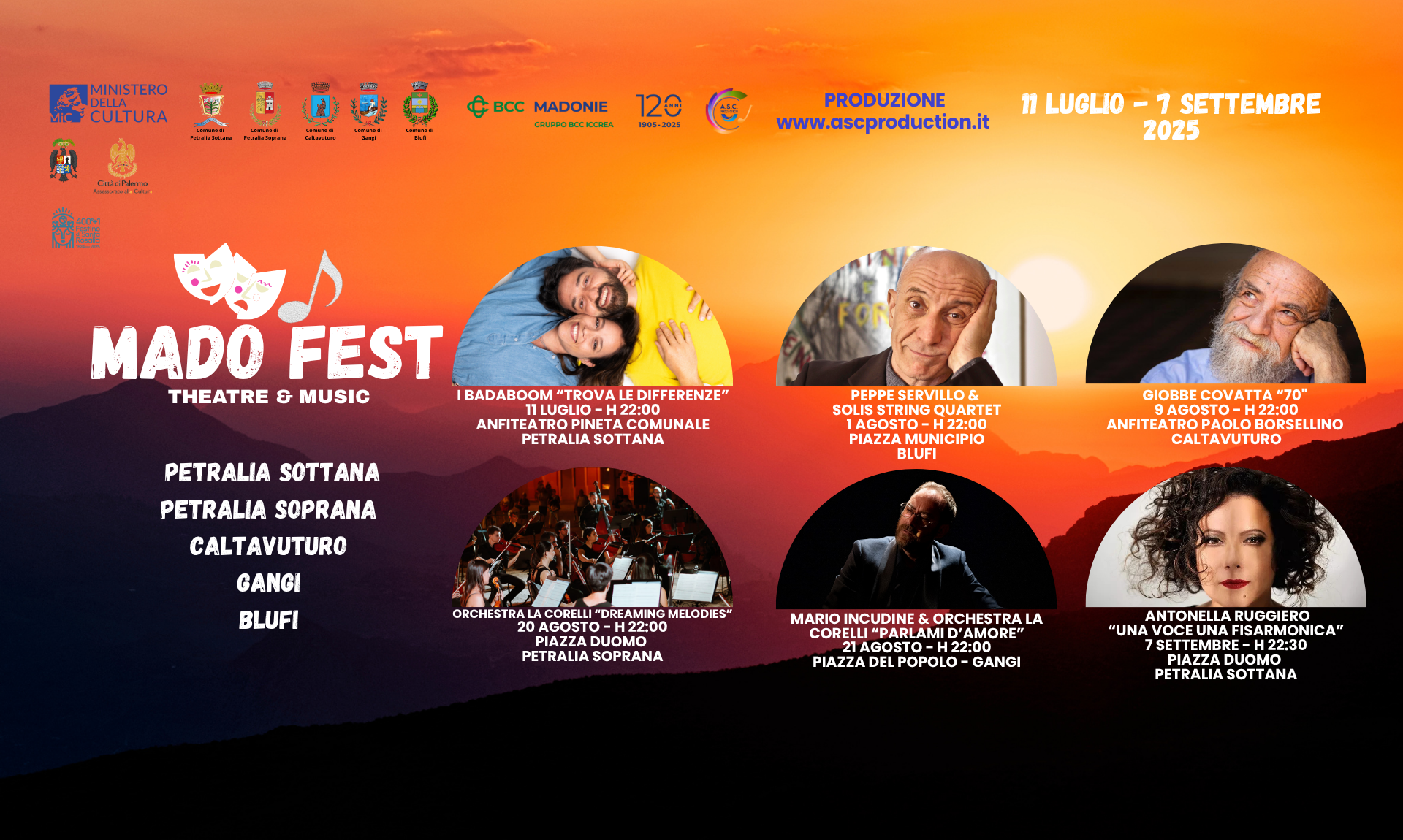 Tra comicità e spettacolo, il Mado Fest arriva nel cuore delle Madonie09 agosto 2025
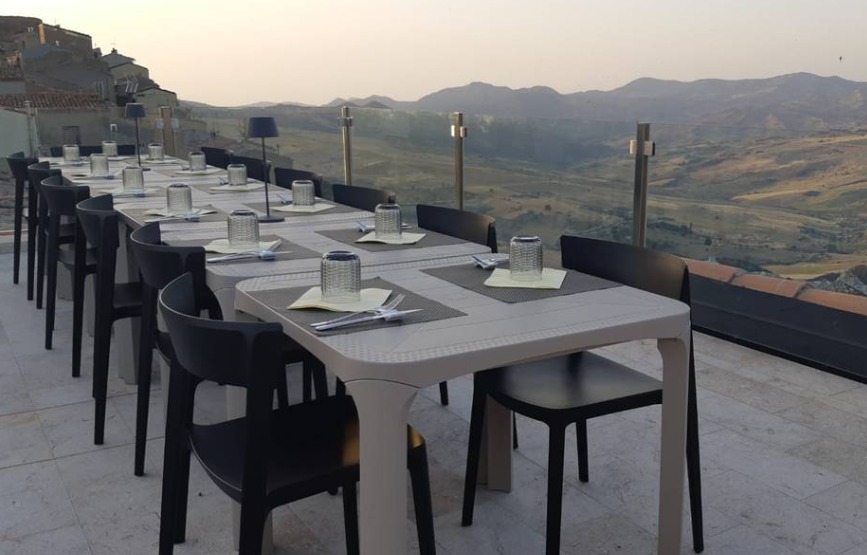 A Gangi apre Baglio Tramontana02 agosto 2025
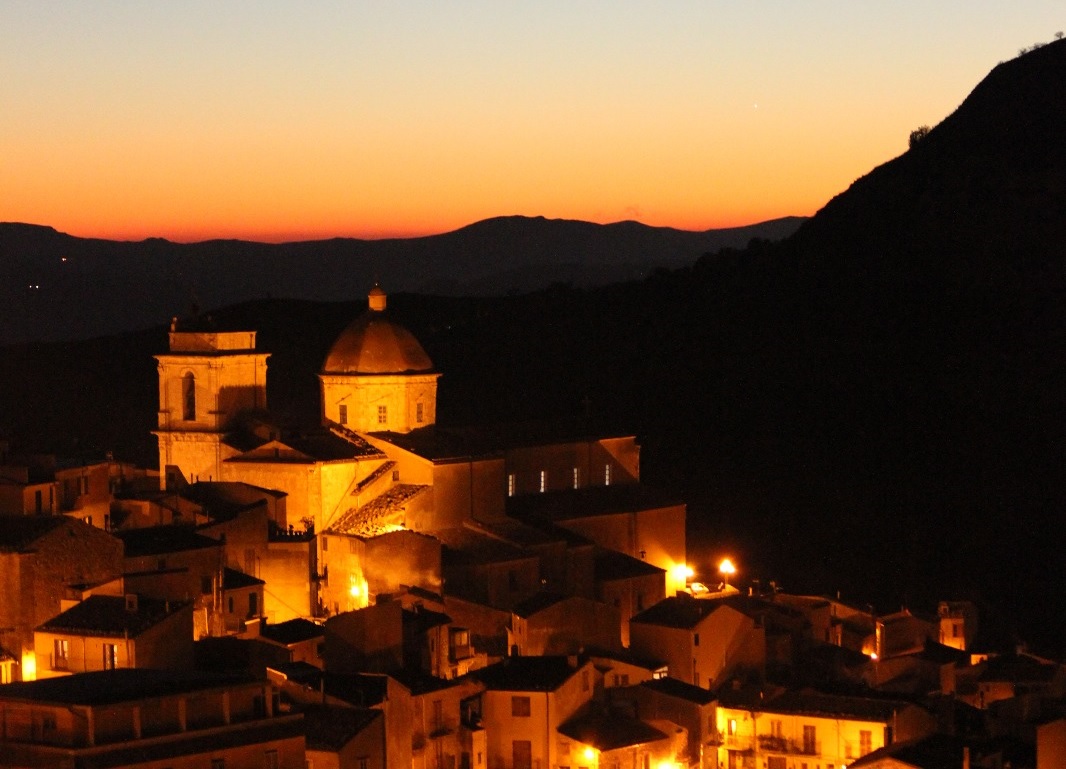 Al via Le Notti di BCsicilia: 50 eventi per valorizzare il territorio22 luglio 2025