Situated on a promontory overlooking the Ionian Sea, Taormina is one of Sicily's most captivating destinations. Known for its extraordinary scenic beauty and rich historical and cultural heritage, this town enchants visitors from around the world with its unique atmosphere, poised between ancient charm and contemporary vibrancy.
Taormina's origins date back to the Sicels, but it was with Greek colonization that the city began to emerge as an important urban center. Its strategic location and mild climate also made it a favored location for the Romans, who contributed to its expansion and architectural development. Even today, the Ancient Theater remains the most famous symbol of Taormina's classical past: built in the Hellenistic era and later expanded by the Romans, this extraordinary amphitheater offers unparalleled views of Mount Etna and the coast, and is still used for major cultural events.
Among the city's medieval and Renaissance remnants, Taormina Castle stands out. This fortress stands on a strategic vantage point, offering breathtaking views of the sea and the surrounding hills. Although today mostly ruins remain, its structure recounts the city's defensive history and its importance throughout the various dominations, from the Normans to the Swabians. A visit to the castle's ruins allows you to immerse yourself in Taormina's military and architectural history, completing the experience of discovering the historic center.
Over the centuries, Taormina has seen alternating dominations—Byzantine, Arab, Norman, and Spanish—each of which has left its mark on the urban fabric and local traditions. The historic center is a maze of narrow alleys, scenic squares, and historic buildings that testify to the city's architectural and artistic evolution. Among the most interesting sites are the Cathedral of San Nicolò, built in Romanesque-Gothic style, and Palazzo Corvaja, a refined example of medieval Sicilian architecture.
Beyond its historical heritage, Taormina is also renowned for its natural environment. Mediterranean vegetation blends with breathtaking sea views, with beaches and coves like those of Isola Bella, a nature reserve that preserves a rare balance between biodiversity and scenic beauty. The surrounding hills, rich in vineyards and citrus groves, contribute to the evocative and authentic atmosphere typical of Sicilian hinterland.
Taormina's tourist vocation consolidated between the 19th and 20th centuries, when it became a favorite destination for European aristocracy and artists seeking inspiration. This tradition of hospitality continues today: Taormina hosts film festivals, concerts, exhibitions, and cultural events that make it an international attraction.
The city is also renowned for its gastronomy, which combines local ingredients and Mediterranean flavors in authentic and creative dishes. From the freshest seafood to almond and citrus desserts, Taormina's cuisine reflects the richness of the land and the variety of cultural influences that have passed through it.
Taormina is much more than a simple tourist destination: it is a place where history, nature, art, and traditions blend harmoniously, offering an intense and unforgettable experience to all who visit. A Sicilian pearl that continues to exert its charm, suspended between sky and sea.
 Associazione: Anci Sicilia
→
Associazione: Anci Sicilia
→
 Consorzio: Castelli di Sicilia
→
Consorzio: Castelli di Sicilia
→
 Gruppo di Azione Locale: GAL Peloritani
→
Gruppo di Azione Locale: GAL Peloritani
→
Taormina is not only a scenic and historic gem, but also a vibrant hub of entrepreneurial activity that blends tradition and innovation. In the heart of the historic center, artisan workshops represent the city's most authentic side: ceramics, artistic glassworks, and shops selling local stone products showcase skills and creativity passed down from generation to generation. Each handmade object tells the story and identity of Sicily, often enriched with decorations inspired by the sea and the surrounding nature.
The hotel and restaurant sector is made up of numerous family-run establishments: boutique hotels, bed & breakfasts in historic buildings, and passionately run restaurants. Here, hospitality is authentic: guests are welcomed like family friends and can rediscover traditional Sicilian cuisine, enhanced by quality local products. Small farms, while not always visible in the city, play a fundamental role in the supply chain, supplying oil, wine, citrus fruits, and honey to restaurants and markets, contributing to a local and sustainable production system.
Experiential tourism has gained popularity in recent years, with operators organizing excursions to Mount Etna, kayaking tours along the coast, Sicilian cooking classes, and walks to discover Mediterranean flora. These innovative businesses have responded to the growing demand for authentic experiences that combine culture, nature, and tradition.
Taormina's business landscape is complemented by art galleries and photography studios that promote local artists and host temporary exhibitions, making the city a hub for creativity as well as tourism.
Taormina's local businesses thus form a dynamic microcosm where craftsmanship, hospitality, nature, and culture intertwine, offering visitors a unique and immersive experience of the Sicilian genius loci.
The Taormina area, with a population of approximately 10,500 inhabitants, presents itself as an area of great interest for potential investors. The presence of a significant number of unoccupied homes offers opportunities in the real estate sector, with the possibility of renovating and enhancing new residential solutions.
The foreign community, consisting of around 750 people, can serve as a point of contact with international markets and promote the development of services aimed at an international clientele.
From a tourism perspective, Taormina boasts a wide range of accommodation options, with over 300 hospitality establishments and more than 8,000 beds. The presence of museums and cultural institutions, if properly promoted, can attract visitors interested in the history and culture of the area.
The geographical and morphological features, with a territory of over 1,300 hectares and a variety of altitudinal zones, offer opportunities for the development of activities related to nature tourism, hiking, and outdoor experiences. The presence of agritourism facilities, bed & breakfasts, and other non-hotel accommodations reflects a diversified economic fabric and the possibility to invest in sectors complementary to traditional tourism.
Taormina emerges as a territory with great economic development potential, thanks to its strategic location, the richness of cultural and natural resources, and the variety of its tourist offerings. Investors interested in sectors such as real estate, tourism, culture, and hospitality can find numerous opportunities for growth and sustainable development in this city.
Taormina, nestled on the eastern coast of Sicily, is one of the island's most captivating tourist destinations. This picturesque town, nestled between the sea and the mountains, boasts a historic, cultural, and scenic heritage that draws visitors from around the world. One of its most famous attractions is the Ancient Theater, an imposing Greco-Roman structure that offers not only a journey back in time but also breathtaking views of Mount Etna and the Ionian Sea. During the summer months, the theater hosts plays, concerts, and festivals, offering an unforgettable cultural experience.
Among the city's historical relics, Taormina Castle also stands out, a medieval fortification that dominates the city from above and offers spectacular views of the coast and surrounding hills. Although today mostly ruins remain of the castle, its structure recounts the city's defensive history and the various rulers it has endured, from the Normans to the Swabians. A visit to the castle's remains allows you to immerse yourself in Taormina's military and architectural history, completing the experience of the historic center.
Strolling through the streets of the historic center, visitors can immerse themselves in an elegant and refined atmosphere. Corso Umberto, the main street, is lined with boutiques, cafes, art galleries, and historic buildings, including Palazzo Corvaja, a testament to the various rulers that have ruled over the city over the centuries. Churches, such as the Duomo di San Nicolò and the Church of San Giuseppe, further enrich the city's artistic panorama.
Natural enchantment is not lacking: the splendid Isola Bella, a nature reserve with a wild charm, is connected to the mainland by a thin strip of sand and offers crystal-clear waters ideal for snorkeling and relaxation. Just steps away is the cable car that connects the center of Taormina to Mazzarò beach, offering unique panoramic views.
What makes Taormina even more special is its timeless atmosphere, a perfect balance of elegance, history, and natural beauty. Every corner of the town tells a story and invites visitors to slow down, observe, and be enchanted by a Sicily that here reveals itself at its most authentic and evocative.
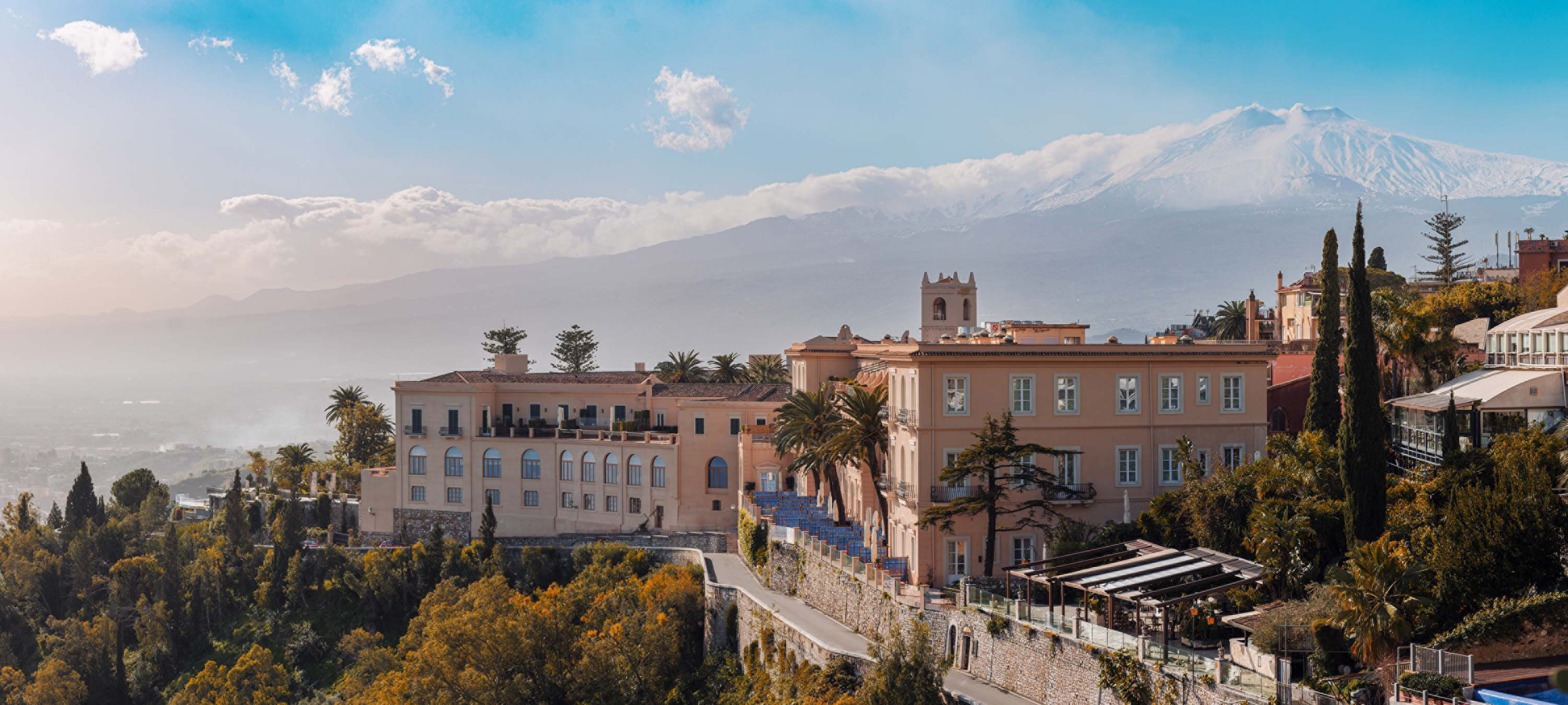
 Grand Hotel San Pietro premiato alla Taormina Cocktail Week24 settembre 2026
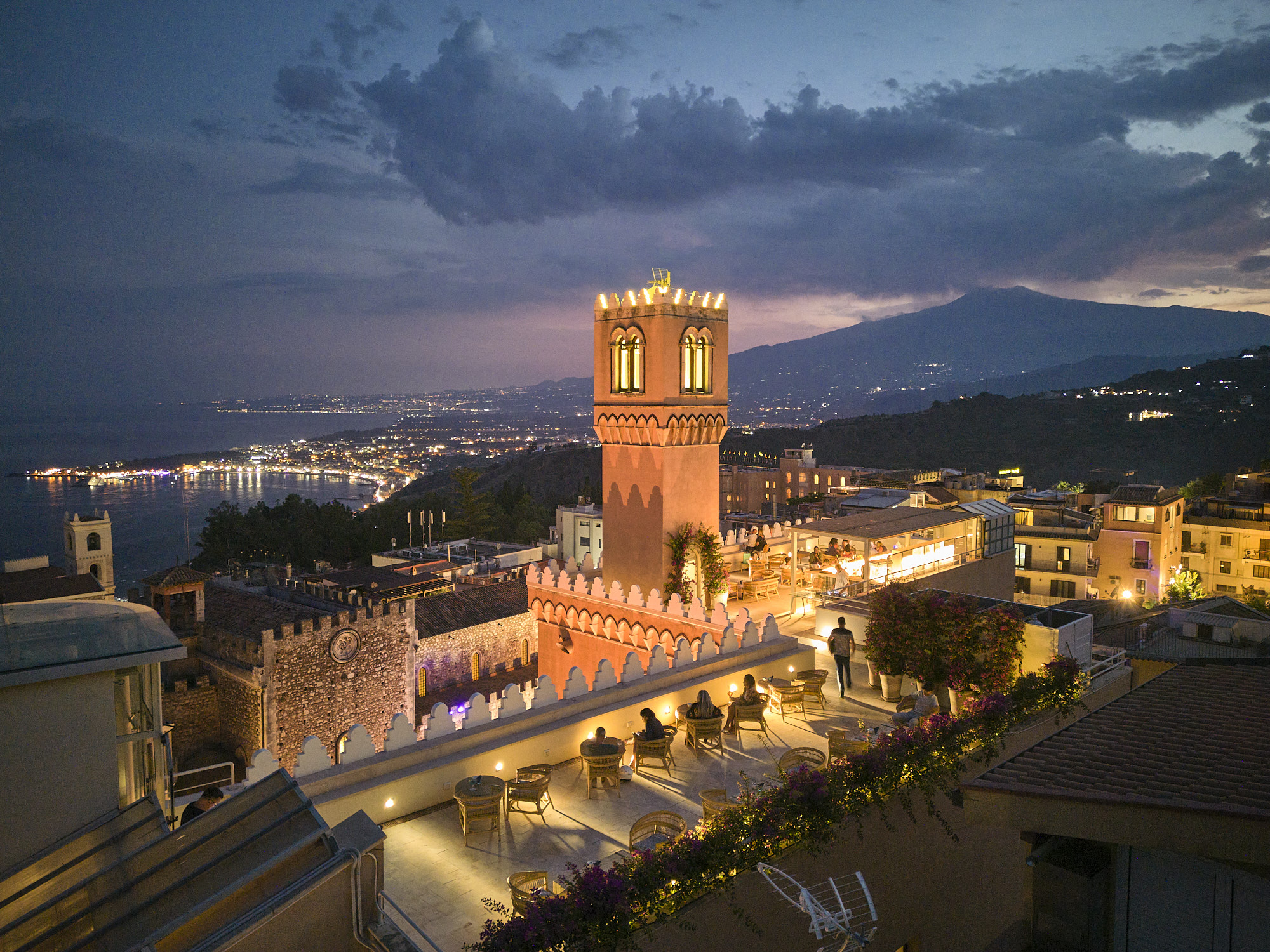
 Il San Domenico di Taormina è tra i 50 migliori hotel del mondo16 settembre 2026
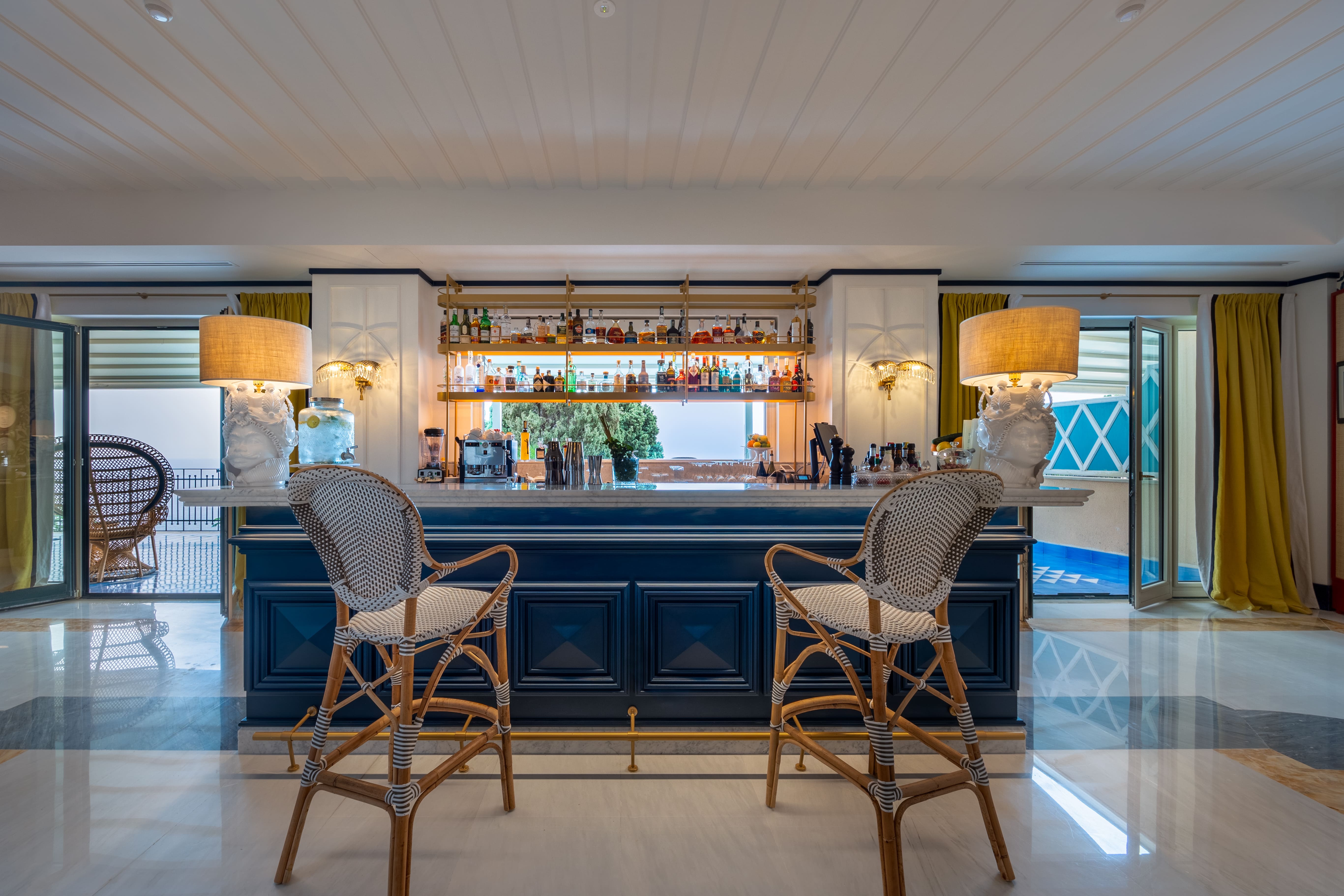
 Palazzo Vecchio Taormina è il nuovo indirizzo per gli amanti della mixology11 settembre 2026
 Se allungare le stagionalità sgnifica aumentare l’occupazione10 settembre 2026
 Al San Domenico Palace torna il Gran Galà d’Autunno10 settembre 2026
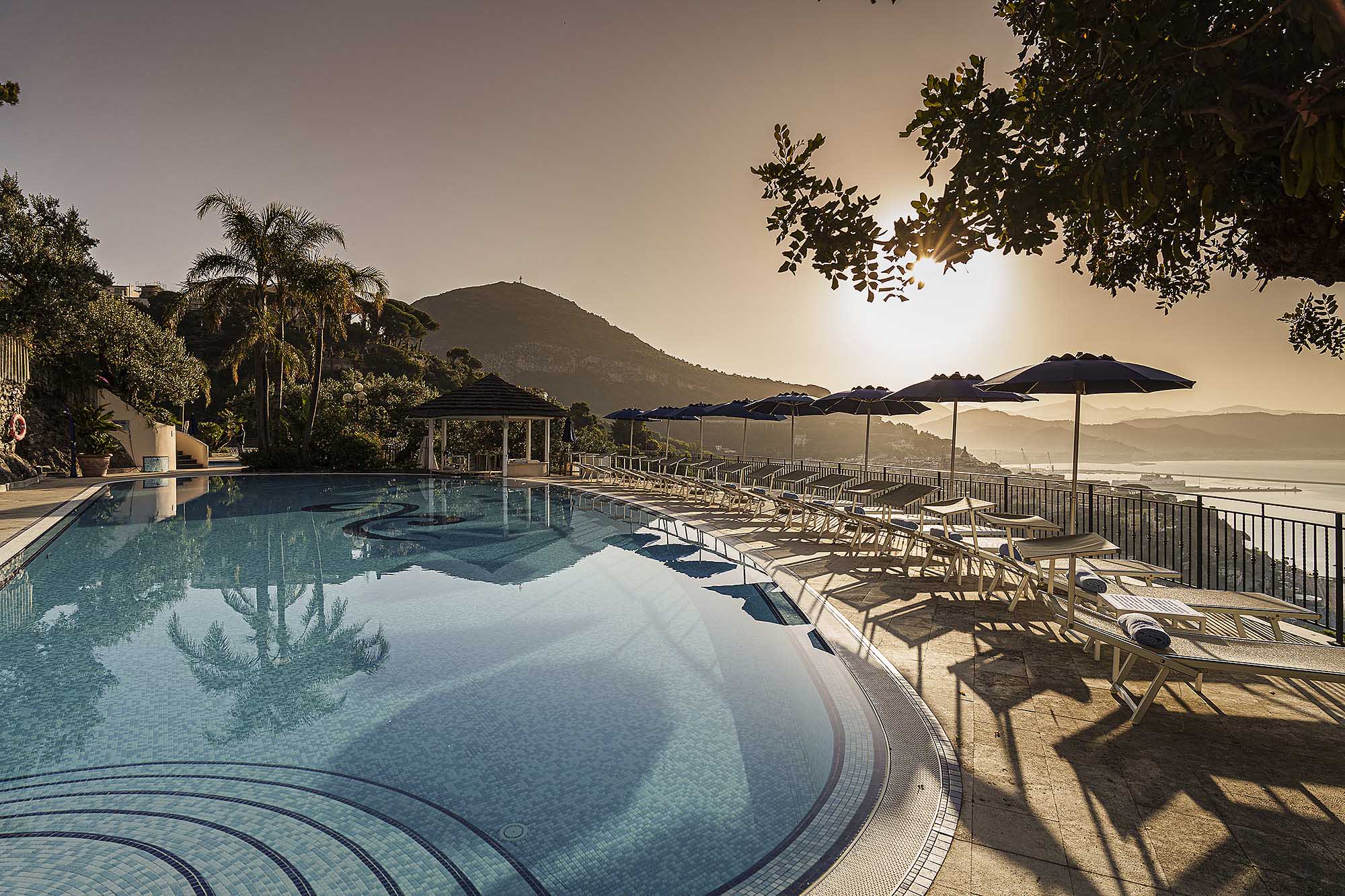 RHC Group supera soglia del 9/10 nelle recensioni e scommette sulla Guest Experience08 settembre 2026
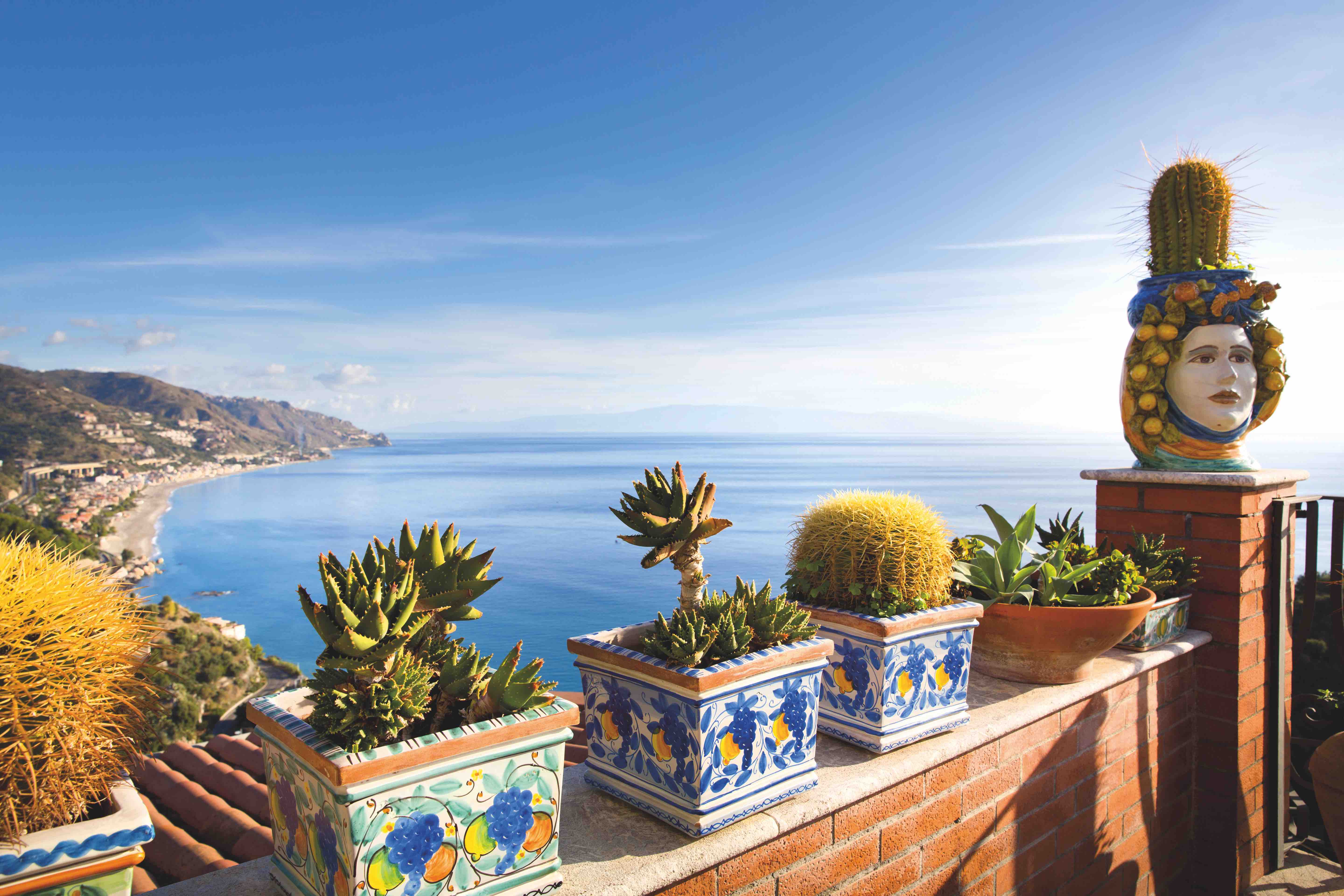 In 8 mesi a Taormina già oltre un milione di presenze07 settembre 2026
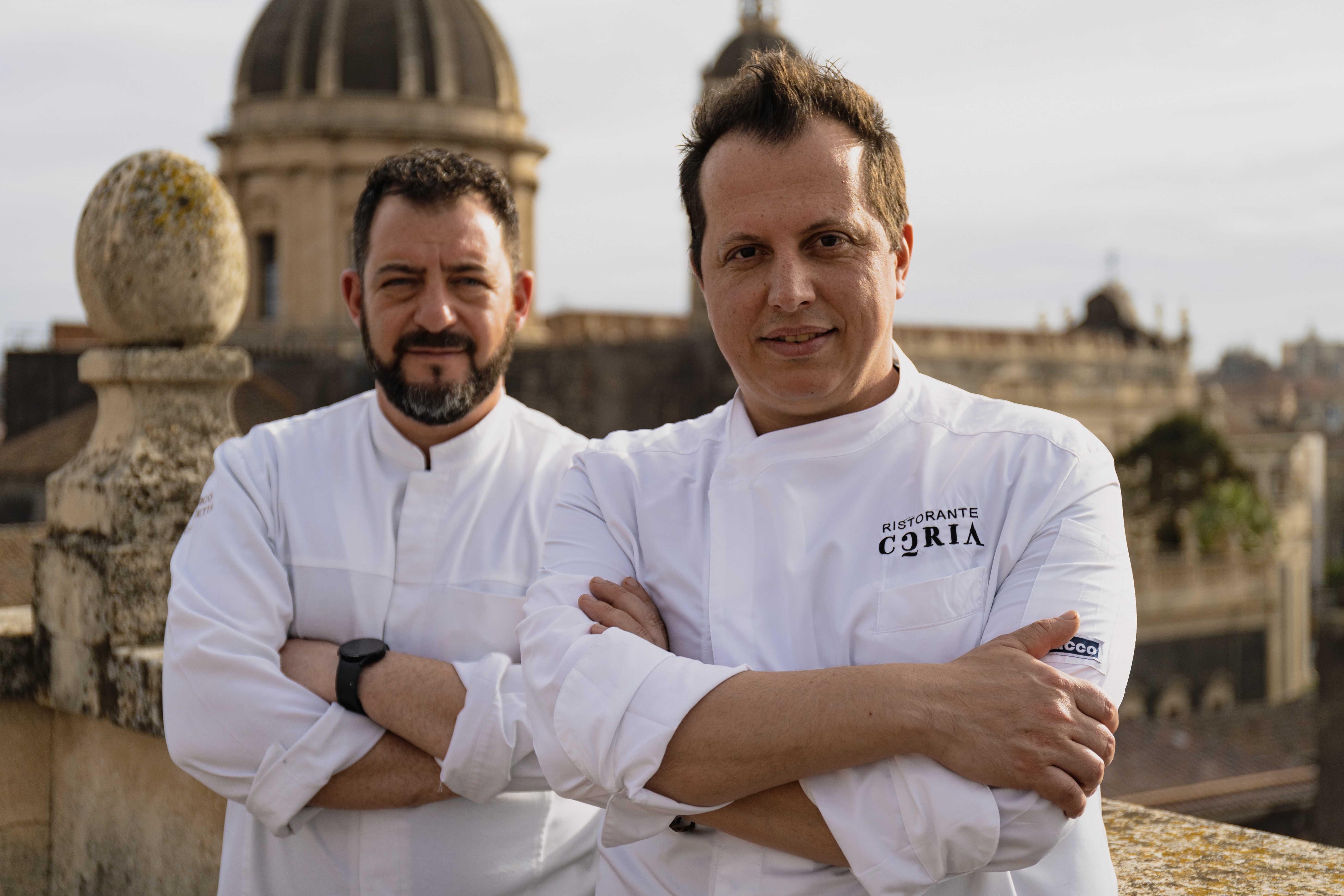
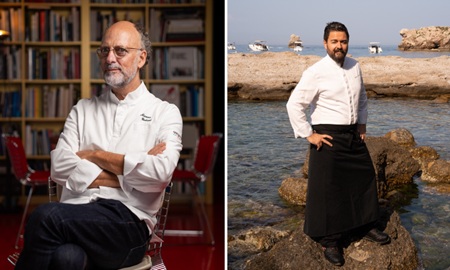 Taormina, a Villa Sant’Andrea cena a 4 mani firmata D’Angelo e Cedroni01 settembre 2026
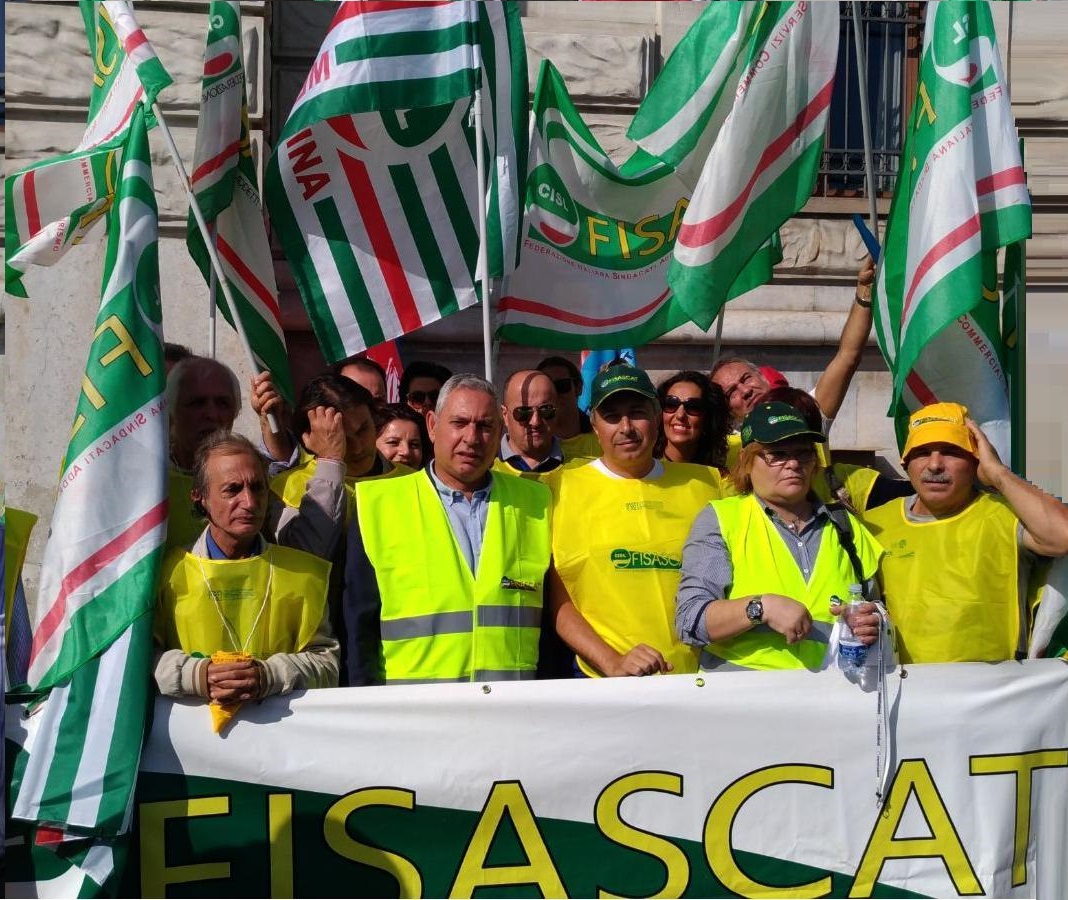
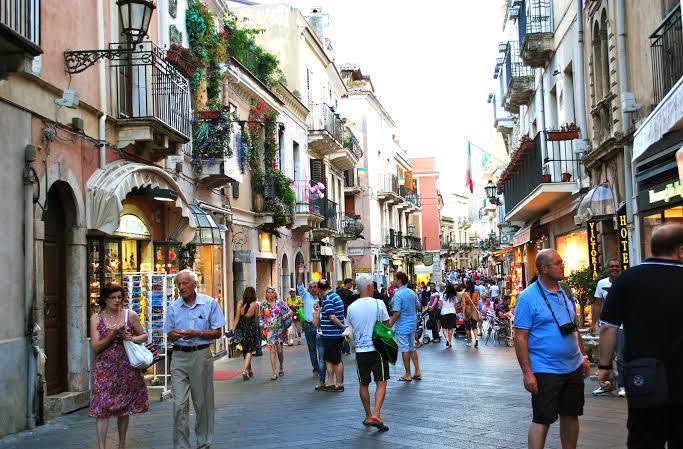 Taormina, contratti di lavoro in scadenza ma il boom turistico continua01 settembre 2026
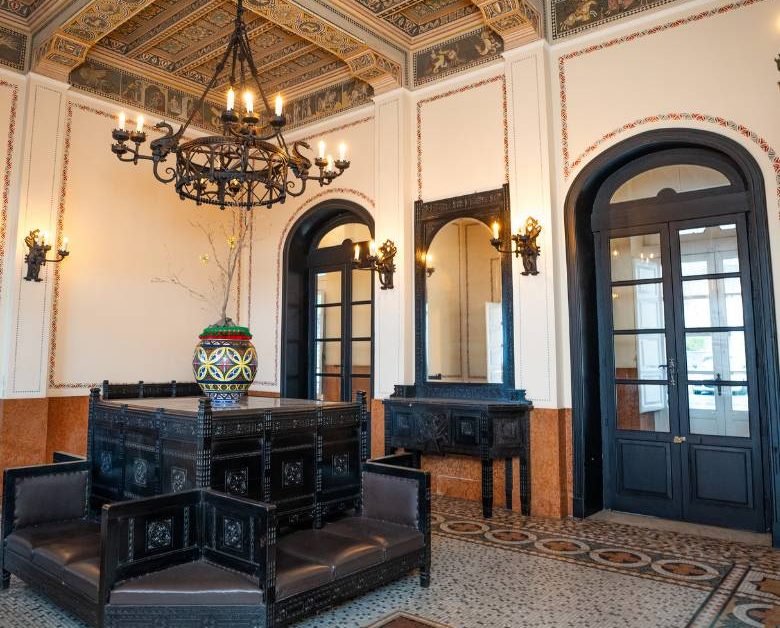 Taormina, apertura eccezionale della storica sala d’attesa della stazione28 agosto 2026