
Agrigento is a Sicilian city located on the island's southwest coast, renowned for its rich historical, archaeological, and cultural heritage. Founded around the 6th century BC as a Greek colony called Akragas, Agrigento was one of the most important centers of Magna Graecia, thriving thanks to its strategic location and the fertile surrounding land. Known for its imposing Valley of the Temples, the city still represents one of the most significant testimonies to the island's Hellenic past.
The Agrigento area is characterized by a hilly landscape overlooking the Mediterranean Sea, with sweeping views of olive groves, almond orchards, and citrus groves. This natural environment has contributed to the area's agricultural development since ancient times, a key factor in the prosperity of ancient Akragas. The city then evolved over the centuries under Roman, Byzantine, Arab, and Norman rule, each of which left a tangible mark on the architecture, culture, and place names.
Agrigento's modern center extends on a hill overlooking the valley below, while the nearby archaeological area, a UNESCO World Heritage Site, includes remarkably preserved Doric temples. Among these are the Temple of Concordia, one of the best preserved in the entire Greek world, and the Temple of Juno, which offers breathtaking views of the surrounding countryside. The remains of these temples, along with the remains of the ancient walls, the agora, and public buildings, make the city a hub for archaeology and ancient history enthusiasts.
Despite its fame rooted in the past, Agrigento is also a vibrant and modern city, home to cultural institutions, museums, theaters, and artistic events. Among the most important is the Sagra del Mandorlo in Fiore, an international folkloristic event that celebrates spring and the brotherhood of peoples through dances, traditional costumes, and performances. The city is also home to important research and study centers dedicated to the enhancement of its historical and landscape heritage.
Agrigento also boasts a significant literary tradition, being the birthplace of Luigi Pirandello, the celebrated playwright and Nobel Prize winner for literature. The writer's birthplace, now a museum, is a destination for numerous visitors and scholars, helping to keep alive the bond between the city and its illustrious son.
Agrigento's identity is based on an extraordinary blend of eras, civilizations, and evocative landscapes. Strolling through its streets means coming into contact with a millennia-old past that continues to dialogue with the present, in a balance of natural beauty, historical memory, and cultural vitality.
 FestiValle
7-10 August 2026
FestiValle
7-10 August 2026
 Fausto Pirandello. La magia del quotidiano
20 March - 2 June 2026
Fausto Pirandello. La magia del quotidiano
20 March - 2 June 2026
 Il volto di Dio
19 March - 19 May 2026
Il volto di Dio
19 March - 19 May 2026
Agrigento, nestled between the sea and the hills, boasts a rich and diverse business landscape, combining artisanal tradition, food and wine production, and innovative services. At the heart of the local economy are family-run farms, which cultivate olive trees, citrus fruits, and vegetables on often steep terrain, passing down ancient knowledge and producing excellent extra virgin olive oils, artisanal jams, and healthy, intensely flavored preserves. These products are then enhanced by small agritourism businesses, offering stays immersed in nature, visits to olive oil mills, and tastings of locally sourced produce, combining authentic hospitality with a rediscovery of the local area.
Alongside agriculture, artisanal activities play a fundamental role: ceramics workshops craft traditional Sicilian designs, while carpenters, restorers, and bookbinders preserve techniques passed down through generations, helping to keep the area's material culture alive. Historic pastry shops are a must-see, producing traditional sweets such as sour cherries in alcohol, toasted almonds, and almond paste—true delights that captivate tourists and residents with their taste and memories.
In the service sector, small, innovative businesses are emerging, especially in experiential tourism and digitalization: local tour guides organize personalized itineraries to discover historic sites, food and wine, and natural beauty, often supported by local apps and platforms that facilitate activity bookings. At the same time, startups are emerging to enhance heritage, with augmented reality projects at cultural sites and interactive tours for families and schools.
Commercial businesses complete the picture: shops selling typical products, local craft shops, and neighborhood markets enliven the city squares, offering distinctive products and stimulating the local economy. Restaurants and citrus fruit vendors offer dishes based on fresh fish, homemade pasta, and local seasonal ingredients, reflecting Agrigento's cuisine while respecting tradition. Ultimately, Agrigento's businesses represent a model of synergy between innovation and cultural roots, combining experience, creativity, and a sense of identity to meet contemporary challenges and enhance the uniqueness of the region.
The territory of Agrigento is a large area, with a population of approximately 55,367 inhabitants in 2023, evenly divided between males and females. The presence of foreigners is significant, with a total of 17,167 individuals. In terms of housing, in 2021 there were 331,461 dwellings, of which 172,366 were occupied and 159,095 were unoccupied. This data could indicate a potential real estate market to explore for investments in the residential sector. As for the tourist offer, Agrigento has a varied range of accommodation facilities, including hotels, farmhouses, youth hostels, and bed & breakfasts. Overall, there are 279 accommodation facilities with a total of 5,127 beds, which could represent interesting investment opportunities in the tourism sector. From a cultural point of view, the territory boasts 4 museum institutions that in 2020 recorded a total of 366,651 visitors, indicating a potential interest in the historical and artistic heritage of the area. The geographical characteristics of Agrigento, with an area of over 3,000 sq km and altimetric bands ranging from sea level to heights exceeding 600 meters, offer a varied and suggestive landscape that could attract investments in the tourism and real estate sectors. In conclusion, Agrigento presents itself as a territory with interesting investment opportunities in the real estate, tourism, and cultural sectors, thanks to the presence of a dynamic population, a wide range of accommodation options, and a significant cultural heritage. However, there may be challenges related to the management of unoccupied dwellings and the need to further develop tourism and cultural infrastructure to attract an increasing number of visitors and investors.
Agrigento, located on the southern coast of Sicily, is one of the island's most fascinating tourist destinations thanks to its extraordinary historical, cultural, and scenic heritage. The beating heart of Agrigento's tourism is undoubtedly the Valley of the Temples, a world-renowned archaeological site home to majestic Doric temples dating back to the Magna Graecia period. Strolling among the ruins of the Temple of Concord, the Temple of Juno, and the Temple of Hercules offers a true journey back in time, immersing yourself in the ancient Greek civilization that once dominated these lands.
Beyond the charm of the Valley of the Temples, Agrigento offers a historic center full of narrow streets, baroque churches, and ancient palaces, where you can experience the most authentic Sicilian tradition. The Cathedral dedicated to the Blessed Virgin Mary of the Assumption, located atop the hill, offers panoramic views of the city and the sea and is an emblematic example of local medieval architecture.
A few kilometers from the city center lies the Scala dei Turchi, a spectacular white marl cliff overlooking the sea, sculpted by wind and waves, offering a surreal and evocative landscape, especially at sunset. The local beaches, such as those of San Leone, also offer opportunities for relaxation and seaside fun during the summer months.
Finally, a wealth of cultural events, festivals, and popular celebrations enliven the city year-round, making Agrigento a vibrant and welcoming destination. With its millennia-old history, natural beauty, and traditions, the municipality of Agrigento is an unmissable destination for those wishing to discover the most authentic and fascinating soul of Sicily.
 Salvini spinge per scalo Agrigento: necessario con emergenza Etna29 settembre 2026
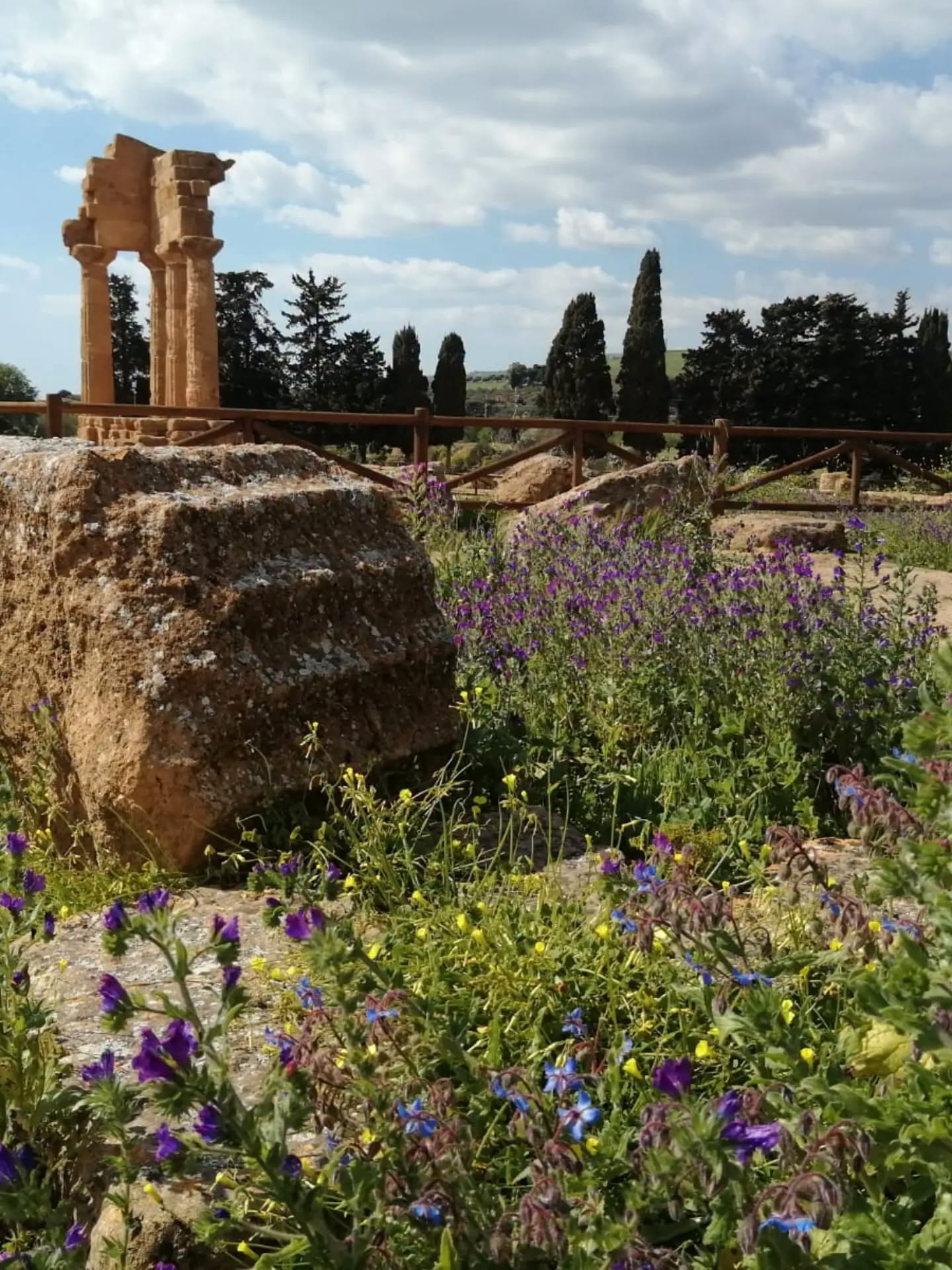 Distretto turistico Valle dei Templi apre le porte a nuovi soci21 settembre 2026
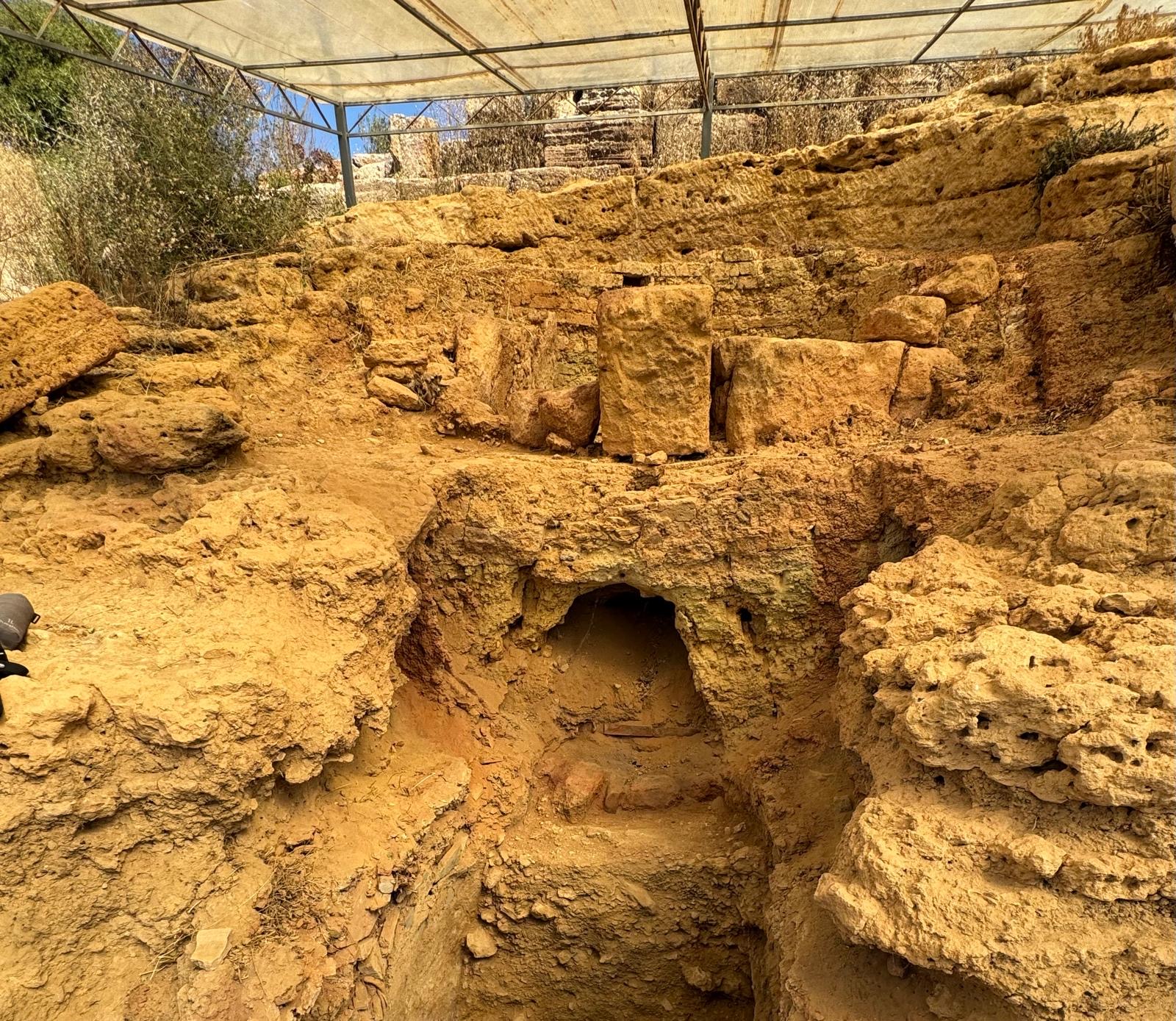 Agrigento, il 22 settembre Open day negli scavi del Ceramico19 settembre 2026
 Agrigento punta su porto Akragas per diversificare l’offerta11 settembre 2026
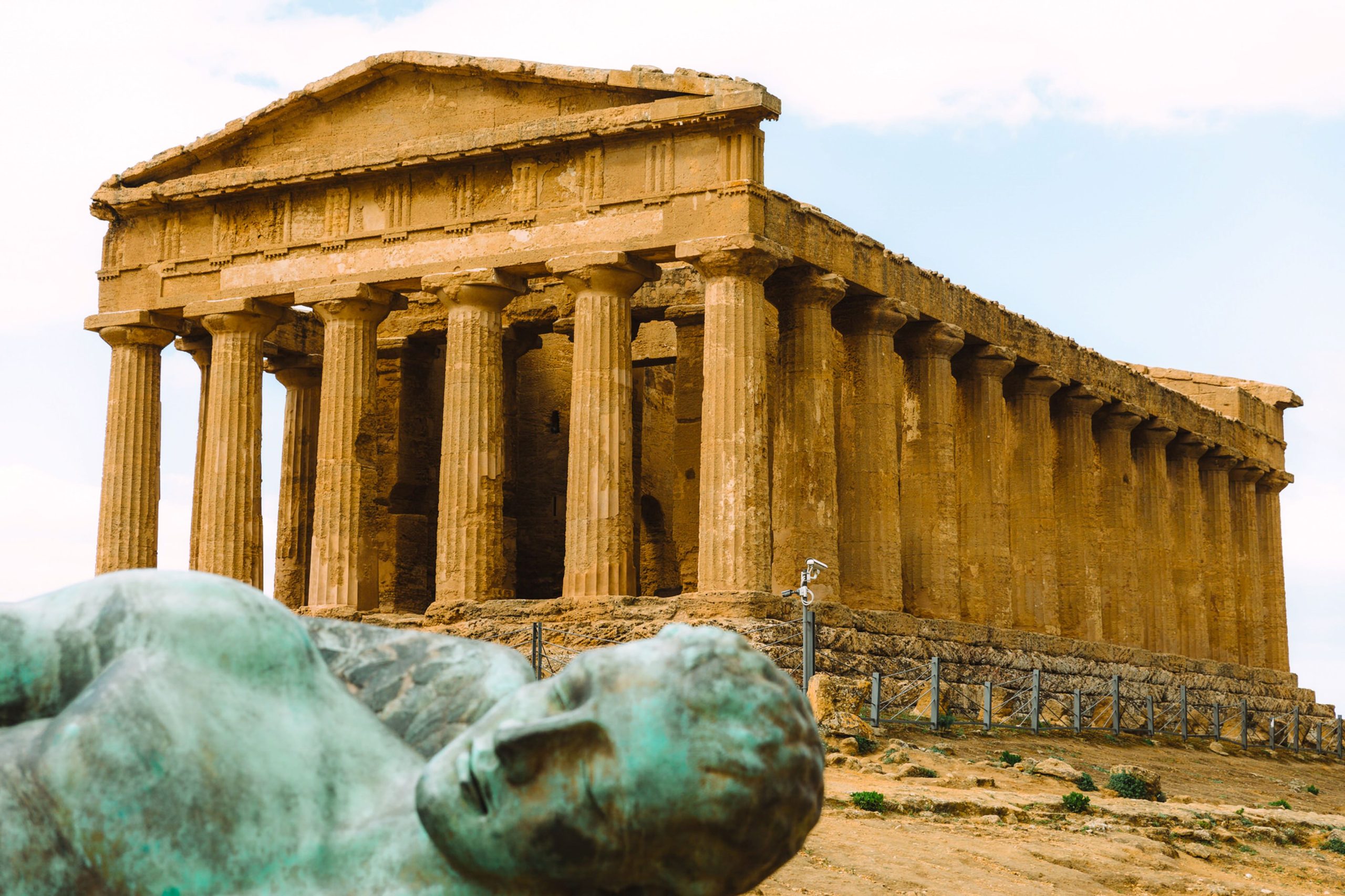 Weekend al Parco Archeologico Valle dei Templi con le visite guidate03 settembre 2026
 Lions Club Agrigento, un nuovo anno sociale nel segno del territorio02 settembre 2026
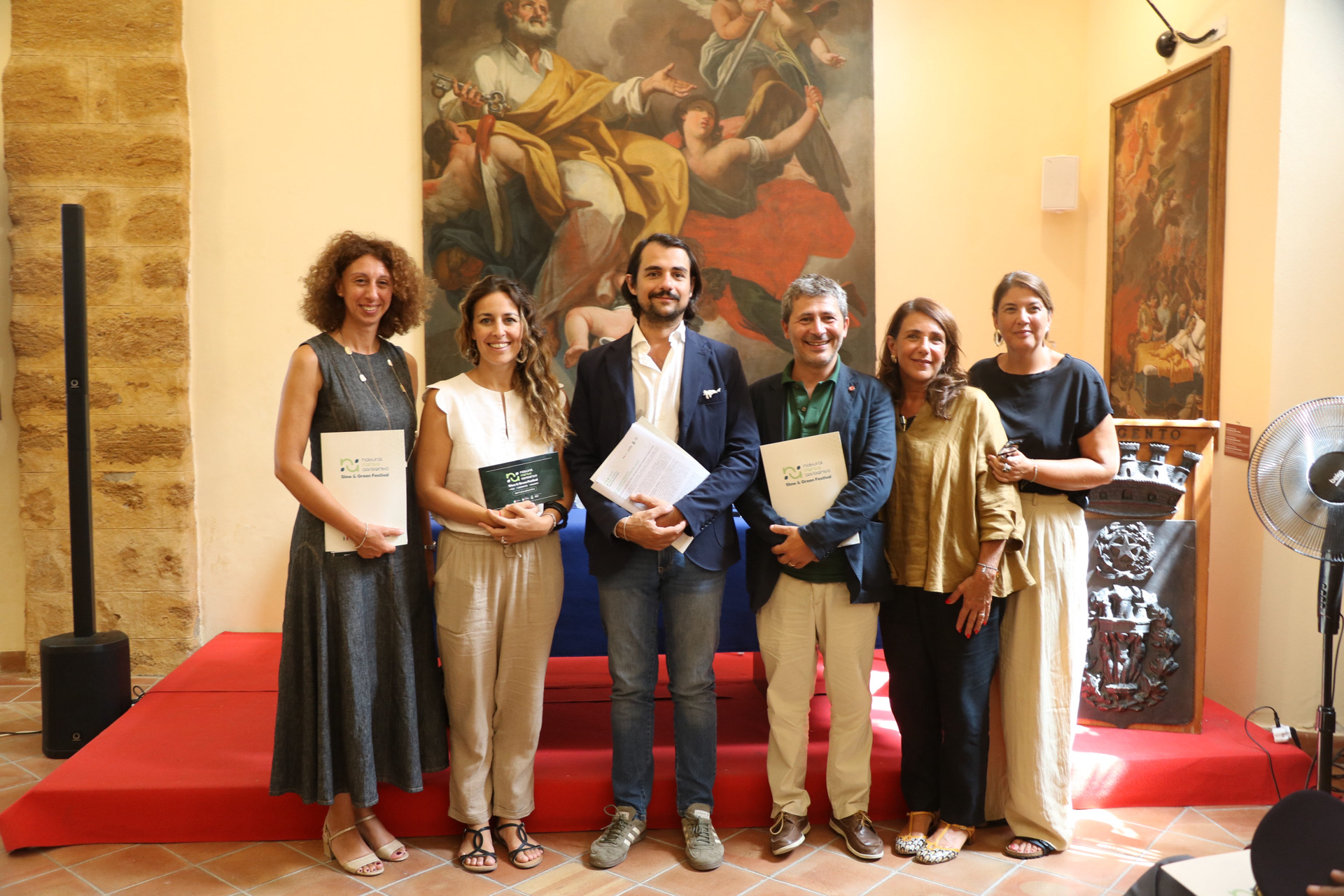 Agrigento sogna il turismo 365 giorni l’anno tra festival, percorsi slow e app28 agosto 2026
 Il K-Pop sbarca in Sicilia: il videoclip girato tra la Scala dei Turchi e i Quattro Canti27 agosto 2026
 Lions Club Agrigento Valle dei Templi inaugura il nuovo anno sociale26 agosto 2026
 Agrigento 2025, restano 400 mila euro. Picarella: usiamoli per il turismo04 agosto 2026




.png)