
Sutera is a village in the Sicilian hinterland in the province of Caltanissetta, distinguished by its historical, cultural, and scenic heritage. Situated in a panoramic position overlooking the Platani River valley, the area offers a particularly interesting environmental context.
The settlement's origins date back to ancient times, and over the centuries, the village has seen various dominations, including Byzantine, Arab, and Norman, which have contributed to defining its architectural and cultural identity.
The historic center retains a traditional urban layout, characterized by narrow streets, stone buildings, and small-scale social spaces. Among the main attractions are the Mother Church of San Giovanni Battista and the Chiaramonte Castle, a medieval structure that dominates the surrounding landscape.
Religious traditions are a significant component of the local identity. In particular, the Feast of San Giuseppe is one of the most significant events, characterized by the installation of altars decorated according to long-standing traditions.
From a food and wine perspective, the area offers cuisine rooted in Sicilian tradition, with typical dishes and local produce that reflect the area's cultural specificities.
The surrounding natural setting offers further opportunities for exploration, thanks to the presence of areas of environmental interest such as the Monte Capodarso Nature Reserve and the Bat Cave, sites that contribute to the enhancement of the area's natural and archaeological heritage.
Sutera is thus a place where historical, cultural, and environmental elements are integrated, offering a visitor experience consistent with the area's identity.
 Associazione: Anci Sicilia
→
Associazione: Anci Sicilia
→
 Associazione: Borghi più belli d'Italia
→
Associazione: Borghi più belli d'Italia
→
 Gruppo di Azione Locale: GAL Terre del Nisseno
→
Gruppo di Azione Locale: GAL Terre del Nisseno
→
Sutera has developed a diverse local economic fabric, based on traditional activities and the valorization of local resources. The businesses operating primarily in the artisanal, commercial, agricultural, and tourism sectors contribute to the village's economic sustainability.
The artisanal sector plays a significant role, with workshops specializing in ceramics, textiles, and woodwork. These businesses represent a continuity with local traditions and are distinguished by the quality of their products and their identity.
The commercial system is made up of local businesses, including food outlets and shops specializing in consumer goods. In particular, food businesses offer local products, including cheeses, cured meats, extra virgin olive oil, and wine, sourced from local farms.
The agricultural sector is characterized by typical Mediterranean produce, including citrus fruits, olives, and grapes, made possible by the favorable climate and soil conditions. In some cases, companies integrate production activities with experiential initiatives, such as farm visits and seasonal harvest-related activities.
The tourism sector thrives through small- and medium-scale accommodations, including bed & breakfasts, agritourisms, and holiday homes, which offer widespread forms of hospitality integrated into the local context. These facilities contribute to the enjoyment of the area and the valorization of its landscape and cultural heritage.
Overall, Sutera's entrepreneurial system is a model based on the integration of tradition and local development, in which economic activities contribute to job creation and the promotion of sustainable growth.
The Sutera area, with a population of 1,156 inhabitants in 2023, is characterized by a small demographic size compared to a relatively واسعة area of 35.5836 km². The gender distribution shows a slight prevalence of women, with 600 females and 556 males.
The housing stock consists of 2,101 units, of which 573 are occupied and 1,528 unoccupied (as of December 31, 2021), while the presence of foreign residents is limited to 68 individuals.
From a tourism perspective, the municipality does not have hotel facilities, but includes a small number of extra-hotel accommodations, namely two bed & breakfasts with a total of 18 beds. No museums or formal cultural institutions are currently present.
The morphological characteristics of the area show a predominance of the 300–599 meter altimetric range, covering 67.7% of the municipal territory, followed by the 0–299 meter range (29.2%), with other ranges being marginal.
Based on these factors, Sutera presents potential opportunities for development, particularly in the tourism and residential sectors. The limited accommodation supply may represent an opportunity for new investments, while the high number of unoccupied housing units could attract new residents or support forms of widespread hospitality.
The geographical and landscape features, combined with the size of the municipal area, may also support the development of nature-based tourism and outdoor activities.
Sutera can therefore be described as a territory with growth potential, requiring targeted strategies aimed at enhancing local resources and promoting sustainable development.
Sutera is characterized by a diverse tourism offering, based on the valorization of its historical, cultural, and natural heritage. The area boasts several points of interest that contribute to a diversified visitor experience.
Among the main attractions is the Manfredonico Castle, a medieval structure that dominates the surrounding landscape and represents a significant testimony to local history. The building preserves architectural and decorative elements that allow us to reconstruct the site's evolutionary phases.
From an environmental perspective, the area offers opportunities for enjoyment thanks to the presence of valuable natural areas, including the Monte Cammarata Nature Reserve. The area is characterized by remarkable biodiversity and a network of trails that allow for hiking and cycling.
Among the religious sites, the Mother Church of San Giovanni Battista stands out, a building of historical and artistic importance that houses works of interest and continues to play a central role in the life of the local community.
The cultural heritage is further enriched by the presence of the Sutera Archaeological Museum, which houses artifacts from the area and documents the earliest phases of settlement, offering an interpretative framework for local history.
The tourism offering is complemented by food and wine, with restaurants offering traditional Sicilian dishes made with local products. This aspect helps strengthen the local identity and integrate the cultural and gastronomic experience.
Sutera is thus a destination where historical, environmental, and cultural resources combine to define a coherent and representative system of attraction for the Sicilian context.
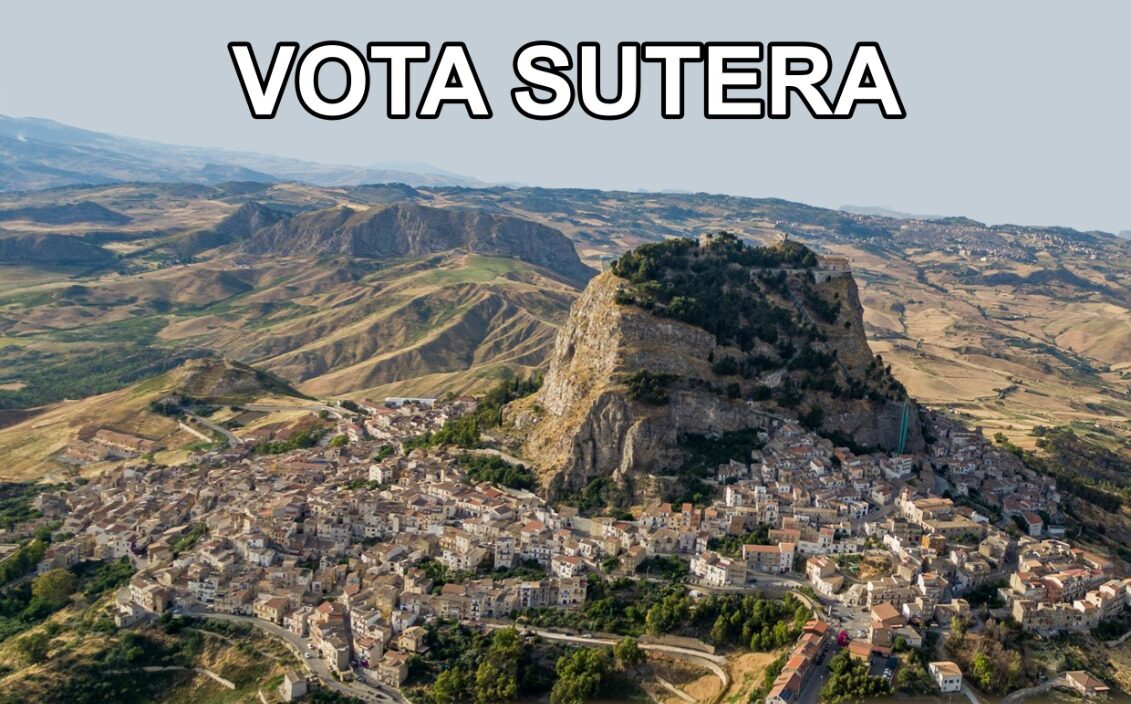 Sutera in finale per il Borgo dei Borghi, ecco come votare15 marzo 2022
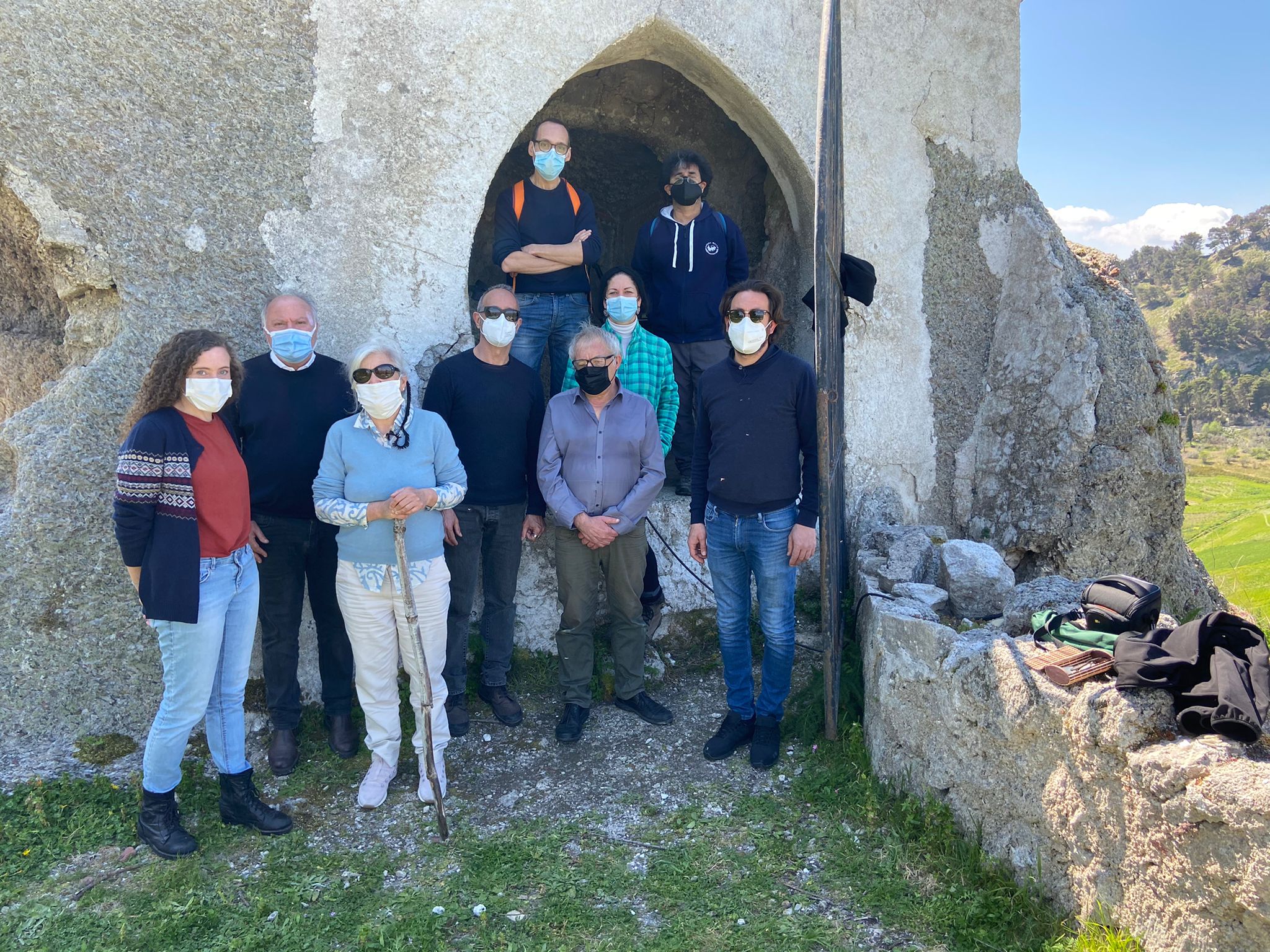 Le Vie del Gesso, prende corpo il progetto del Comune di Sutera23 dicembre 2021
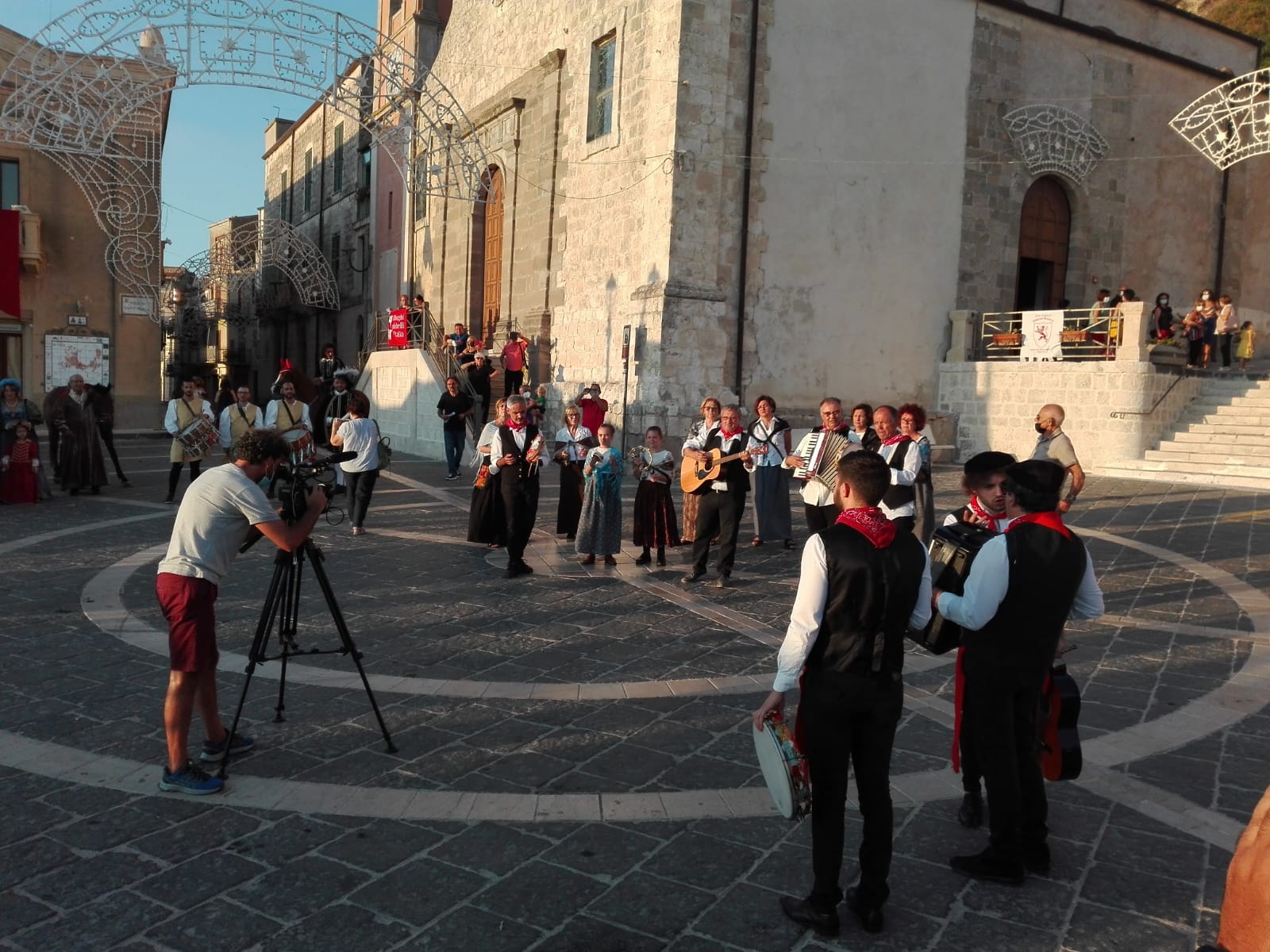 Sutera rappresenterà la Sicilia in nuova edizione ‘Borgo dei Borghi’31 agosto 2021
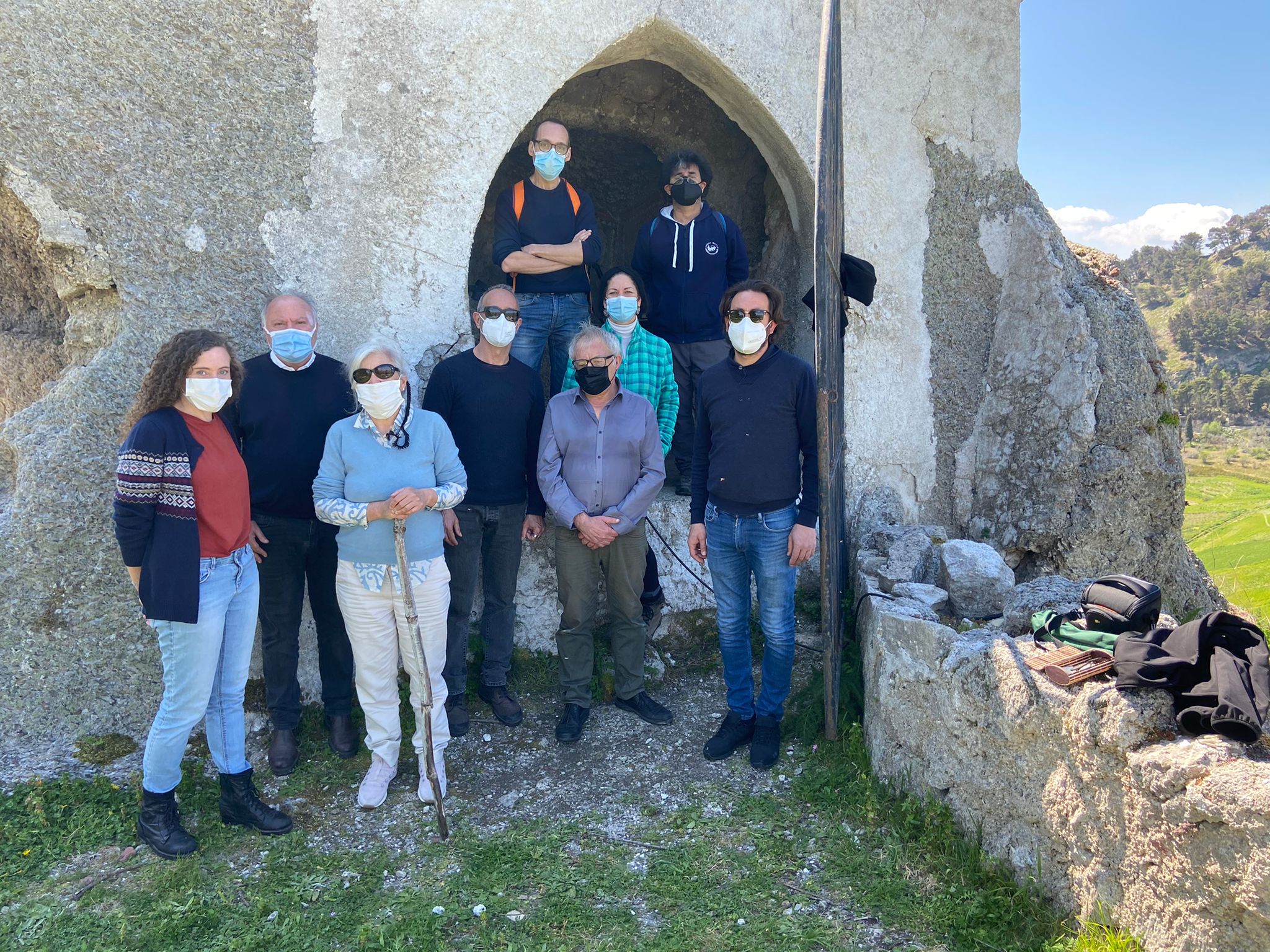 Intesa Sutera-Università Palermo per rilanciare sito archeologico09 aprile 2021
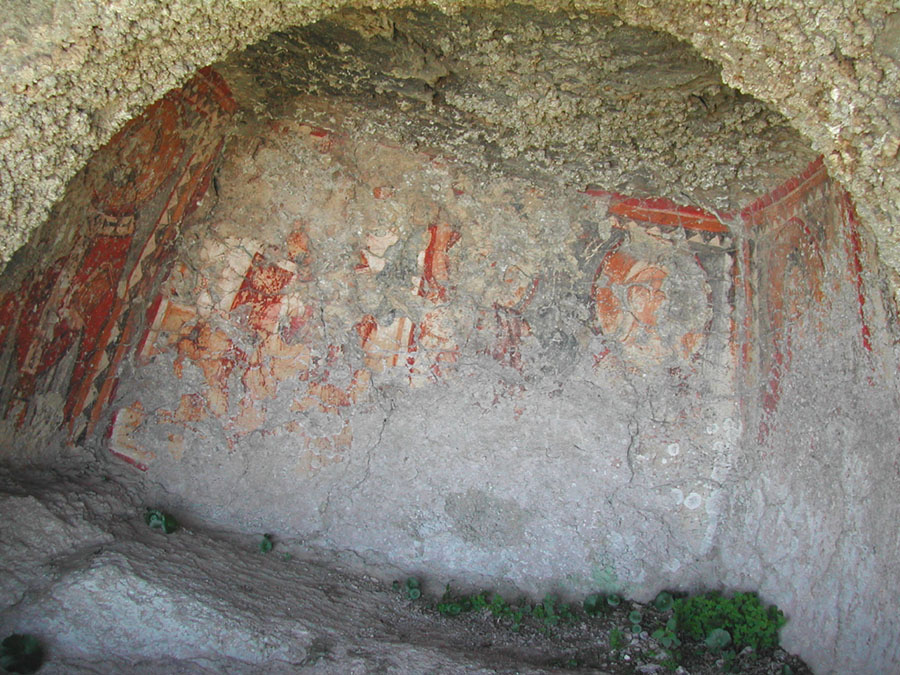 Al via i lavori di restauro della Cappella di San Marco a Sutera30 settembre 2020
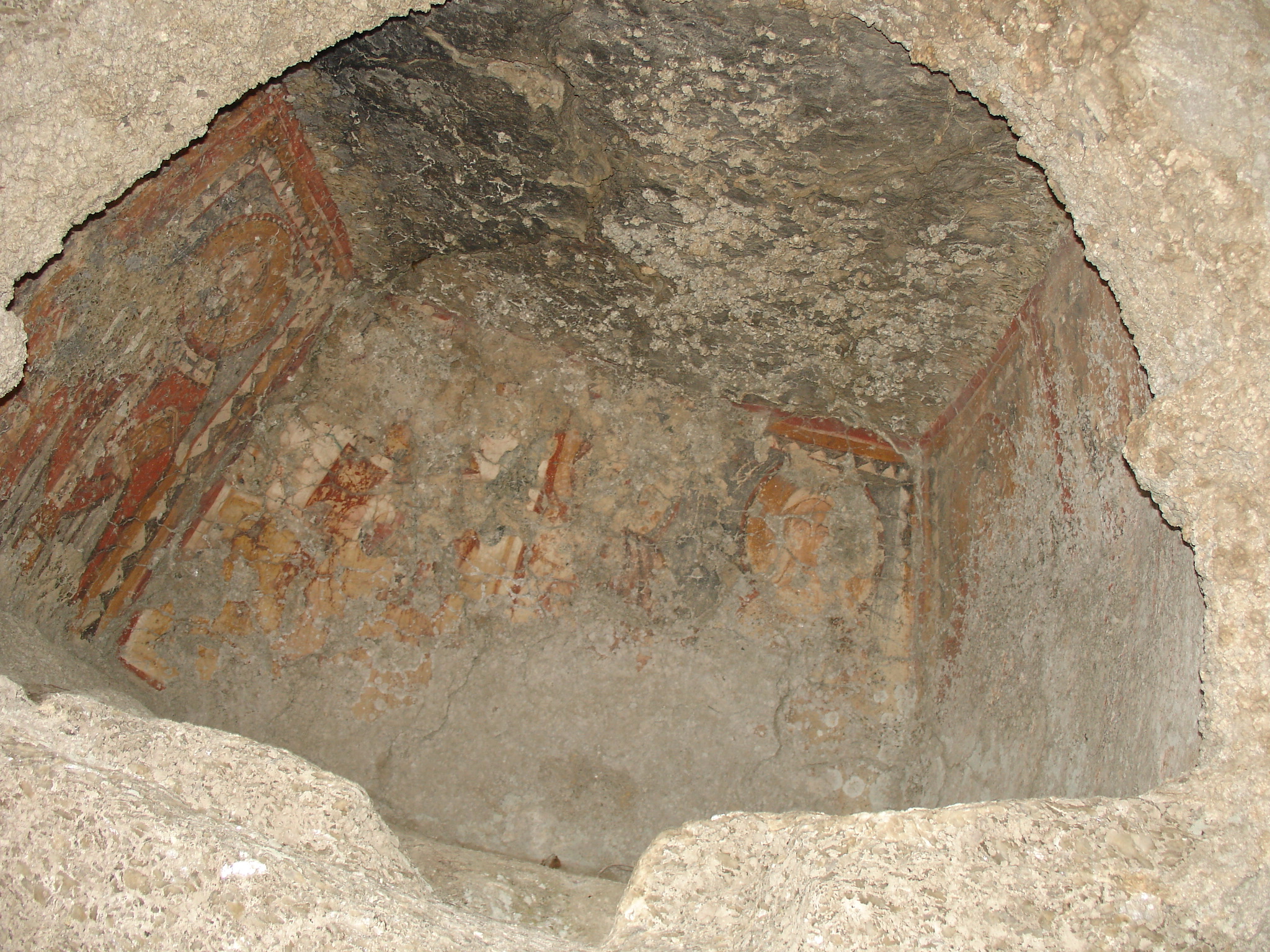 Sutera guarda al turismo archeologico con la valorizzazione del Santuario Rupestre13 luglio 2020
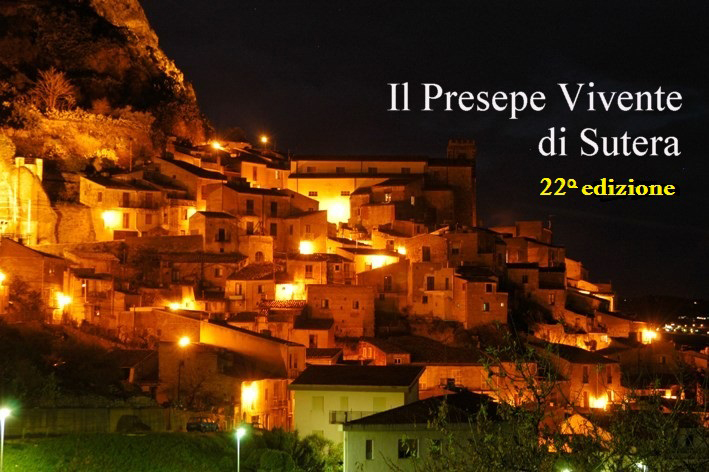 A Sutera il presepe vivente fa rivivere la civiltà contadina di inizio 90023 dicembre 2019
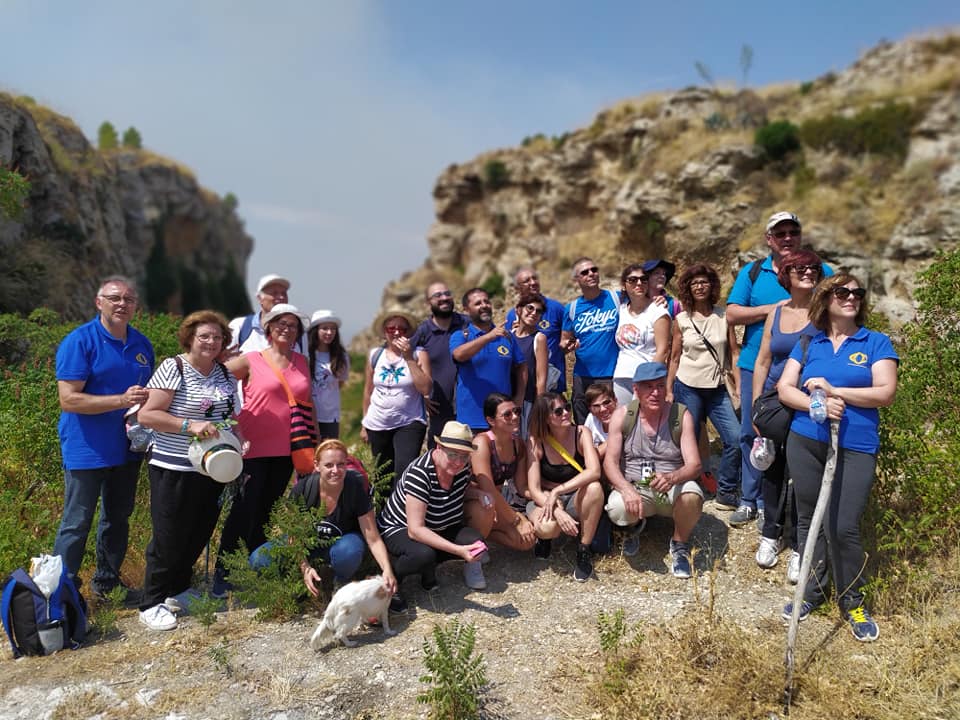 Parte da Sutera e Montedoro la rete per il turismo territoriale del nisseno26 agosto 2019
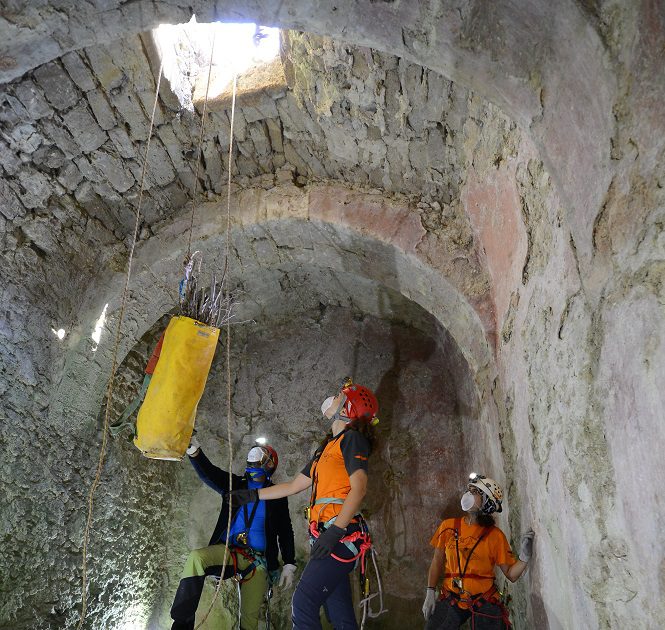 Ritrovamento archeologico a Sutera06 ottobre 2018
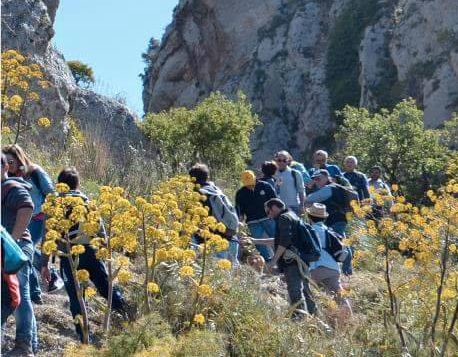 A Sutera escursione di primavera con uno sguardo alla cultura contadina27 aprile 2018


.png)