-Stemma-svg.png "Stemma di Nicosia")
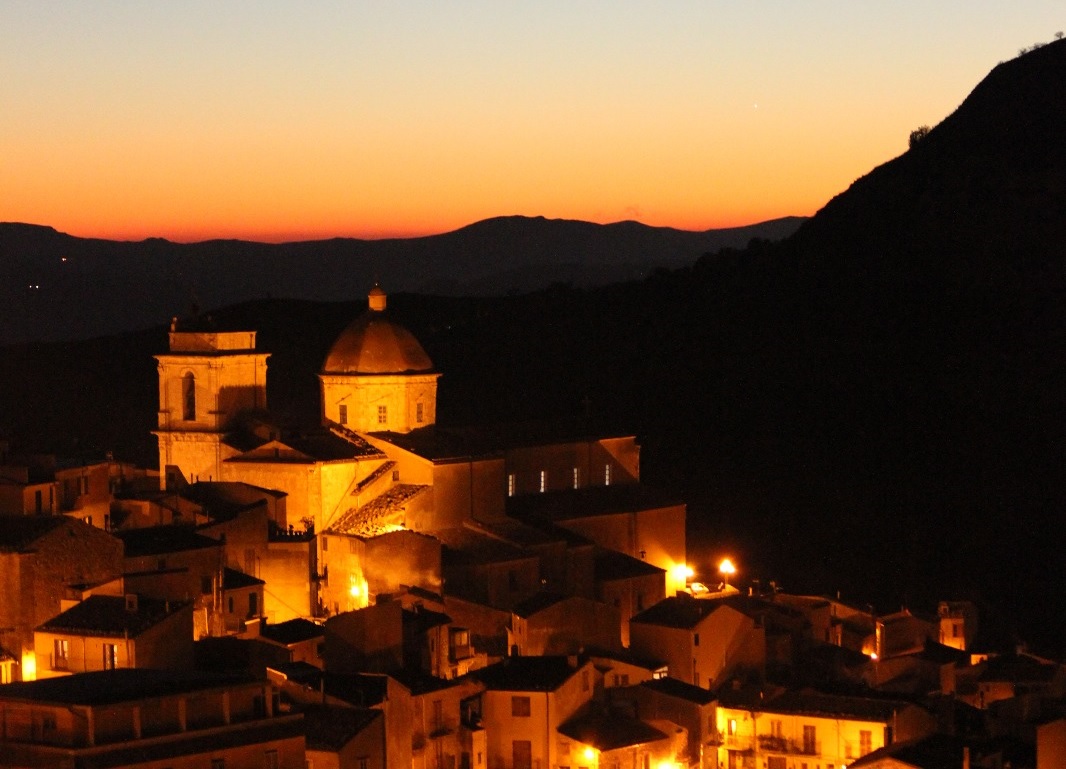
Located in the heart of Sicily, Nicosia combines history, culture, and nature in a charming and evocative setting. Part of the province of Enna, it extends across a hilly area at approximately 720 meters above sea level, offering spectacular views of the surrounding countryside.
Its name derives from San Nicolò (the patron saint) and it was founded in the Byzantine era around the 7th century. Roger repopulated Nicosia with Lombards, who gave the city a unique Gallo-Italic dialect, still spoken by adults today. Frederick II enriched the city's culture and art. Nicosia was a "state city" from the 12th century, possessing numerous fiefdoms and increasing its architectural and artistic heritage, which, through the Renaissance and Baroque periods, reaches up to the 19th century with the refined noble palaces of the "city of the 24 barons."
Among the most important religious buildings are the Cathedral of San Nicola, an imposing building with Gothic and Renaissance elements, and the Church of Santa Maria Maggiore, richly decorated and with works of art. Only ruins remain of the Norman castle, while the Norman bridge is in good condition.
Located not far from the Nebrodi Park, it offers access to a vast protected area rich in biodiversity, hiking trails, and pristine landscapes. It is one of the seven stops on the Cammino dei Briganti, a historical and naturalistic itinerary inspired by the phenomenon of post-unification brigandage that crosses the mountainous regions of the Sicilian hinterland, between the provinces of Messina, Enna, and Palermo, for over 100 km.
 Associazione: Anci Sicilia
→
Associazione: Anci Sicilia
→
 Gruppo di Azione Locale: GAL Madonie
→
Gruppo di Azione Locale: GAL Madonie
→
 Progetto: Eco Turismo In Comune
→
Progetto: Eco Turismo In Comune
→
The municipality of Nicosia, nestled in the heart of Sicily, is home to a vibrant and diverse local economy, characterized by businesses rooted in the region that combine tradition, craftsmanship, and a spirit of innovation. Among these, family farms stand out, growing grains, fruit, vegetables, and—not least—producing extra virgin olive oil and wine typical of the surrounding hills. These businesses, often passed down from generation to generation, promote an agriculture focused on quality, eco-sustainability, and the valorization of local products through low-impact cultivation methods and traditional harvesting practices. Numerous dairy and agri-food processing companies also produce DOP milk and cheeses, artisanal cured meats, and vegetable preserves according to traditional Sicilian recipes, infusing the area with a strong sense of gastronomic identity.
The artisanal sector plays an equally important role: historic ceramic, woodworking, and weaving workshops keep ancient skills alive and welcome visitors eager to discover ancestral techniques and authentic works, as well as contemporary design. These workshops, often promoted by young entrepreneurs, represent a blend of cultural heritage and modern sensibility, especially in the fields of furniture, objects, and artisanal fashion. Small construction and restoration businesses also operate in the city center and surrounding villages, dedicated to the preservation of historic structures and the restoration of ancient rural buildings, while respecting local building traditions.
In the service sector, Nicosia boasts a vibrant array of shops, bars, restaurants, and agritourism establishments offering genuine hospitality and local cuisine, with a family atmosphere and a direct relationship with customers. With the support of niche artisanal food products—such as sourdough bakeries and pastry shops offering traditional sweets—the commercial network is diverse and capable of meeting growing tourist demand. Tourism-related businesses, such as environmental guides, hiking operators, and information centers, are also active. Together, these businesses create a cohesive economic microcosm, based on informal collaboration, quality products, a sense of community, and a connection to the local area, making Nicosia a hub for sustainable local development.
The Nicosia area, with a population of approximately 12,594 in 2023, is a small place with a good gender distribution. Foreigners are present, with only 203 residents.
Regarding housing, there is a significant number of vacant homes compared to occupied ones, with a total of 9,772 units as of December 31, 2021. This could represent an opportunity for real estate investments, with the possibility of redeveloping empty homes and renting them out.
Regarding tourism, Nicosia has few accommodations, with only one 3-star hotel and a limited number of other non-hotel establishments such as agritourism and bed & breakfasts. However, the presence of a museum and the variety of altitudes, ranging from 300 to 1,199 meters, could attract tourists interested in nature and culture.
Healthcare infrastructure and cultural heritage are assets that could be leveraged to attract investment in the tourism and healthcare sectors. Furthermore, the presence of mountainous areas could offer opportunities for the development of outdoor tourism and wellness activities.
In conclusion, Nicosia presents itself as a region with development potential in various sectors, including real estate, tourism, and healthcare. Investors could find interesting business opportunities in a context characterized by a good quality of life and natural and cultural resources worthy of development.
Nicosia, a charming municipality located in the heart of Sicily, offers visitors a rich historical, cultural, and scenic heritage. Perched on a series of hills between the Nebrodi and Madonie mountains, the city stands out for its panoramic location and the medieval atmosphere that permeates the historic center. One of the main attractions is the majestic Cathedral of Saint Nicholas, an imposing building combining Gothic and Baroque elements, a symbol of faith and the city's identity. Strolling through the narrow, winding streets, you'll encounter numerous churches, noble palaces, and architectural structures that recount centuries of history, dominations, and artistic influences.
Also noteworthy is Nicosia Castle, now partly in ruins but still evocative, offering breathtaking views over the city's rooftops and the surrounding countryside. Along the way, you can admire picturesque views and vestiges of the ancient urban layout. The city is also home to civic museums and collections of sacred art, which preserve precious artifacts and works of art linked to local tradition. Nicosia also hosts numerous religious and popular festivals, including the historic Cavalcata di San Felice, an event that combines devotion, folklore, and entertainment in an authentic Sicilian setting.
Nicosia is also home to a wealth of opportunities to explore the surrounding nature: immersed in a green and pristine landscape, Nicosia is ideal for hiking, trekking, and nature tours. The area offers a variety of landscapes, from dense forests to pastures, making it perfect for nature lovers and photography enthusiasts. Visiting Nicosia means immersing yourself in an authentic corner of Sicily, where history, culture, and nature blend harmoniously.
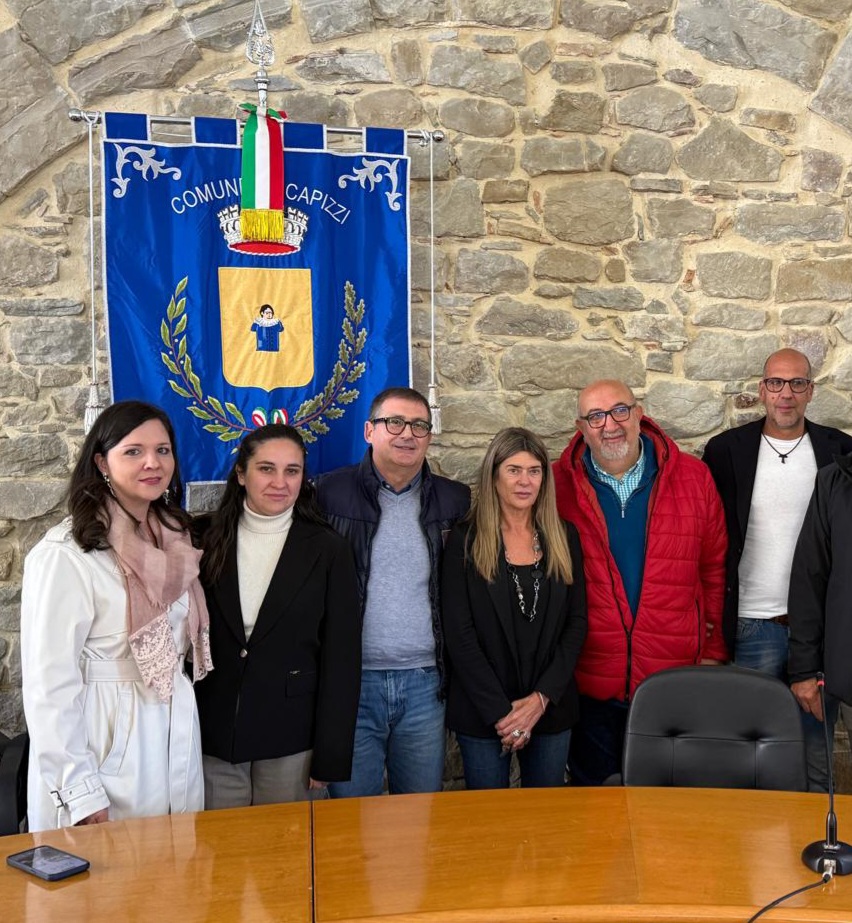 Il Cammino dei Briganti, quando la sinergia paga22 ottobre 2025
 Al via Le Notti di BCsicilia: 50 eventi per valorizzare il territorio22 luglio 2025
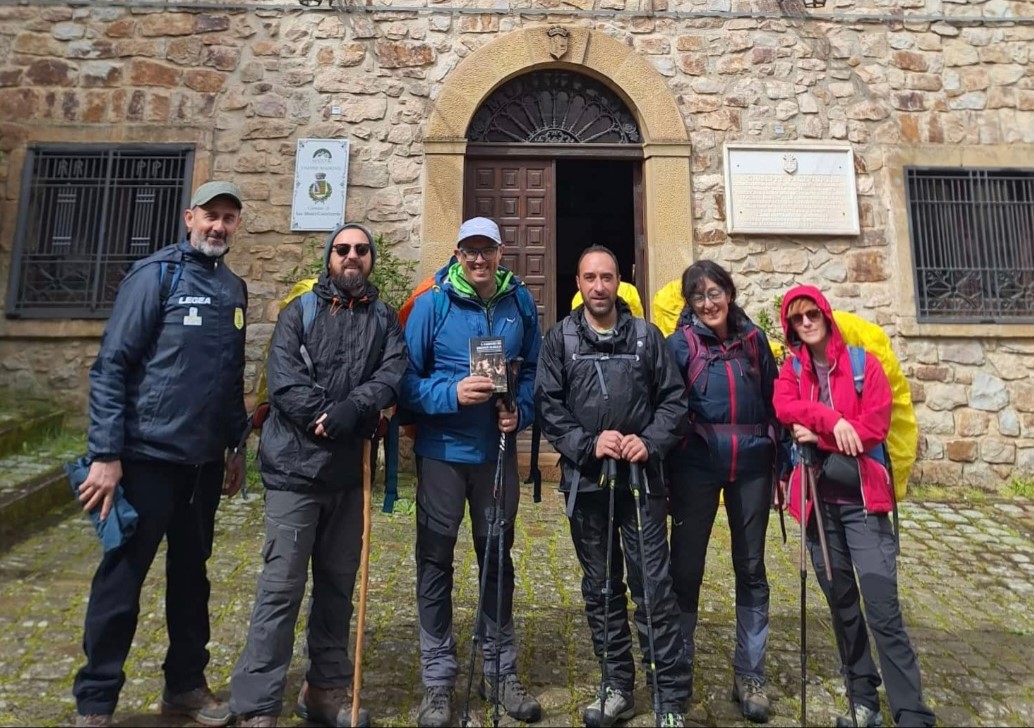 Sulle tracce dei briganti in Sicilia: il cammino al suo debutto25 marzo 2025
 Nicosia guarda al turismo esperienziale con percorsi naturalistici02 settembre 2019
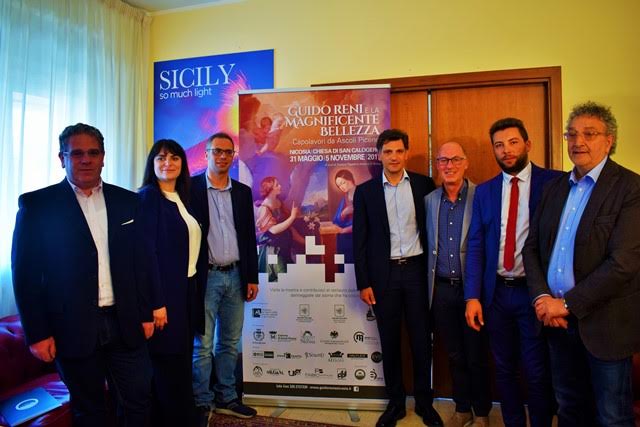 A Nicosia in mostra l’Annunciazione di Guido Reni 25 maggio 2017
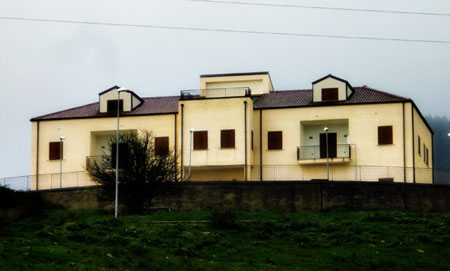 A Nicosia apre il museo della montagna siciliana09 gennaio 2016