Piazza Armerina is a municipality in the province of Enna, located in the heart of Sicily, with historical roots dating back to the Roman and Byzantine eras. The municipality's name recalls a tradition linked to nobility and chivalry, symbolized by the knights' weapons and armaments.
The historic center, with its narrow cobbled streets and ancient stone houses, exudes a charming atmosphere rich in history. Numerous noble palaces and baroque churches testify to Piazza Armerina's cultural and artistic importance throughout the centuries.
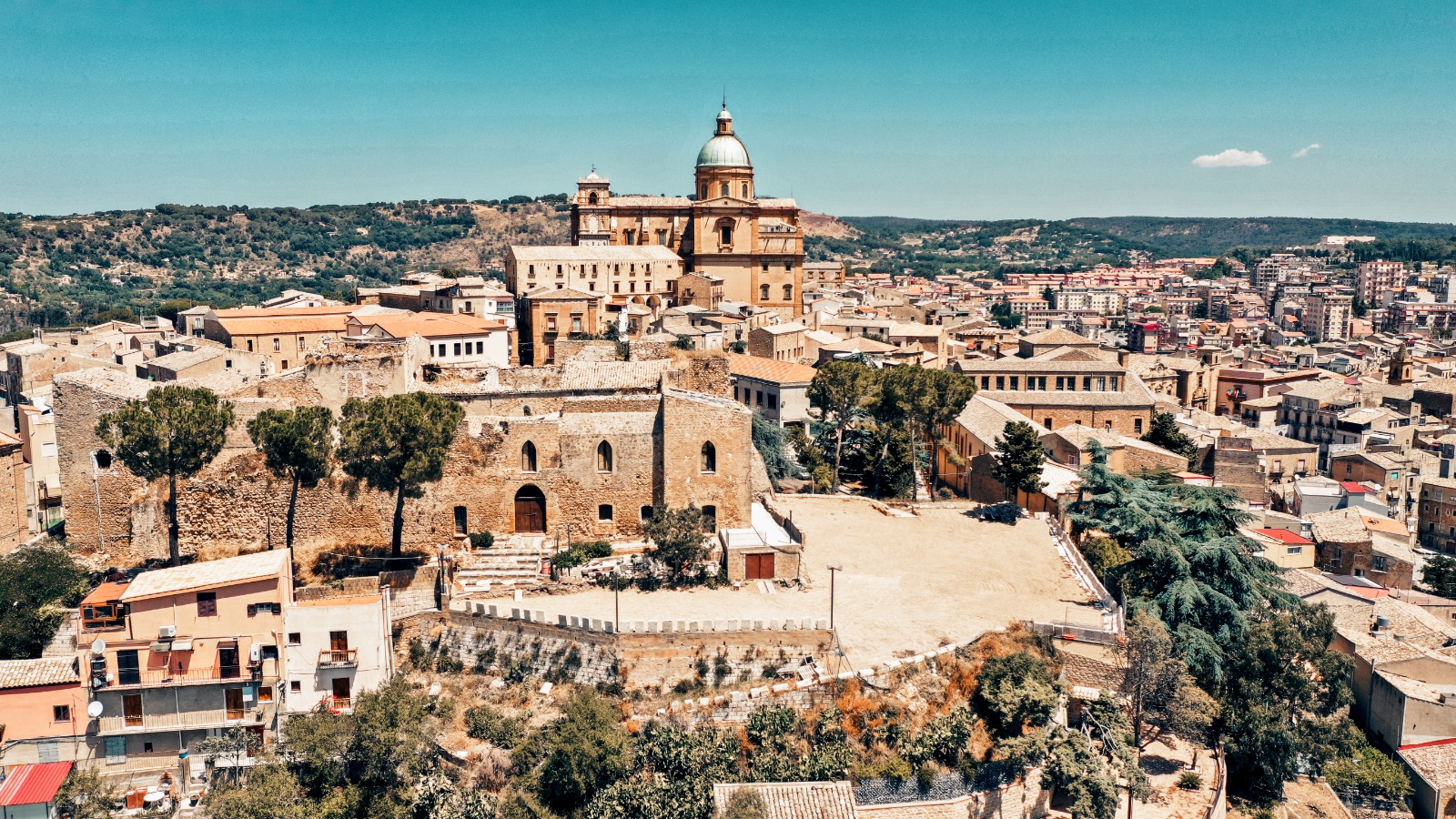
One of the municipality's most impressive symbols is the Aragonese Castle, built in the 15th century on a dominant position. This medieval fortress, with towers and crenellated walls, represents an important historical and architectural landmark, offering visitors the opportunity to admire breathtaking views of the city and the surrounding hills.
Local gastronomy is another of the municipality's strengths: cheeses, olive oil, and traditional sweets demonstrate the richness of Sicilian flavors and the importance of local products.
The surroundings of Piazza Armerina offer pristine natural landscapes, ideal for hiking, trekking, and outdoor activities. The surrounding hills, dotted with olive groves, vineyards, and cultivated fields, create an authentic rural atmosphere that complements the visitor experience.
The people are known for their hospitality and strong sense of cultural identity. Local festivals and fairs are unique opportunities to discover the traditions and life of the town.
Piazza Armerina is a place rich in history, culture, and tradition, offering an authentic and memorable experience. The town's unique charm, combined with the beauty of its landscapes and the prestige of the Aragonese Castle, make it an essential stop for those wishing to discover the authentic Sicily.
 Associazione: Anci Sicilia
→
Associazione: Anci Sicilia
→
 Consorzio: Castelli di Sicilia
→
Consorzio: Castelli di Sicilia
→
 Gruppo di Azione Locale: GAL Rocca di Cerere
→
Gruppo di Azione Locale: GAL Rocca di Cerere
→
Piazza Armerina's business landscape is characterized by a variety of local businesses that contribute to the city's economic vibrancy. Among the most significant are artisan workshops producing ceramics, textiles, and wooden objects, keeping alive ancient traditions and artisanal techniques passed down from generation to generation.
Commercial activities are deeply rooted in the urban fabric, offering a wide range of quality local products. Grocery stores, delicatessens, and wine shops offer typical Sicilian specialties, such as cheeses, cured meats, sweets, and fine wines, attracting both residents and tourists seeking authenticity and genuineness.
Farms are a cornerstone of the local economy, producing high-quality olives, citrus fruits, grains, and vegetables that are exported throughout the region. The presence of ancient farmhouses and wineries contributes to enhancing the area and promoting food and wine tourism.
The tourism sector is constantly growing, with numerous accommodations offering quality hospitality and services to visitors wishing to discover the beauty of Piazza Armerina and its surroundings. Hotels, bed and breakfasts, agritourisms, and vacation homes welcome tourists from around the world, offering them an authentic and unforgettable experience.
Restaurants are particularly appreciated for their traditional and authentic cuisine, which highlights local products and traditional Sicilian recipes. The town's restaurants, trattorias, and pizzerias offer typical dishes such as pasta alla Norma, caponata, cassata, and granita, which delight everyone who stops by.
Furthermore, service businesses, such as real estate agencies, professional firms, mechanics, and beauty salons, help meet the needs of the local community, offering expertise, professionalism, and reliability.
Piazza Armerina's local businesses represent an important economic and cultural driver for the city, contributing to its growth and sustainable development. Thanks to their variety and quality, they enhance the territory and promote its unique and authentic identity.
Piazza Armerina is a small-sized municipality with approximately 20,619 residents in 2023, evenly split between men and women. The territory covers 304.54 km², providing ample opportunities for development and investment. About 45% of the housing units are unoccupied, and the number of foreign residents is limited to 1,351.
Accommodation options include hotels of various categories, with a total of 355 beds and 160 rooms, as well as agriturismi, bed & breakfasts, and holiday homes offering a total of 968 beds. The town’s museum and cultural institutions attracted 77,721 visitors in 2020, highlighting its cultural appeal.
The geographical features, with elevations ranging from 300 to 899 meters, create a varied and scenic landscape ideal for tourism and wellness activities. Essential services and healthcare facilities ensure a high quality of life for both residents and investors.
The most promising sectors for growth include tourism, real estate, and commerce. Piazza Armerina combines natural and cultural resources with adequate infrastructure, making it an attractive destination for targeted and sustainable investments.
Piazza Armerina offers long-term growth and development opportunities in the tourism, real estate, healthcare, and commercial sectors, thanks to its strategic location, cultural and natural heritage, and supporting infrastructure.
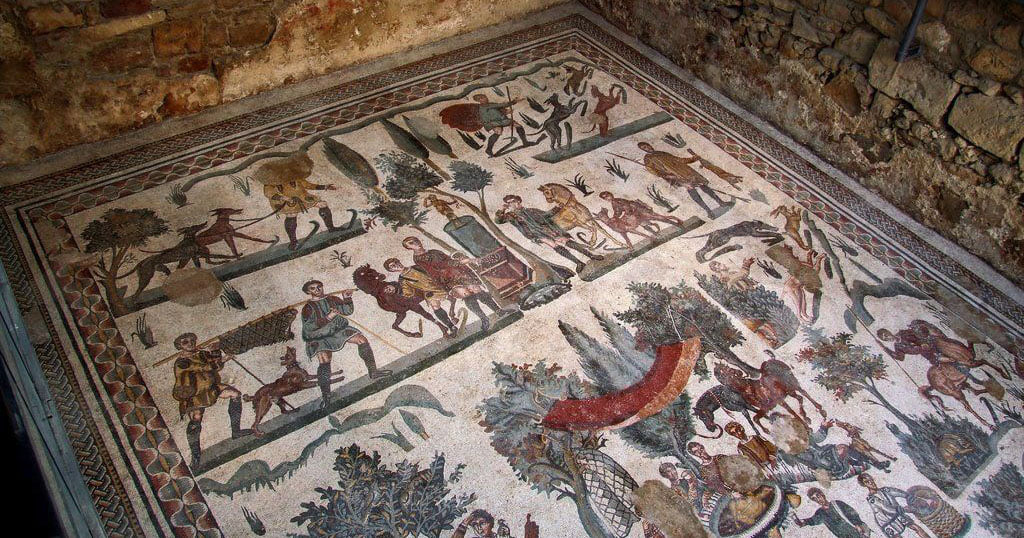
Piazza Armerina is a city rich in history and culture, located in the heart of Sicily. Among its most famous attractions is the Villa Romana del Casale, an archaeological site of extraordinary value that houses a unique complex of Roman mosaics from the 4th century AD. These mosaics, among the best preserved in the world, depict hunting scenes, circus games, and mythological episodes, offering a fascinating journey into ancient Roman life.
In addition to the Villa Romana del Casale, Piazza Armerina is home to the Cathedral of Maria Santissima delle Vittorie, a Sicilian Baroque masterpiece built in the 18th century. Its majestic façade and interior decorated with frescoes and stucco make the cathedral a focal point for the local community. It also houses the Diocesan Museum, which houses paintings, sculptures, and liturgical vestments of great artistic and historical value.
Nature lovers can explore the Monti Erei Regional Park, a protected area of over 6,000 hectares with trails for hiking, cycling, and horseback riding. The park, rich in oak, chestnut, and holm oak forests, is home to animal species such as the peregrine falcon, wild cat, and Sardinian deer, offering an immersive experience of the Sicilian natural landscape.
Among other main attractions, the Aragonese Castle dominates the city from above with its imposing medieval structure, while the Archaeological Museum displays artifacts from local excavations, offering insights into the region's millennia-old history.
The city is also famous for its culinary tradition: dishes such as pasta alla Norma, caponata, and Sicilian cannoli delight visitors with the authentic flavors of Sicily.
Piazza Armerina is a complete destination for those wishing to immerse themselves in the island's history, art, and nature, offering a unique blend of culture, spectacular landscapes, and gastronomic delights that leave a lasting impression on visitors.
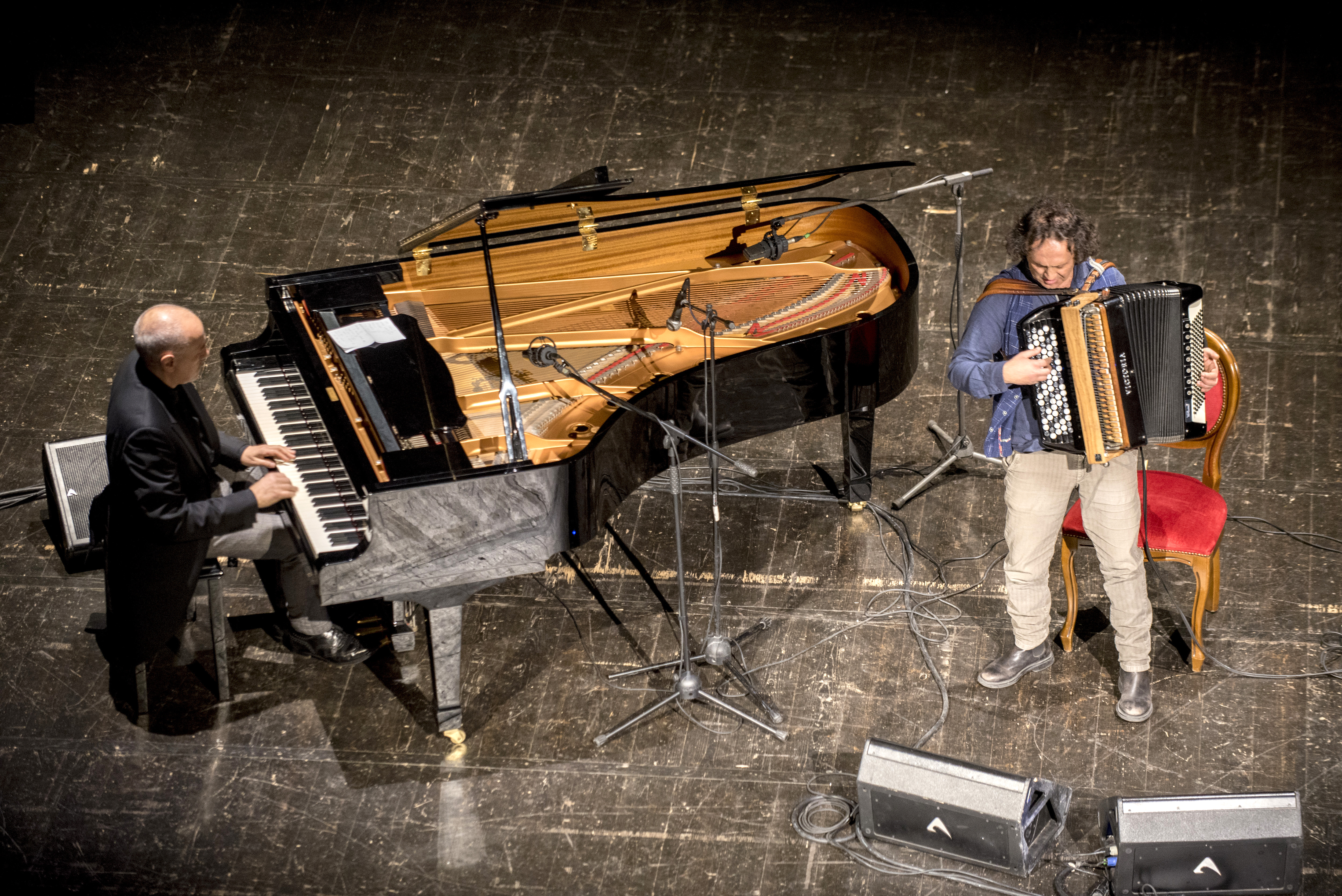 A Piazza Armerina torna il Between Music&Arts Festival 202629 giugno 2026
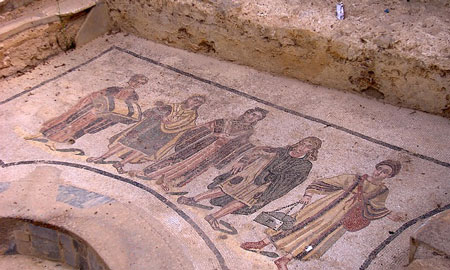 La Villa Romana diventa digital tra ticket online e ingressi smart23 giugno 2026
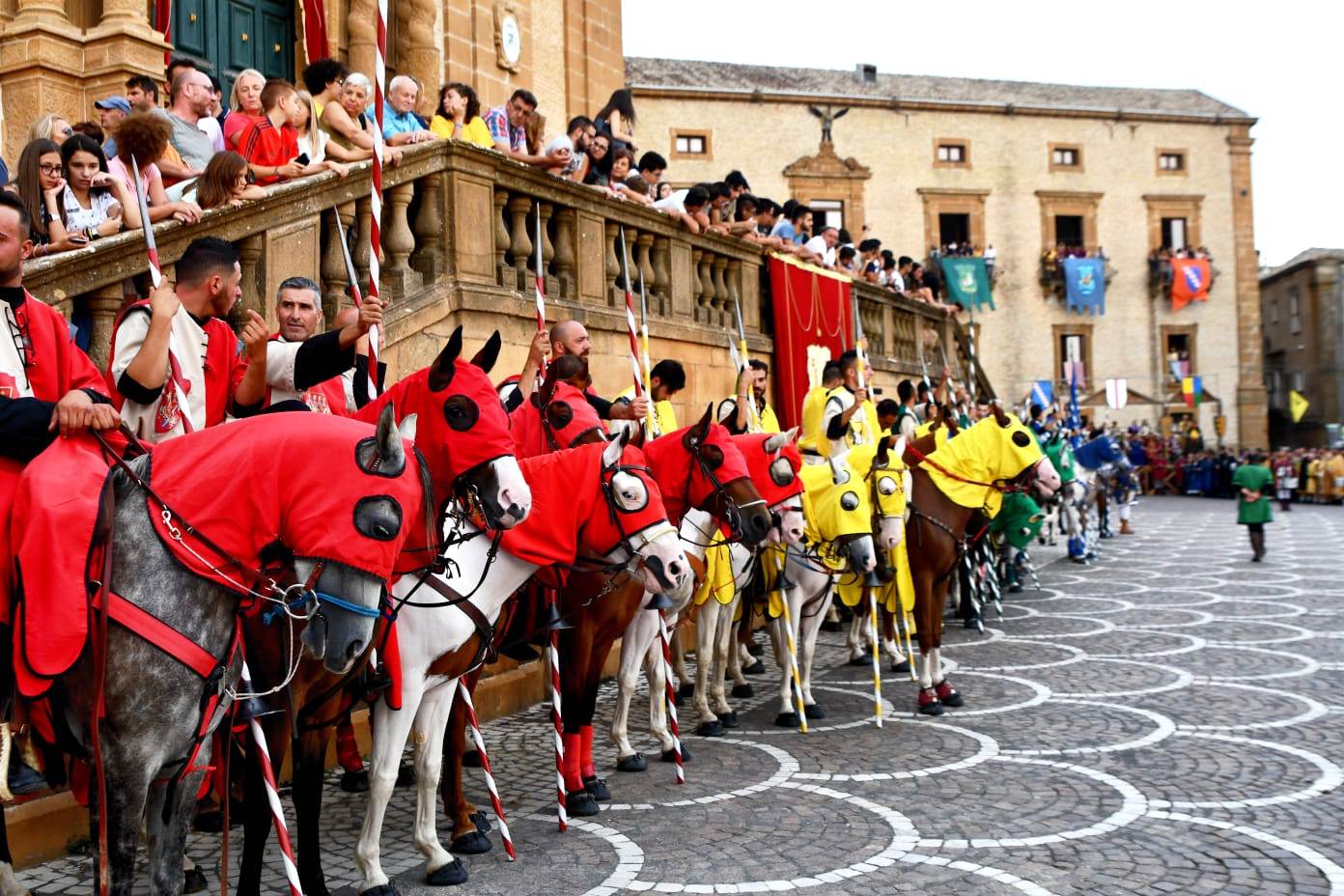 Piazza Armerina, bufera sul Palio dei Normanni08 aprile 2026
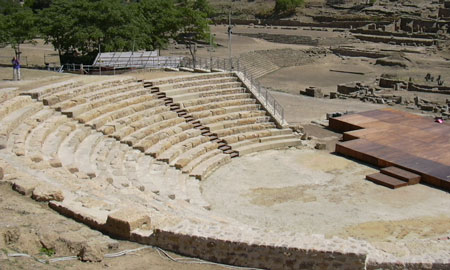 Morgantina e Villa Romana del Casale: gli eventi del 202609 marzo 2026
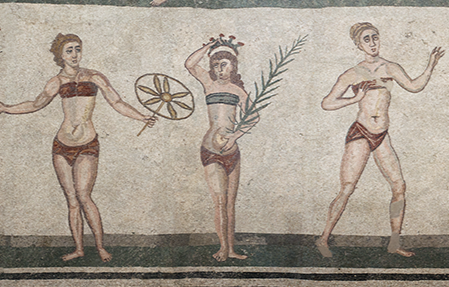 Dalla primavera tornano le visite serali alla Villa Romana del Casale12 gennaio 2026
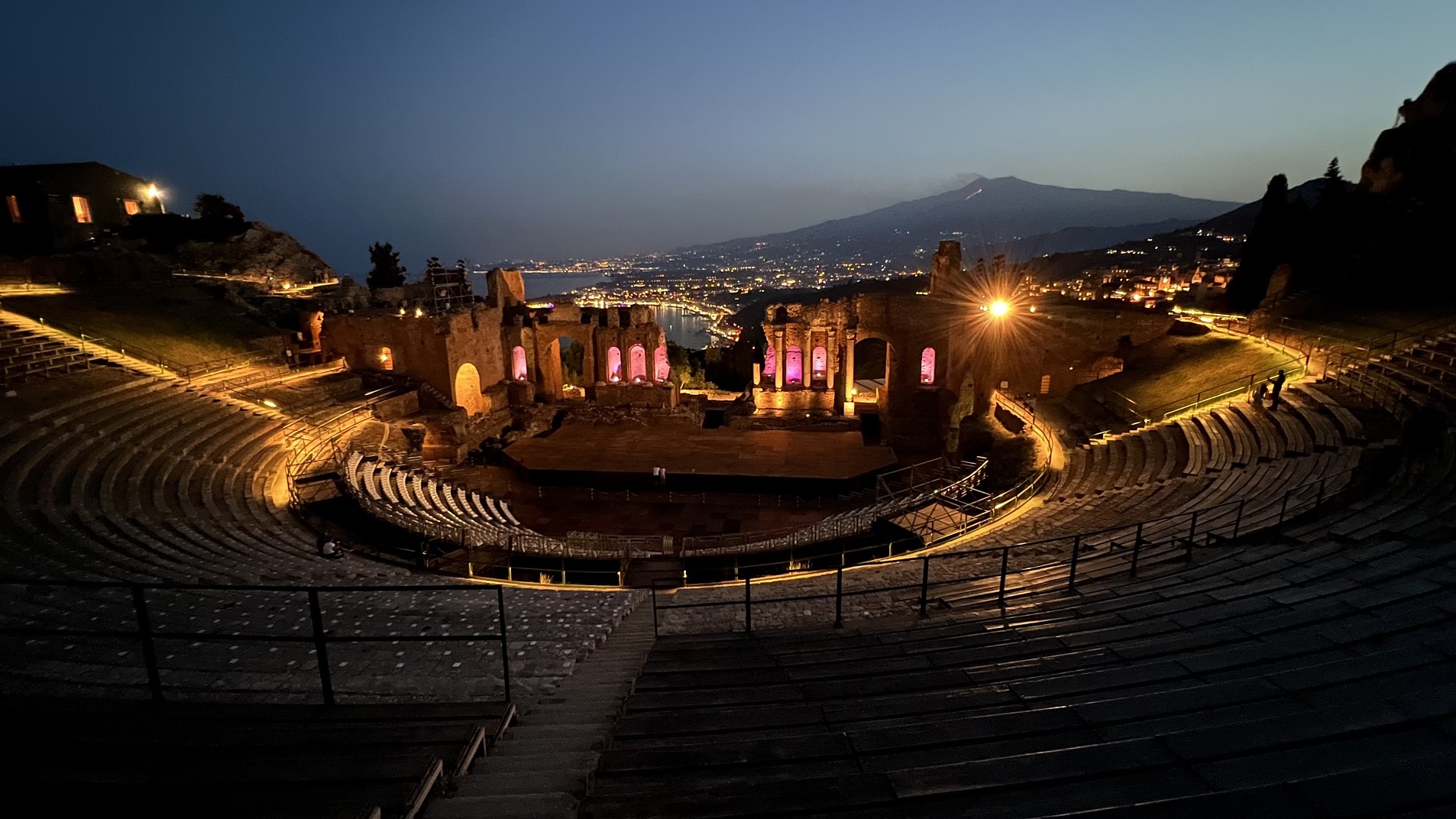 Templi e teatri: la classifica dei siti più visitati in Sicilia05 gennaio 2026
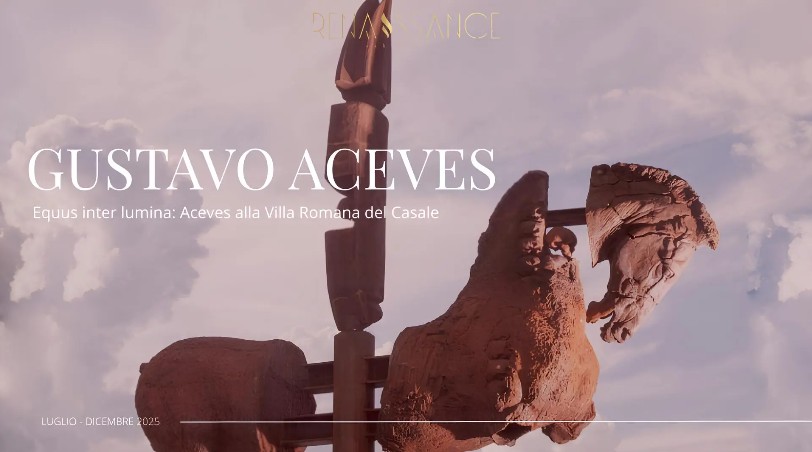 Mostra di Aceves traina presenze in 4 paesi dell’ennese19 settembre 2025
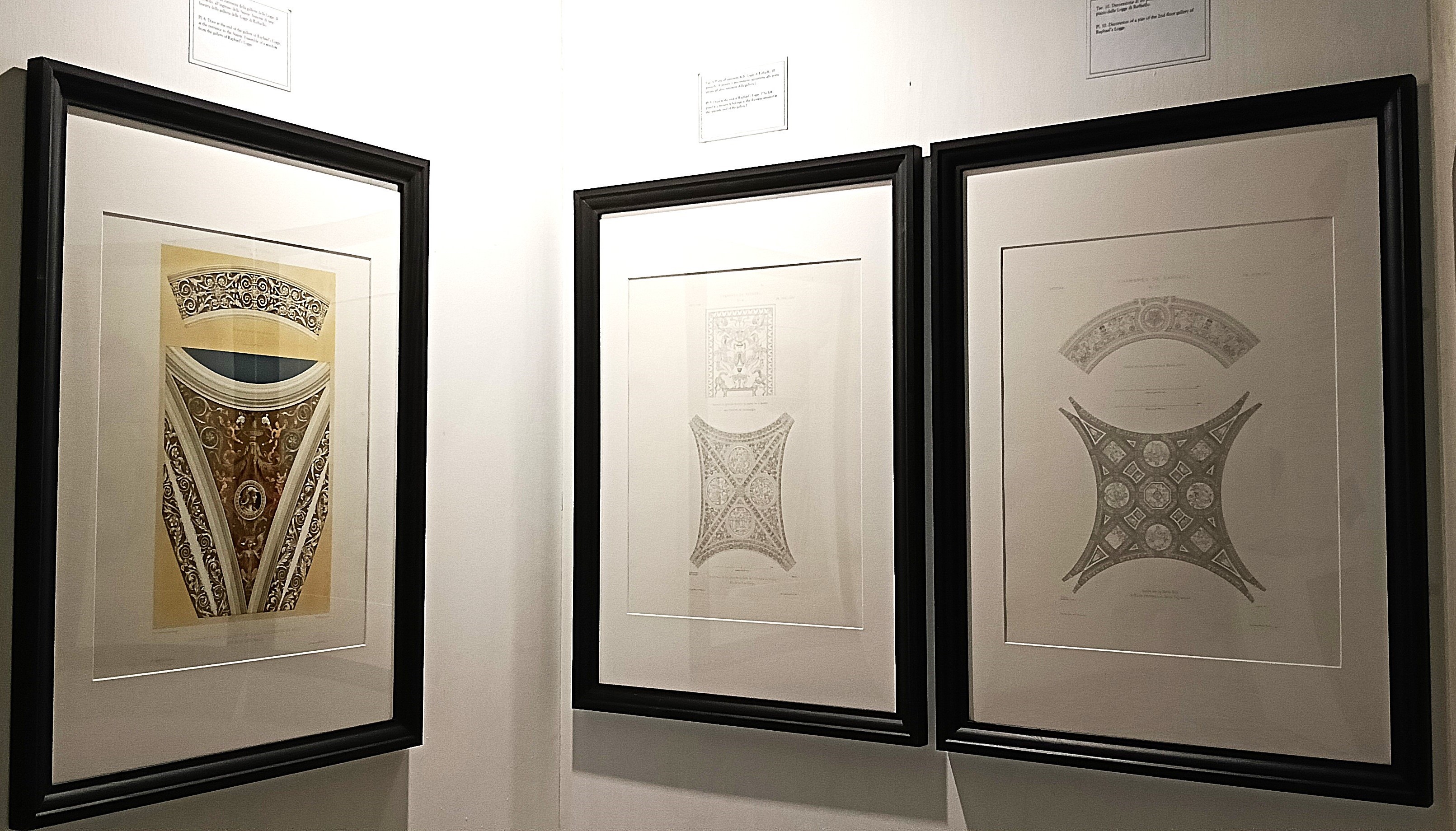 Non solo mosaici a Piazza Armerina, ecco la mostra su Raffaello17 settembre 2025
 Non solo mosaici, a Piazza Armerina tre giorni sull’enogastronomia02 luglio 2025
 Nell’ennese musei e siti chiusi nei festivi tranne Villa del Casale03 gennaio 2025