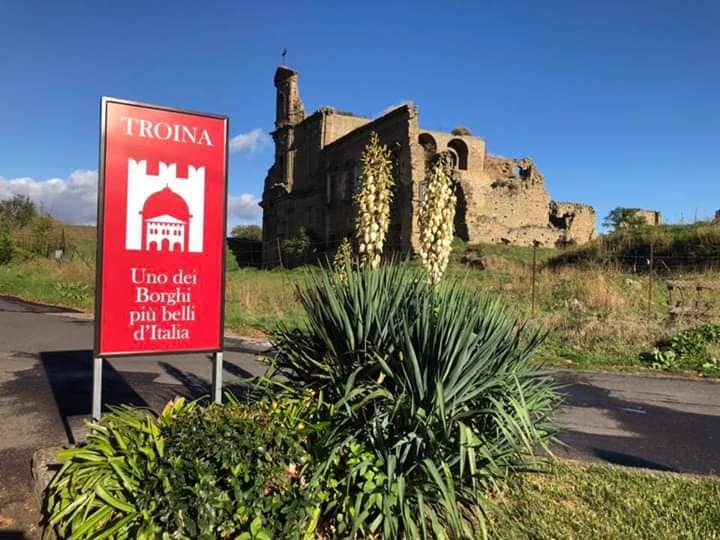
Troina is a mountain village in the Sicilian hinterland, located in the Nebrodi Mountains, at over 1,100 meters above sea level. The town stands out for its historical and scenic heritage and has been nominated to host the 2027 National Festival of the Most Beautiful Villages in Italy.
The settlement's origins date back to ancient times, but its period of greatest development occurred between the Byzantine, Arab, and Norman periods. In particular, Roger I of Hauteville chose Troina as a strategic base for his conquest of the island, contributing to the construction of religious and secular buildings and making it the first capital of the County of Sicily.
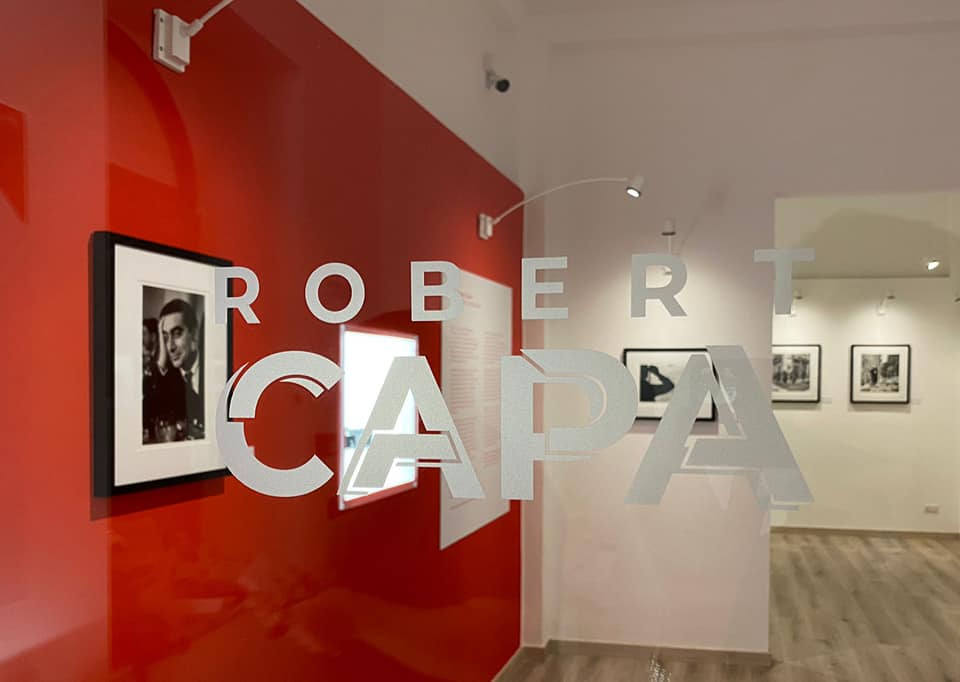
Among the main historical sites is the Cathedral of Maria Santissima Assunta, considered the first Norman cathedral built in Sicily. Also noteworthy is the Capitania Tower, part of the ancient defense system and now a venue for cultural activities and exhibitions. The historical heritage is complemented by the remains of the Hellenistic-Roman city and the remains of fortifications dating back to the 4th century BC, as well as numerous religious buildings from the medieval period.
Popular traditions are a significant element of the island's identity. Among the main events are the Festa dei Rami (Feast of the Branches) and the "Ddarata," which are accompanied by events related to oral culture, such as the "Intrallazzate," an expression of the local poetic tradition.
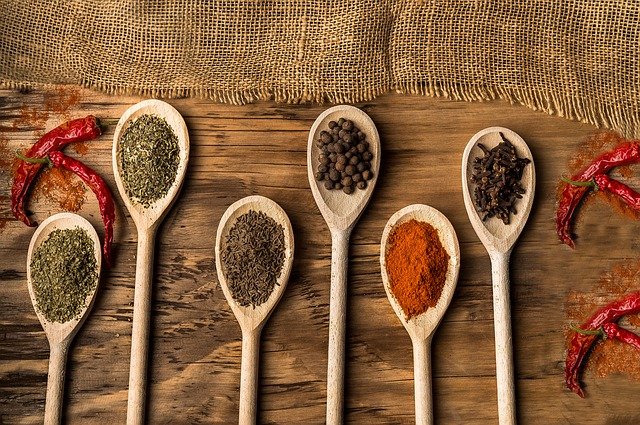
From a food and wine perspective, the area offers typical products linked to local traditions, including vastedda cu sammucu (a type of bread stuffed with sammucu) and traditional sweets such as 'nfasciatieddi, which testify to the continuity of the area's culinary practices.
The environmental context is characterized by high naturalistic value, as Troina is located within the Nebrodi Park. Nearby is Lake Sartori (or Lake Ancipa), the highest artificial lake on the island, nestled in a large wooded area and suitable for hiking.
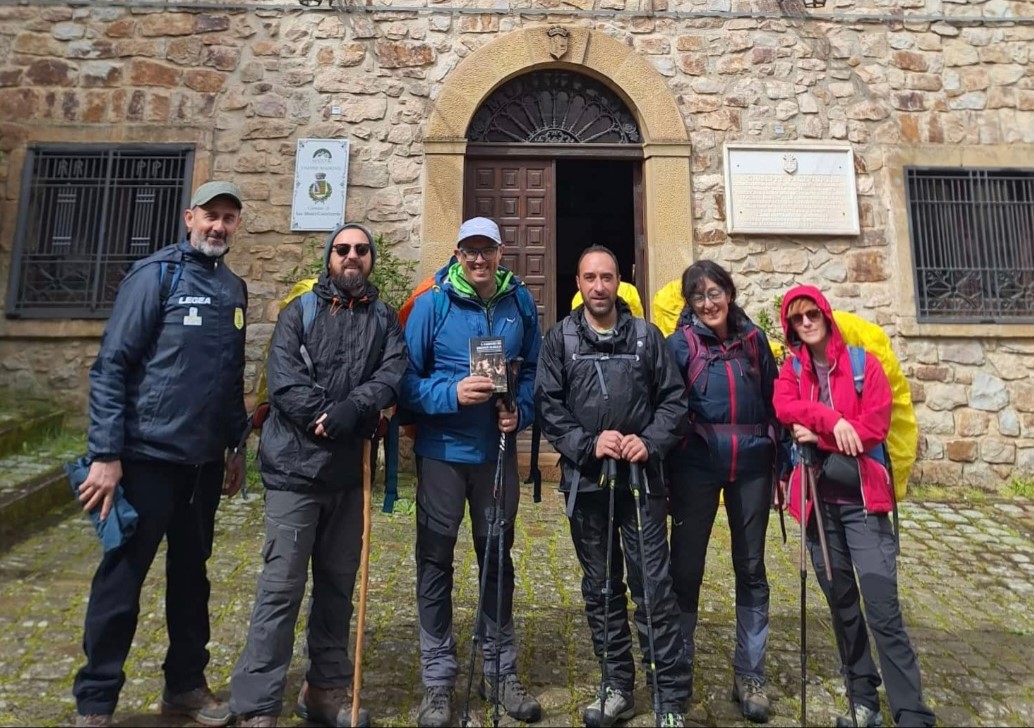
The area is also home to slow-mobility trails, including the Cammino dei Briganti (Brigands' Path), which passes through areas of scenic and historical interest.
In recent decades, Troina has also assumed a significant role in the social and healthcare sector thanks to the presence of the IRCCS Oasi Maria Santissima, a leading national institute for research and assistance in the field of cognitive disabilities.
Troina is therefore a center where historical heritage, traditions, environmental resources, and services are integrated, shaping a complex and recognizable local identity.
 Associazione: Anci Sicilia
→
Associazione: Anci Sicilia
→
 Associazione: Borghi più belli d'Italia
→
Associazione: Borghi più belli d'Italia
→
 Gruppo di Azione Locale: GAL Rocca di Cerere
→
Gruppo di Azione Locale: GAL Rocca di Cerere
→
 Progetto: Eco Turismo In Comune
→
Progetto: Eco Turismo In Comune
→
Troina, a small Sicilian gem with a vibrant heart, is home to an authentic and dynamic entrepreneurial community, combining tradition and innovation. Among the most representative businesses are family-run farms, which cultivate the land using sustainable and authentic methods. Centuries-old olive trees, vineyards, and organic and biodynamic vegetable gardens produce excellent products such as extra virgin olive oil and typical wines, prized for the purity and aroma of the Nebrodi. Many of these businesses offer firsthand experiences: tastings, guided tours, and workshops that allow visitors to experience local agricultural life.
Alongside agriculture, the historic center is home to master craftsmen who pass on ancient knowledge. Carpenters, ceramists, blacksmiths, and restorers create valuable objects—from decorated terracotta to carved wooden frames—helping to preserve the local material culture and give Troina's products their unique character.
There's no shortage of restaurants: family-run trattorias and agritourisms showcase local cuisine with locally sourced ingredients, from fresh cheeses and cured meats to homemade pasta, honey, jams, and recipes passed down through generations. Here, authentic hospitality combines with a direct relationship with producers, offering memorable culinary experiences.
New small digital businesses and services for residents—professional studios, consultancies, clothing boutiques, and specialized food stores—enrich the local economy, bringing modern skills and connections with external networks. Often run by young people, these businesses demonstrate that Troina is not only a guardian of the past, but also a living laboratory of sustainable innovation, capable of enhancing the local area through creativity, quality, and respect for its roots.
The Troina area, which covers 168.28 km² and will have a population of 8,405 in 2023, offers interesting investment opportunities in various sectors. The presence of 166 foreign residents signals a potential international market to be explored, while the 6,774 homes offer suitable spaces for real estate or tourism development.
In terms of tourism, Troina has a hotel with 76 rooms and 122 beds. The lack of facilities such as campsites or hostels represents an opportunity for new investments, while the seven existing bed and breakfasts could be expanded or upgraded to attract more visitors. The geographical characteristics of the area, with altitudes ranging from 300 to 899 meters, favor the development of nature tourism and agritourism activities. The two agritourism facilities present could be enhanced to offer authentic and immersive experiences.
From an economic standpoint, Troina shows potential in the real estate, tourism, and agriculture sectors. Local museums and cultural institutions can be leveraged to promote the area's historical and artistic heritage. In short, Troina is a region rich in opportunities, ideal for investors interested in leveraging the area's natural, cultural, and economic resources.
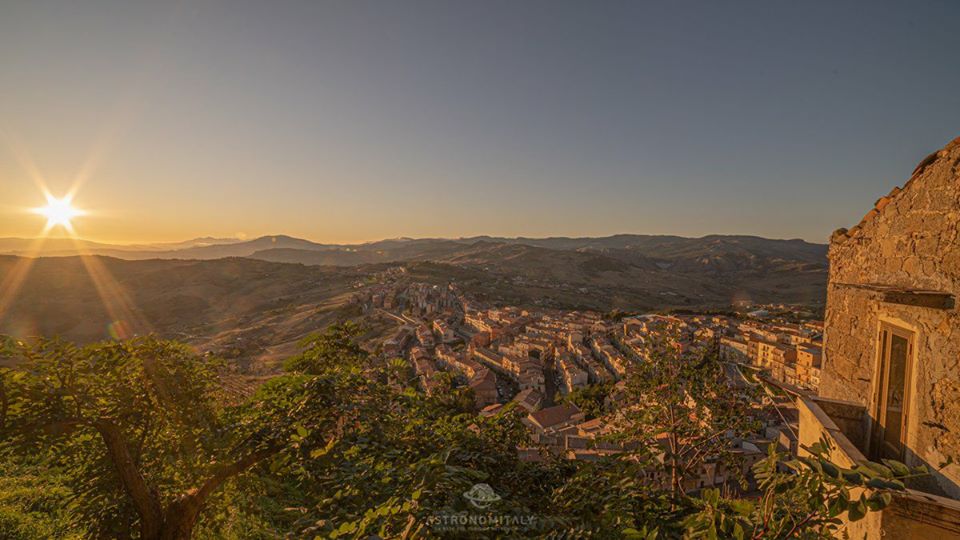
Troina, a charming medieval village in the heart of Sicily, is an ideal destination for those wishing to explore a historical, cultural, and natural heritage of extraordinary beauty. Situated on a hilltop in the Nebrodi Mountains, the town offers spectacular views and an authentic atmosphere that reflects centuries of history.
Among its main attractions is the Cathedral of Maria Santissima Assunta, an imposing Norman building that dominates the historic center with its majesty. Strolling through the cobbled streets, you'll encounter baroque churches, ancient stone houses, and evocative views that evoke a past rich in tradition.
The Norman Castle is one of the village's iconic landmarks: from its ruins, you can enjoy a sweeping view of the surrounding valley, a testament to Troina's strategic role in the Middle Ages, especially during Norman rule. Nature lovers can explore numerous trails in the Nebrodi Park, among woods, lakes, and wildlife, perfect for trekking, hiking, and birdwatching.
Troina is also renowned for its folk traditions and the religious events that enliven the town throughout the year, such as the celebrations dedicated to San Silvestro, the town's patron saint, where faith, folklore, and local gastronomy blend into a unique experience. The splendidly preserved historic center invites you on a journey back in time, amid artisan workshops and bustling squares. Visiting Troina means immersing yourself in an authentic experience, amidst art, history, and nature, far from the more crowded tourist destinations yet just as fascinating.
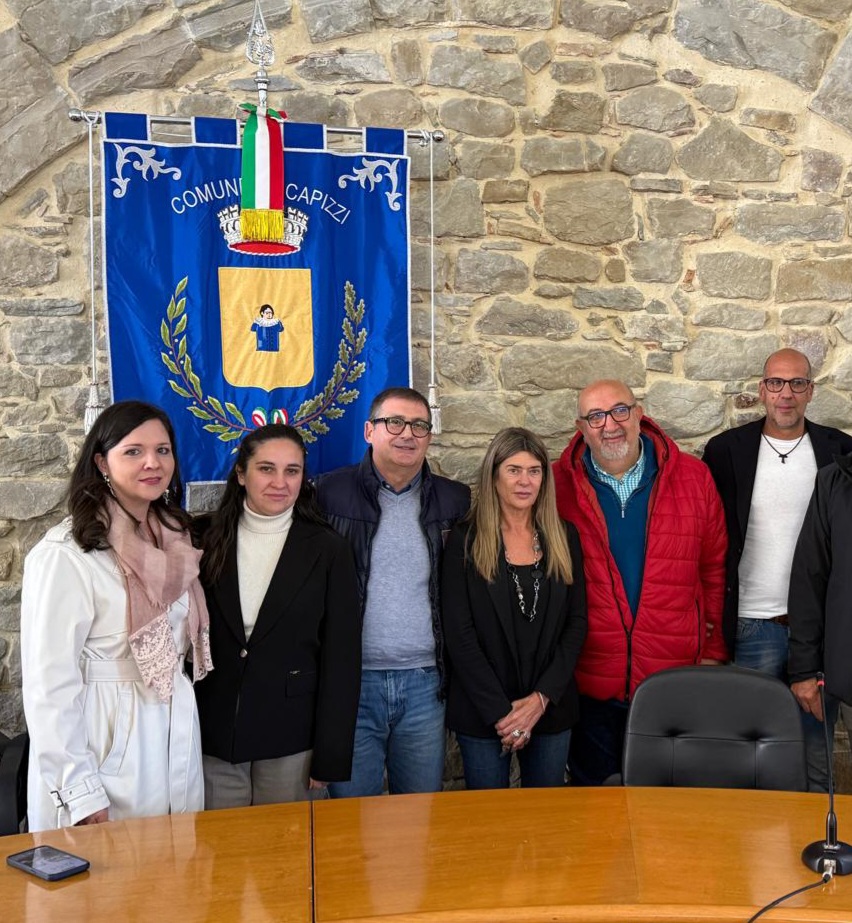 Il Cammino dei Briganti, quando la sinergia paga22 ottobre 2025
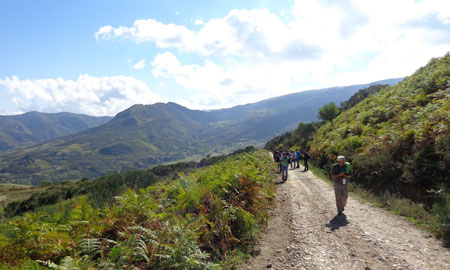 Cammina natura: un weekend di escursioni guidate in tutta la Sicilia16 ottobre 2025
 Sulle tracce dei briganti in Sicilia: il cammino al suo debutto25 marzo 2025
 Troina meta turismo fotografico con il Museo Robert Capa04 ottobre 2021
 Troina, arrivano 3 milioni per realizzare il parco avventura07 aprile 2021
 Nasce scuola di alta formazione sul turismo enogastronomico23 dicembre 2020Troina, ok ai fondi per il percorso naturalistico di Monte Muganà05 dicembre 2020
 Troina apre al turismo di genere08 settembre 2020
 I Borghi più belli della Sicilia si riuniscono a Troina12 dicembre 2019
 Astroturismo: Troina primo borgo in Sicilia a ottenere certificazione21 novembre 2019