Situata sulla costa sud-orientale della Sicilia, Siracusa è una città che fonde armoniosamente storia millenaria, bellezze naturali e vivacità culturale. Fondata nell’VIII secolo a.C. dai coloni greci provenienti da Corinto, Siracusa fu una delle più potenti e influenti città del mondo antico, rivaleggiando persino con Atene. Il suo passato glorioso è ancora oggi visibile nei numerosi monumenti archeologici e nei quartieri storici che raccontano il susseguirsi di civiltà, dominazioni e culture.
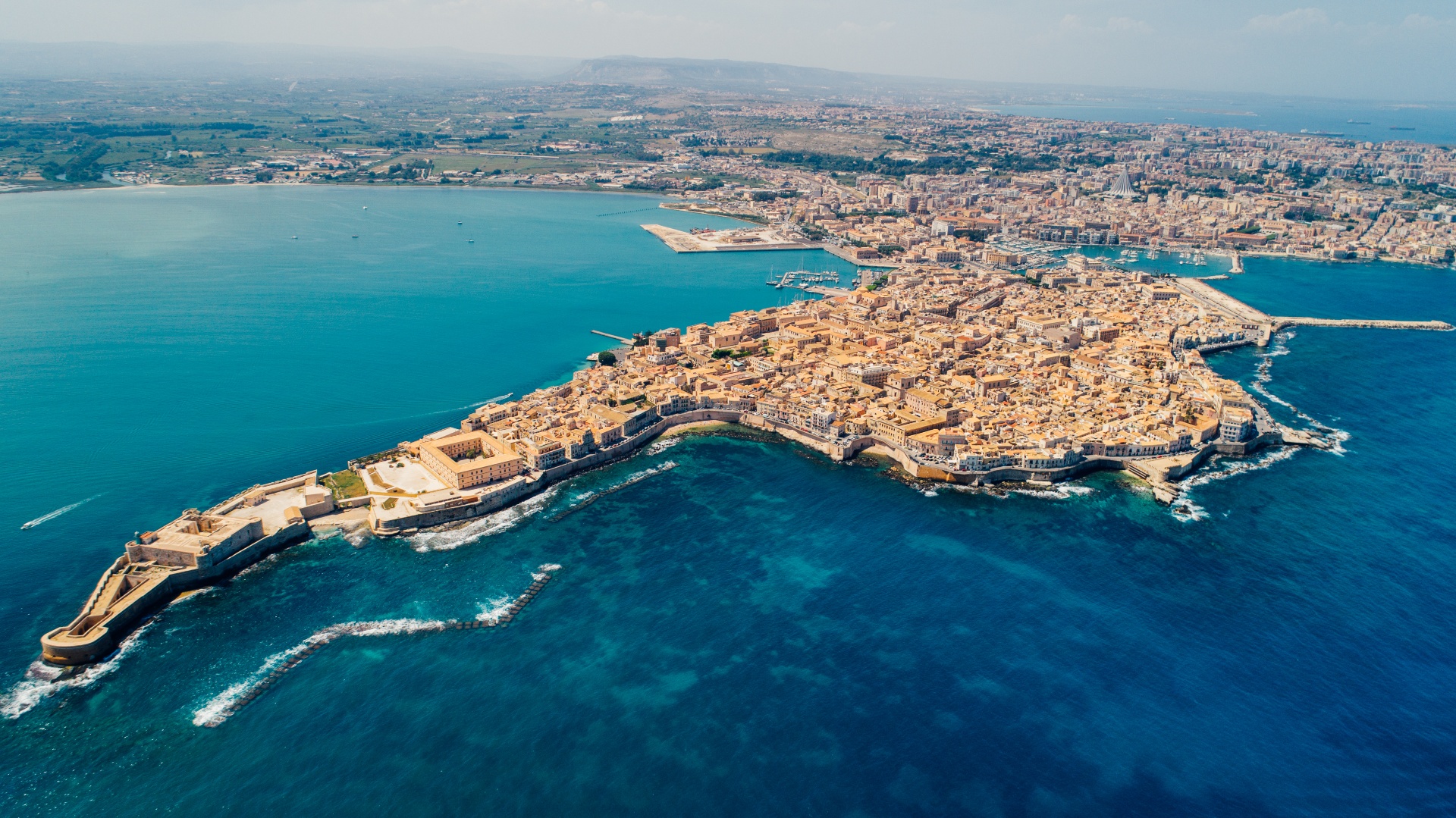
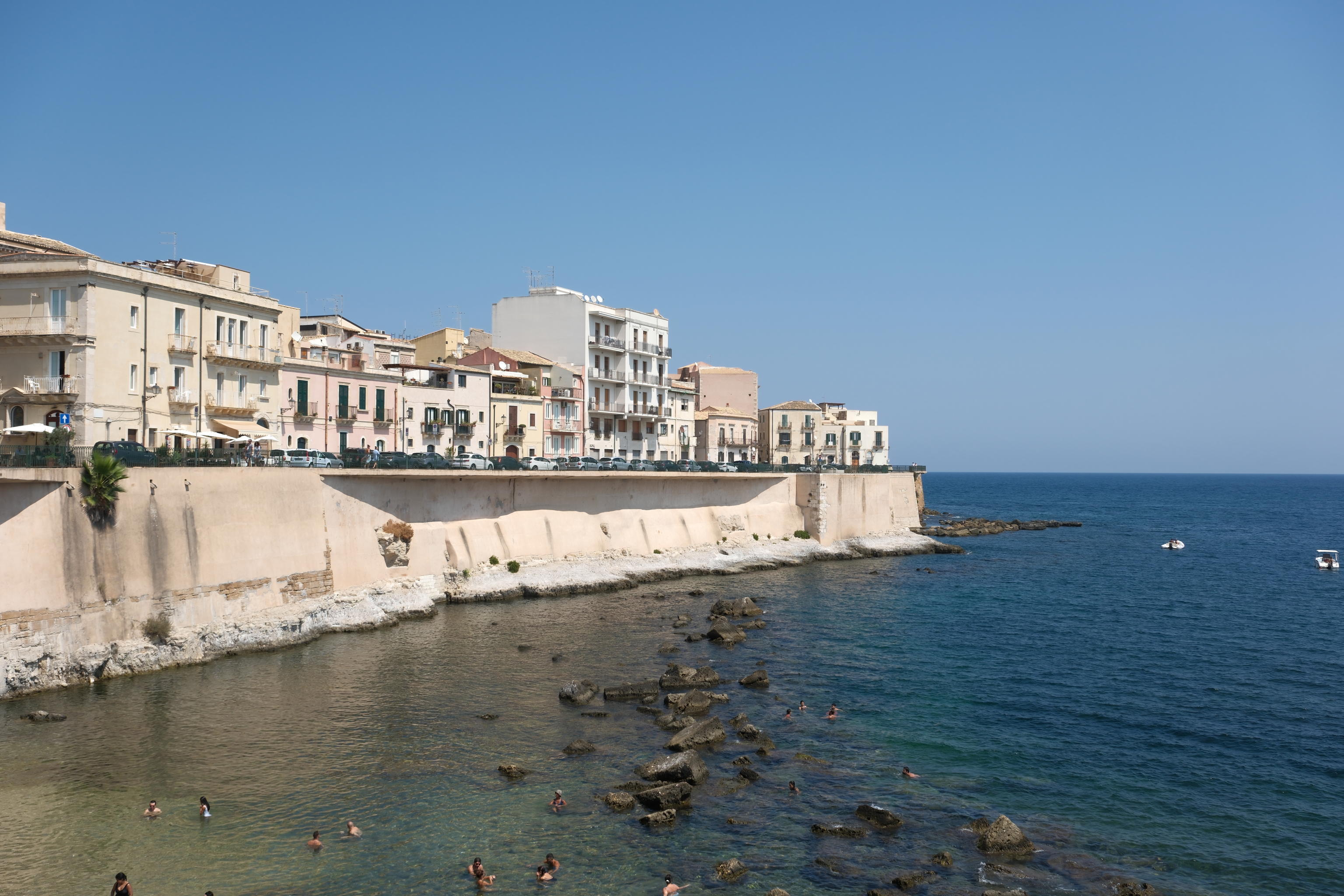
Il nucleo originario della città si trova sull’isola di Ortigia, collegata alla terraferma da due ponti. Questo quartiere, dal fascino unico, custodisce un intreccio di vicoli, palazzi barocchi, piazze eleganti e monumenti straordinari. Tra i luoghi più significativi spicca il Duomo, costruito sul tempio dorico dedicato ad Atena, di cui sono ancora visibili le antiche colonne incorporate nella struttura cristiana. Ortigia è anche sede della Fonte Aretusa, legata alla mitologia greca, e del Castello Maniace, fortificazione sveva affacciata sul mare.
Nella parte continentale della città si trova il Parco Archeologico della Neapolis, uno dei più importanti della Sicilia. Qui si possono ammirare l’imponente Teatro Greco, ancora oggi utilizzato per rappresentazioni classiche, l’Anfiteatro Romano, l’Orecchio di Dionisio — una suggestiva grotta artificiale dalla straordinaria acustica — e l’Altare di Ierone II, testimonianza del fervore religioso della Siracusa antica. L’intero complesso è immerso in un contesto naturale di grande suggestione, dove storia e paesaggio si fondono armoniosamente.
Nel corso dei secoli, Siracusa ha visto alternarsi numerosi dominatori: Romani, Bizantini, Arabi, Normanni, Svevi, Angioini, Aragonesi e infine i Borbone, ognuno dei quali ha lasciato un’impronta tangibile sul tessuto urbano e culturale della città. Questa stratificazione si riflette anche nell’architettura: dallo stile greco e romano all’opulenza del barocco siciliano, visibile soprattutto nei palazzi del centro storico e nelle numerose chiese riccamente decorate.
Oggi Siracusa è un centro vivace, dove la tradizione si mescola con la modernità. Il suo patrimonio storico-artistico, unito alla bellezza del paesaggio marino e alla qualità della vita, la rende una meta ambita sia per i turisti sia per chi desidera riscoprire l’autenticità della Sicilia. Le coste offrono spiagge suggestive, calette nascoste e un mare cristallino, mentre l’entroterra custodisce borghi, agriturismi e riserve naturali.
Nel 2005, la città e l’isola di Ortigia sono state dichiarate Patrimonio dell’Umanità dall’UNESCO, a riconoscimento dell’eccezionale valore storico e culturale del sito. Siracusa continua oggi a essere un luogo di incontro tra civiltà, un ponte tra passato e presente, dove la memoria si rinnova quotidianamente attraverso la vita, l’arte e la cultura.
Le imprese locali del comune di Siracusa rappresentano un tessuto economico variegato e profondamente radicato nel territorio, che coniuga tradizione e innovazione. Il settore turistico, grazie al ricco patrimonio storico, culturale e paesaggistico della città, costituisce uno dei principali motori economici. Numerose sono le strutture ricettive, dai piccoli bed & breakfast a gestione familiare agli hotel di fascia alta, così come i ristoranti e le attività legate all’accoglienza, che valorizzano l’ospitalità siracusana e la cucina tipica del territorio.
Accanto al turismo, spiccano le imprese artigianali, che conservano antichi mestieri legati alla lavorazione del legno, della ceramica e dei metalli, spesso con produzioni artistiche ispirate alla storia greca e barocca della città. Le botteghe artigiane di Ortigia, in particolare, rappresentano un punto di riferimento per chi cerca prodotti autentici e di qualità.
Il comparto agroalimentare gioca un ruolo fondamentale: aziende agricole, oleifici, frantoi e cantine vinicole producono eccellenze locali come olio extravergine d'oliva, agrumi, vini e conserve, spesso valorizzati attraverso filiere corte e mercati a chilometro zero. La pesca, ancora attiva nel porto e lungo la costa, alimenta una piccola ma vivace economia legata alla vendita diretta e alla ristorazione.
Non mancano imprese nei settori della tecnologia, dei servizi e della logistica, spesso orientate verso soluzioni innovative e sostenibili. Anche il polo industriale siracusano, seppur in fase di trasformazione, ospita realtà significative nei settori della chimica e dell’energia.
Le imprese locali, pur affrontando sfide legate alla burocrazia e alla competitività globale, mostrano una forte resilienza e una crescente propensione alla valorizzazione del territorio, dimostrando come Siracusa sia una città viva, operosa e capace di reinventarsi nel rispetto delle proprie radici.
Il territorio di Siracusa, con una popolazione di 116.247 abitanti nel 2023, si presenta come un luogo di interesse per potenziali investitori. La presenza di 16.612 stranieri indica una certa apertura internazionale, che potrebbe favorire lo sviluppo di attività commerciali e turistiche.
Le abitazioni presenti nel comune sono 242.266, con una percentuale significativa di abitazioni non occupate, che potrebbero rappresentare un'opportunità per investimenti nel settore immobiliare. Inoltre, la presenza di 18 residenze turistico-alberghiere e 81 alberghi con un totale di 7.631 letti indica un buon potenziale nel settore turistico.
Siracusa conta anche su una buona offerta culturale, con 11 istituti museali che nel 2020 hanno registrato 245.817 visitatori. Questo potrebbe rappresentare un'opportunità per investimenti nel settore culturale e turistico.
Le caratteristiche geografiche e morfologiche del territorio, con una superficie di 2.124,83 kmq e una varietà di fasce altimetriche, offrono opportunità per lo sviluppo di attività legate al turismo naturalistico e all'agriturismo.
Inoltre, la presenza di 253 alloggi in affitto gestiti in forma imprenditoriale, 17 agriturismi, 193 Bed & Breakfast e altri esercizi ricettivi, indica un'ampia varietà di possibilità di investimento nel settore ricettivo.
In conclusione, Siracusa si presenta come un territorio con un buon potenziale di sviluppo economico, soprattutto nei settori immobiliare, turistico, culturale e ricettivo. Gli investitori potrebbero trovare interessanti opportunità di investimento in questo contesto territoriale, che offre una combinazione di risorse naturali, culturali e infrastrutturali che possono favorire lo sviluppo di nuove attività e la crescita economica del territorio.
Siracusa, situata sulla costa sud-orientale della Sicilia, è una delle città italiane più ricche di storia e bellezze naturali. Le sue attrazioni turistiche offrono un viaggio affascinante tra epoche diverse, dai fasti della Magna Grecia fino al barocco siciliano. Il cuore storico della città è l’isola di Ortigia, un vero gioiello architettonico dove si intrecciano vicoli pittoreschi, palazzi nobiliari e chiese antiche. Qui si trova la splendida Piazza Duomo, dominata dalla Cattedrale di Siracusa, edificata su un tempio greco dorico, che testimonia la stratificazione culturale della città.
Tra i siti archeologici più noti, il Parco Archeologico della Neapolis è una tappa imperdibile. Ospita il celebre Teatro Greco, ancora oggi utilizzato per rappresentazioni classiche, l’Anfiteatro Romano e l’Orecchio di Dionisio, una suggestiva grotta calcarea dalla forma particolare e dall’acustica unica. L’area mostra con evidenza la grandezza della Siracusa antica, un tempo rivale di Atene.
La città è anche circondata da splendide riserve naturali e spiagge, come quelle della Penisola della Maddalena e della Riserva Naturale Orientata Cavagrande del Cassibile, ideali per escursioni e momenti di relax nella natura incontaminata. Siracusa, inoltre, è famosa per il suo mare cristallino e per i tramonti che si specchiano sulle acque del porto naturale.
La gastronomia locale, fatta di sapori autentici e ingredienti freschissimi, arricchisce ulteriormente l’esperienza turistica. Visitare Siracusa significa immergersi in un’atmosfera unica dove storia, arte, natura e tradizione si fondono armoniosamente, rendendo ogni angolo del comune una scoperta affascinante e memorabile.
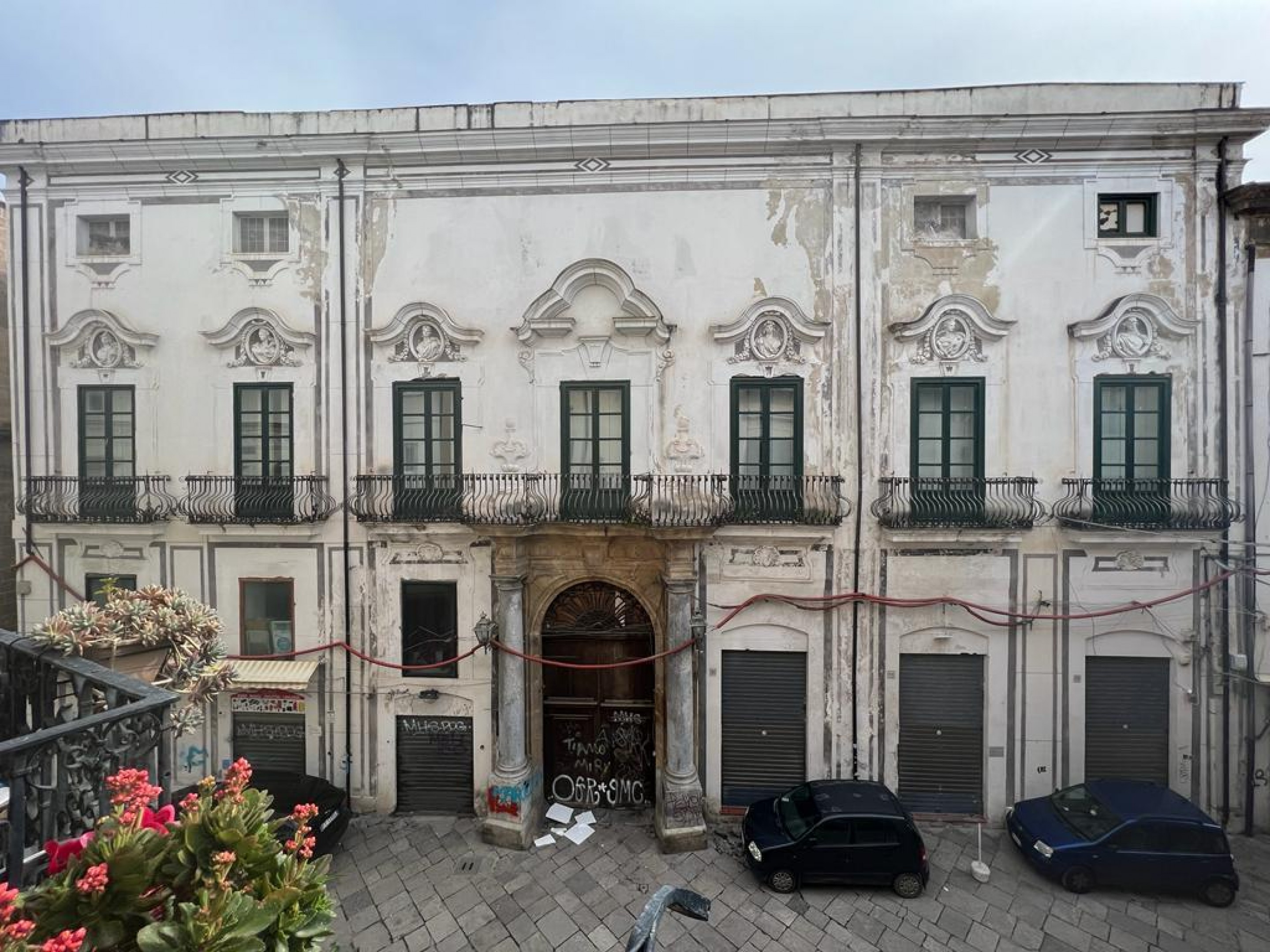 Carte in Dimora, porte aperte in 8 palazzi siciliani02 ottobre 2026
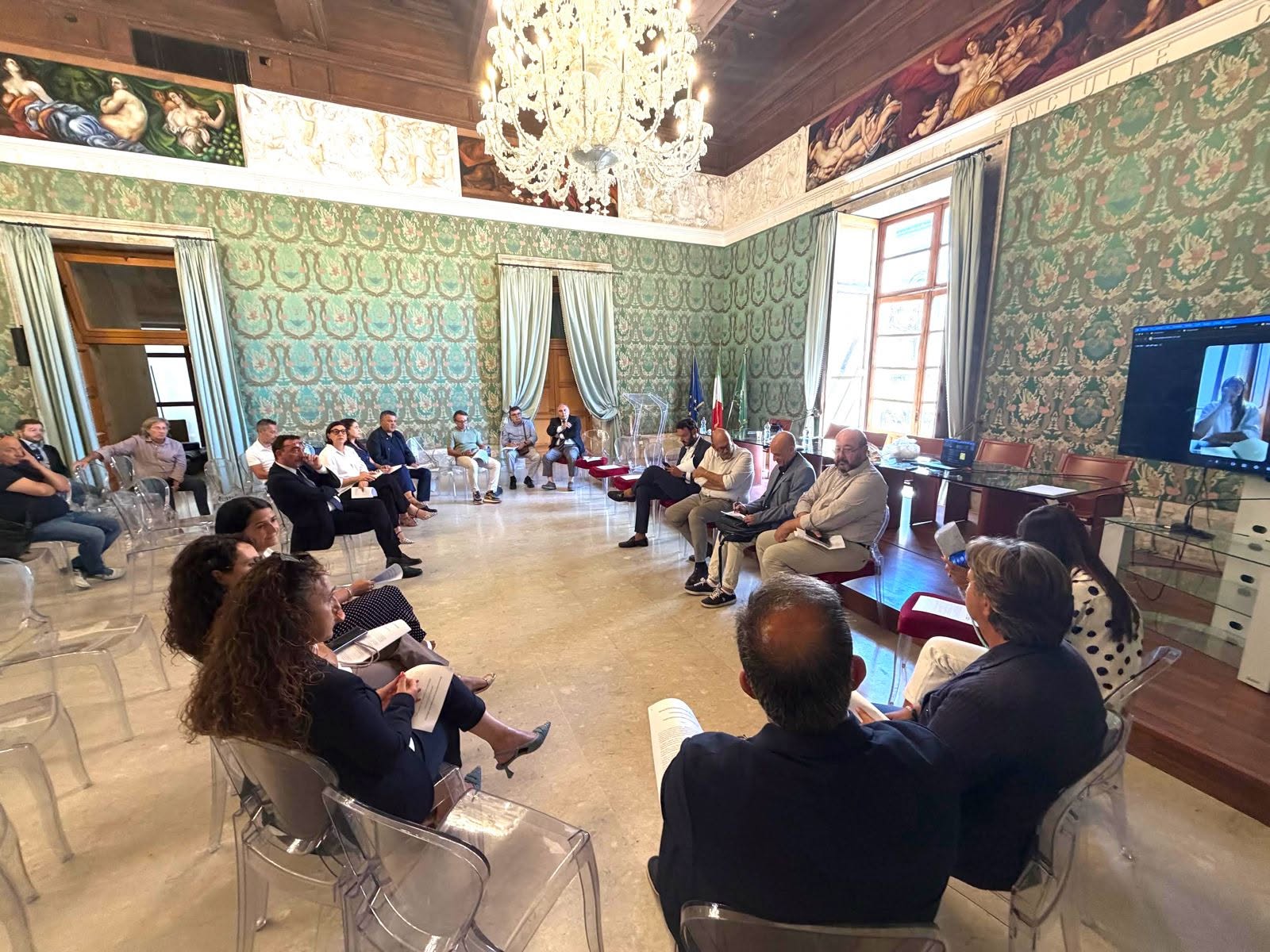 Siracusa Capitale europea della Cultura 2033 insieme ai territori11 settembre 2026
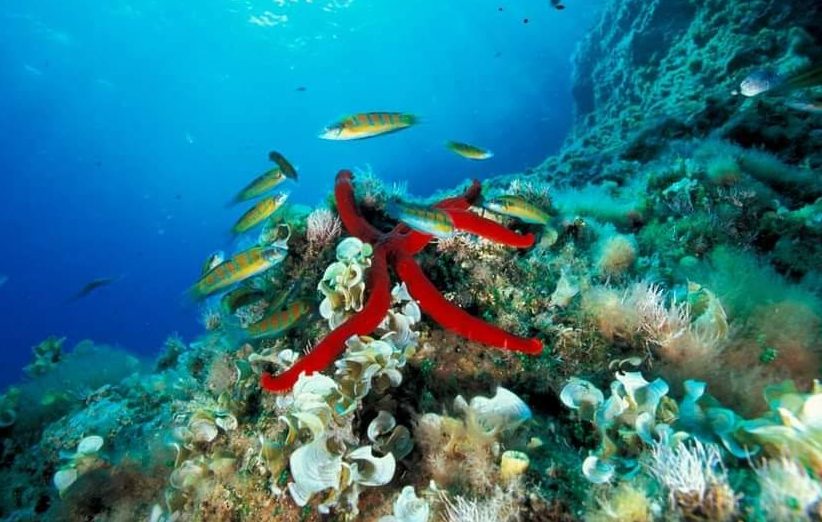 Siracusa, nuovi totem per i 35 sbocchi a mare del Plemmirio05 settembre 2026
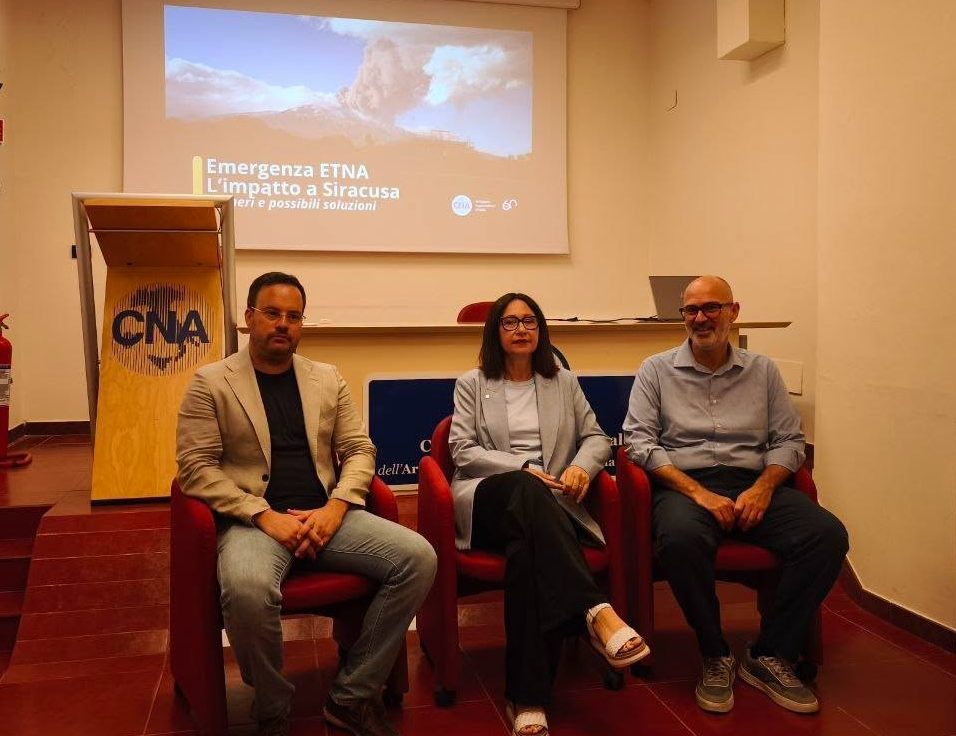 Emergenza Etna, danni fino a 8 mln per il turismo siracusano28 agosto 2026
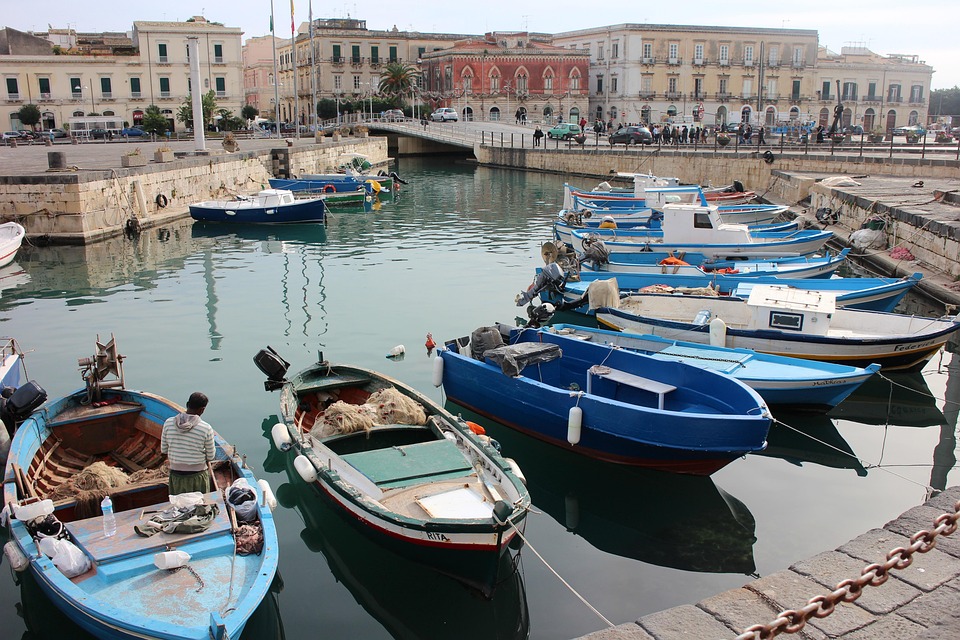 Abusivismo, case vacanze e b&b sconosciuti al fisco a Siracusa27 agosto 2026
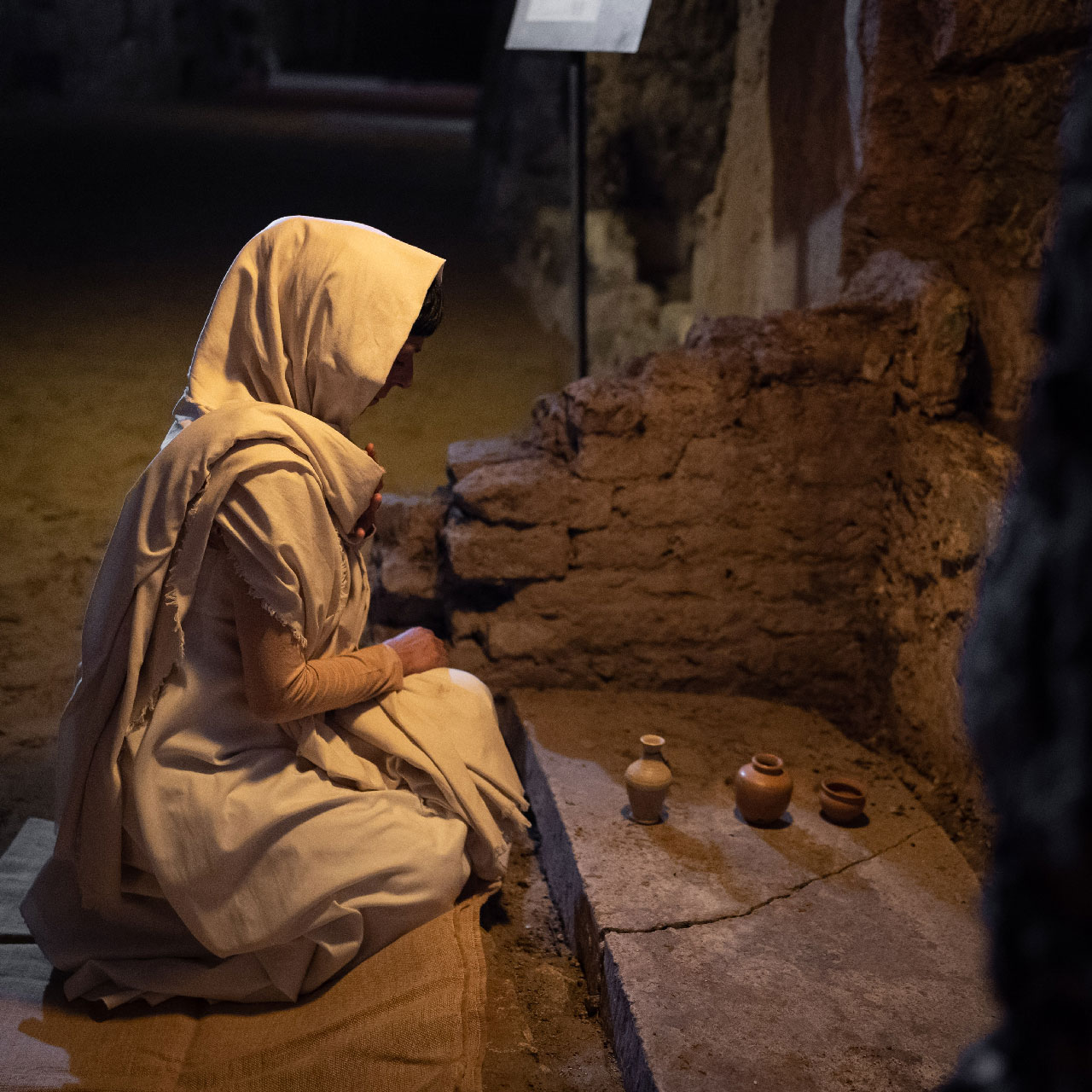 Siracusa, 15 serate per scoprire le catacombe tra teatro e spiritualità30 luglio 2026
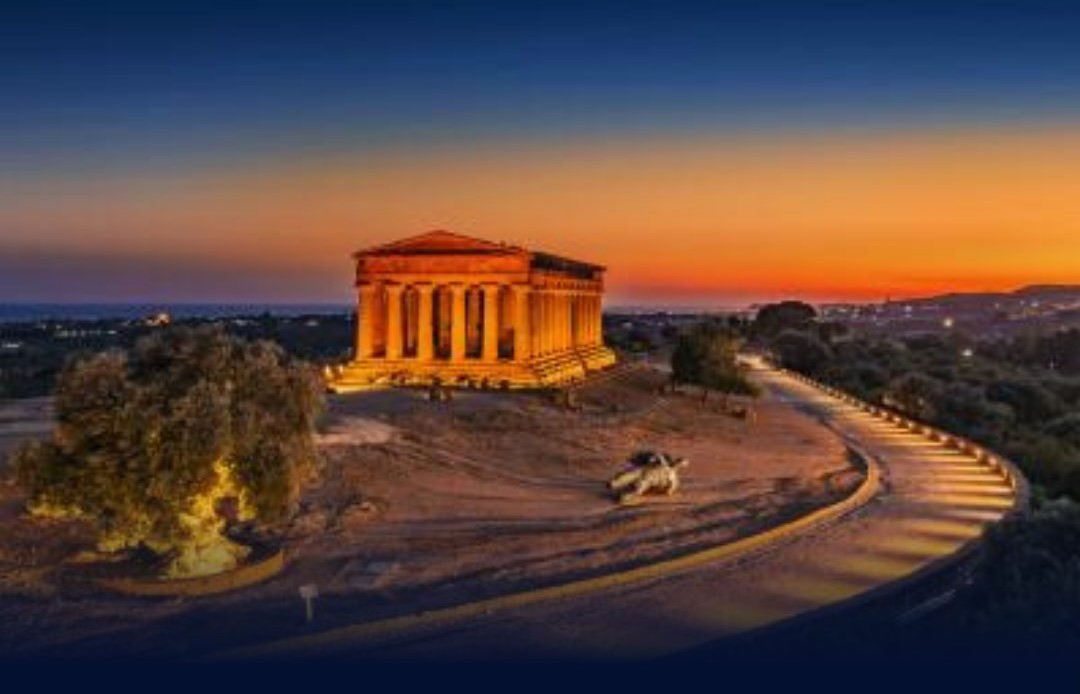 La Valle dei Templi si conferma il sito più amato in Sicilia28 luglio 2026
 Tassa di soggiorno, a Siracusa patto tra Comune e GdF22 luglio 2026
 Ortigia invasa dai turisti ma è emergenza idrica17 luglio 2026
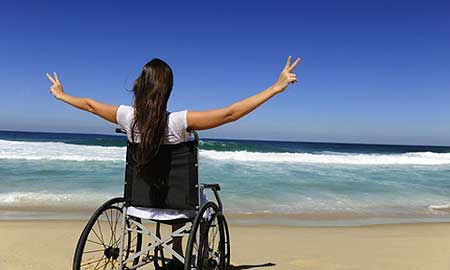 A Siracusa ombrelloni gratis per turisti con disabilità04 luglio 2026


.jpg)