Located on the southeastern coast of Sicily, Syracuse is a city that harmoniously blends millennia-old history, natural beauty, and cultural vibrancy. Founded in the 8th century BC by Greek colonists from Corinth, Syracuse was one of the most powerful and influential cities of the ancient world, rivaling even Athens. Its glorious past is still visible today in the numerous archaeological monuments and historic neighborhoods that recount a succession of civilizations, dominations, and cultures.
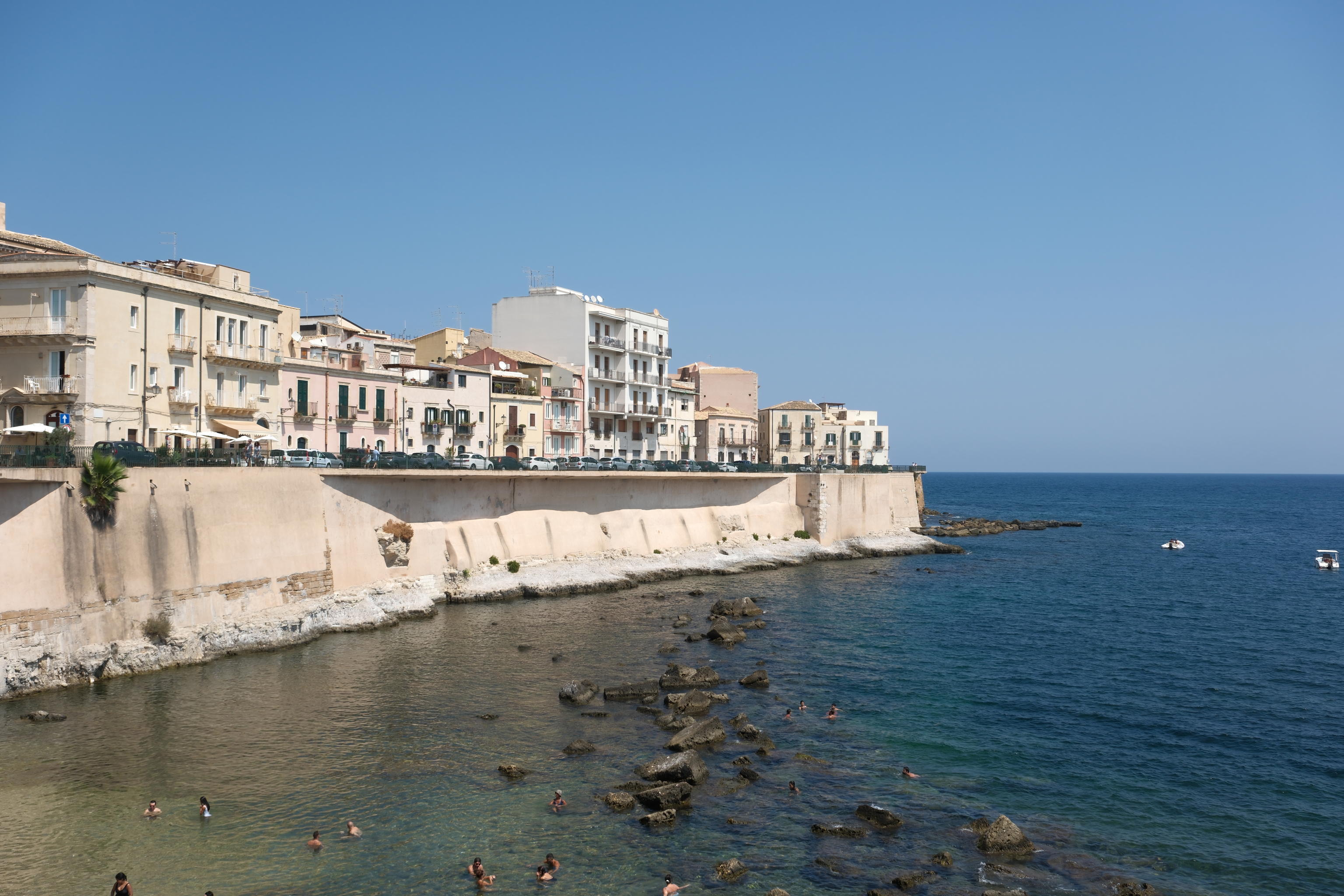
The original core of the city is located on the island of Ortygia, connected to the mainland by two bridges. This uniquely charming neighborhood boasts a maze of alleys, baroque palaces, elegant squares, and extraordinary monuments. Among the most significant sites is the Duomo, built on the Doric temple dedicated to Athena, whose ancient columns incorporated into the Christian structure are still visible. Ortygia is also home to the Fountain of Arethusa, linked to Greek mythology, and Castello Maniace, a Swabian fortress overlooking the sea.
On the mainland side of the city lies the Neapolis Archaeological Park, one of the most important in Sicily. Here you can admire the imposing Greek Theater, still used today for classical performances, the Roman Amphitheater, the Ear of Dionysius—an evocative artificial cave with extraordinary acoustics—and the Altar of Hieron II, a testament to the religious fervor of ancient Syracuse. The entire complex is immersed in a breathtaking natural setting, where history and landscape blend harmoniously.
Over the centuries, Syracuse has seen numerous rulers: Romans, Byzantines, Arabs, Normans, Swabians, Angevins, Aragonese, and finally the Bourbons, each of whom left a tangible mark on the city's urban and cultural fabric. This stratification is also reflected in the architecture: from the Greek and Roman styles to the opulence of Sicilian Baroque, particularly visible in the historic center's palaces and numerous richly decorated churches.
Today, Syracuse is a vibrant city where tradition blends with modernity. Its historical and artistic heritage, combined with the beauty of its seascape and quality of life, make it a popular destination for both tourists and those who wish to rediscover the authenticity of Sicily. The coast offers picturesque beaches, hidden coves, and crystal-clear sea, while the hinterland boasts villages, farmhouses, and nature reserves.
In 2005, the city and the island of Ortigia were declared a UNESCO World Heritage Site, in recognition of the site's exceptional historical and cultural value. Syracuse continues to be a meeting place of civilizations, a bridge between past and present, where memory is renewed daily through life, art, and culture.
Local businesses in the municipality of Syracuse represent a diverse and deeply rooted economic fabric, combining tradition and innovation. Thanks to the city's rich historical, cultural, and landscape heritage, the tourism sector is one of the main economic drivers. Numerous accommodations are available, from small family-run bed & breakfasts to high-end hotels, as well as restaurants and hospitality businesses, which showcase Syracuse's hospitality and typical local cuisine.
Alongside tourism, artisan businesses stand out, preserving ancient crafts related to woodworking, ceramics, and metalwork, often with artistic creations inspired by the city's Greek and Baroque history. The artisan workshops of Ortigia, in particular, are a point of reference for those seeking authentic, quality products.
The agri-food sector plays a key role: farms, oil mills, olive presses, and wineries produce local delicacies such as extra virgin olive oil, citrus fruits, wines, and preserves, often promoted through short supply chains and local markets. Fishing, still active in the port and along the coast, fuels a small but vibrant economy based on direct sales and catering.
There is no shortage of businesses in the technology, services, and logistics sectors, often focused on innovative and sustainable solutions. Even the Syracuse industrial hub, though undergoing transformation, is home to significant companies in the chemical and energy sectors.
Local businesses, despite facing challenges related to bureaucracy and global competitiveness, demonstrate strong resilience and a growing propensity for promoting the local area, demonstrating that Syracuse is a vibrant, industrious city capable of reinventing itself while respecting its roots.
The territory of Syracuse, with a population of 116,247 inhabitants in 2023, appears as a place of interest for potential investors. The presence of 16,612 foreigners indicates a certain international openness, which could promote the development of commercial and tourist activities. The dwellings in the municipality are 242,266, with a significant percentage of unoccupied dwellings, which could represent an opportunity for investments in the real estate sector. Furthermore, the presence of 18 tourist-accommodation residences and 81 hotels with a total of 7,631 beds indicates a good potential in the tourism sector. Syracuse also boasts a good cultural offer, with 11 museum institutions that in 2020 recorded 245,817 visitors. This could represent an opportunity for investments in the cultural and tourism sector. The geographical and morphological characteristics of the territory, with an area of 2,124.83 sq km and a variety of altimetric bands, offer opportunities for the development of activities related to nature tourism and agritourism. Furthermore, the presence of 253 rental accommodations managed in an entrepreneurial form, 17 agritourisms, 193 Bed & Breakfasts, and other accommodation facilities, indicates a wide variety of investment possibilities in the hospitality sector. In conclusion, Syracuse presents itself as a territory with good potential for economic development, especially in the real estate, tourism, cultural, and hospitality sectors. Investors could find interesting investment opportunities in this territorial context, which offers a combination of natural, cultural, and infrastructural resources that can promote the development of new activities and the economic growth of the territory.
Syracuse, located on the southeastern coast of Sicily, is one of Italy's cities richest in history and natural beauty. Its tourist attractions offer a fascinating journey through different eras, from the splendor of Magna Graecia to the Sicilian Baroque. The historic heart of the city is the island of Ortigia, a true architectural gem intertwined with picturesque alleys, noble palaces, and ancient churches. Here lies the splendid Piazza Duomo, dominated by the Cathedral of Syracuse, built on a Greek Doric temple, a testament to the city's cultural stratification.
Among the most famous archaeological sites, the Neapolis Archaeological Park is a must-see. It is home to the famous Greek Theater, still used today for classical performances, the Roman Amphitheater, and the Ear of Dionysius, a striking limestone cave with a distinctive shape and unique acoustics. The area clearly demonstrates the grandeur of ancient Syracuse, once a rival of Athens.
The city is also surrounded by beautiful nature reserves and beaches, such as those of the Maddalena Peninsula and the Cavagrande del Cassibile Nature Reserve, ideal for hiking and relaxing in pristine nature. Syracuse is also famous for its crystal-clear sea and the sunsets reflected in the waters of its natural harbor.
The local cuisine, made of authentic flavors and the freshest ingredients, further enriches the tourist experience. Visiting Syracuse means immersing yourself in a unique atmosphere where history, art, nature, and tradition blend harmoniously, making every corner of the city a fascinating and memorable discovery.
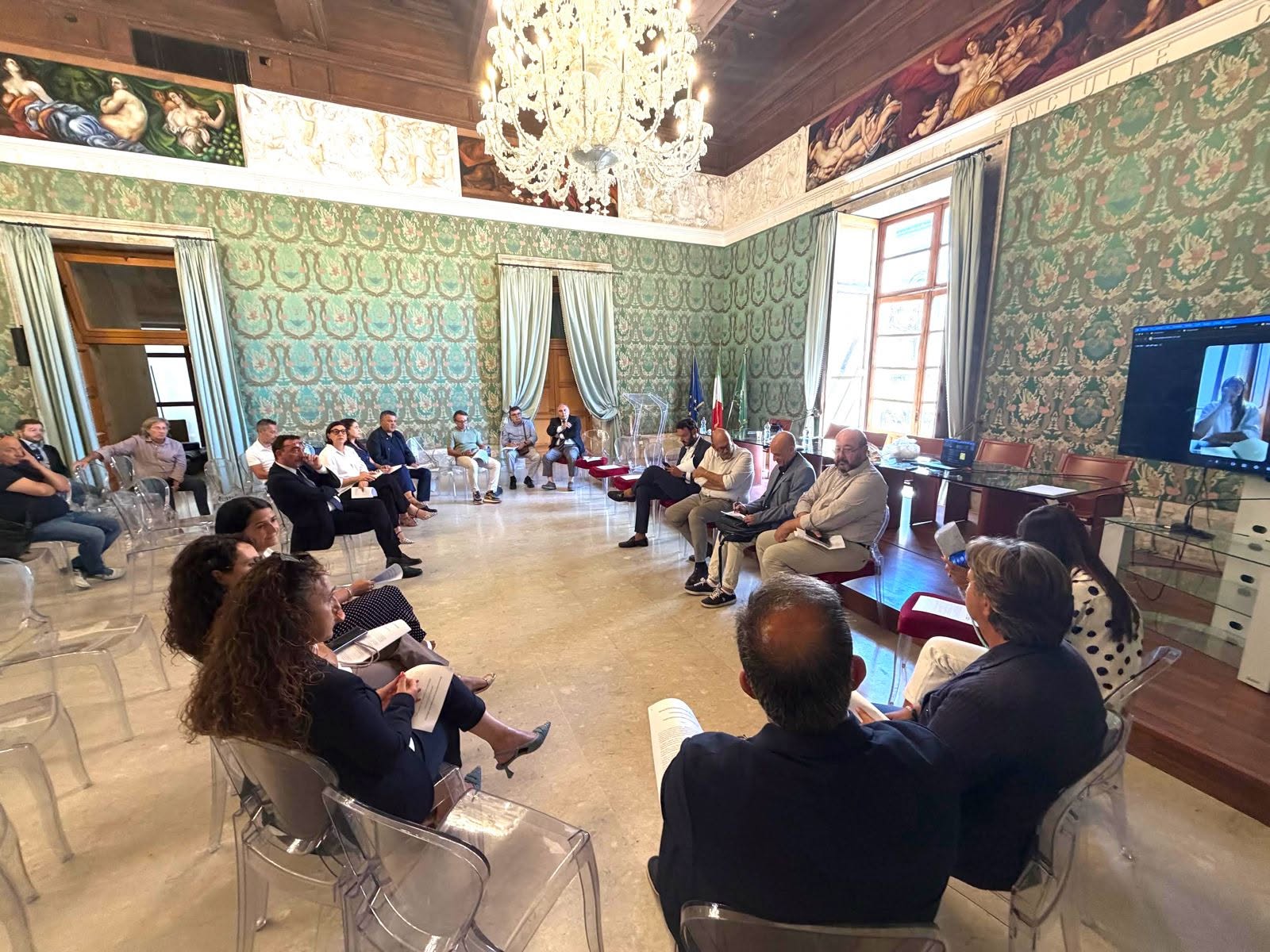 Siracusa Capitale europea della Cultura 2033 insieme ai territori11 settembre 2026
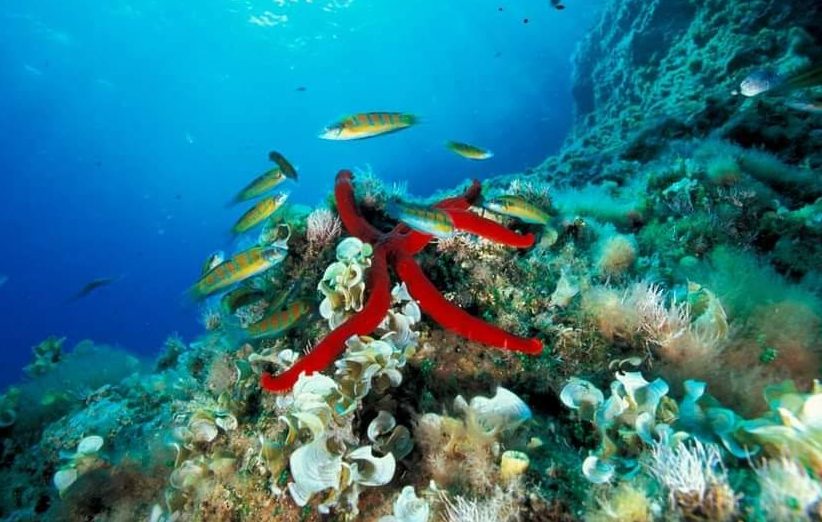 Siracusa, nuovi totem per i 35 sbocchi a mare del Plemmirio05 settembre 2026
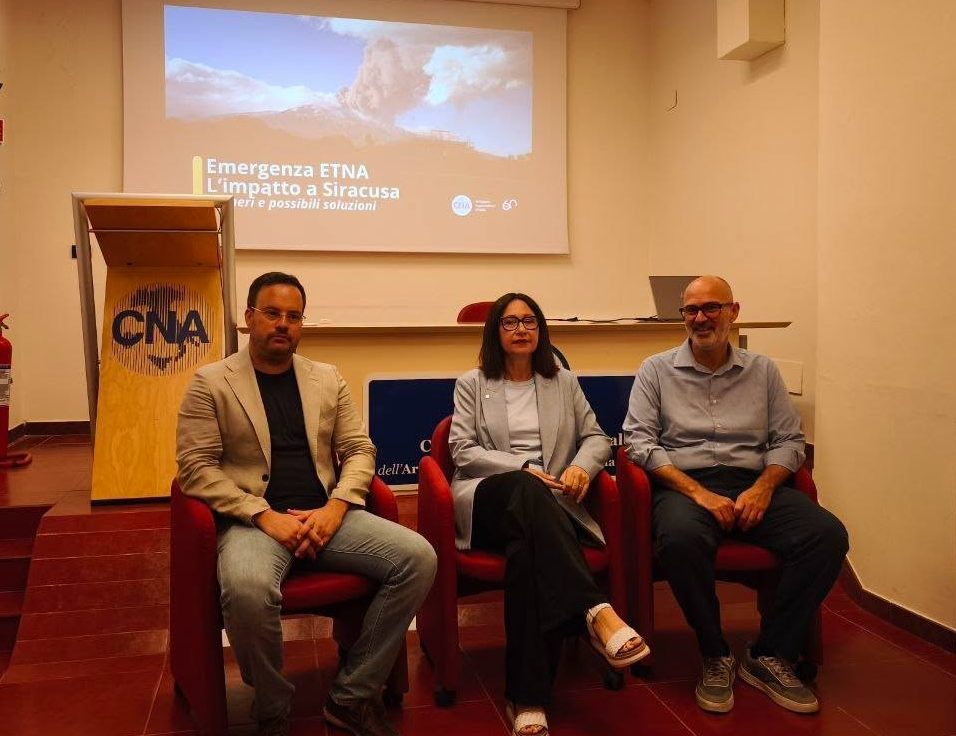 Emergenza Etna, danni fino a 8 mln per il turismo siracusano28 agosto 2026
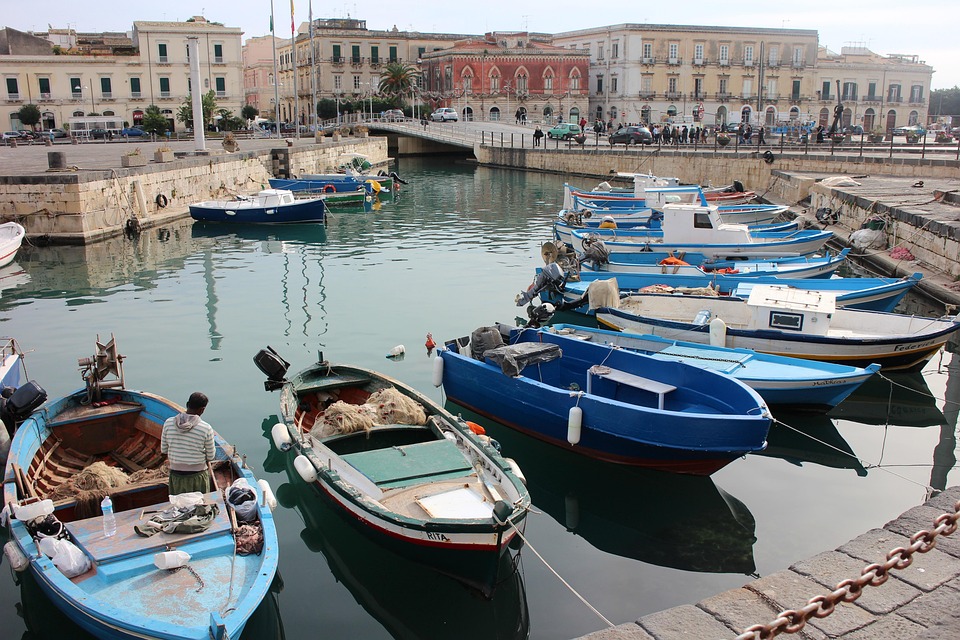 Abusivismo, case vacanze e b&b sconosciuti al fisco a Siracusa27 agosto 2026
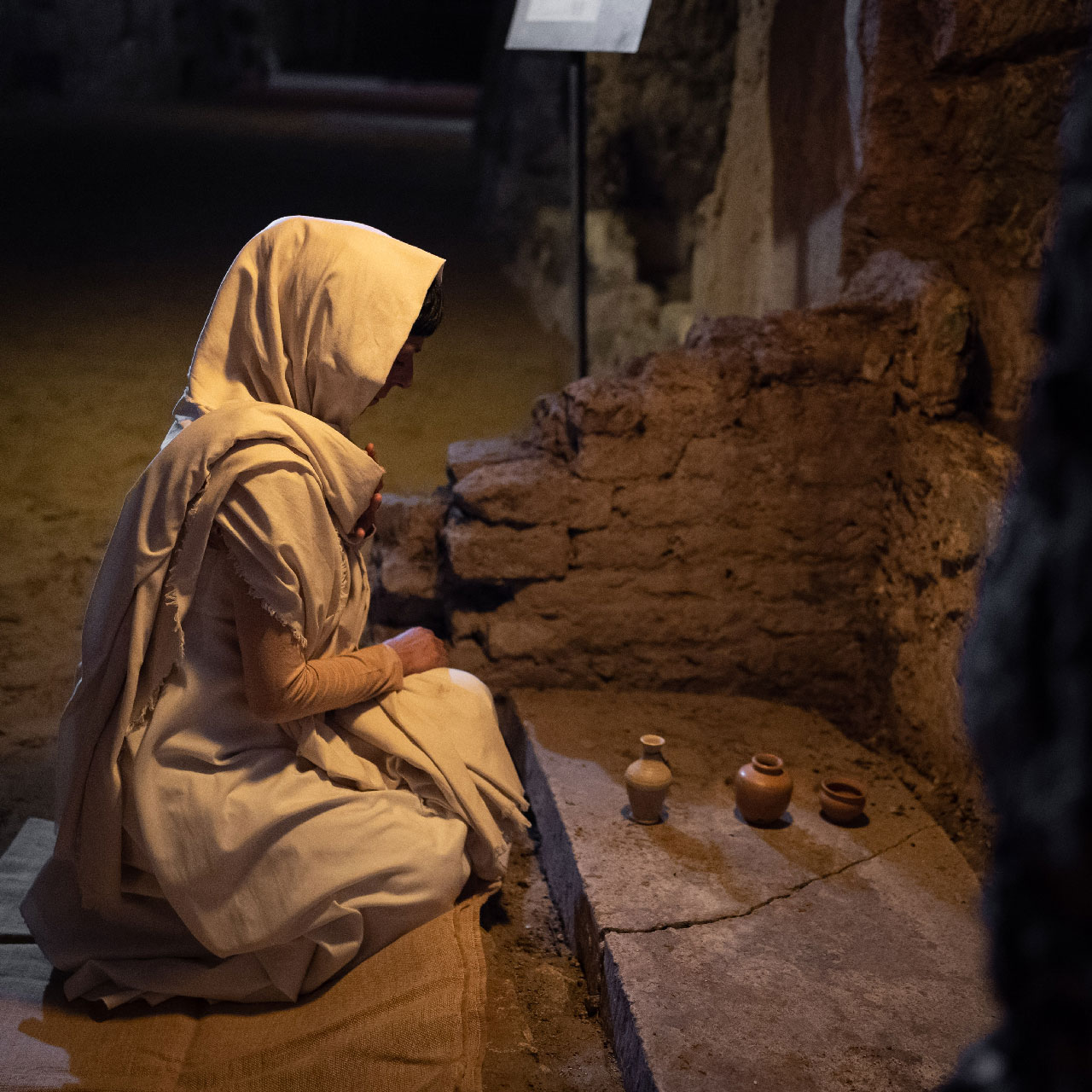 Siracusa, 15 serate per scoprire le catacombe tra teatro e spiritualità30 luglio 2026
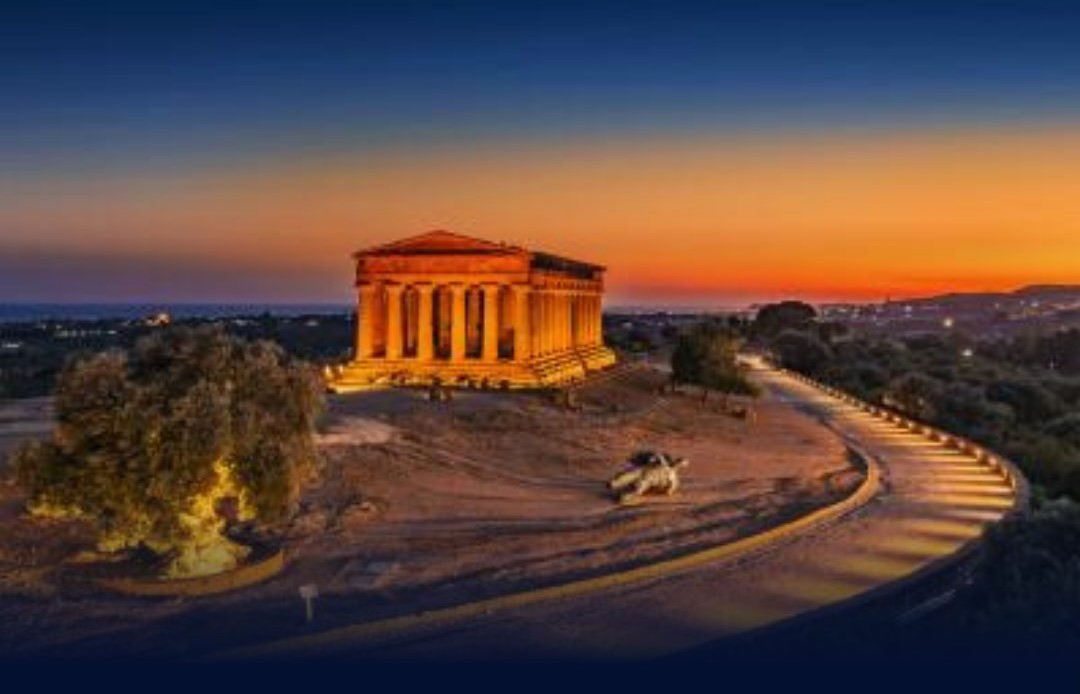 La Valle dei Templi si conferma il sito più amato in Sicilia28 luglio 2026
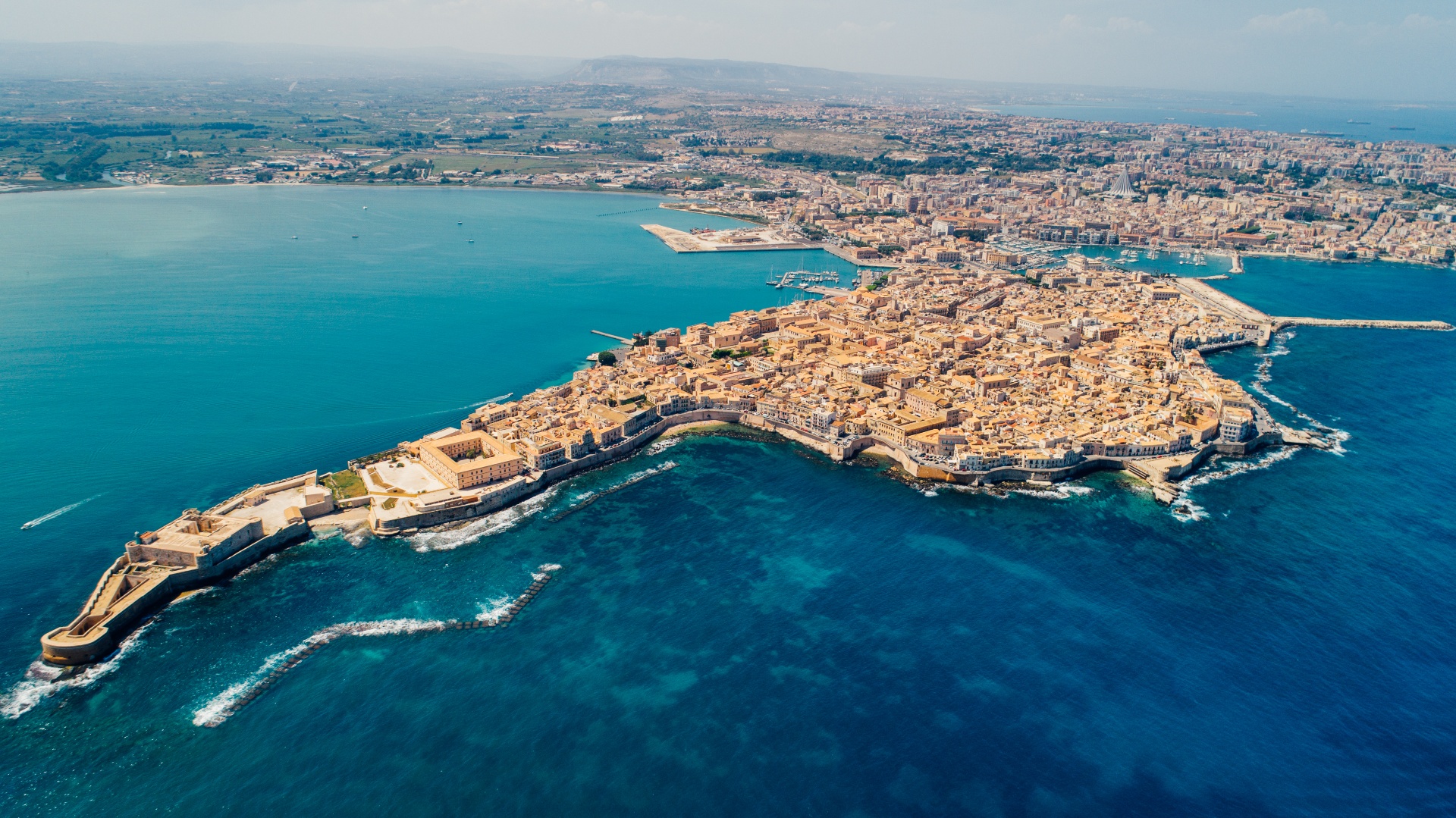 Tassa di soggiorno, a Siracusa patto tra Comune e GdF22 luglio 2026
 Ortigia invasa dai turisti ma è emergenza idrica17 luglio 2026
 A Siracusa ombrelloni gratis per turisti con disabilità04 luglio 2026
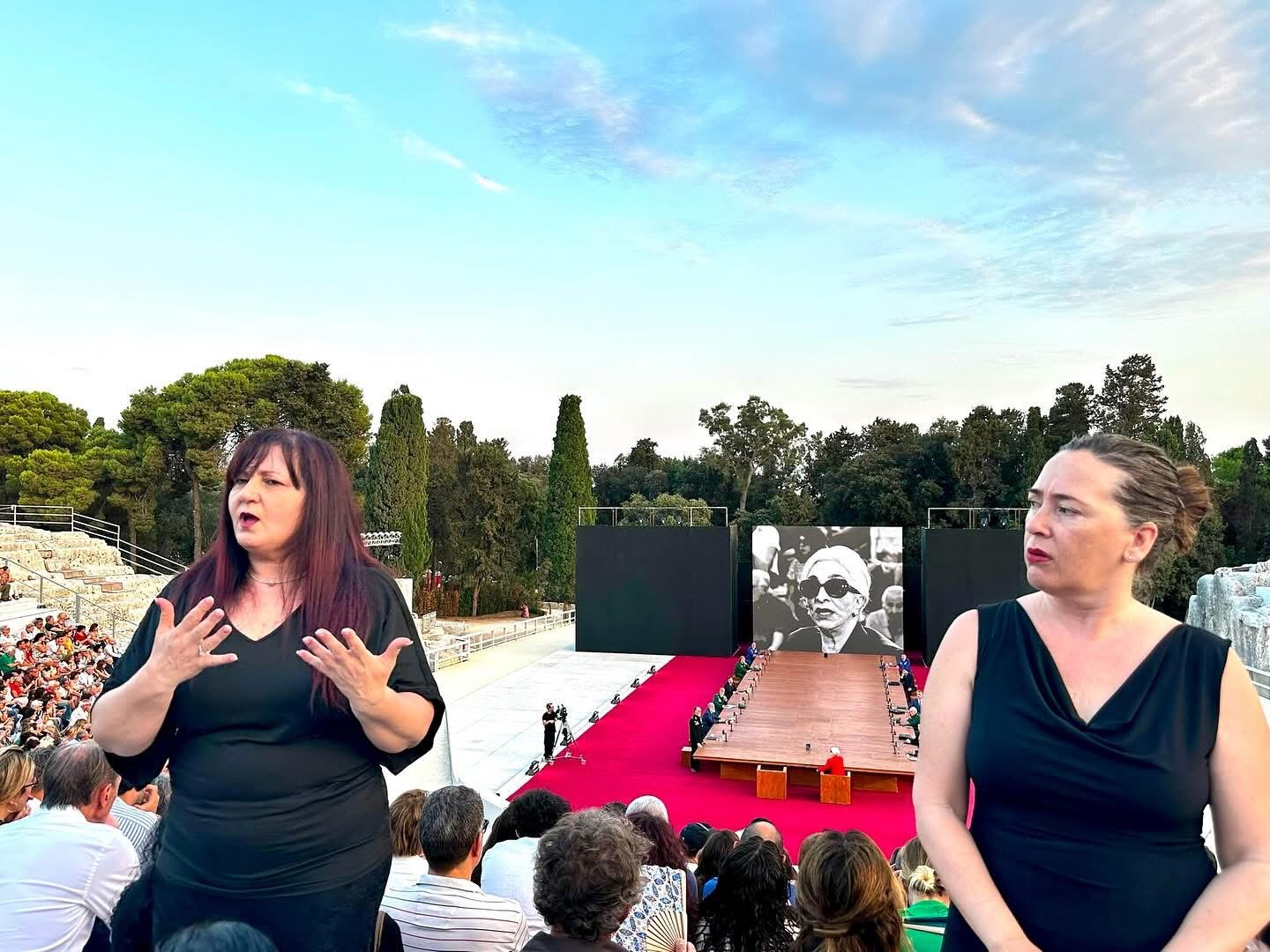 Via le barriere al teatro greco di Siracusa, I Persiani in Lis29 giugno 2026


.jpg)