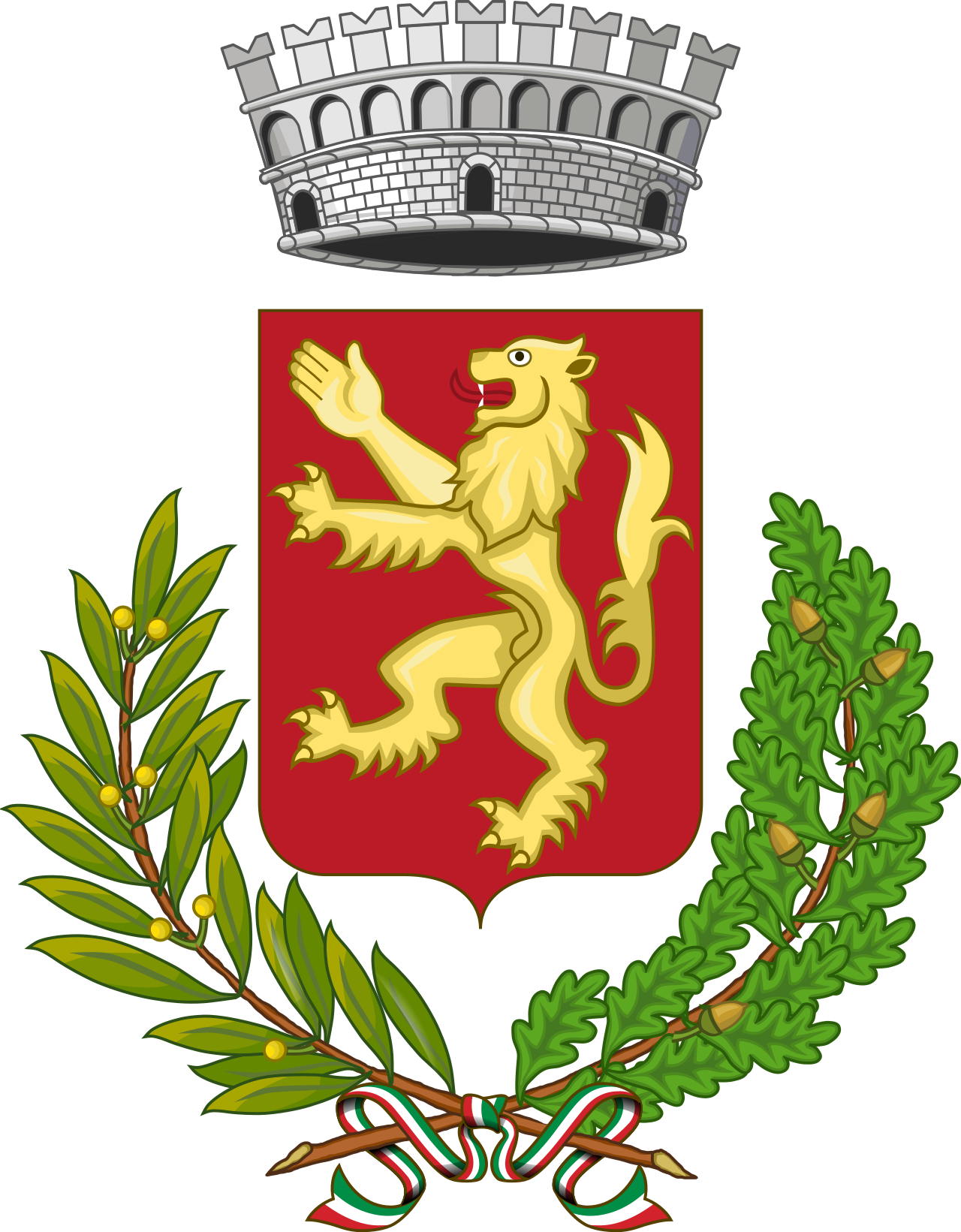
In the heart of Tuscany, in the bustling province of Grosseto, there is a place steeped in history and charm: the municipality of Manciano. This enchanting village is perfectly nestled in the Maremma hinterland, a geographical region whose beauty is shaped by steep slopes, gentle hills, and breathtaking views, enriched by the sea, countryside, and mountains. Manciano covers an area of 372.27 km², a vast expanse that is home to approximately 7,400 inhabitants. Its typically Mediterranean climate ensures distinct seasons, with mild winters and hot summers, enriching the richness of its natural landscape, combining gentle meadows and lush pastures with deep green forests, dotted with waterways and naturalistic trails ideal for exploration and walks. But Manciano is not just a striking synthesis of nature and landscapes. It is, in fact, a land that harbors a millennia-old history. Its origins date back to the Etruscan era and may even precede this period. Numerous archaeological finds discovered in the area bear witness to this, including settlements, fortifications, necropolises, and tombs, many of which date back to the 7th century BC. Its long history also includes the Roman period, medieval and Renaissance epochs, up to the Fascist era. One of the most evident signs of its past is the ancient fortress, an imposing stronghold that dominates the scene from atop a hill. This fortress is emblematic of Manciano's glorious past, once a place of clashes and conflicts for control of the territory. Many other towers and fortifications remain as evidence of the medieval period, while the Renaissance palaces are an example of the wealth and prosperity of the time, characterized by fascinating and unique architectural details. Manciano has preserved its Tuscan typicality, with its typical stone houses, narrow winding alleys, small squares, and green hills. These elements, together with the warm hospitality of its inhabitants, give the town a unique and welcoming atmosphere. Despite its remote location, Manciano is well connected to the surrounding cities and the most important tourist sites in the region, thanks to an efficient public transport network. The economy of Manciano is mainly based on agriculture and tourism. The quality of its land has allowed for the development of high-quality agriculture, producing fine wines, extra virgin olive oils, honey, and many other typical products of the Tuscan tradition. Tourism, on the other hand, is fueled by the wide range of cultural, historical, and natural attractions offered by the area. In conclusion, Manciano is a hidden gem in the beautiful region of Tuscany, rich in history, culture, and natural beauty. A place where nature and man have coexisted in harmony for millennia, offering visitors an authentic and unforgettable experience of the heart of Tuscany.
No membership group specified.
Manciano, a charming medieval village in the enchanting hilly landscape of the Tuscan Maremma, holds a treasure trove of local activities, rich in stories and flavors of the land. In this mosaic of small entrepreneurial realities, which reflect tradition and innovation, it is possible to rediscover the authenticity of a territory still tied to its cultural roots. Manciano offers a collection of unique businesses in terms of diversity and originality, including those related to agriculture and food and wine. Strolling through the cobblestone streets, it is not uncommon to come across workshops of local producers, who still work today in respect of ancient traditions. The agricultural companies of Manciano carry a love for the land and typical products. Among these, attention is drawn to extra virgin olive oil, high-quality wines such as Morellino di Scansano, and a variety of pecorino cheeses, rich in intense and ancient flavors. The production of honey deserves a special mention, the result of careful and respectful beekeeping work. Among the local businesses in Manciano, there are also activities related to craftsmanship. The small workshops scattered throughout the village represent a true heritage of skills and manual wisdom. Here, artisans, with patience and dedication, create true works of art: from refined embroidery to handcrafted leather, from ceramic artifacts to precious jewelry creations. Each piece is unique, imprinted with the personality and passion of the creator. Manciano can also boast a series of tourism-related businesses, which contribute to making the experience of those who decide to visit this corner of Tuscany even more fascinating. Numerous accommodation facilities, from cozy holiday homes to agritourisms immersed in greenery, to luxurious thermal resorts, offer travelers a range of options for stays dedicated to tranquility and well-being. There are also restaurants and taverns where you can taste the typical Maremman cuisine, a triumph of simple but authentic flavors, linked to the peasant and pastoral culture of the area. Finally, we cannot overlook the fundamental role of service sector businesses. By helping to meet the daily needs of citizens and visitors, they contribute to keeping the heart of the local economy alive and vibrant. From commercial activities to transportation services, passing through those related to health and education, Manciano can rely on a network of businesses that operate with professionalism and passion for the territory. In conclusion, the eclecticism of the entrepreneurial fabric of Manciano, its capillarity associated with the preservation of the most authentic traditions, represents an exemplary model of how a community can grow and develop while respecting its identity and resources. The local businesses of Manciano, with their vitality and passion, are a living testimony to the inseparable bond between work, culture, and the territory.
Manciano is a municipality located in the Hills of Fiora, with an ISTAT code of 53014. It covers an area of 372.4983 sq km and has a total population of 7,023 inhabitants in 2023, evenly distributed between men and women, with a slight female prevalence. The territory has a residential structure composed of 5,932 dwellings, of which 3,559 are occupied and 2,373 are unoccupied. The municipality has a significant presence of foreign residents, with a total of 995 people, divided between 503 males and 492 females. Looking at the hospitality offer, Manciano has a considerable number of accommodation facilities. Overall, there are 26 hotels with 1,013 beds, 469 rooms, and 488 bathrooms, divided among various categories of structures. In particular, the three-star and two-star accommodations offer 315 and 101 beds respectively. The offer is enriched with 3 tourist-hotel residences, 73 commercially managed rental accommodations, 127 agritourisms, a bed & breakfast, and two other accommodation facilities, bringing the total number of beds to 3,961. Manciano has three campsites and tourist villages, adding 592 beds to the overall offer. This wide range of overnight options suggests that the tourism sector has significant potential for investors. Additionally, there are three museums in the municipality, which attracted 2,253 visitors in 2020. The city is mainly spread over an altitude range of 0-299 meters above sea level, with a center altitude of 444 meters. It is not a coastal municipality, it is not isolated, and it is not located in coastal areas, the degree of urbanization is low, being defined as "sparsely populated areas". This is reflected in the characteristics of the housing offer and the demographic structure, suggesting that the local economy could benefit from investments aimed at stimulating urbanization and residential development. In terms of accessibility, Manciano is 33 minutes away from active passenger railway stations, 50 minutes from highway access points, 89 minutes from airports, and 43 minutes from passenger ports. Its strategic location and the presence of transport infrastructure could facilitate the realization of investment projects in the real estate or commercial sector. In conclusion, Manciano offers several investment opportunities, supported by its significant cultural heritage, hospitality offer, and demographic structure. Potential areas of interest for investors include real estate, tourism, and commerce. However, potential critical issues are represented by limitations in housing provision and the degree of urbanization, which may require further development efforts.
Manciano is a destination immersed in the natural beauty of Tuscany, rich in historical and artistic treasures that reveal the charm of the past. It is a village of undeniable beauty, nestled on a hilltop with landscapes that vary between meadows, hills, and vineyards, characteristic of the Tuscan Maremma. A sophisticated town that can be conquered in any season, Manciano offers a wide selection of basilicas, monuments, and places of historical interest to explore. The Church of San Leonardo, a divine place of worship dedicated to the town's patron saint, is a must-see for visitors. This imposing religious building, nestled in the town's historic center, offers a revealing insight into the artistic heritage of the paintings displayed within. In addition to the Church of San Leonardo, Manciano is home to the Parish Church of San Giuseppe and San Lorenzo, another outstanding example of local architectural value. This church captivates visitors with its simplicity and authenticity, with its delicate stuccoes and exquisitely crafted frescoes. The Aldobrandesca Fortress is another emblematic feature of Manciano's landscape. This impressive and well-preserved structure, with its towers, is an undeniable symbol of the Aldobrandeschi family's power, and a faithful witness to the town's complex history. Equally fascinating are the archaeological sites, such as the Etruscan necropolis of Puntone, which offers a fascinating insight into the region's history. In addition to its rich history and art, Manciano also hosts a series of annual events that enliven and enliven the town. Particularly popular is the Sagra del Marrone, an autumn festival during which the flavors of the season and the convivial spirit of the people of Manciano combine with the ancient tradition of harvesting and cooking chestnuts. Another noteworthy event is the feast of San Leonardo, during which the town devoutly and joyfully celebrates its patron saint with a festival that includes historical parades, music, and dance. In short, the Tuscan town of Manciano is a triumph of breathtaking landscapes, fascinating historical sites, and valuable artistic attractions. The unexpected natural beauty, fascinating architecture, delicious gastronomic events, and historical reenactments make this place a fascinating must-see for anyone wishing to explore the authentic heart of Tuscany.