
Situated on a hill overlooking the Conca d'Oro and the city of Palermo, Monreale is a charming Sicilian town known for its extraordinary historical, artistic, and architectural heritage. With a privileged location on the slopes of Monte Caputo, it offers a striking view of the valley below, combining natural beauty and cultural richness in a unique balance between heaven and earth.
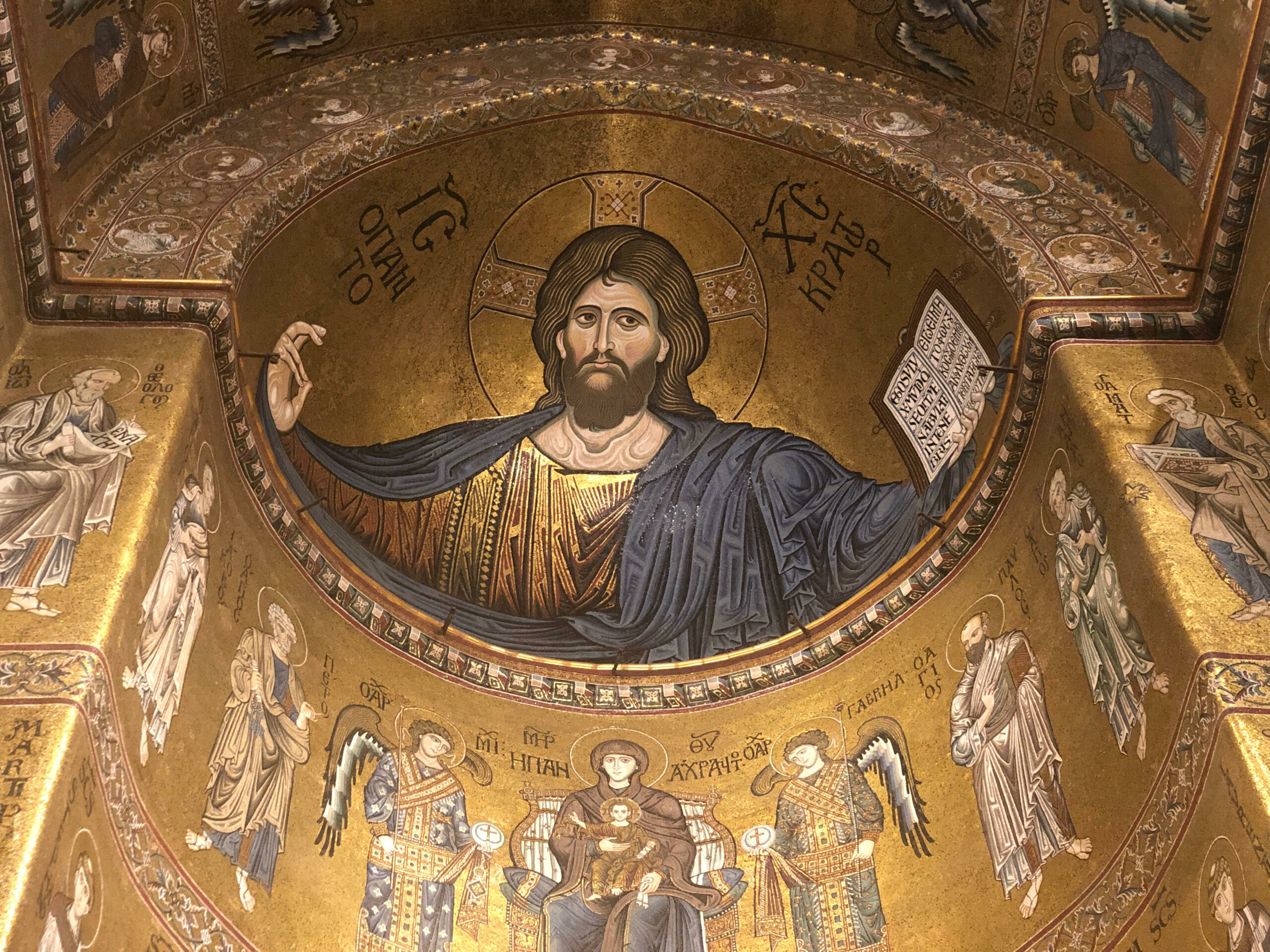
It is best known for its imposing Cathedral, one of the finest examples of Norman architecture in Italy. Along with the Benedictine kiosk, the Cathedral is included in the Arab-Norman Palermo and the Cathedrals of Cefalù and Monreale itinerary, a UNESCO World Heritage Site. Built in the 12th century by order of William II of Hauteville, the church represents an extraordinary blend of different artistic styles, the result of the Arab, Byzantine, and Romanesque influences that characterized medieval Sicily. The cathedral's interior is decorated with one of the largest mosaic cycles in Europe, with over 6,000 square meters of golden mosaics illustrating episodes from the Bible and recounting sacred history through an impressive and detailed visual narrative.
Next to the cathedral is the Benedictine Cloister, a masterpiece of Romanesque art with clear Moorish influences. Its columns, each unique, are decorated with sculpted capitals and mosaics, creating an atmosphere of contemplation and harmony, a testament to the refined artistic taste of the era.
Among the most evocative neighborhoods is the Ciambra, where tourists can most easily discover Monreale's medieval roots. Built on the distinctive rock spur that overlooks Palermo from behind the Cathedral of Monreale, it arose during the construction of the cathedral and was inhabited by the king's servants and the workers engaged in the construction of the great temple dedicated to the Virgin Mary. The maze of cobbled alleys, the characteristic passages and arches, every detail transports us back to the Middle Ages. And it's lovely to lose yourself in this neighborhood, with flowering plants outside the door and shops on the corner: there are mosaic workshops and small craft and design shops that believe in sustainable development based on manual labor and the local area.
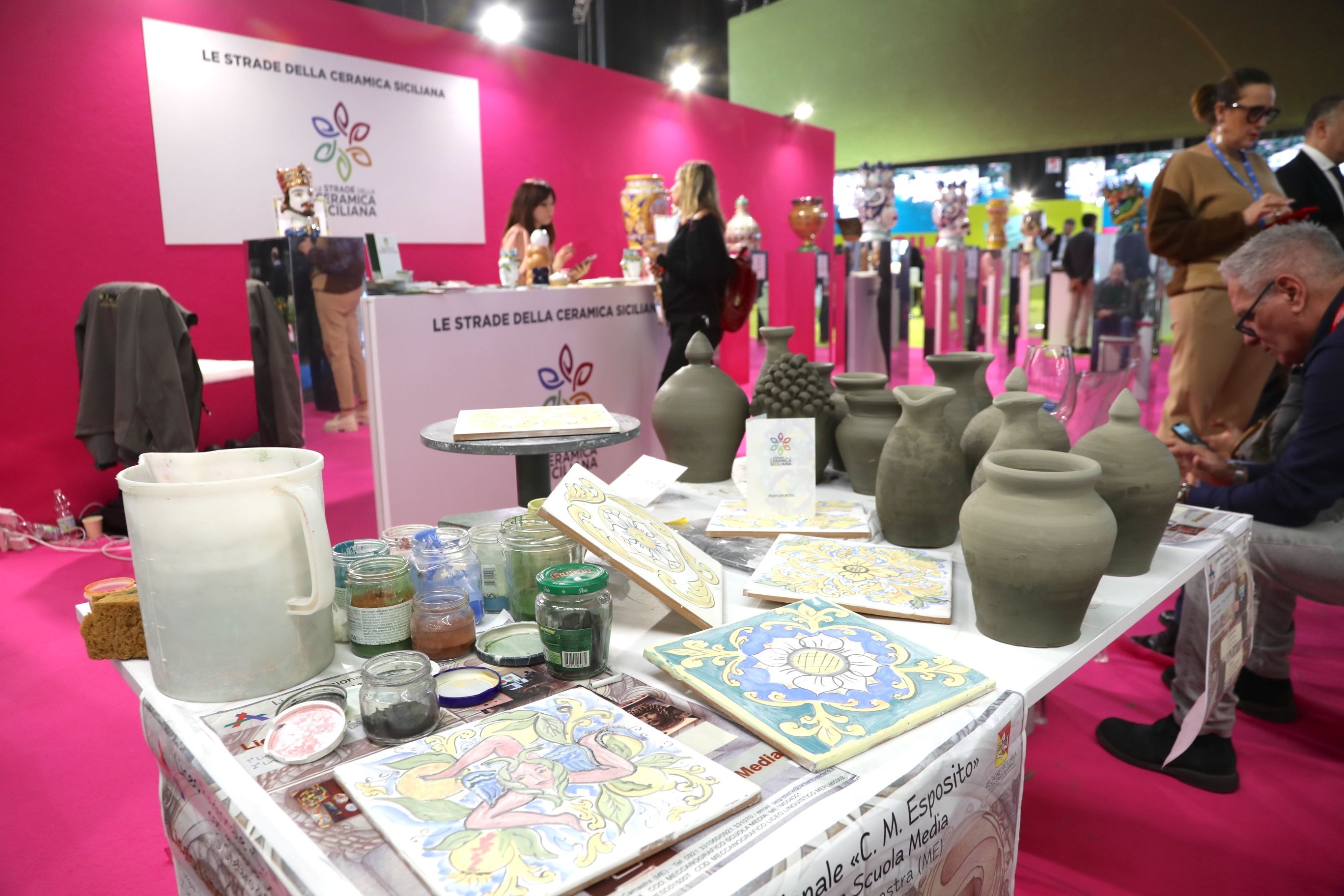
Also known for its ceramics, it is one of 46 Italian cities that can boast the recognition of "City of Ancient and Established Ceramic Tradition."
The main festival is the Holy Crucifix, especially thanks to the evocative procession on May 3rd, the illuminations, and the historical celebrations.
 Associazione: Anci Sicilia
→
Associazione: Anci Sicilia
→
 Gruppo di Azione Locale: GAL Terre Normanne
→
Gruppo di Azione Locale: GAL Terre Normanne
→
 Progetto: Eco Turismo In Comune
→
Progetto: Eco Turismo In Comune
→
Monreale is a vibrant mosaic of local businesses that proudly express the identity, tradition, and ingenuity of the Monreale community: from artisan workshops to food and wine shops, to the local services that make daily life unique in this charming village just outside Palermo. Here, traditional craftsmanship boasts master stonemasons and inlaid decorators, custodians of ancient techniques used in working local stone and restoring architectural features, while carpenters create fine furniture and fixtures with simple yet elegant lines, reinterpreting regional and modern aesthetics. Agri-food businesses enrich the landscape with mills producing excellent extra virgin olive oil, small farms growing organic citrus fruits and vegetables with a passion for sustainable agriculture, and cured meat producers transforming local meats into authentic, aged products. Alongside them, artisanal bakeries and pasta makers keep Sicilian culinary traditions alive, churning out homemade bread, traditional desserts like "cubbaita," and other delicacies passed down through generations.
The tourism sector is fueled by charming hotels, family-run B&Bs, and agritourisms nestled among olive trees, offering authentic hospitality to guests and promoting sensory experiences based on local products. Restaurants and trattorias offer seasonal menus, blending classic recipes with modern innovations, showcasing local raw materials. Artisanal ceramics and textile businesses create artistic souvenirs, decorative objects, and textile accessories, often customizable, that combine Mediterranean aesthetics with contemporary originality.
There is no shortage of entrepreneurial initiatives related to personal services, such as travel agencies that organize guided tours and experiential tours in the heart of the Duomo, or wellness centers and spas nestled in rural landscapes, offering mental and physical regeneration through treatments using natural Sicilian products. Finally, wine shops, organic food stores, and delicatessens carefully select local labels and quality ingredients, inviting both residents and visitors to embark on a culinary journey through the authentic flavors of Sicily. These businesses reflect a dynamic community, capable of blending tradition and innovation, offering authentic experiences and excellent products in a setting rich in history, landscape, and culture.
The Monreale area, identified by ISTAT code 082049, has unique demographic, geographic, and economic characteristics that make it a potential investment area, despite some structural challenges. Situated over 530 square kilometers, Monreale is home to a population of 38,726 as of 2023, with a fairly even gender distribution. The most striking feature, from a territorial perspective, is the municipality's significant size, among the largest in Sicily, with a very low population density compared to the regional average, approximately 73 inhabitants per square kilometer. This low density, combined with the area's complex altimetric morphology, with 76% of the surface area distributed between 300 and 900 meters above sea level, creates a predominantly hilly and mountainous environment, with limited flat areas.
From a social and demographic perspective, Monreale has an extremely low foreign population, with only 396 non-Italian residents, equal to approximately 1% of the total population. This suggests a relatively low ethnic diversity in the social fabric, which could impact the demand for services specific to foreign communities or the potential development of multicultural markets.
The housing sector highlights a significant finding for real estate investors: out of a total of 25,251 homes registered as of 2021, 10,203 are unoccupied, representing approximately 40% of the total housing stock. This high number of vacant homes indicates a potential supply available for redevelopment, conversion, or development of new residential options, such as senior housing, student residences, or tourist accommodations. However, it should be noted that this figure could also reflect depopulation in some rural areas or difficulties for the local population in accessing the housing market.
Tourism and accommodations remain underdeveloped, with significant room for growth. Hotel accommodations are limited to just three officially registered establishments, with a total capacity of 286 beds, distributed almost entirely in lower-category establishments, with no 4- or 5-star hotels. The non-hotel segment is more dynamic, with 38 active establishments offering a total of 428 beds. In particular, there is a significant presence of agritourism and B&Bs, while campsites, tourist villages, youth hostels, and mountain refuges are completely absent. This scenario highlights a tourism market that is still in its infancy, but with ample opportunities for development, especially in the direction of cultural, nature, or experiential tourism, considering the area's historical and artistic heritage, which is already attractive, as demonstrated by the number of visitors to local museums, which exceeded 135,000 in 2020.
Analysis of the cultural heritage, in fact, confirms significant tourism potential. Monreale is universally known for its Cathedral, a UNESCO World Heritage Site, and other historic attractions that represent an important starting point for integrated development strategies for the region. In this context, the current low level of high-end accommodation infrastructure represents a gap but also a concrete investment opportunity for those wishing to position themselves in market segments related to high-quality cultural tourism, religious tourism, or slow and nature-based itineraries.
Regarding healthcare infrastructure, available data does not indicate a significant provision of hospital beds or specialized facilities. This suggests a structural shortage in the healthcare sector, which, while potentially limiting the area's residential attractiveness, also opens up opportunities for investment in private healthcare, assisted living facilities, and personal services, particularly considering national demographic trends that point to a progressive aging of the population.
From a geographical and morphological perspective, the predominance of hilly and mountainous terrain, with over 75% of the area above 300 meters above sea level, influences the type of economic development possible. Particularly promising are sectors linked to quality agriculture, agritourism, and ecotourism, as well as initiatives to enhance the landscape and promote typical local products.
In summary, Monreale is a predominantly cultural and naturalistic area with significant potential in the tourism and real estate sectors, particularly in terms of building renovation and the development of medium- to high-end accommodations. The main critical issues concern limited economic diversification, a lack of healthcare facilities, and a still underdeveloped hotel infrastructure. However, these very shortcomings translate into concrete opportunities for targeted investments in the hospitality, personal services, and the enhancement of existing real estate.
Monreale, located on a hill overlooking the Conca d'Oro and just a few kilometers from Palermo, is one of the most fascinating places in Sicily for those who wish to immerse themselves in history, art, and spirituality. The main tourist attraction is undoubtedly the Cathedral of Monreale, a masterpiece of Norman art founded in the 12th century. Its architectural grandeur and splendid Byzantine mosaics, which narrate episodes from the Old and New Testaments, make this cathedral one of the most important religious monuments in Europe. Next to the Cathedral is the Benedictine Cloister, a place of extraordinary beauty and peace, renowned for its elegant inlaid columns and refined sculpted decorations.
Walking through the streets of Monreale's historic center is an experience that allows you to discover charming corners, artisan workshops, and panoramic views of the valley below. The Belvedere, for example, offers breathtaking views of Palermo and the Tyrrhenian Sea, especially at sunset. Nature lovers can explore the surrounding hills, rich in citrus groves, olive groves, and Mediterranean vegetation.
The town also hosts interesting cultural and religious events, including patron saint festivals and historical reenactments involving the entire community. Typical local products, such as olive oil, traditional sweets, and Monreale bread, enrich the visitor experience with the authentic flavors of Sicilian cuisine. Monreale is not only a destination for art lovers, but also a place enchanting for its authenticity, hospitality, and deep connection to tradition. Visiting this village is like taking a journey back in time, in a setting where spirituality, culture, and natural beauty coexist harmoniously.
 La ceramica siciliana debutta in Usa guardando al turismo esperienziale25 giugno 2026
 Monreale più vicina, ora si raggiunge anche con il bus 389 da Palermo28 aprile 2026
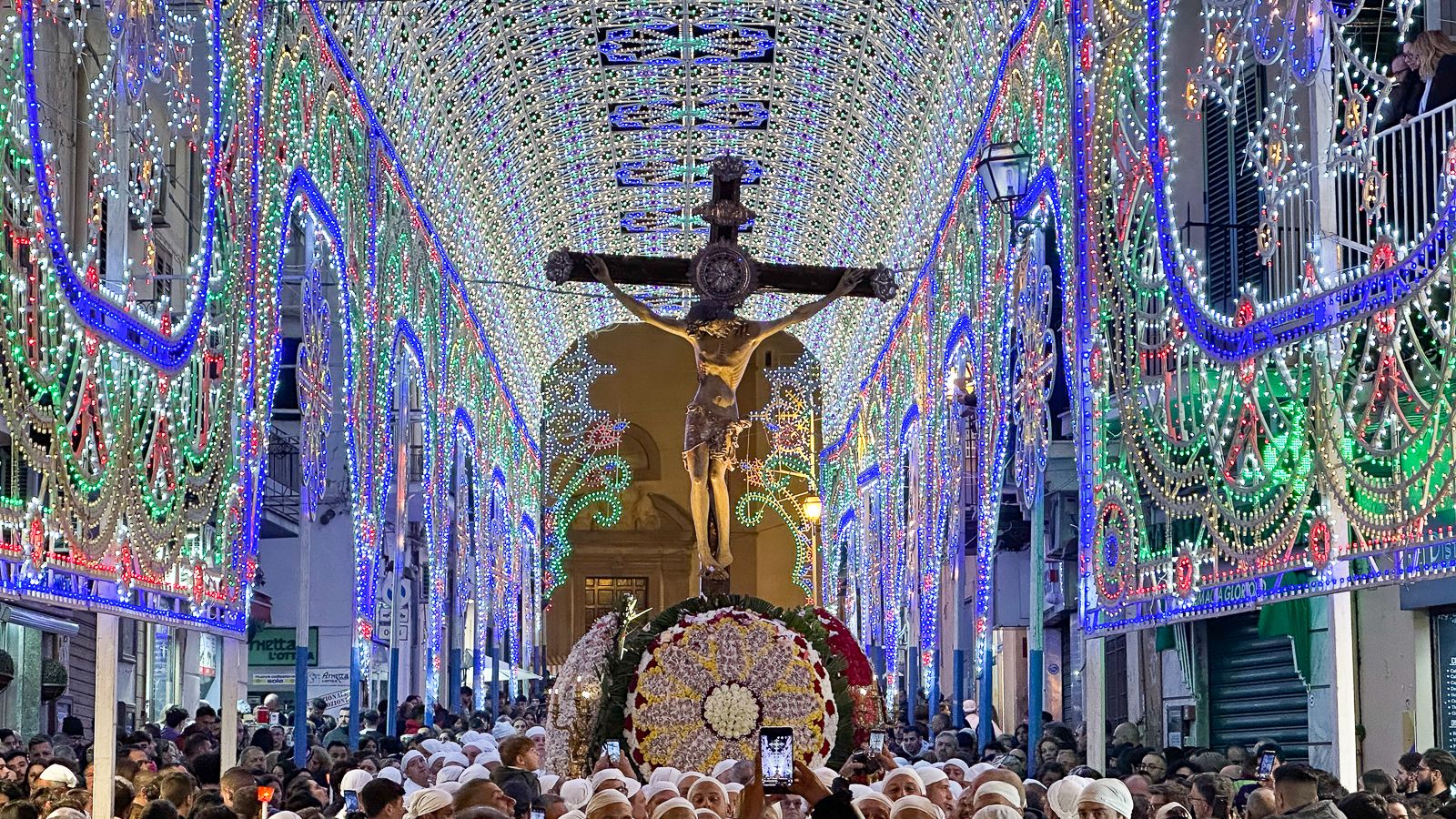 Monreale celebra i 400 anni del Santissimo Crocifisso tra videomapping e concerti27 aprile 2026
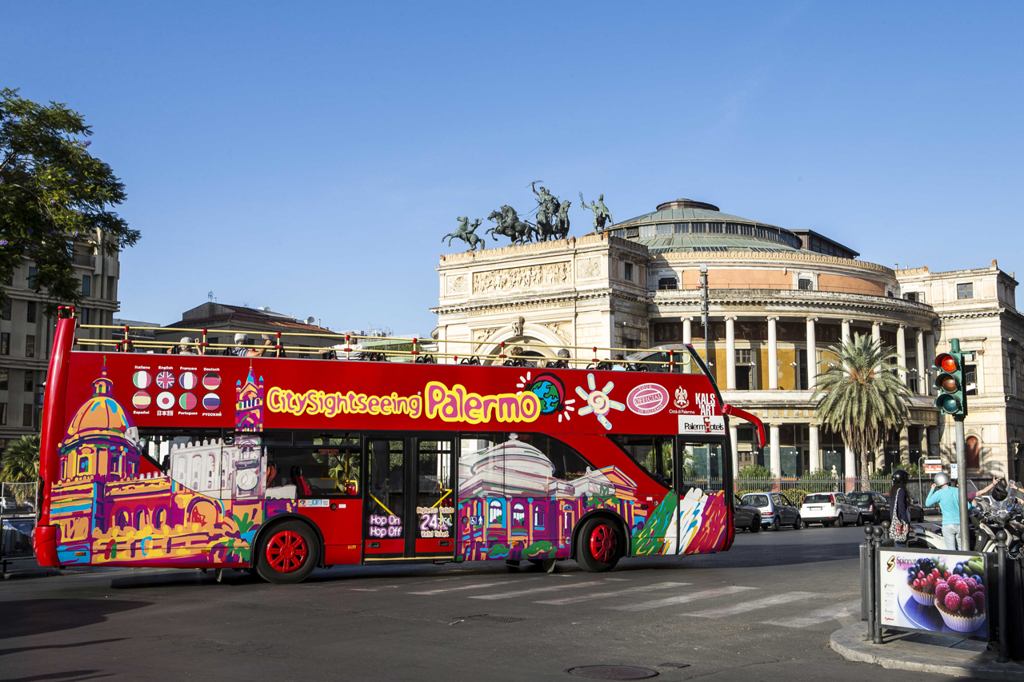 Tornano i bus scoperti City Sightseeing tra Palermo e Monreale24 marzo 2026
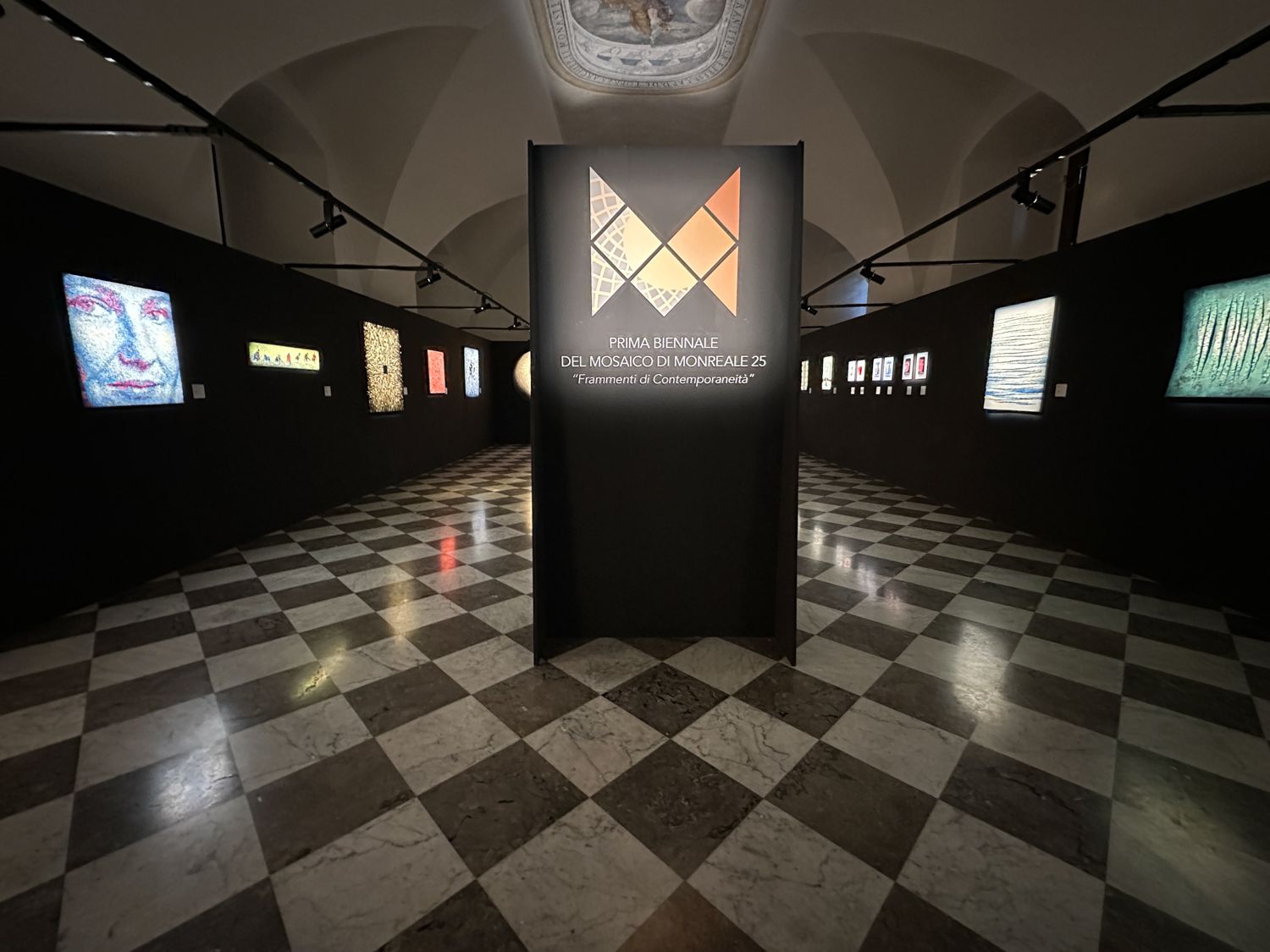 Successo per la Biennale del Mosaico di Monreale, apertura prorogata23 marzo 2026
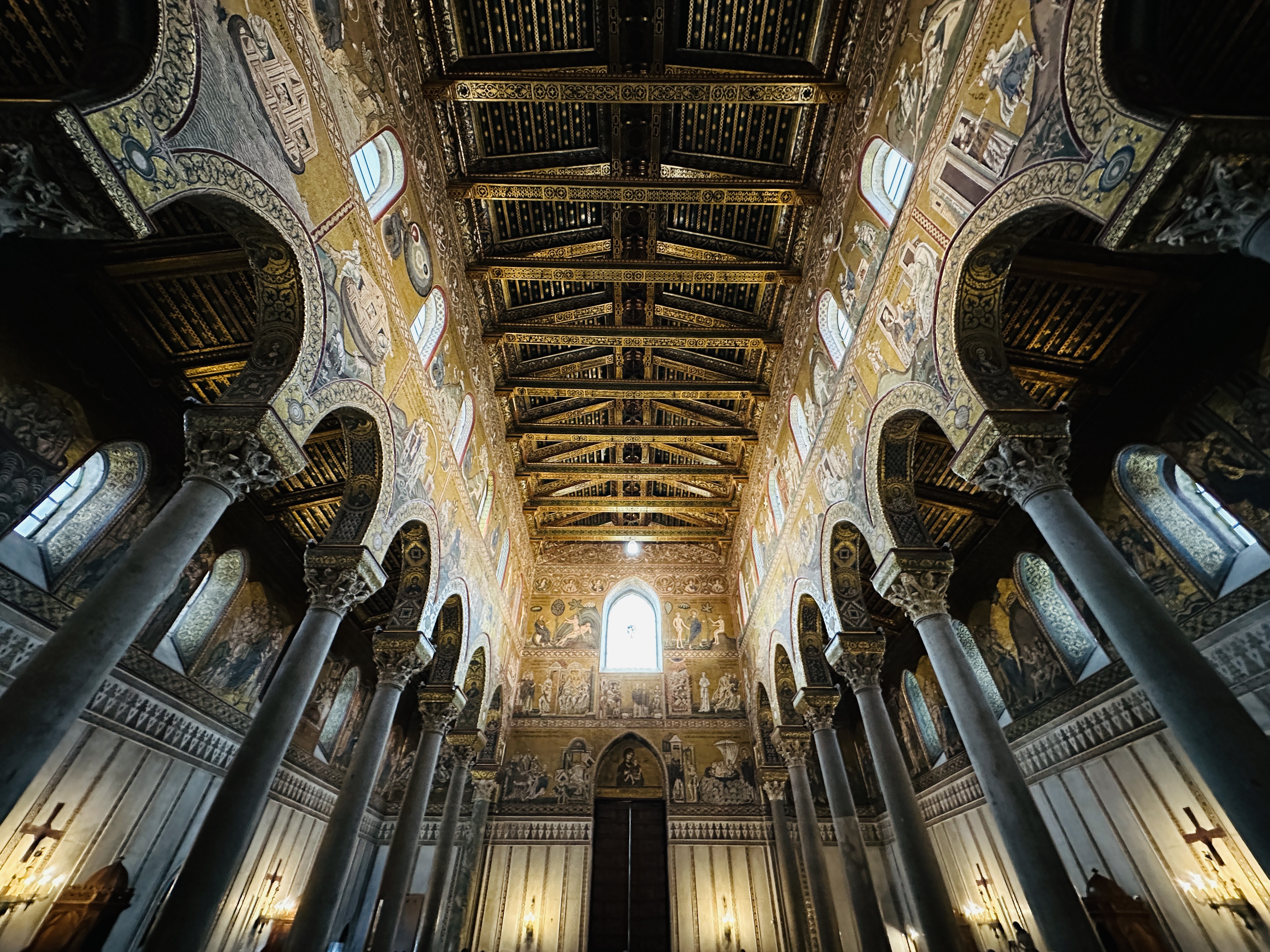 Turista francese muore durante visita a duomo Monreale21 febbraio 2026Monreale diventa capitale dei mosaici05 dicembre 2025
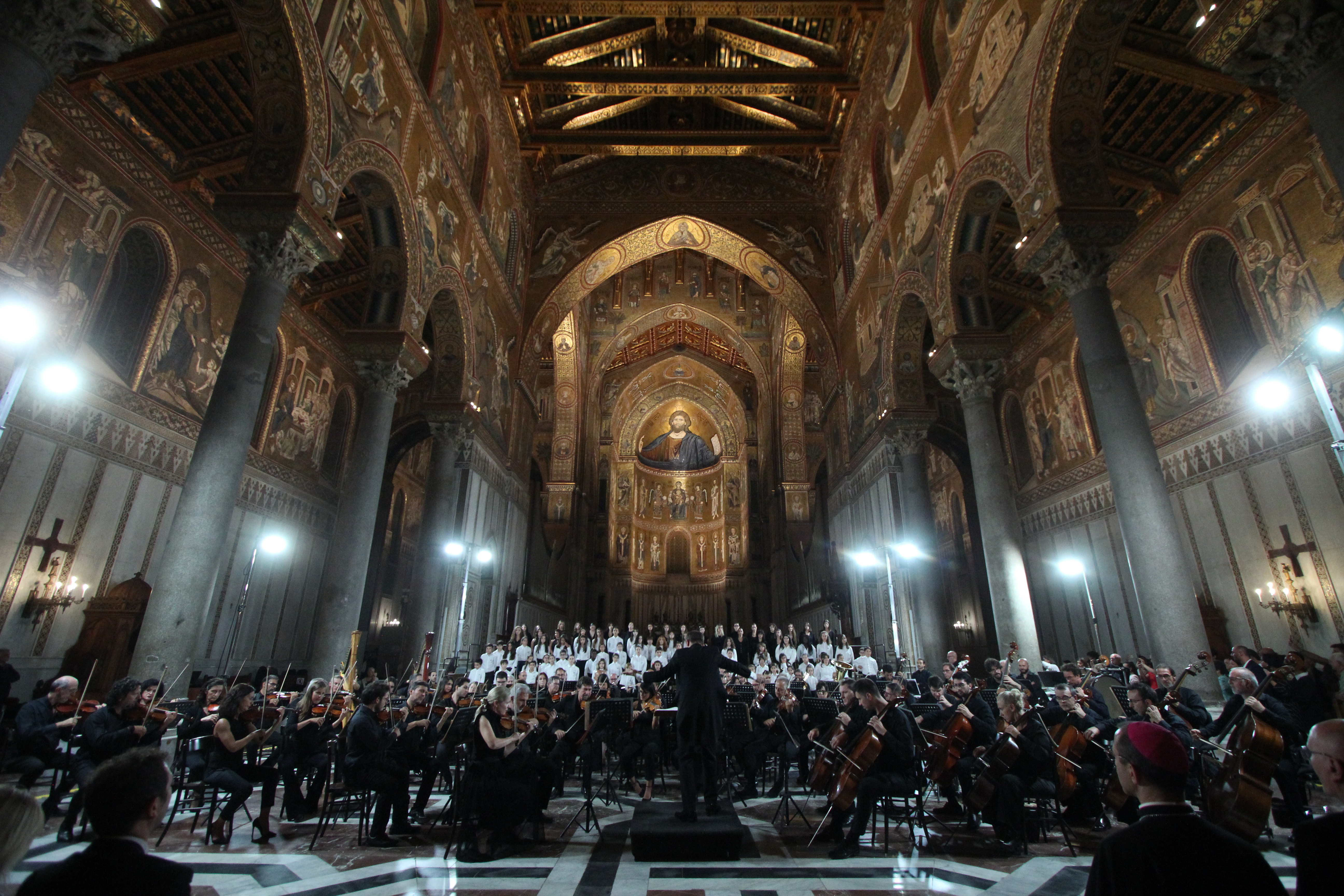 Sotto le volte del duomo di Monreale torna la Musica Sacra04 ottobre 2025
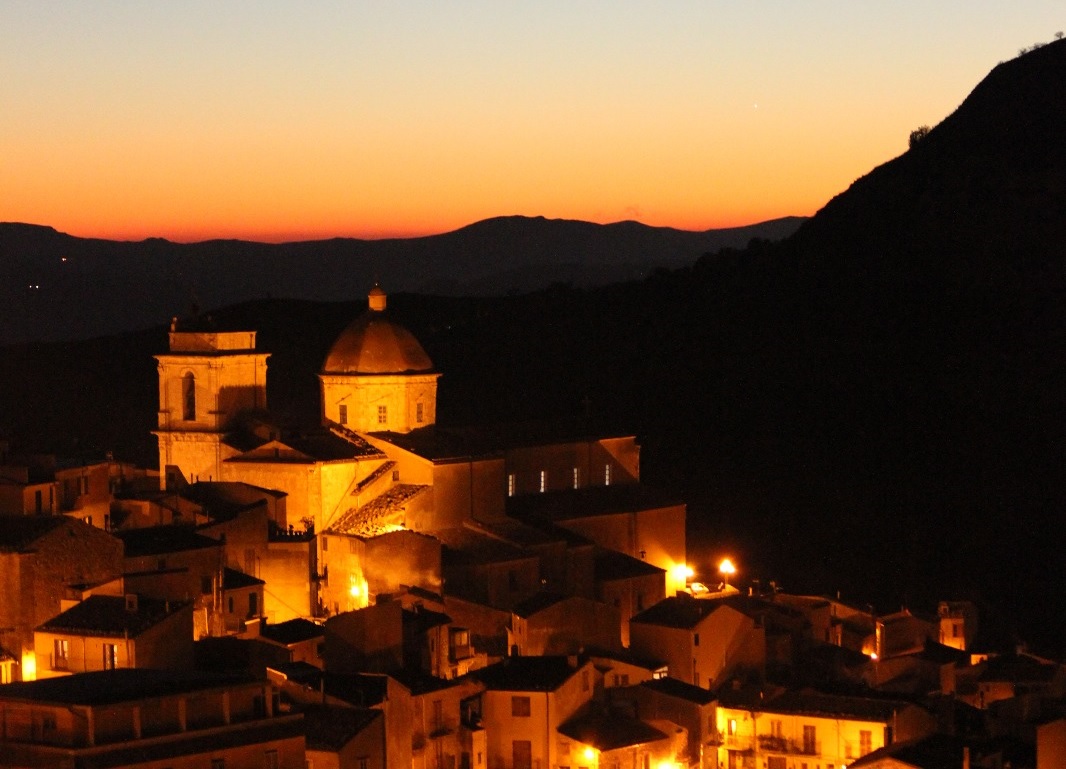 Al via Le Notti di BCsicilia: 50 eventi per valorizzare il territorio22 luglio 2025
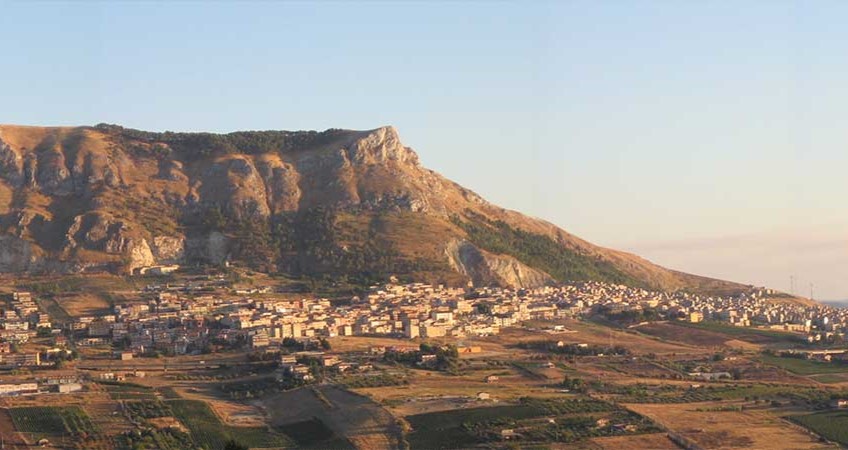 San Giuseppe Jato diventa più grande07 luglio 2025



.png)