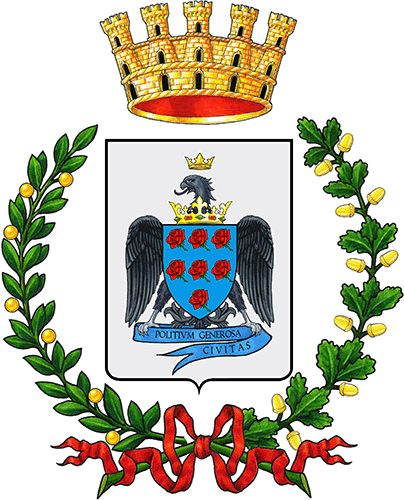
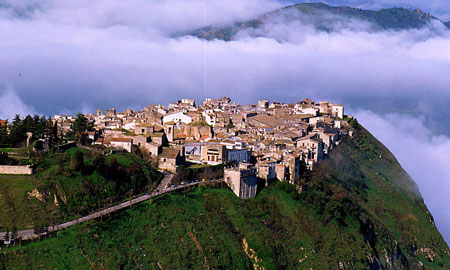
Polizzi Generosa is a charming mountain village in Sicily, perched at over 900 meters above sea level in the heart of the Madonie Park. Surrounded by breathtaking natural landscapes, the town overlooks the valley of the northern Imera River and stands out for its ancient charm, its cobbled streets, and the pure air of the Madonie hills.
Its origins are rooted in antiquity: the area has been inhabited since the 4th century BC, and in the Middle Ages, Polizzi assumed a strategic and cultural role. The name "Generosa" was given to it in the 13th century by Frederick II of Swabia, in recognition of the welcome he received and to emphasize its fertility and importance. Over the centuries, the town has managed to preserve its identity, remaining tied to the traditions and values of the area.
The historic center is a charming maze of medieval streets, stone houses, and religious buildings that testify to the artistic richness of the past. Among the most important monuments is the Mother Church, dedicated to Santa Maria Assunta, which houses precious sculptures and paintings, including works by the celebrated Renaissance artists Domenico and Antonello Gagini. Other noteworthy churches include San Francesco, now used for cultural events, and Santa Maria delle Grazie, renowned for its Baroque altar.
Polizzi Generosa is also home to an extraordinary natural heritage. Located within a protected area, it is home to rare flora, such as the Nebrodi fir (Abies nebrodensis), an endemic and endangered species, visible in the Madonna degli Angeli Valley. Nature lovers can explore the trails of the Madonie Park, where forests alternate with mountain ridges and spectacular panoramas that change color with the seasons.
The local culture is vibrant and deeply rooted in religious festivals and folk customs. Among the most heartfelt celebrations is the one in honor of San Gandolfo, the town's patron saint, held every September with processions, fireworks, and community gatherings. On this occasion, as on many others, gastronomy plays a central role. Sfoglio Polizzano is the traditional dessert: a shortcrust pastry filled with tuma cheese, sugar, cinnamon, and chocolate, born in 17th-century convents. Other typical products include cheeses like provola delle Madonie and authentically flavored artisanal cured meats.
Polizzi Generosa is not just a village to visit, but a place to experience, where time seems to slow down and every corner tells a story. It is the perfect destination for those seeking an authentic experience, immersed in culture, nature, and historical memory, in a corner of Sicily still largely untouched by mass tourism.
Polizzi Generosa, in the heart of the Madonie Mountains, boasts a vibrant network of small local businesses that reflect the community's pride in its identity and dedication. Local farms are a cornerstone of the economy: durum wheat crops, generous olive groves, and prized vineyards perpetuate ancient savoir-faire that has made the area famous for its gastronomic excellence. Family-run olive mills, using traditional millstones and modern pressing techniques, produce fragrant and aromatic extra virgin olive oils, a symbol of sustainable growth focused on organic farming. Family-run wineries stand out for their local wines, often made from native varietals such as Nero d'Avola or Cataratto, which express the character of the rocky, sunny terroir in their glass. At the same time, agritourisms and small accommodations offer authentic hospitality: comfortable rooms, carefully renovated spaces, and locally sourced cuisine allow visitors to savor local products and enjoy authentic experiences, such as harvesting olives or making handmade pasta.
Traditional crafts are another key aspect: artisan workshops pass down centuries-old techniques in ceramics, wrought iron, embroidery, and leatherwork. Each object embodies inherited skills and gestures, becoming a unique work deeply rooted in the Madonie cultural roots. Alongside these businesses, local shops enrich the town's offerings: delicatessens and delicatessens offer salami, pecorino cheeses, and dairy products from free-range animals; artisan bakeries produce bread made from ancient grains and traditional desserts.
Finally, micro-businesses in the service sector—construction firms, carpentry shops, and machine shops—ensure the functionality of the local community and the upkeep of urban spaces. Together, these hundreds of small businesses bring Polizzi Generosa to life, combining tradition, quality, and authenticity, contributing every day to the well-being of the community and keeping the thriving rural economy alive.
The Polizzi Generosa area, with a population of 2,860 in 2023, has a balanced demographic structure between males and females. The presence of foreigners is limited, with only 39 residents. The 134.6583 square kilometer territory offers ample development opportunities, with a variety of elevations ranging from 300 to 1,999 meters, representing a diverse and evocative geographical and morphological context.
Regarding housing, the 3,173 dwellings in the municipality offer both occupied and vacant space, with real estate investment potential. However, the limited presence of high-end accommodations, such as 5-star and 5-star luxury hotels, could pose a challenge to attracting high-end tourists.
The existing tourist facilities, such as agritourism, bed & breakfasts, and campsites, offer an opportunity for investment in the tourism sector, capitalizing on the area's natural and cultural beauty. Museums and similar institutions attract a significant number of visitors, indicating a potential interest in the local cultural heritage.
Health and social infrastructure could be a key asset in attracting investment in the healthcare and welfare sector, ensuring quality services for the local population and potential tourists.
In conclusion, the Polizzi Generosa area offers interesting investment opportunities in the real estate, tourism, healthcare, and cultural sectors, thanks to its attractive geographic location and the presence of unique natural and cultural resources. Investors could benefit from a local context rich in potential, although they must address some challenges related to the limited availability of high-end accommodation facilities.
Polizzi Generosa, nestled in the heart of Sicily's Madonie National Park, is a charming medieval village that retains the charm of its past. Strolling through its narrow cobblestone streets, you'll experience an authentic atmosphere amidst historic buildings, ancient churches, and breathtaking panoramic views. One of the main attractions is the Chiesa Madre, dedicated to Santa Maria Maggiore, which houses valuable works of art and impressive Catalan-Gothic architecture. Also of great interest is the Church of San Francesco, with its cloister and Renaissance frescoes.
The historic center of Polizzi Generosa is a labyrinth of picturesque alleys, stone arches, and flower-filled balconies, telling the story of a village that was also a cultural center during the Kingdom of Sicily. Also worth visiting are the Civic Archaeological Museum and the Madonie Environmental Museum, which offer an in-depth look at the natural and cultural history of the area. Just outside the town, nature lovers can explore the numerous trails of the Madonie Park, through centuries-old forests, beech and chestnut trees, where they can spot rare endemic flora and breathe in the fresh mountain air.
Polizzi Generosa is also famous for its popular traditions, such as the Festival of the Patron Saint San Gandolfo, which enlivens the town with processions, music, and folk performances. Local crafts, particularly ceramics and embroidery, are another attraction for visitors. Finally, the panorama from the highest points of the village, with views ranging from the mountains to the sea, makes Polizzi Generosa an ideal destination for those seeking beauty, culture, and tranquility in an authentic setting rich in history.
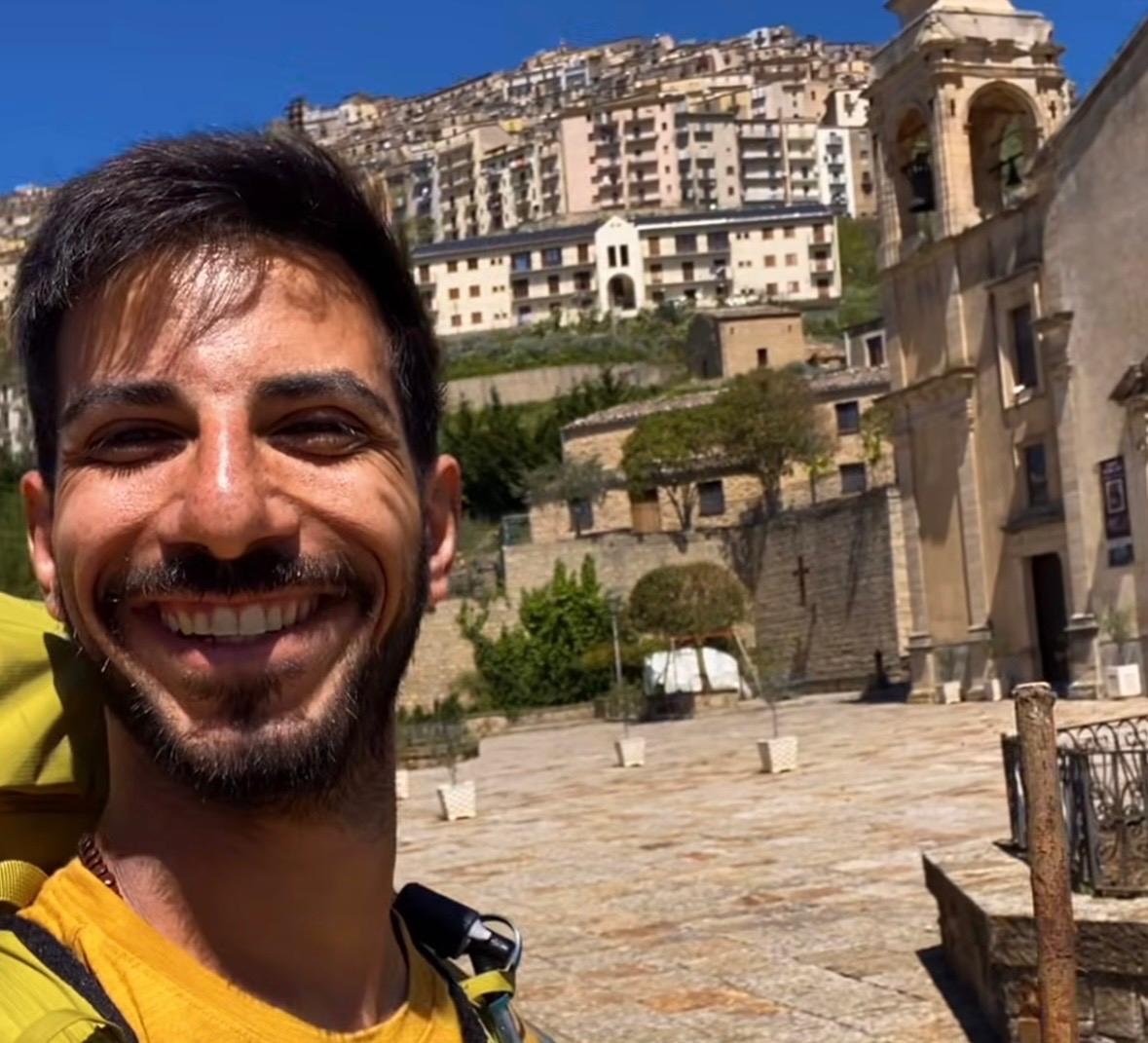 Torna in Sicilia dopo 12 anni per scoprirla a piedi: il viaggio di ritorno di Giuseppe28 aprile 2026
 Un sito per la promo-commercializzazione di Polizzi Generosa30 novembre 2024
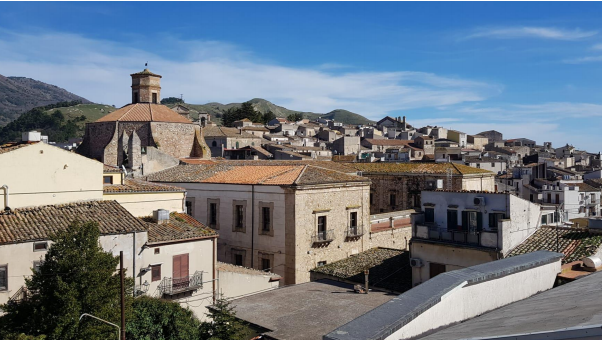 Lo sviluppo turistico sostenibile di Polizzi Generosa: incontro con Wonderful Italy05 maggio 2021
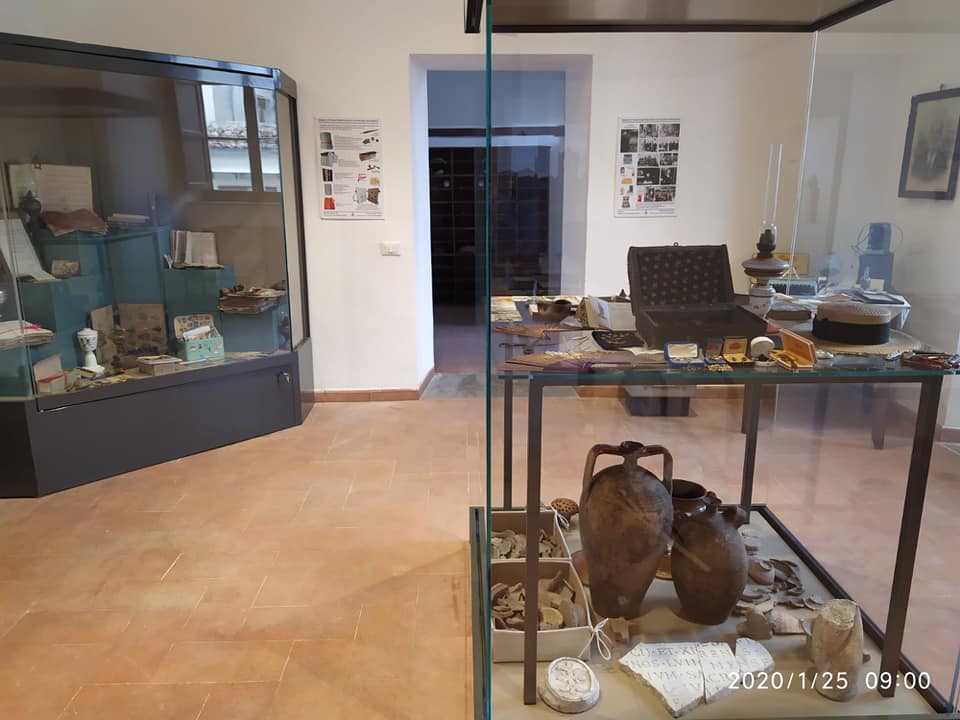 A Polizzi Generosa manca personale al museo e il sindaco fa il custode03 febbraio 2020
 Polizzi Generosa e Catania sul podio per incremento flussi turistici29 gennaio 2019Polizzi Generosa si prepara al Natale con un evento ah hoc21 dicembre 2018
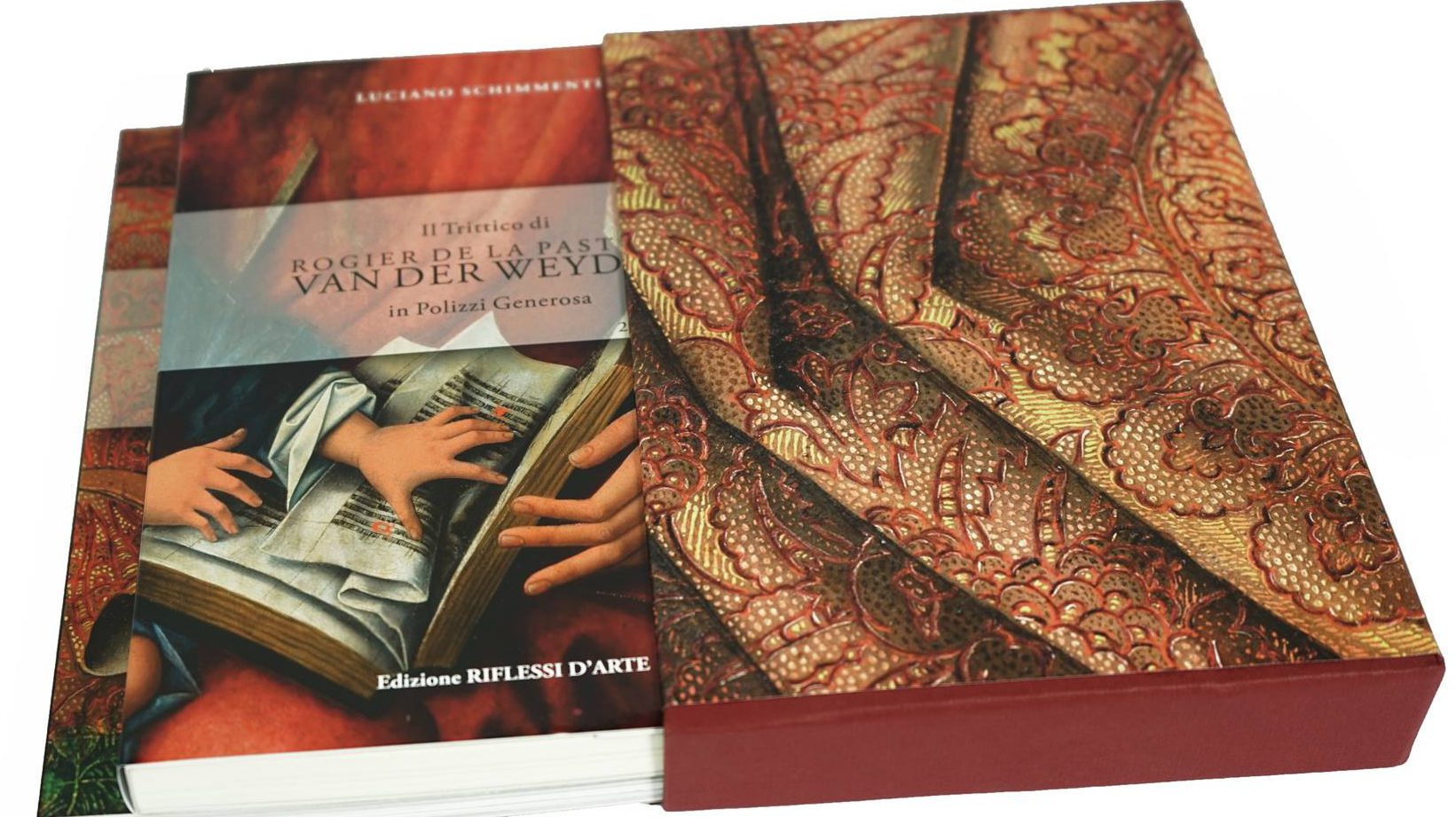 Il tesoro dei borghi madoniti protagonista a Polizzi Generosa01 dicembre 2017