-svg.png "Stemma di Palermo")
Palermo is the capital of Sicily, located on the island's northwest coast, overlooking the Tyrrhenian Sea. With a millennia-old history rooted in antiquity, this city is a crossroads of cultures, traditions, and architecture reflecting the numerous dominations that have dominated it over the centuries. Founded by the Phoenicians, it later became an important center for the Greeks, Romans, Byzantines, Arabs, and Normans, each of whom left indelible marks on the city's urban and cultural fabric.
Palermo's historic center is one of the largest in Europe, filled with noble palaces, churches, markets, and alleyways that recount a past steeped in splendor and contradictions. Among the most iconic monuments are the Cathedral, which combines Norman, Gothic, and Baroque architectural elements, and the Palazzo dei Normanni, a former royal residence now home to the Sicilian Regional Assembly. Inside is the famous Palatine Chapel, a jewel of Byzantine art decorated with golden mosaics of rare beauty. Since 2015, Palermo's Arab-Norman itinerary, along with the cathedrals of Cefalù and Monreale, has been a UNESCO World Heritage Site, along with the following monuments: the Royal Palace, the Palatine Chapel, San Giovanni degli Eremiti, the Martorana Church, San Cataldo, the Zisa, the Admiral's Bridge, and the Cathedral.
The coexistence of different architectural styles reflects Palermo's cultural diversity, where Arab influence is evident not only in the city planning and architectural decorations but also in the local cuisine. Palermo's cuisine is a mosaic of flavors, blending Mediterranean and Middle Eastern traditions: dishes such as arancini, bread with spleen, caponata, and ricotta-based desserts like cannoli and cassata are symbols of a rich and deeply rooted culinary tradition.
Palermo's historic markets, such as Ballarò, Vucciria, and Capo, are vibrant places of daily life, where time seems to stand still. Here, folklore, the intense aromas of spices, the voices of vendors, and the picturesque chaos convey an authentic image of the city. Strolling among the fish, fruit, and meat stalls is a sensory experience that captures the true essence of Palermo.
Palermo is also a dynamic cultural center, home to universities, historic theaters such as the Teatro Massimo, one of the largest in Europe, and numerous museums. In recent years, the city has experienced renewed artistic and tourist interest, thanks to urban redevelopment projects and greater appreciation of its immense heritage. Despite the challenges of social and infrastructural issues, Palermo retains a unique charm, made of contrasts and harmonies. The sea that surrounds it, the mountains that protect it, the mild climate, and the warmth of its inhabitants contribute to making it a welcoming and captivating city, where past and present intertwine in a precarious yet fascinating balance.
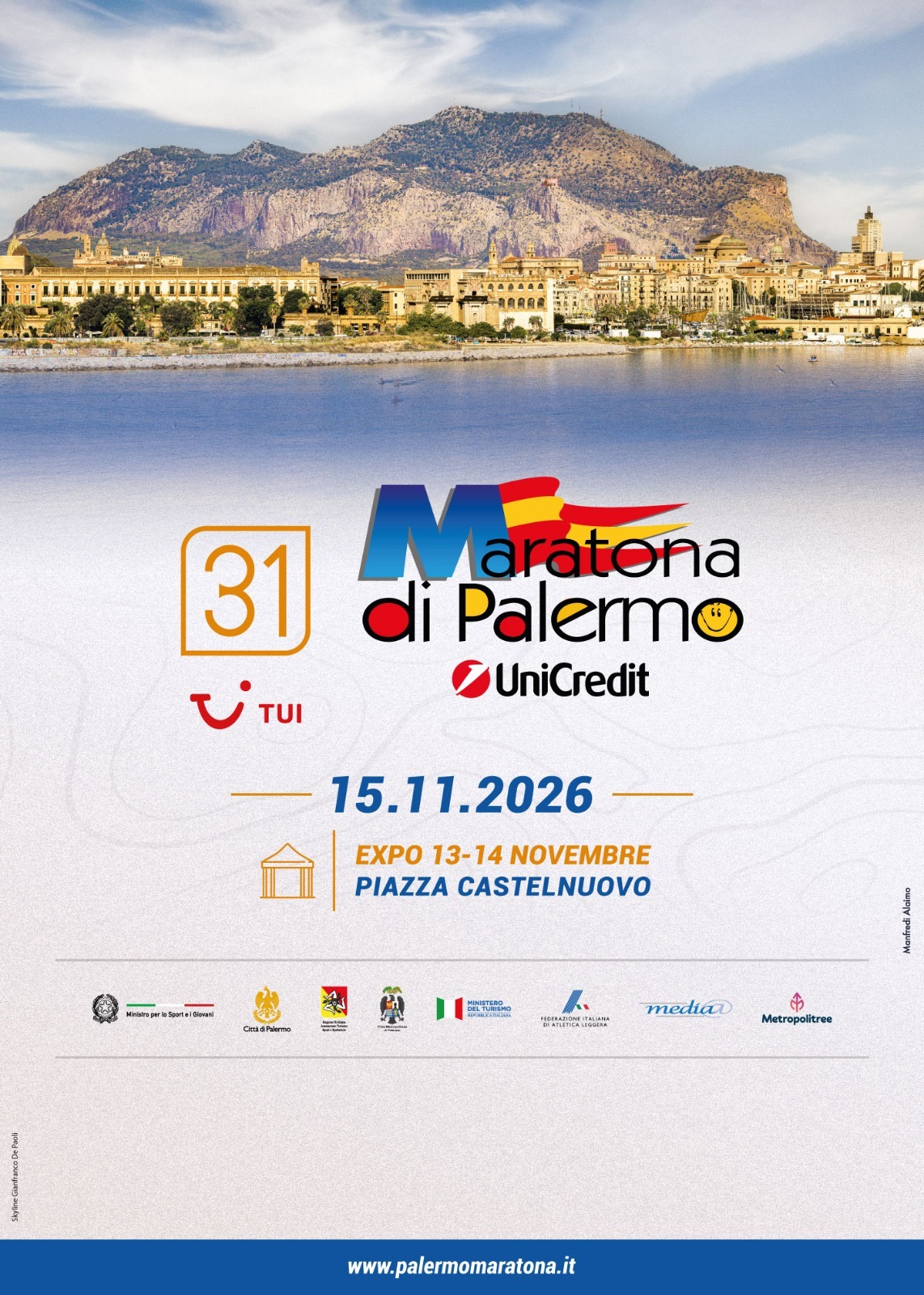 Maratona di Palermo
15 November 2026
Maratona di Palermo
15 November 2026
 Ballarò buskers
16-18 October 2026
Ballarò buskers
16-18 October 2026
.jpg) Targa Florio Classica
15-18 October 2026
Targa Florio Classica
15-18 October 2026
 Coppa degli Assi
24 September - 4 October 2026
Coppa degli Assi
24 September - 4 October 2026
 Le Vie dei Tesori
19 September - 15 November 2026
Le Vie dei Tesori
19 September - 15 November 2026
.jpg) Giornata Mondiale del Turismo
25-27 September 2026
Giornata Mondiale del Turismo
25-27 September 2026
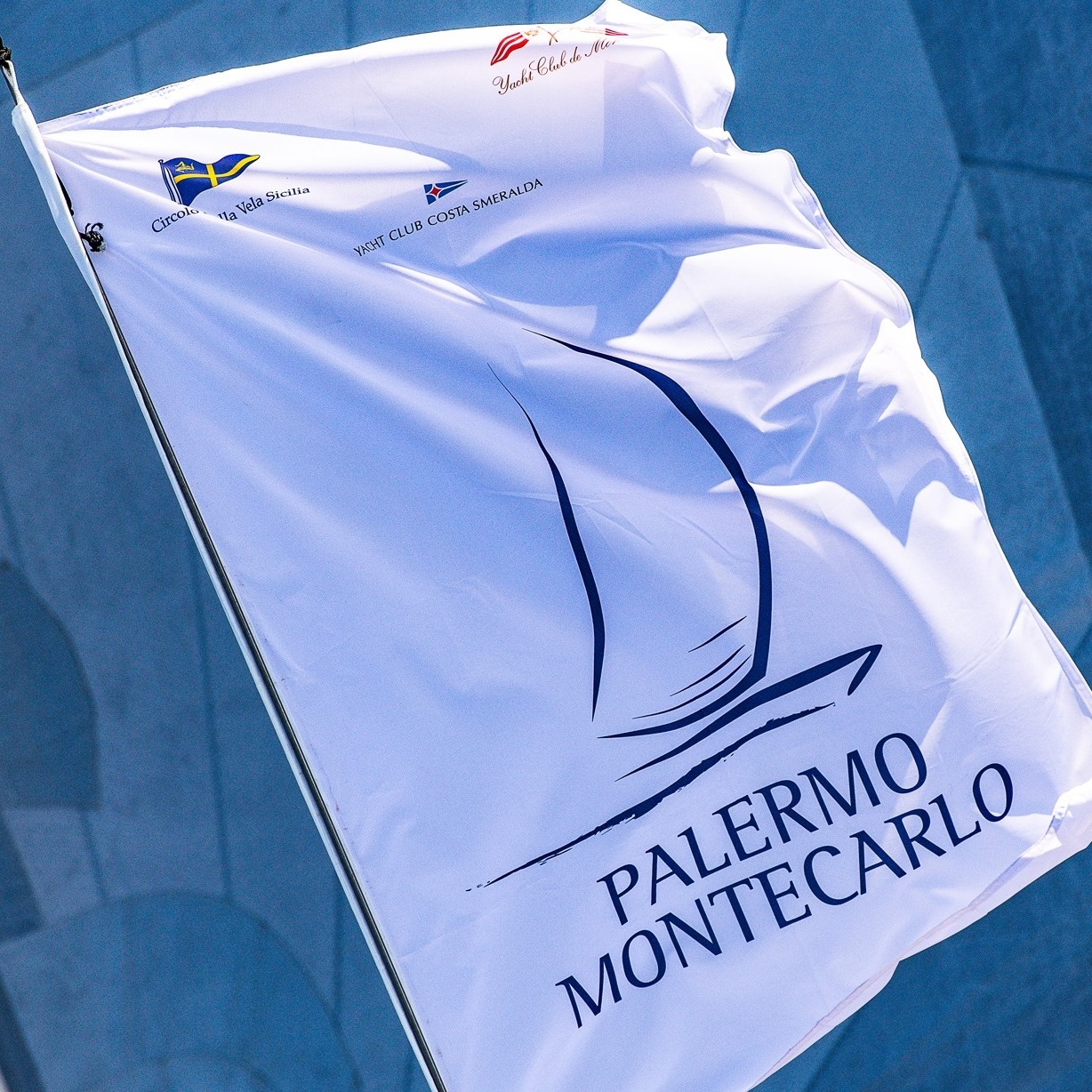 Regata Palermo–Montecarlo
18-23 August 2026
Regata Palermo–Montecarlo
18-23 August 2026
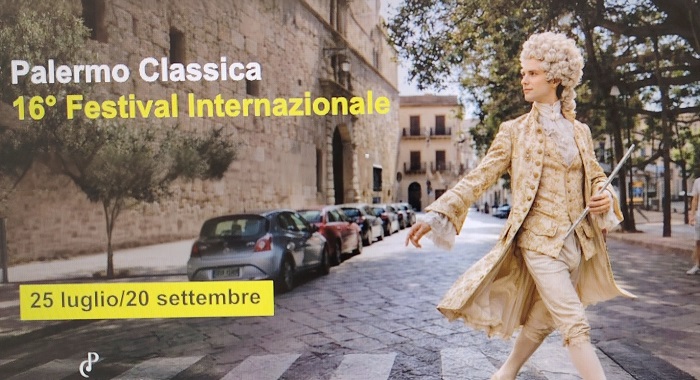 Festival Internazionale Palermo Classica
25 July - 20 September 2026
Festival Internazionale Palermo Classica
25 July - 20 September 2026
 WTA Torneo Int.le Tennis
17-26 July 2026
WTA Torneo Int.le Tennis
17-26 July 2026
 Festino di Santa Rosalia
14-15 July 2026
Festino di Santa Rosalia
14-15 July 2026
 Targa Florio Rally
14-16 May 2026
Targa Florio Rally
14-16 May 2026
 Expo Comics e Games
23-26 April 2026
Expo Comics e Games
23-26 April 2026
 La via dei Librai
17-19 April 2026
La via dei Librai
17-19 April 2026
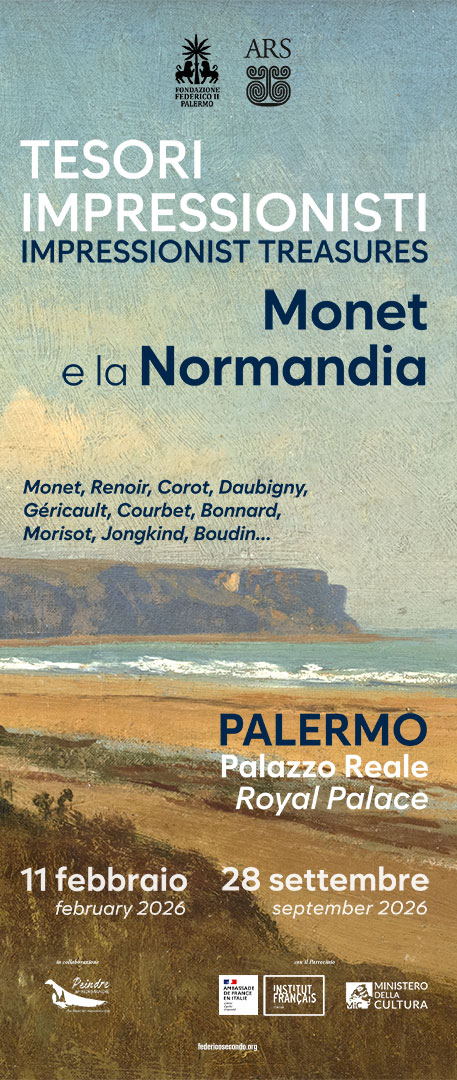 Tesori Impressionisti: Monet e la Normandia
11 February - 28 September 2026
Tesori Impressionisti: Monet e la Normandia
11 February - 28 September 2026

Local businesses in the municipality of Palermo represent a rich and diverse economic fabric, rooted in tradition yet also embracing innovation. Retail and artisanship have always been a significant part of the Palermo economy. Numerous artisan workshops perpetuate ancient skills, such as working with coral, ceramics, wood, and precious metals, creating unique products that reflect the cultural identity of the region. Alongside these historic businesses, modern businesses have developed in the fashion, design, and agri-food sectors, often run by young entrepreneurs who focus on quality and the valorization of local resources.
Food and wine are one of the driving forces of the local economy. Numerous farms and independent producers process traditional products such as olive oil, wine, cheese, preserves, and traditional sweets. Some of these businesses have chosen short supply chains or organic production, responding to a growing demand for authentic and sustainable products. Tourism, which is booming, has also fostered the emergence of hospitality businesses, such as bed and breakfasts, restaurants, guided tours, and experiential services, contributing to the growth of the local economy.
The technology sector is also evolving, with the emergence of startups and small digital companies operating in IT, marketing, and innovative services. Finally, social enterprises and cooperatives play an important role in promoting inclusion and sustainable development, often active in cultural and urban regeneration projects. Despite the challenges of the economic and bureaucratic context, Palermo's businesses demonstrate great resilience and a strong capacity for reinvention, contributing significantly to the city's vitality.
The Municipality of Palermo, identified by ISTAT code 082053, has a population of 630,427 as of 2023, with a slight female predominance (329,058 women compared to 301,369 men). The foreign population stands at 36,702, evenly distributed between men and women, representing approximately 5.8% of the total population.
The municipal territory extends over an area of over 5,009 square kilometers, predominantly flat or hilly, as 75% of the area lies below 300 meters above sea level, while only a small portion exceeds 900 meters. In terms of housing, Palermo has 730,234 homes, of which 492,744 are occupied and 237,490 are unoccupied, highlighting a significant portion of the building stock potentially available for redevelopment, conversion, or repurposing, both residential and tourism.
The accommodation offering, concentrated primarily in the non-hotel segment, includes 692 establishments with a total of 5,764 beds, in addition to 85 hotels with a total of 8,286 beds. There is a strong concentration of three- and four-star accommodations, while five-star or luxury hotels are completely absent, suggesting a clear market opportunity in this high-end segment.
Tourism demand, also supported by the presence of 30 museums with 348,529 annual visitors recorded in 2020, demonstrates a strong cultural appeal despite the limitations imposed by the pandemic that year. The healthcare sector also boasts significant infrastructure, with 3,400 beds overall, divided primarily between acute care, long-term care, and rehabilitation facilities. This leaves room for potential investment in private clinics, rehabilitation services, or senior citizen facilities.
The combination of a large population, a substantial available housing stock, a growing but still underserved high-end tourism demand, and a significant healthcare infrastructure makes Palermo a region with attractive growth potential for investors in the real estate, tourism, healthcare, and personal services sectors.
Palermo, the capital of Sicily, is a city rich in history, art, and culture, captivating visitors with its numerous tourist attractions. Strolling through the historic center, one of the largest in Europe, you can admire a surprising mix of architectural styles reflecting the various rulers: Arab, Norman, Byzantine, and Spanish. Among the most emblematic sites is the Palermo Cathedral, majestic and elegant, with its domes, mosaics, and royal tombs. A few steps away is the Norman Palace, a former royal residence, which houses the Palatine Chapel, a jewel of Byzantine art, famous for its golden mosaics.
Another unmissable stop is the Teatro Massimo, one of the largest in Europe, known not only for its perfect acoustics but also for its elegant neoclassical architecture. Historic markets such as Ballarò, Capo, and Vucciria offer a unique sensory experience: aromas, flavors, and colors that reflect the city's culinary and folk traditions. Also not to be missed is the Kalsa neighborhood, filled with noble palaces, baroque churches, and contemporary art spaces.
For those seeking a break from the city, Palermo offers splendid seaside resorts like Mondello, with its golden beach and crystal-clear waters, easily accessible from the city center. History buffs can explore the Capuchin Catacombs, a fascinating yet haunting place where time seems to have stood still. Palermo is also an ideal starting point for excursions to the surrounding area, such as Monreale with its famous Duomo, or Monte Pellegrino, which offers spectacular views of the city and the sea. The variety of attractions makes Palermo a perfect destination for every type of traveler, combining beauty, authenticity, and cultural depth.
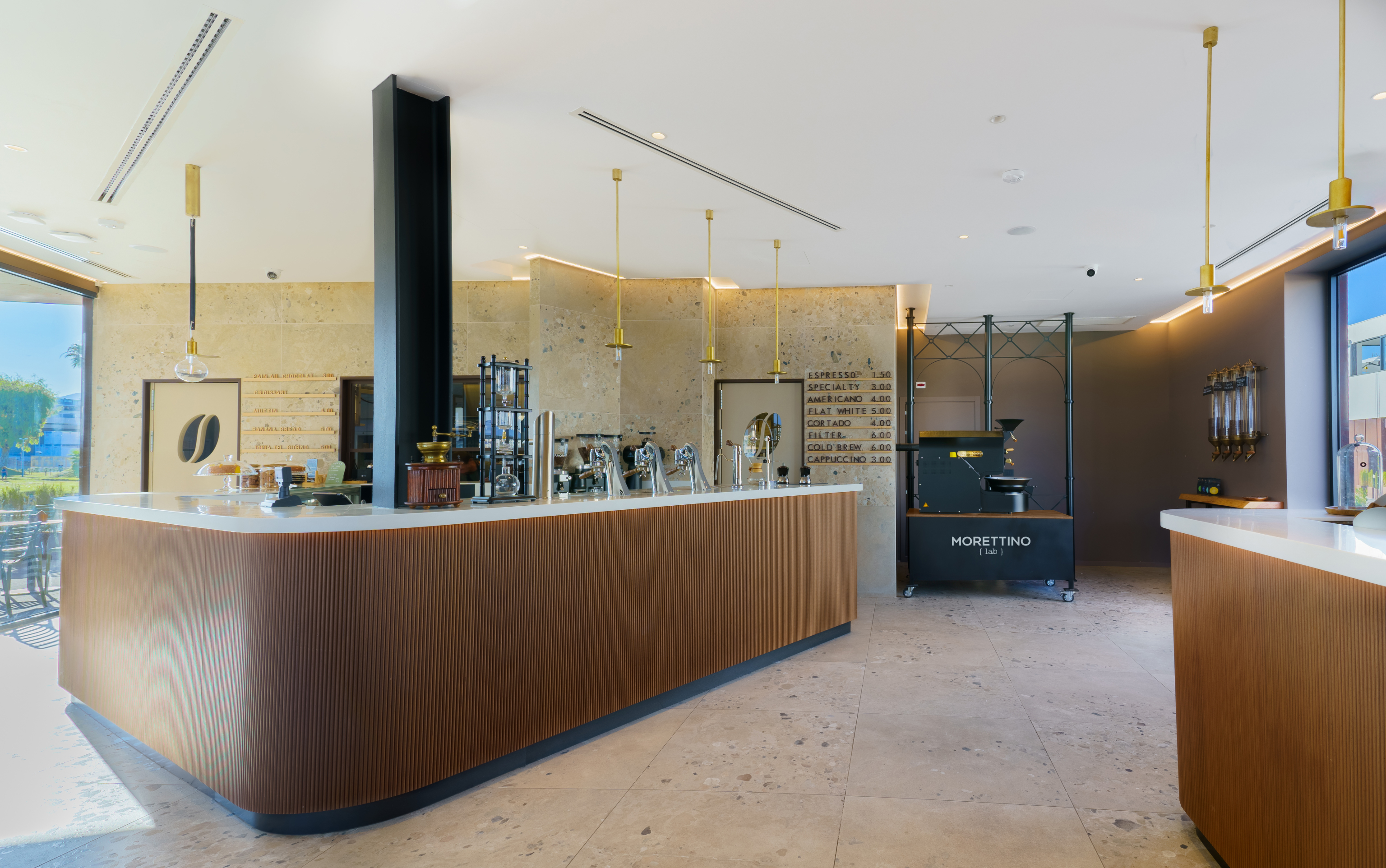 Gambero Rosso: doppio riconoscimento per Morettino nella guida Bar d’Italia 202730 settembre 2026
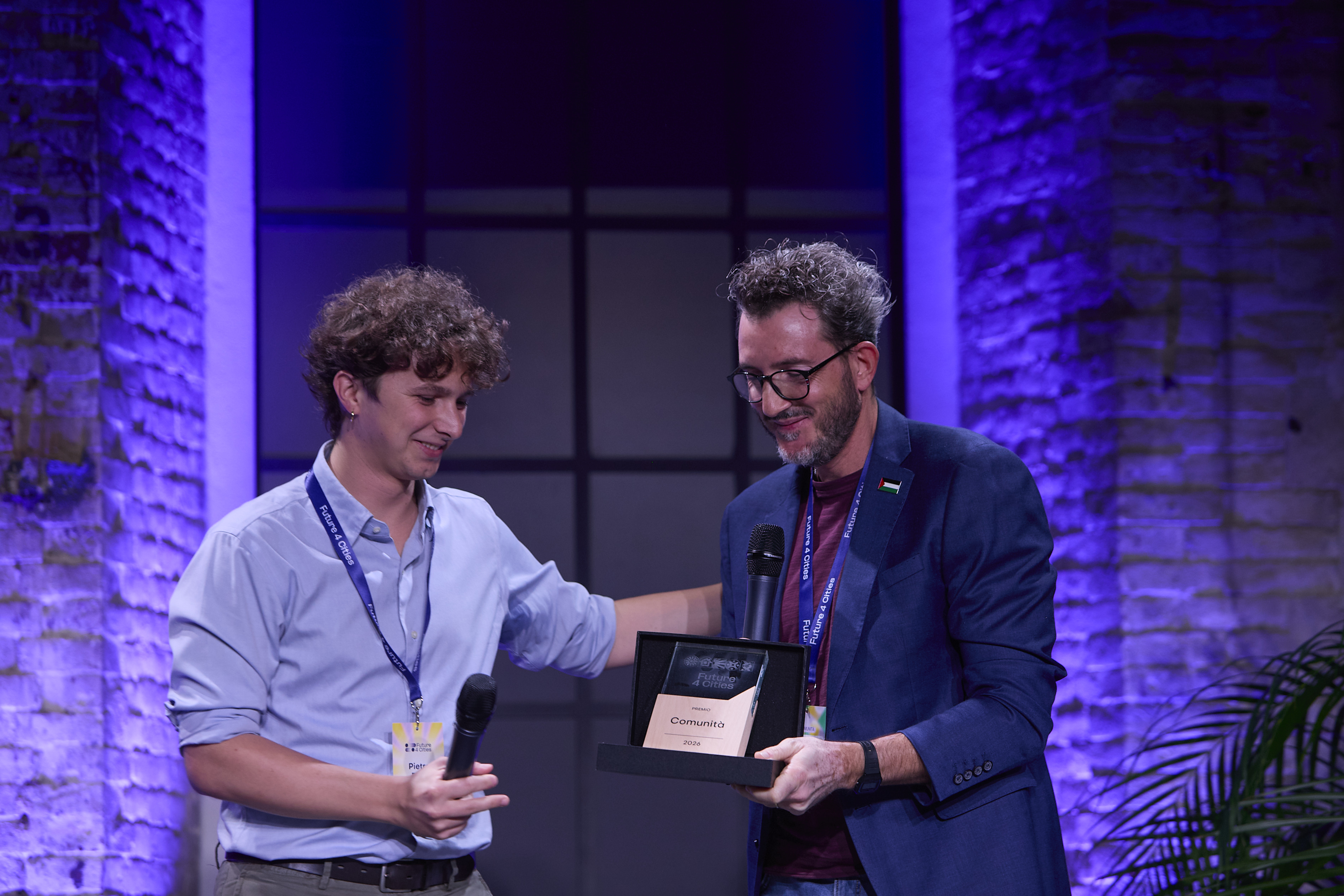 Palermo conquista Premio Future4Cities con i progetti MuST23 e Metropolitree29 settembre 2026
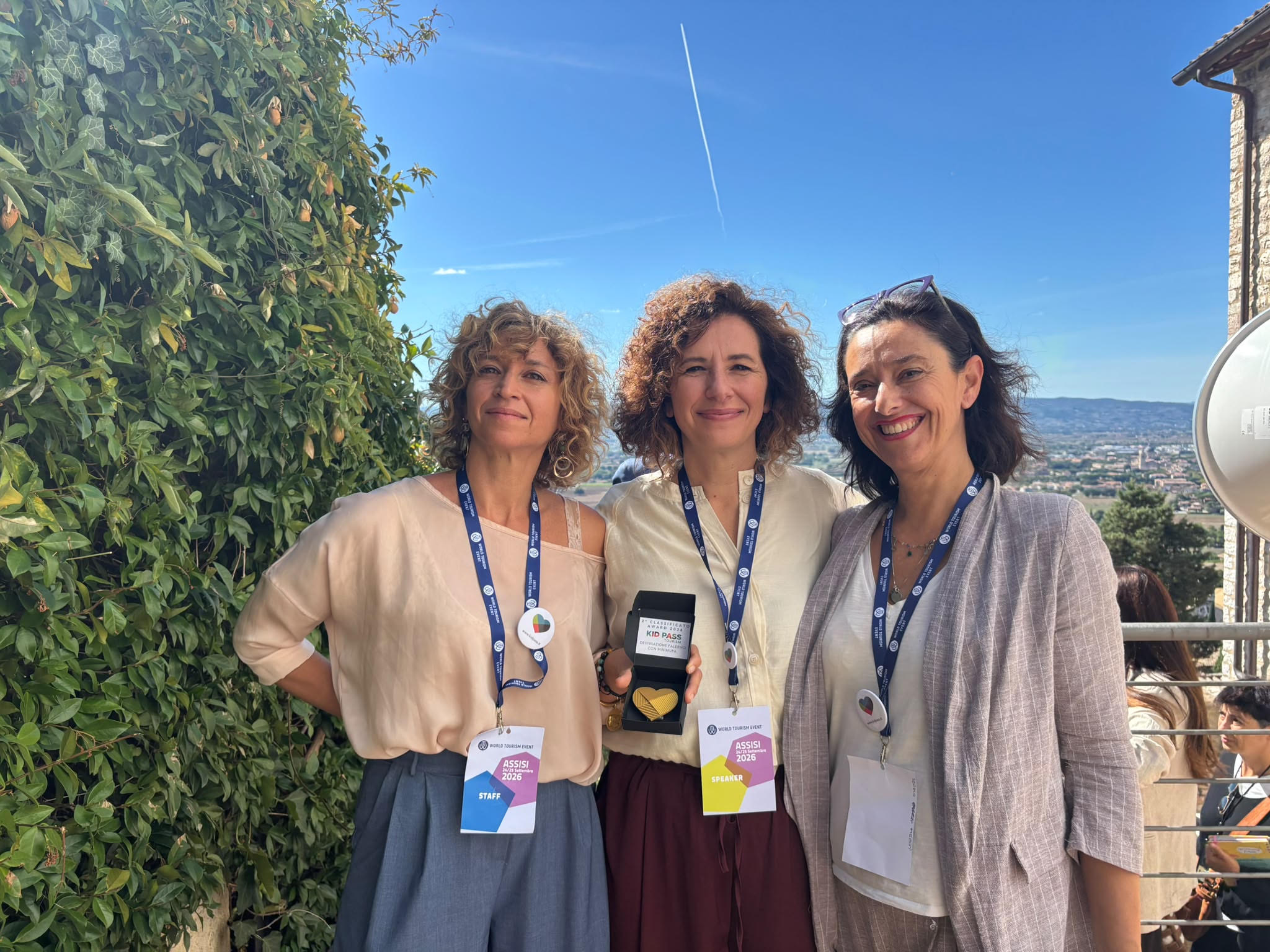 Kid Pass Tourism Award, 2° posto conquistato da MiniMuPa28 settembre 2026
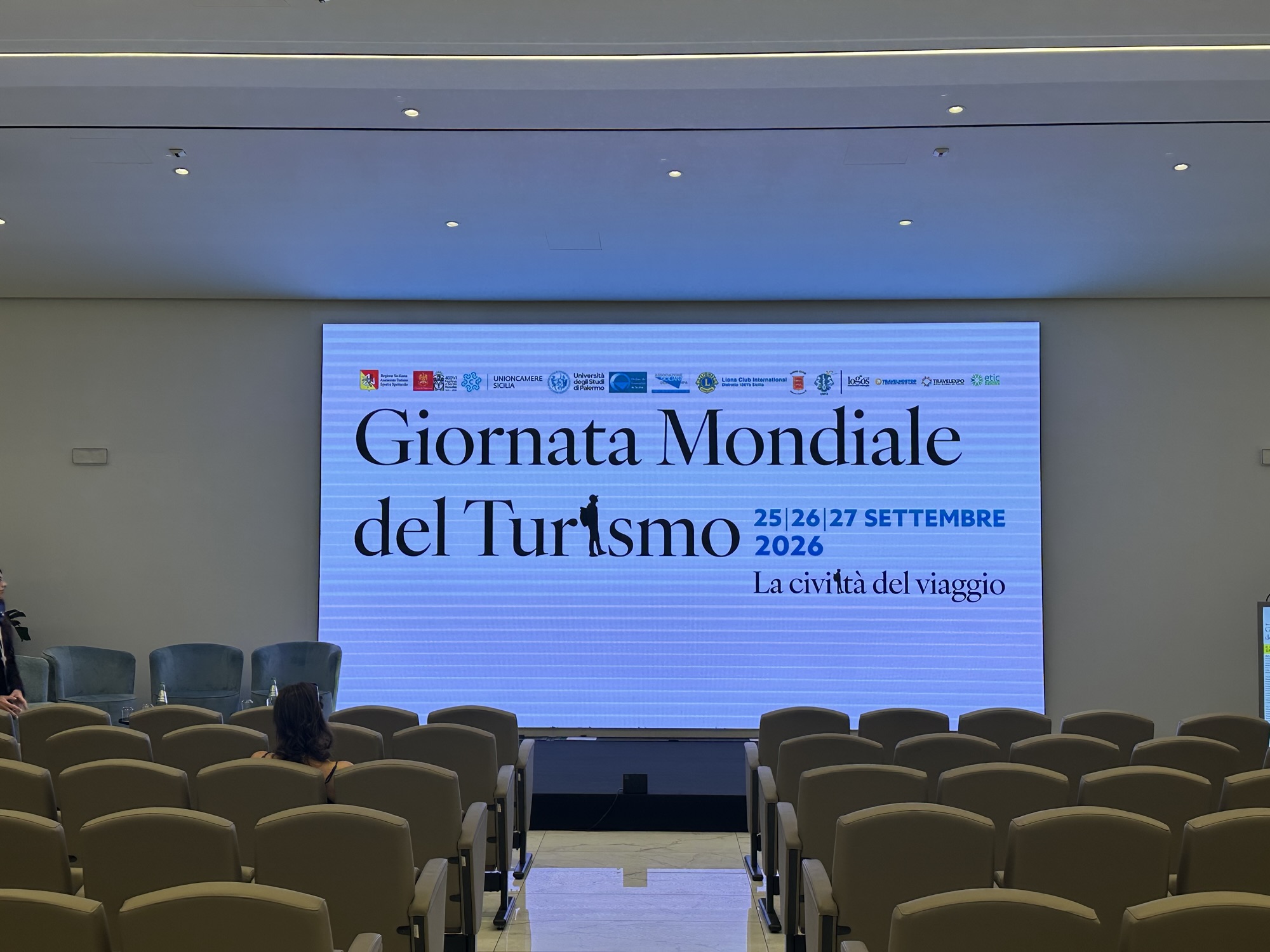 Giornata Mondiale Turismo apre al pubblico domenica al Molo26 settembre 2026
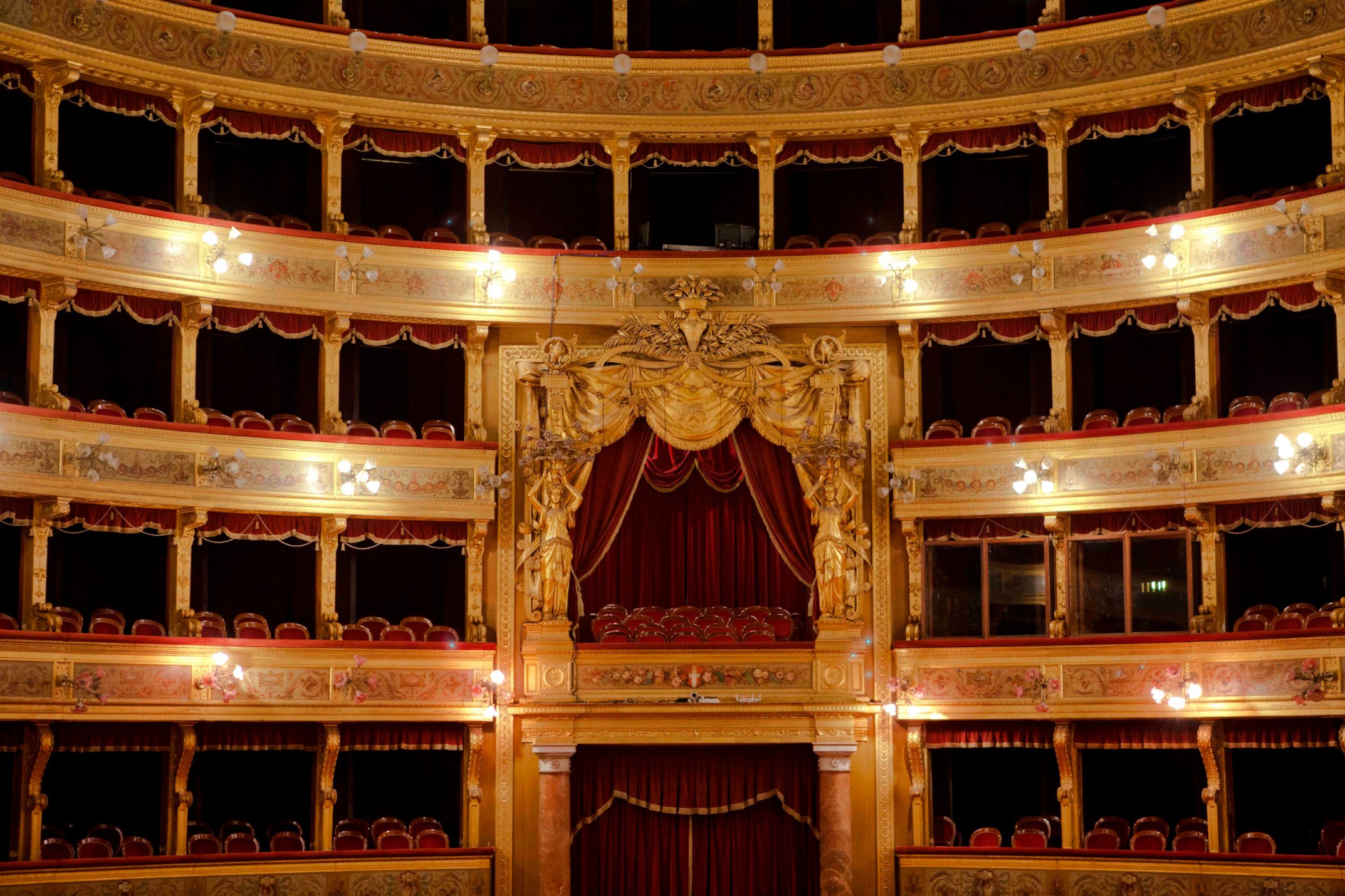 Teatro Massimo, apertura straordinaria by night a 1 euro26 settembre 2026
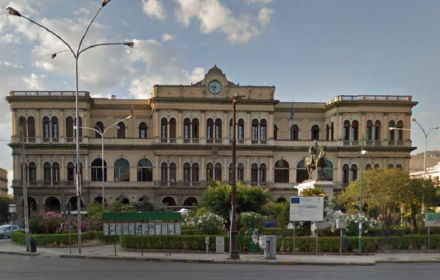 La stazione di Palermo diventa platea per i concerti di Piano City26 settembre 2026
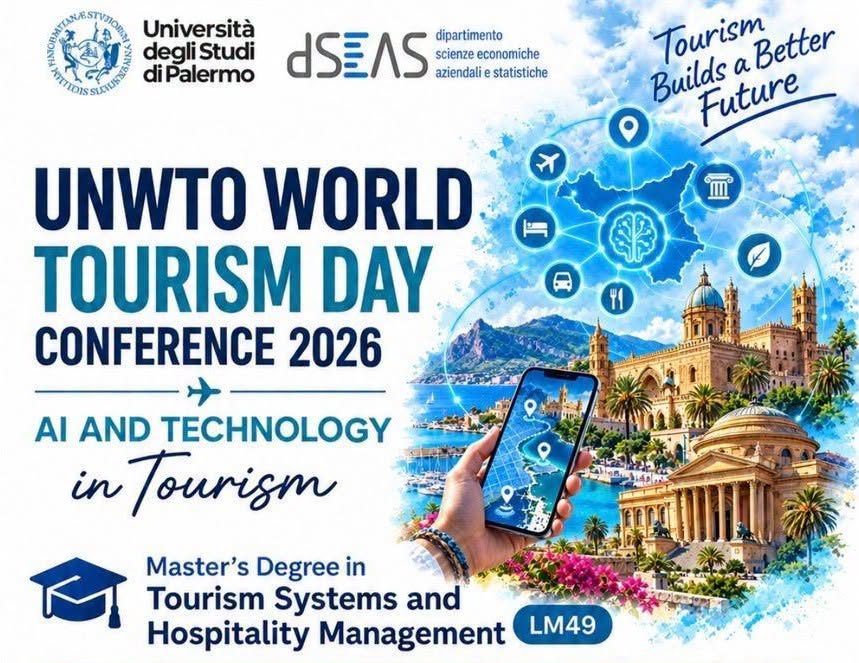 A Palermo la preview della Giornata mondiale del Turismo è all’Università24 settembre 2026
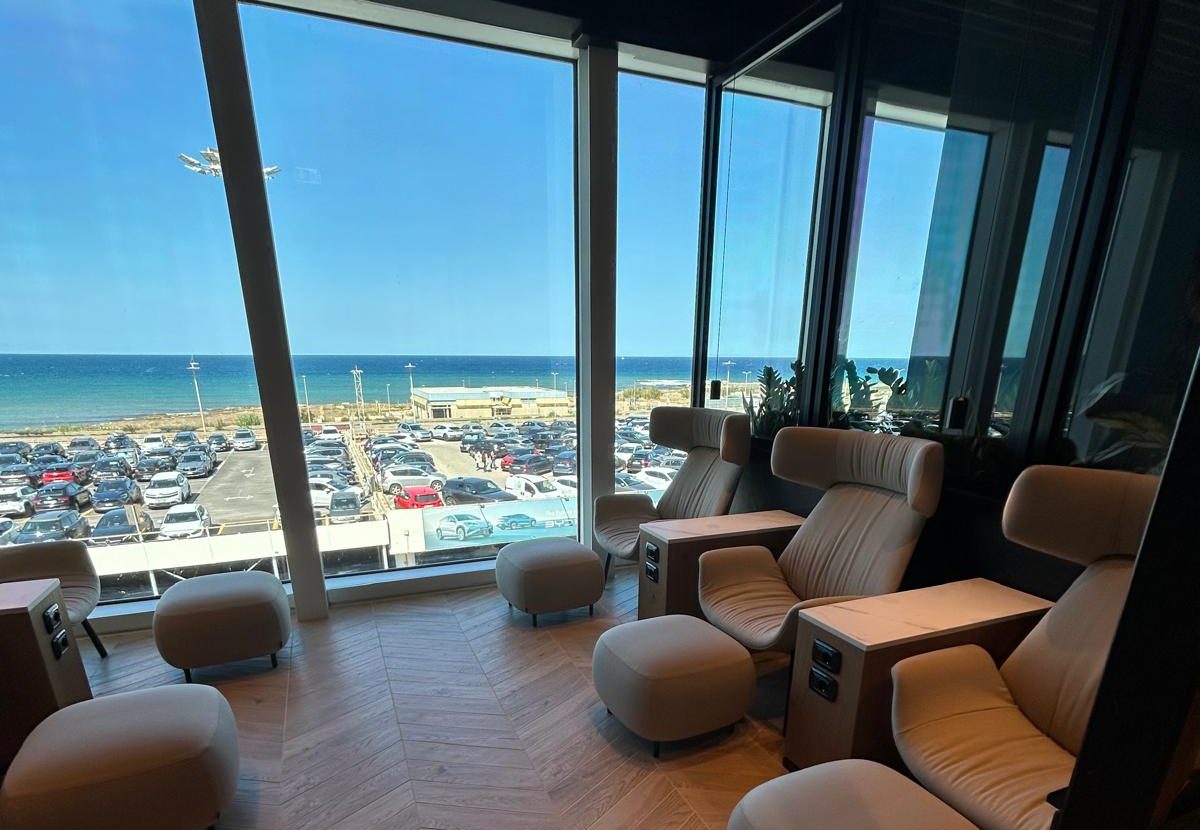 Scalo Palermo, apre la lounge ‘Prima Vista’ in area airside24 settembre 2026
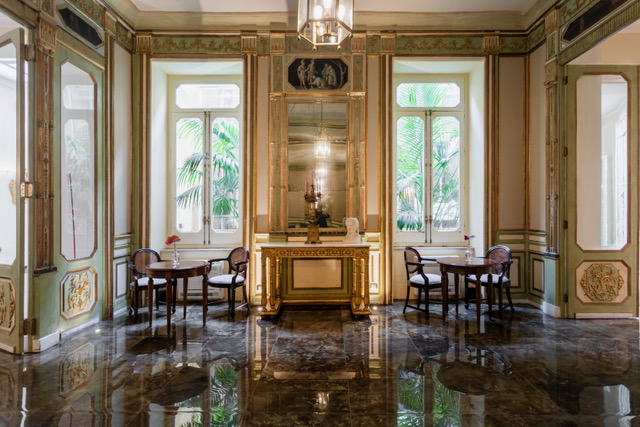 Grand Hotel delle Palme celebra 150 anni con restyling ed eventi22 settembre 2026
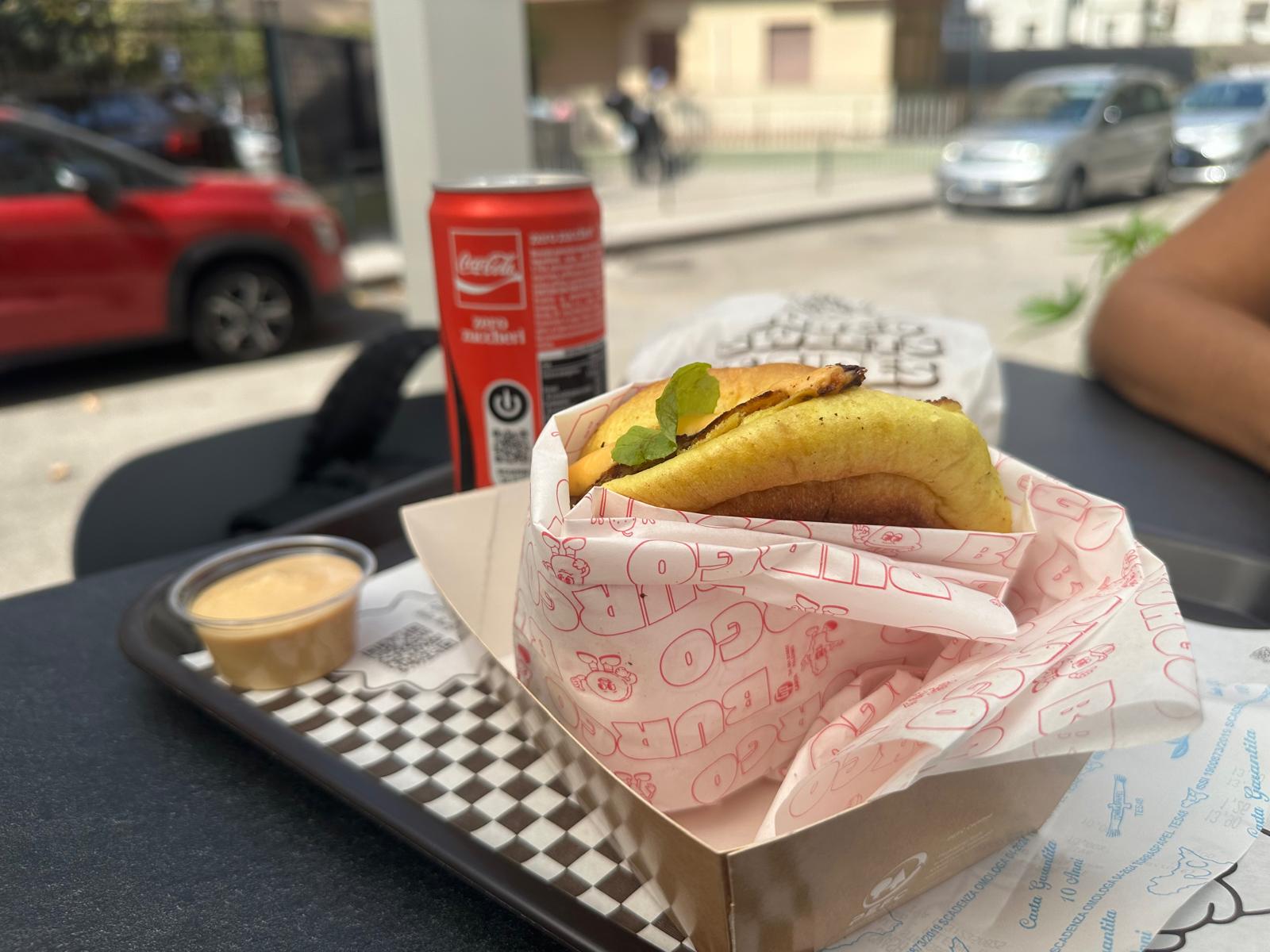 A Palermo un nuovo indirizzo tra smash burger e sapori di casa22 settembre 2026



.png)